
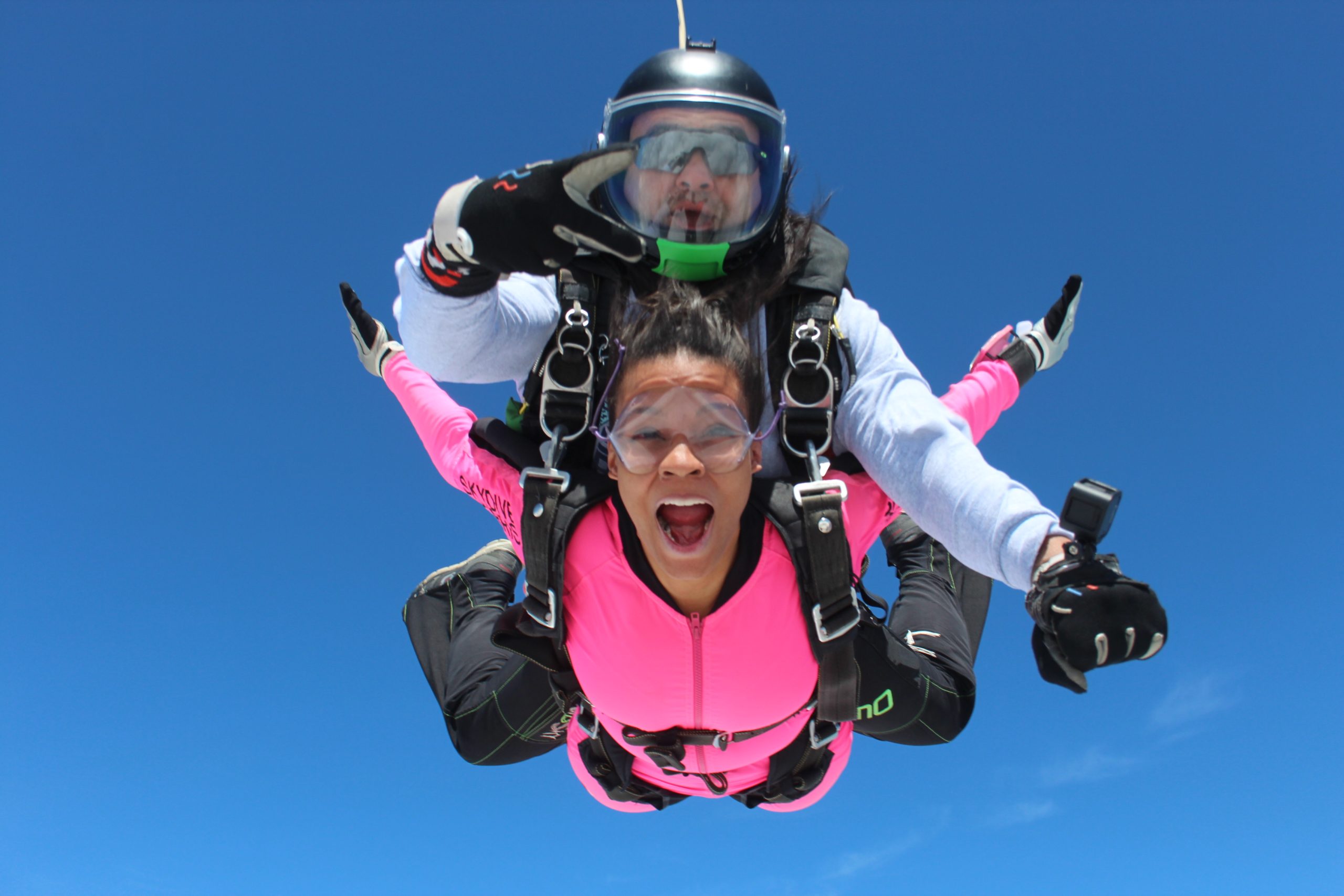
Skydiving for the first time is a life-changing experience. Excitement, nervousness, fear, and curiosity all come together before that first jump. If you are planning your first skydive, it is completely normal to wonder what will actually happen from the moment you arrive at the drop zone until you land safely on the ground.
This guide explains everything you can expect on your first skydive, step by step, in simple and clear language. By the end, you will feel more confident, informed, and mentally prepared for one of the most thrilling experiences of your life.
Is Skydiving Safe for First-Time Jumpers?
Before talking about the experience itself, it is important to address safety, because this is the biggest concern for beginners.
Modern skydiving is highly regulated and designed with multiple safety systems. First-time jumpers almost always do a tandem skydive, meaning you are securely attached to a licensed instructor who controls the jump, parachute, and landing.
Skydiving equipment is checked before every jump, instructors undergo strict training, and aircraft follow aviation safety standards. If you want to explore safety in detail, you should also read our in-depth guide on how safe skydiving really is on SkydiveGuides.com.
What Happens When You Arrive at the Drop Zone?
Your skydiving experience starts well before you board the plane.
Check-In and Registration
When you arrive, staff will:
- Verify your identity
- Check age and weight requirements
- Ask you to sign a waiver
This is standard procedure at all professional drop zones worldwide.
Training and Safety Briefing
Next comes a short but important training session. This usually lasts 20 to 30 minutes.
During this briefing, you will learn:
- Proper body position during freefall
- How to lift your legs for landing
- Basic hand signals
- What to do if you feel nervous
The instructions are simple and designed for beginners. You are not expected to memorize complex procedures because your instructor handles everything.
Getting Ready: Equipment and Gear
What Gear Will You Wear?
For your first skydive, the drop zone provides all necessary equipment, including:
- Skydiving jumpsuit
- Harness system
- Parachute
- Goggles
You only need to wear comfortable clothes and athletic shoes.
If you want to learn more about equipment, check our detailed article on skydiving gear for beginners on SkydiveGuides.com.
Safety Checks Before the Jump
Before boarding the plane, your instructor will perform multiple safety checks. This includes checking harness connections, parachute pins, and backup systems.
Safety checks are repeated again inside the aircraft.
The Plane Ride: Building Anticipation
The plane ride is often the most emotional part of the experience.
As the aircraft climbs to altitude, which usually takes 10 to 20 minutes, you may feel excitement mixed with nervousness. Many first-time jumpers say this part feels more intense than the jump itself.
During the climb, instructors keep the mood relaxed, answer questions, and help reduce anxiety.
The Door Opens: What It Feels Like
When the aircraft reaches jumping altitude, the door opens and cold air rushes inside. Your heart rate increases, and adrenaline kicks in.
This is completely normal.
You move closer to the door with your instructor, sit at the edge, and take a deep breath.
The Jump: Freefall Experience Explained
What Does Freefall Feel Like?
The moment you leave the plane, there is no stomach-dropping sensation like on a roller coaster.
Instead, freefall feels like:
- Floating on air
- Strong wind pressure
- Intense excitement
Freefall typically lasts between 30 and 60 seconds, depending on altitude.
Is Freefall Scary?
Fear disappears very quickly once you exit the plane. Most first-time jumpers are surprised by how calm they feel during freefall.
Your instructor maintains stability and ensures a smooth experience.
Parachute Deployment and Canopy Flight
After freefall, the instructor deploys the parachute.
You will feel a gentle pull, and suddenly everything becomes quiet and peaceful.
The parachute ride lasts about 5 to 7 minutes.
During this time, you can:
- Enjoy panoramic views
- Take photos
- Even help steer the parachute if conditions allow
This part of the jump is often described as relaxing and beautiful.
Landing: Smooth and Controlled
As you approach the ground, your instructor reminds you to lift your legs.
Landings are typically soft and controlled. Most tandem jumps land on grass or a designated landing area.
You will be safely on the ground before you even realize it.
After the Jump: Emotional High
After landing, many first-time skydivers experience:
- A huge adrenaline rush
- A sense of achievement
- Extreme happiness
- Increased confidence
Some people describe it as one of the best moments of their lives.
Is Skydiving Painful?
Skydiving is not painful. You do not feel air pressure pain or discomfort during freefall.
Minor soreness can occur if you tense your body too much, but instructors guide you to stay relaxed.
What If I’m Afraid of Heights?
Fear of heights does not usually affect skydiving because:
- You are inside a plane, not standing on an edge
- The height is too great to process visually
- The experience feels more like flying than falling
If fear is a concern, read our guide on overcoming skydiving fear on SkydiveGuides.com.
Physical and Mental Preparation Tips
Being physically fit helps, but skydiving does not require extreme fitness.
Light exercise, proper sleep, and hydration improve comfort.
Mental preparation is equally important. Staying calm, listening to instructions, and trusting your instructor make a big difference.
For general fitness and mental wellness tips, helpful resources can be found at.
What Not to Do Before Your First Skydive
Avoid alcohol or heavy meals before your jump. Do not overthink the experience or watch negative videos online.
Focus on positive information and preparation.
Should You Get Photos and Videos?
Photo and video packages are optional but highly recommended.
They allow you to:
- Relive the experience
- Share with friends and family
- Capture your reaction during freefall
Most first-time jumpers say it is worth the extra cost.
Skydiving vs Other Adventure Activities
Compared to activities like scuba diving or bungee jumping, skydiving delivers a much stronger adrenaline experience in a short time.
Scuba diving requires training, time, and calm water conditions. You can explore diving options worldwide scoobadive if you are interested in underwater adventures as well.
Frequently Asked Questions About First-Time Skydiving
How long does the entire experience take?
Usually 2 to 4 hours from arrival to landing.
Can I skydive if I wear glasses?
Yes. Goggles fit comfortably over glasses.
What should I eat before skydiving?
A light meal is recommended.
Can I bring my phone?
No. Phones are not allowed during the jump.
Will I want to do it again?
Most first-time jumpers say yes.
Final Thoughts
Your first skydive is safe, Skydiving Cost Worldwide, structured, and unforgettable. Knowing what to expect removes fear and builds confidence.
With professional instructors and modern safety systems, skydiving becomes an experience that many people describe as truly life-changing.