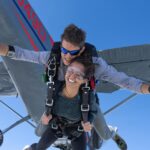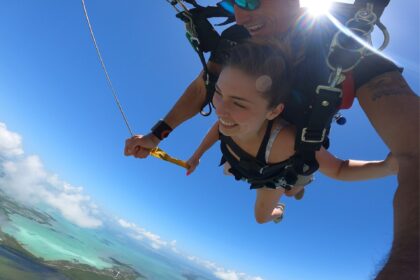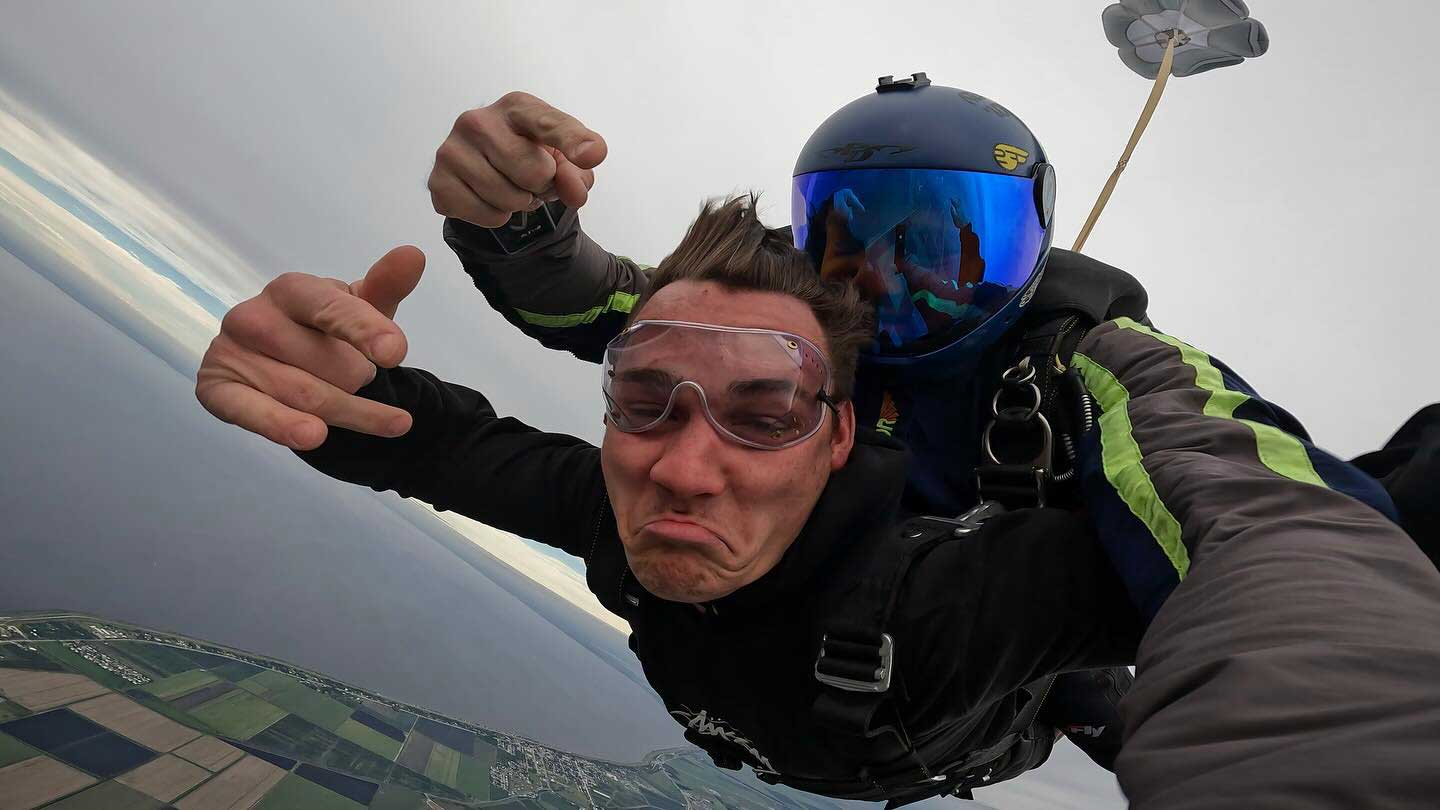


Skydiving is one of the most thrilling experiences in the world, but it is also one of the most misunderstood. Headlines and viral videos often focus on rare accidents, which leads many people to ask an important question: how many people die skydiving each year?
- Skydiving Deaths Per Year (Recent Data)
- Why People Worry About Skydiving Deaths
- How Many Skydiving Deaths Per Year (Global Overview)
- Skydiving Death Rate Explained Simply
- Skydiving Deaths Per Year in the United States
- Skydiving Deaths vs Everyday Activities
- Tandem Skydiving Death Rate
- Solo Skydiving Death Rate
- Main Causes of Skydiving Deaths
- How Skydiving Has Become Safer Over Time
- Odds of Dying Skydiving vs Other Adventure Sports
- Psychological Impact of Skydiving Accident News
- Is Skydiving Too Dangerous for Beginners?
- How Drop Zones Reduce Fatal Risks
- Health and Fitness Considerations
- Why Skydiving Feels More Dangerous Than It Is
- Frequently Asked Questions About Skydiving Deaths
- Final Thoughts
Skydiving Deaths Per Year (Recent Data)
| Year | Reported Skydiving Deaths |
|---|---|
| 2021 | 10 |
| 2022 | 9 |
| 2023 | 10 |
| 2024 | 8 |
| 2025 | 9 (estimated) |
| 2026 | Data updating |
These numbers show that despite the extreme nature of the sport, skydiving continues to maintain a strong safety record. Improvements in training, parachute design, and automatic activation devices have played a major role in keeping fatality rates low.
This guide explains skydiving deaths per year, real statistics, odds of dying, and how risky skydiving actually is compared to everyday activities. The goal is not to scare you, but to give you clear, honest facts.
Why People Worry About Skydiving Deaths
Skydiving involves jumping from an airplane at high altitude, which naturally sounds dangerous. The fear increases because accidents, although rare, receive a lot of media attention.
In reality, statistics tell a very different story.
How Many Skydiving Deaths Per Year (Global Overview)
On average, skydiving fatalities worldwide range between 10 and 20 deaths per year, despite millions of jumps being completed annually.
This means:
- Millions of safe jumps every year
- Extremely low fatality rates
- Most skydivers never experience serious injury
The number of total jumps increases every year, while fatality rates continue to decline due to better technology and training.
Skydiving Death Rate Explained Simply
The global fatality rate for skydiving is approximately:
0.39 deaths per 100,000 jumps
In simple terms:
- You have a 99.999% chance of surviving a skydive
- The odds of dying are extremely low
For deeper context, read our guide on how safe skydiving really is on SkydiveGuides.com.
Skydiving Deaths Per Year in the United States
The United States records some of the most detailed skydiving data.
On average:
- 10 to 15 skydiving deaths per year
- Over 3 million jumps annually
This gives the U.S. one of the lowest fatality rates among adventure sports.
Skydiving Deaths vs Everyday Activities
Comparing skydiving to daily activities helps put risk into perspective.
Statistically:
- Driving a car is far more dangerous
- Swimming causes more annual fatalities
- Cycling and hiking have higher injury rates
Skydiving feels dangerous because it is unfamiliar, not because it is statistically risky.
Tandem Skydiving Death Rate
Tandem skydiving is the safest form of skydiving.
Why tandem skydiving has a lower risk:
- Instructor control
- Backup parachute systems
- Automatic activation devices
- Strict operational procedures
For beginners, tandem skydiving is strongly recommended. Learn more in what to expect on your first skydive on SkydiveGuides.com.
Solo Skydiving Death Rate
Solo skydiving has a slightly higher risk than tandem skydiving.
Reasons include:
- Decision-making responsibility
- Skill-based execution
- Human error potential
However, solo skydiving is still statistically very safe when performed by trained jumpers.
To understand the difference, read tandem skydiving vs solo skydiving on SkydiveGuides.com.
Main Causes of Skydiving Deaths
Understanding causes helps explain why fatalities are rare.
Human Error
Most fatal accidents involve:
- Poor decision-making
- Failure to deploy parachute correctly
- Ignoring safety procedures
Weather Conditions
Unsafe weather contributes to accidents when:
- Wind conditions change suddenly
- Visibility is poor
Professional drop zones cancel jumps when conditions are unsafe.
Equipment Issues (Very Rare)
Modern skydiving equipment includes:
- Main parachute
- Reserve parachute
- Automatic activation device
Equipment failure alone almost never causes fatal accidents.
To learn more about equipment safety, read skydiving gear for beginners on SkydiveGuides.com.
How Skydiving Has Become Safer Over Time
Skydiving today is far safer than it was decades ago.
Key improvements include:
- Automatic activation devices
- Better parachute designs
- Improved training programs
- Stricter regulations
As technology improves, fatality rates continue to decline.
Odds of Dying Skydiving vs Other Adventure Sports
Compared to other adventure sports:
- Skydiving is safer than mountaineering
- Safer than rock climbing
- Comparable or safer than scuba diving
Scuba diving risks vary by depth and conditions. You can explore diving safety and destinations.
Psychological Impact of Skydiving Accident News
Accident news spreads quickly online, creating fear and misunderstanding.
It is important to remember:
- Rare events receive more attention
- Millions of safe jumps are not reported
- Statistics matter more than headlines
Is Skydiving Too Dangerous for Beginners?
No.
For beginners:
- Tandem skydiving is extremely safe
- Instructors manage risk
- Equipment includes multiple backups
Beginners should avoid unlicensed or poorly regulated operators.
How Drop Zones Reduce Fatal Risks
Professional drop zones:
- Monitor weather closely
- Perform multiple equipment checks
- Enforce instructor certification
- Follow aviation authority rules
Safety is the foundation of the industry.
Health and Fitness Considerations
While skydiving is safe, basic health matters.
Conditions such as heart problems or recent surgeries may require medical clearance. General health guidance for high-adrenaline activities.
Why Skydiving Feels More Dangerous Than It Is
Fear is psychological.
Skydiving:
- Looks extreme
- Feels unfamiliar
- Challenges instinctive fear of falling
Once experienced, many people realize the fear was exaggerated.
If fear is holding you back, read is skydiving scary on SkydiveGuides.com.
Frequently Asked Questions About Skydiving Deaths
How many people die skydiving each year?
On average, 10–20 worldwide.
What are the odds of dying skydiving?
Approximately 1 in 250,000 jumps.
Is tandem skydiving safer than solo?
Yes.
Has skydiving become safer?
Yes, significantly over time.
Should skydiving deaths stop me from trying?
Statistics suggest skydiving is very safe.
Final Thoughts
Skydiving deaths are rare, statistically minimal, and declining. Millions of people skydive safely every year thanks to strict regulations, modern equipment, and professional training.
Fear is natural, but facts matter more than fear.
Although fatal accidents receive significant media attention, the overall
skydiving survival rate remains extremely high. Modern training and
equipment have significantly reduced accident risks over the years.