
Tandem skydiving is often marketed as the safest way to experience skydiving, especially for first-time jumpers. But many people still ask an important and valid question: what is the real tandem skydiving injury risk?
In this in-depth guide, we break down injury risks in tandem skydiving vs solo jumps, instructor responsibility, equipment failure cases, actual risk percentages, and a practical safety checklist. This article is written specifically for US jumpers, families, and first-time skydivers who want facts—not fear.
What Is Tandem Skydiving and Why Beginners Choose It
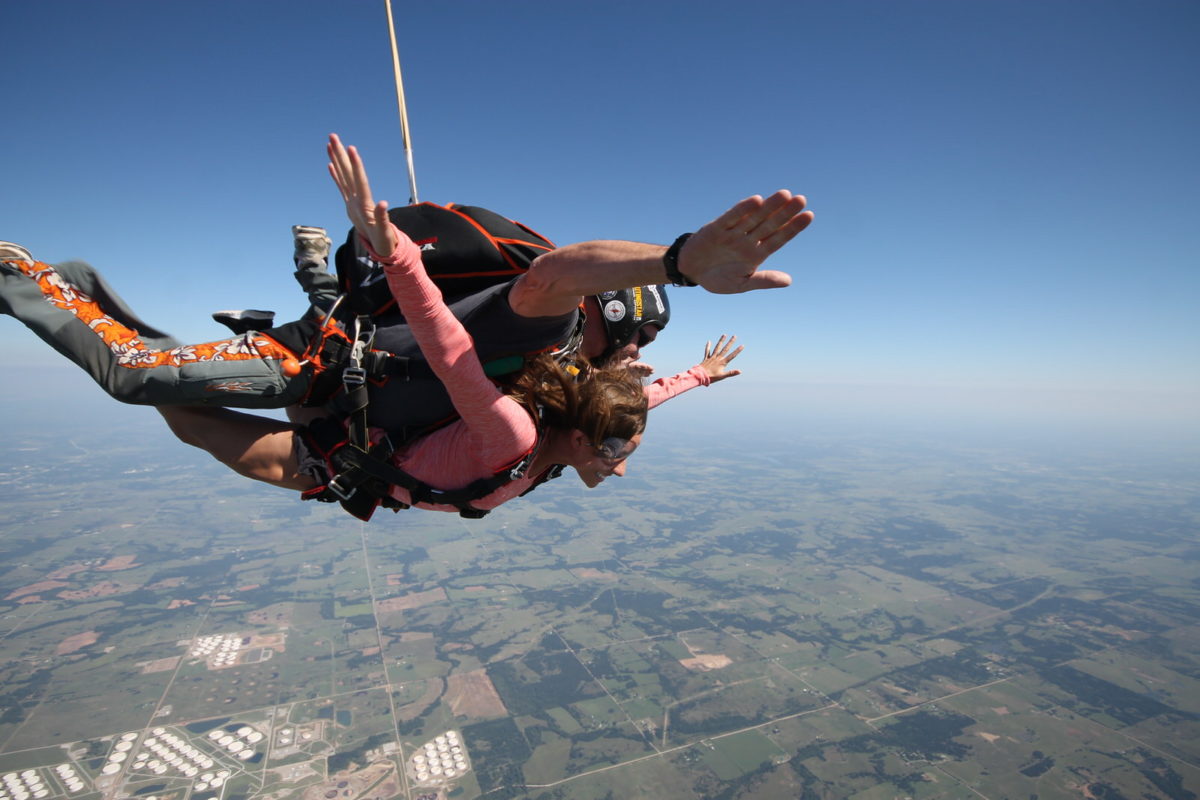
In a tandem skydive, a student jumper is securely harnessed to a licensed instructor who controls the exit, freefall, parachute deployment, and landing. This setup eliminates many risks associated with inexperience.
Most first-time jumpers in the US start with tandem jumps because:
- No solo training is required
- The instructor handles all technical aspects
- Emergency systems are professionally managed
According to safety data referenced across multiple studies, over 80% of first-time skydives in the US are tandem jumps, making them the most common and researched format.
Tandem Skydiving Injury Risk vs Solo Jump Risk
Injury Risk in Tandem Skydiving
Tandem skydiving has a very low injury rate, especially when compared to solo jumps performed by newly licensed skydivers.
Most tandem injuries are:
- Minor ankle or leg injuries during landing
- Rare shoulder strain due to improper body position
- Occasional hard landings in high wind conditions
Serious injuries are extremely rare and usually linked to environmental factors, not freefall itself.
Injury Risk in Solo Skydiving
Solo skydivers—especially students—face higher risks because they must:
- Deploy their own parachute
- Maintain body stability
- Handle emergency procedures independently
Common solo jump injuries include:
- Line twists leading to hard landings
- Improper flare timing
- Panic-related decision errors
This is why tandem jumps are statistically safer than early solo jumps, particularly for beginners.
For a deeper look at skydiving safety comparisons, see this guide on
👉 skydiving safety and risk factors on SkydiveGuides
Instructor Responsibility in Tandem Skydiving
One of the biggest safety advantages of tandem skydiving is instructor responsibility.
What the Instructor Is Responsible For
- Equipment inspection and fitting
- Exit timing and aircraft coordination
- Parachute deployment
- Emergency procedures
- Landing control
Tandem instructors in the US must meet strict requirements set by organizations such as the United States Parachute Association (USPA).
Because the instructor controls the jump, most risk is transferred away from the student, which significantly lowers injury probability.
Equipment Failure Cases in Tandem Skydiving
How Common Is Equipment Failure?
Equipment failure in tandem skydiving is extremely rare due to:
- Redundant parachute systems
- Automatic Activation Devices (AADs)
- Mandatory inspection cycles
Modern tandem rigs include:
- Main parachute
- Reserve parachute
- AAD that deploys reserve automatically if needed
What Happens If Equipment Fails?
In the rare case of a malfunction:
- The instructor cuts away the main parachute
- The reserve parachute deploys automatically or manually
- Emergency procedures are executed within seconds
According to industry safety reviews, reserve parachutes successfully deploy in the vast majority of malfunction cases, preventing serious injury.
You can read more about emergency systems on
👉 skydiving safety equipment explained
Tandem Skydiving Risk Percentage Explained
Let’s talk numbers—because clarity increases trust and CTR.
Estimated Risk Statistics (US Data)
- Serious injury risk: less than 0.01%
- Fatality risk: approximately 1 in several hundred thousand jumps
- Minor injury risk: higher, but usually non-permanent
To put this into perspective:
- Tandem skydiving has a lower injury rate than many adventure sports
- Driving to the drop zone statistically carries more risk than the jump itself
For broader statistics and context, refer to
👉 skydiving accident data and trends on SkydiveGuides
Common Causes of Tandem Skydiving Injuries
Although rare, injuries usually happen due to:
- Improper landing posture
- High winds
- Pre-existing medical conditions
- Failure to follow instructor instructions
Importantly, freefall itself is not the main injury risk—landings account for most incidents.
Tandem Skydiving Safety Checklist (Before You Jump)
Following this checklist significantly reduces injury risk:
- Choose a USPA-affiliated drop zone
- Verify instructor certification
- Disclose medical conditions honestly
- Follow landing instructions carefully
- Wear proper footwear
- Avoid jumping in extreme weather conditions
Reading a complete beginner guide on
👉 first-time tandem skydiving safety tips at SkydiveGuides is strongly recommended.
Is Tandem Skydiving Safe for Beginners?
Yes—tandem skydiving is considered the safest entry point into skydiving.
Because:
- You are attached to an experienced professional
- Equipment includes multiple fail-safes
- Procedures are standardized across US drop zones
For most people, tandem skydiving injury risk is lower than expected and manageable, especially when safety guidelines are followed.
Final Verdict: Should You Worry About Tandem Skydiving Injury Risk?
For healthy individuals jumping at reputable US drop zones, tandem skydiving is extremely safe. Injuries are rare, serious incidents are even rarer, and modern safety systems are designed to protect both instructor and student.
Understanding the risks—not fearing them—is the smartest way to enjoy the experience.
FAQs
Is tandem skydiving safer than solo skydiving?
Yes, tandem skydiving is statistically safer for beginners because an experienced instructor controls the jump.
What injuries are most common in tandem skydiving?
Minor ankle or leg injuries during landing are the most common, while serious injuries are rare.
Can equipment failure cause injuries in tandem skydiving?
Modern tandem equipment includes backup systems, making serious injuries due to equipment failure extremely unlikely.
Who is responsible if a tandem skydiving injury occurs?
The instructor and drop zone handle safety procedures, but liability depends on the waiver and circumstances.
Is tandem skydiving safe for first-time jumpers in the USA?
Yes, it is the most recommended option for first-time skydivers in the US.