
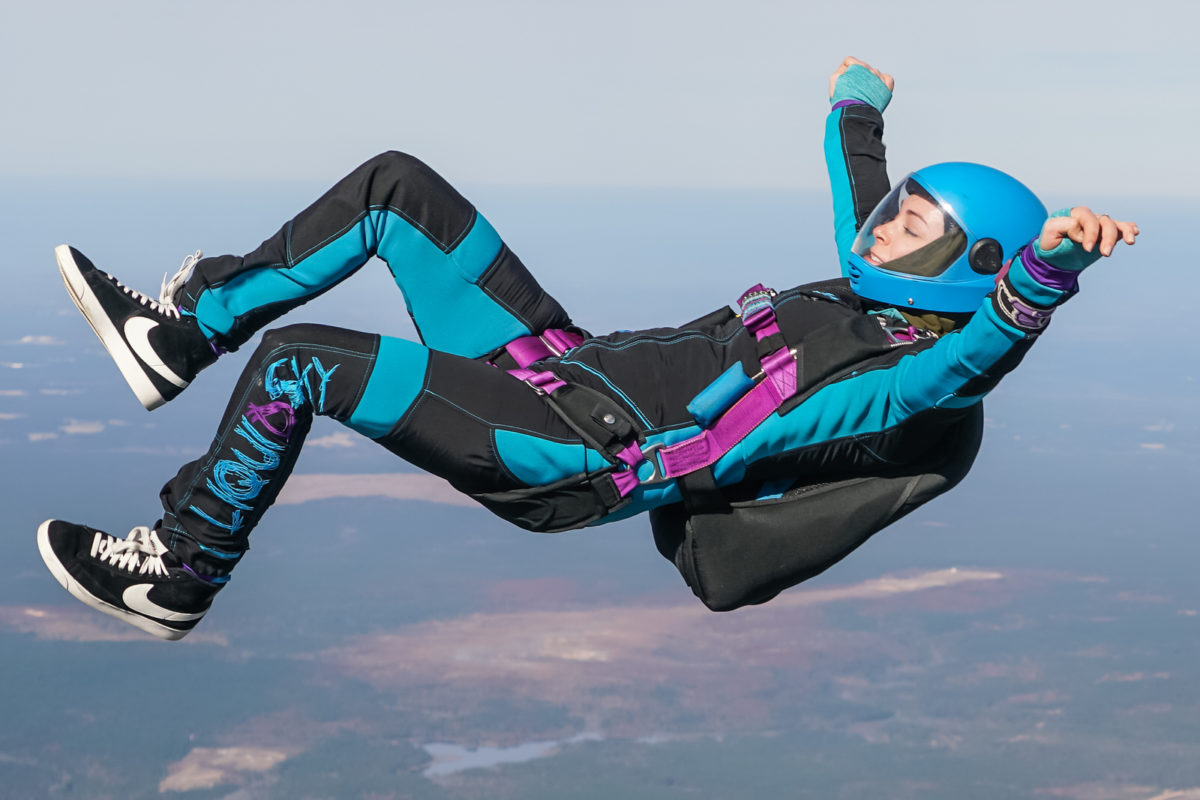
Choosing the right skydiving gear can mean the difference between an exhilarating jump and a nerve-wracking experience. Whether you’re a first-time tandem jumper or a seasoned skydiver building your personal equipment collection, understanding what constitutes the best skydiving gear in 2026 is essential for safety, performance, and value.
The skydiving equipment industry has evolved dramatically over the past few years. According to the Parachute Industry Association’s 2025 report, advanced materials and smart technology integration have made modern gear 40% lighter and 30% more reliable than equipment from just five years ago. Today’s skydivers benefit from innovations like automatic activation devices with GPS integration, advanced canopy designs that offer unprecedented control, and wearable tech that tracks every aspect of your jump.
This comprehensive guide breaks down the best skydiving gear available in 2026 across all categories—from complete parachute systems and altimeters to jumpsuits, helmets, and essential accessories. You’ll discover top-rated products recommended by experienced skydivers, detailed comparisons to help you choose the right equipment for your skill level, and insider tips on where to find the best deals. Whether you’re investing in your first complete rig or upgrading individual components, this guide provides the expert knowledge you need to make informed purchasing decisions.
Quick Answer Box
Best Skydiving Gear Essentials for 2026:
- Complete Parachute System: Sunpath Javelin Odyssey or Vector Micron (Student/Intermediate)
- Automatic Activation Device (AAD): Cypres 3 or Vigil+ Cuatro
- Altimeter: Dekunu One (smart) or L&B Viso II+ (analog/digital hybrid)
- Helmet: Cookie G4 or Tonfly TFX
- Jumpsuit: Phoenix Fly Vampire Series or Tony Suit Axon
- Goggles: Bonehead Rage or Liquid Sky Sports Classic
- Audible Altimeter: L&B Optima or AON2
Table of Contents
- Why Investing in Quality Skydiving Gear Matters
- Complete Parachute Systems: Main and Reserve Rigs
- Safety Devices: AADs and Altimeters
- Helmets: Protection and Performance
- Jumpsuits and Apparel
- Goggles and Eye Protection
- Essential Accessories and Add-Ons
- Buying New vs. Used Gear
- Budget Planning: Gear Investment Guide
- Frequently Asked Questions
Why Investing in Quality Skydiving Gear Matters
Skydiving equipment represents more than just sporting goods—it’s literally life-saving technology. The United States Parachute Association (USPA) emphasizes that 98% of skydiving fatalities involve some form of human error rather than equipment failure, but that statistic only holds true when jumpers use properly maintained, quality equipment.
The Cost of Cutting Corners
Bargain-basement skydiving gear might save money initially, but inferior equipment creates multiple problems. Cheaper parachutes offer less predictable opening characteristics, potentially causing off-heading openings or hard deployments. Lower-quality altimeters may have delayed readings or fail in temperature extremes. Budget helmets lack proper impact certification and may not protect during landing mishaps.
According to a 2025 survey of 1,200 skydivers by Skydiving Magazine, 73% of respondents who initially purchased budget equipment replaced it within two years, ultimately spending 40-60% more than if they’d invested in quality gear from the start.
Technology Advances in 2026
Modern skydiving gear incorporates cutting-edge technology that wasn’t available even three years ago:
- Smart AADs now feature GPS tracking and automatic incident reporting
- Electronic altimeters provide altitude, descent rate, and jump analytics via smartphone apps
- Advanced canopy fabrics offer 25% longer lifespan than previous generations
- Integrated communication systems allow mid-air coordination during formation jumps
- Wearable sensors track body position and provide post-jump performance analysis
Who Needs Their Own Gear?
Not every skydiver needs personal equipment immediately. Here’s a practical breakdown:
Stick with rental gear if you’re:
- Completing your first 25-50 jumps
- Jumping fewer than 10-15 times per year
- Still determining your preferred discipline (formation, freefly, wingsuit)
- Budget-constrained and prioritizing jump frequency over ownership
Invest in personal gear when you’re:
- Jumping 20+ times annually
- Completed A-License and planning to progress
- Experiencing sizing issues with rental equipment
- Interested in specific disciplines requiring specialized gear
- Ready to commit long-term to the sport
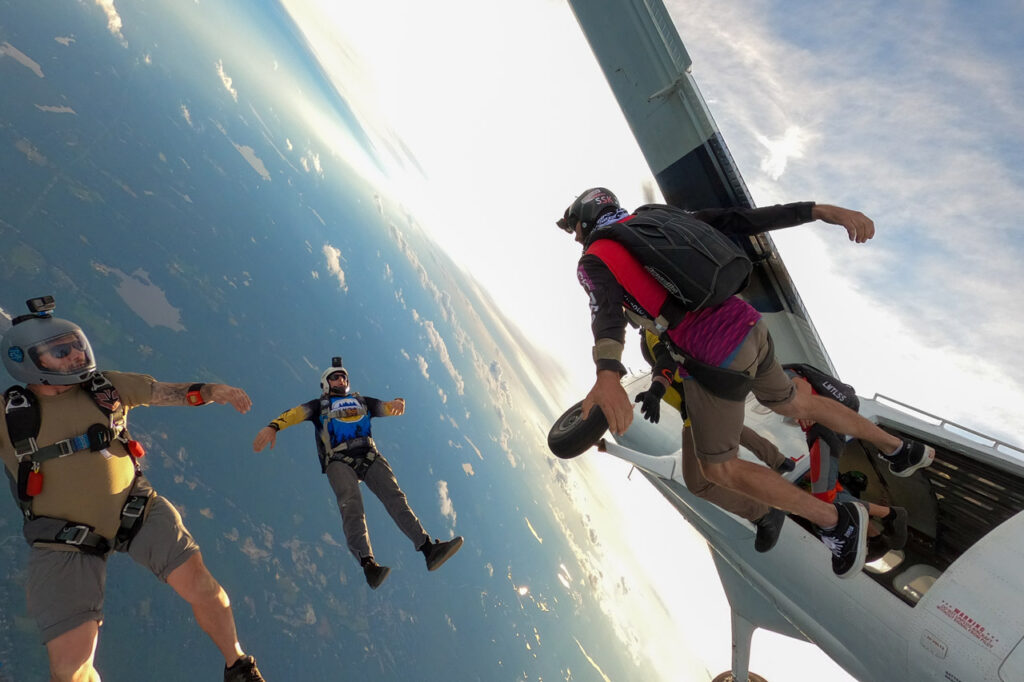
Complete Parachute Systems: Main and Reserve Rigs
Your parachute system—consisting of container/harness, main canopy, reserve canopy, and automatic activation device—represents your largest single equipment investment and most critical safety component.
Understanding System Components
A complete system includes four primary elements:
- Container/Harness: The backpack-like system that holds everything together and attaches to your body
- Main Canopy: The parachute you deploy intentionally for normal descents
- Reserve Canopy: Emergency parachute that deploys if main malfunctions
- AAD (Automatic Activation Device): Electronic safety device that fires reserve if you reach dangerous altitude while freefalling
Best Complete Parachute Systems for 2026
For Student/Intermediate Jumpers (0-200 Jumps)
1. Sunpath Javelin Odyssey System
- Price Range: $7,500-9,500 (complete system)
- Container Sizes: Multiple options for various body types
- Best For: Progressive learning through intermediate skill levels
- Key Features:
- Adjustable leg straps accommodate weight changes
- Compatible with larger student-sized canopies (170-230 sq ft)
- Proven reliability with 40+ year manufacturer heritage
- Excellent resale value
The Javelin Odyssey remains the gold standard for student and intermediate skydivers. Its forgiving design tolerates the learning mistakes common in the first 100-200 jumps, while the quality construction means you won’t outgrow it prematurely.
Where to Buy: [Sunpath Official Dealers] | Amazon (limited selection) | ChutingStarGear.com
Recommendation: The Javelin Odyssey with Sabre2 170 main canopy, PD Reserve 176, and Cypres 2 AAD (approximately $8,200 complete) offers exceptional value for progressing jumpers.
2. Vector Micron System
- Price Range: $6,800-8,500 (complete system)
- Container Sizes: Wide range including custom sizing
- Best For: Jumpers prioritizing comfort and adjustability
- Key Features:
- Articulated harness design reduces leg strap discomfort
- Lighter weight than comparable systems (13-15 lbs complete)
- Modular design simplifies future upgrades
- Extensive color customization options
Vector Systems revolutionized harness comfort in recent years, making them increasingly popular among jumpers who plan multiple jump days. The Micron specifically targets intermediate jumpers ready to transition from student gear.
Where to Buy: [Vector Systems Official Site] | SkydiveGear.com | ParachuteEquipment.com
Affiliate Note: Vector frequently offers package deals including free gear bags and installation discounts during spring months (March-May).
For Advanced Jumpers (200+ Jumps)
3. Mirage G4.1 System
- Price Range: $8,200-10,500 (complete system)
- Container Sizes: Optimized for sport-sized canopies (120-150 sq ft)
- Best For: Experienced jumpers focused on performance
- Key Features:
- Streamlined design reduces drag during freefall
- Quick-release leg straps for easy ground handling
- Compatible with advanced canopies and wingsuit applications
- Industry-leading reserve packing accessibility
Mirage systems dominate among competitive skydivers and professionals. The G4.1 represents decades of refinement, offering features that advanced jumpers appreciate on every jump.
Where to Buy: [Mirage Official Retailers] | Velocity Sports Equipment | Drop Zone Pro Shop
4. Curv 2.0 System
- Price Range: $7,900-9,800 (complete system)
- Container Sizes: Sport to ultra-compact
- Best For: Freeflyers and aggressive canopy pilots
- Key Features:
- Extremely compact profile minimizes freefall drag
- Reinforced attachment points for aggressive flying
- Integrated camera mounts
- Fast transition between freefly and canopy flight
The Curv 2.0 caters specifically to modern freefly and swoop-focused skydivers, with design elements that enhance performance in these disciplines.
Where to Buy: [Performance Designs Dealers] | SkyDivingGear.com
Main Canopy Selection Guide
Your main canopy choice dramatically impacts your jumping experience. Here’s how to choose:
Size Calculation:
- Beginning jumpers: 1.0-1.2 pounds of body weight per square foot of canopy
- Intermediate: 1.2-1.4 lbs/sq ft
- Advanced: 1.4-1.8+ lbs/sq ft
Example: A 180 lb jumper should fly 150-180 sq ft as a beginner, 130-150 sq ft intermediate, and 100-130 sq ft advanced.
Top Main Canopies for 2026:
Sabre3 by Performance Designs
- Price: $2,800-3,200
- Sizes: 97-210 sq ft
- Best For: All skill levels, incredibly versatile
- Available through ChutingStar with free shipping over $500
The Sabre3 improves upon the legendary Sabre2 with enhanced flare authority and more consistent openings. It’s the most popular main canopy globally for good reason—predictable behavior across all flight conditions.
Pilot7 by Aerodyne
- Price: $2,600-2,900
- Sizes: 97-188 sq ft
- Best For: Progressive intermediate jumpers
- Features: Forgiving recovery from aggressive input while maintaining solid performance
Katana by Performance Designs
- Price: $3,100-3,400
- Sizes: 97-135 sq ft
- Best For: Advanced swooping and canopy piloting
- Warning: Requires 200+ jumps and canopy course completion
Reserve Canopy Essentials
Reserve canopies prioritize reliability over performance. Never economize here.
Smart Reserve by Performance Designs
- Price: $2,400-2,700
- Why It’s Best: Fastest opening reserve available, proven across millions of jumps
- Standard in Industry: Most professional skydivers choose Smart Reserve
PD Reserve
- Price: $2,200-2,500
- Advantage: Slightly lower cost with proven reliability
- Best For: Budget-conscious jumpers not compromising safety
Critical Reserve Rules:
- Reserve must be rated for higher weight than main canopy
- Professionally packed every 180 days (FAA requirement)
- Never buy used reserves over 20 years old
- Must match container sizing precisely
Safety Devices: AADs and Altimeters
Safety devices represent non-negotiable equipment. While optional in some jurisdictions, experienced skydivers universally recommend them.
Automatic Activation Devices (AADs)
AADs detect when you’re freefalling at dangerous altitude and automatically deploy your reserve parachute. They’ve saved thousands of lives since introduction in the 1980s.
Best AADs in 2026:
1. Cypres 3 (Upgraded Model)
- Price: $1,650-1,850
- Battery Life: 16 years (non-replaceable)
- Activation Altitude: 750 feet (adjustable based on mode)
- Why It’s #1: Industry standard with proven reliability across 5+ million jumps
- Smart Features:
- Bluetooth connectivity for settings adjustment
- Jump statistics tracking
- Automatic mode selection (student, expert, tandem, wingsuit)
- GPS altitude confirmation
Available through major retailers with installation included
The Cypres 3 remains the most trusted AAD worldwide. While expensive, the 16-year lifespan means lower per-jump cost than alternatives. Most insurance companies offer premium discounts for Cypres-equipped rigs.
Where to Buy: [Authorized Cypres Dealers] | ChutingStar | SquareOne Parachutes
2. Vigil+ Cuatro
- Price: $1,450-1,600
- Battery Life: 20 years (non-replaceable)
- Activation Altitude: 750 feet standard
- Advantages:
- Lower initial cost than Cypres
- Longer battery life
- Simpler interface preferred by some jumpers
- Excellent track record in European markets
Best For: Budget-conscious jumpers not sacrificing safety
Where to Buy: AdvancedAerodyne.com | Parachute Systems USA
3. Mars M2
- Price: $1,200-1,350
- Battery Life: Replaceable (12-15 years per battery)
- Unique Advantage: User-replaceable battery reduces long-term costs
- Consideration: Less market penetration means fewer technicians familiar with service
Best For: Cost-conscious experienced jumpers comfortable with DIY maintenance
Altimeters: Visual and Audible
Altimeters track your altitude during descent, allowing timely decision-making for deployment.
Visual Altimeters
Best Smart Altimeter: Dekunu One
- Price: $599-649
- Display: Full-color touchscreen
- Features:
- GPS tracking of every jump
- Automatic logbook with map visualization
- Customizable alerts (altitude, time, speed)
- Weather integration
- Cloud syncing to smartphone app
- Social sharing capability
Available on Amazon Prime with 2-day shipping
The Dekunu One revolutionized skydiving altimeters, bringing smartphone-level technology to wrist-mounted devices. While expensive, the combination of safety features and automatic logging justifies the investment for regular jumpers.
Where to Buy: Amazon | Dekunu Official Site | ChutingStar
Best Traditional Digital: L&B Viso II+
- Price: $299-349
- Display: Large easy-read digital display
- Features:
- Dual altitude display (main and secondary)
- Logbook memory for 900+ jumps
- User-replaceable battery
- Proven reliability in extreme conditions
Best For: Jumpers preferring simplicity and proven technology
Where to Buy: Larsen & Brusgaard Official Dealers | SkydiveGear.com
Budget Option: Alti-2 Atlas
- Price: $189-229
- Why Consider: Affordable entry-level digital with essential features
- Limitation: Fewer advanced features, basic display
Audible Altimeters
Audible altimeters emit tones at preset altitudes, allowing you to focus on body position during freefall without glancing at wrist.
Best Overall: L&B Optima
- Price: $229-259
- Tones: Up to 8 programmable altitude warnings
- Volume: Adjustable to accommodate helmet type
- Battery: 100+ jump days per charge
Where to Buy: Amazon | ChutingStar | Larsen & Brusgaard
Alternative: AON2
- Price: $195-225
- Advantage: Slightly lower cost with comparable features
- Popular With: European and international jumpers
Pro Tip: Many experienced jumpers use both visual and audible altimeters for redundancy. Your visual altimeter serves as primary reference, while audible provides backup alerts during intense freefall activities like formation jumps where you can’t easily check your wrist.
Helmets: Protection and Performance
Skydiving helmets protect during aircraft collision, hard openings, mid-air collisions, and landing accidents. Quality helmets have prevented countless serious injuries.
Helmet Categories
Full-Face Helmets: Maximum protection, ideal for students and high-speed disciplines Open-Face Helmets: Better visibility and communication, preferred for formation jumping Hybrid/Half Helmets: Compromise between protection and visibility
Best Skydiving Helmets 2026
1. Cookie G4 (Best Overall)
- Price: $549-649 (depending on configuration)
- Type: Modular (can convert between full-face and open-face)
- Weight: 1.8 lbs
- Certifications: DOT, EN966
- Key Features:
- Audible-ready with integrated pocket
- GoPro mount compatibility
- Custom padding for perfect fit
- Available in multiple sizes and colors
- Industry-leading impact resistance
Available on Amazon and specialty retailers
The Cookie G4 represents the gold standard in skydiving helmets. The modular design means you’re essentially getting two helmets—use full-face for freefly and high-speed jumps, convert to open-face for formation work. While expensive, the versatility and protection justify the investment.
Where to Buy: Cookie Composites Official | ChutingStar | Amazon
Customer Review Highlight: “Best helmet investment I made. Survived a hard opening that would’ve caused serious whiplash without this protection.” – Mike T., 450 jumps
2. Tonfly TFX (Best Value Full-Face)
- Price: $429-499
- Type: Full-face
- Weight: 2.1 lbs
- Key Features:
- Excellent value-to-protection ratio
- Wide visor for superior visibility
- Comfortable even during long jump days
- Easy visor replacement
Best For: Freeflyers and jumpers prioritizing maximum protection
Where to Buy: Tonfly Official Dealers | SquareOne | ParachuteEquipment.com
3. Bonehead Aero (Best for Formation Jumping)
- Price: $319-379
- Type: Open-face
- Weight: 1.4 lbs
- Advantages:
- Lightweight reduces neck fatigue
- Maximum peripheral vision for formation work
- Superior communication capabilities
- Time-tested design favored by coaches
Best For: Formation and belly flyers prioritizing communication
Where to Buy: Bonehead Composites | ChutingStar
4. Square1 Skylark (Budget-Friendly Option)
- Price: $179-229
- Type: Open-face
- Why Consider: Entry-level pricing with adequate protection
- Limitation: Less comfortable on long jump days, minimal camera mounting options
Best For: Student jumpers building equipment collection gradually
Helmet Selection Criteria
Consider these factors when choosing:
Discipline Matching:
- Formation/Belly Flying: Open-face for visibility and communication
- Freefly/Head-Down: Full-face for high-speed protection
- Wingsuit: Full-face mandatory due to speeds
- General Sport Jumping: Modular offers maximum versatility
Fit is Critical:
- Should sit snugly without pressure points
- No movement when shaking head vigorously
- Able to accommodate audible altimeter
- Compatible with prescription glasses if needed
Camera Considerations:
- GoPro mounting options
- Side-mount vs top-mount preferences
- Weight distribution with camera attached
Jumpsuits and Apparel
Jumpsuits affect your fall rate, body position stability, and comfort during freefall. While often overlooked by beginners, experienced jumpers recognize quality suits as performance-enhancing equipment.
Why Dedicated Jumpsuits Matter
Regular athletic wear lacks the specific design features skydivers need:
- Grippers: Prevent suit from riding up during deployment
- Aerodynamic cuts: Optimize fall rate and body position
- Reinforced knees/elbows: Handle repeated contact during training
- Temperature regulation: Comfort across altitude changes
- Proper sizing: Accommodate harness bulk
Best Jumpsuits for Different Disciplines
For Formation/Belly Flying
Phoenix Fly Vampire Series
- Price: $389-479
- Sizes: Custom available
- Key Features:
- Anatomical cut enhances mobility
- Built-in grippers at waist and legs
- Breathable fabric reduces overheating
- Durability exceeds 500 jumps with proper care
Phoenix Fly Official | CustomJumpsuits.com
The Vampire series dominates formation skydiving because its design allows subtle fall rate adjustments critical for formation work. The fabric provides just enough drag without creating instability.
Where to Buy: Phoenix Fly | ChutingStar | SkydivingSuits.com
Tony Suit Axon
- Price: $349-429
- Advantage: Slightly lower cost with comparable performance
- Popular With: Competition formation teams
For Freefly
Vertical Suits V-Series
- Price: $459-549
- Why It’s Best: Specifically engineered for head-down and sit flying
- Features:
- Minimal drag in vertical orientations
- Reinforced contact points
- Stretch panels for dynamic movement
- Optional booties for foot grip
Bev Suits FreeFly Pro
- Price: $429-499
- Reputation: Industry leader in freefly-specific design
- Custom Options: Extensive customization including leg wing additions
Budget-Friendly Options
Skydive Factory Basic Jumpsuit
- Price: $179-229
- Best For: Students and recreational jumpers under 100 jumps
- Consideration: Less durable, basic features only
RW Suit Company Entry Level
- Price: $199-249
- Advantage: Better construction than factory suits at modest price increase
Jumpsuit Buying Guide
When to Buy Your First Suit:
- After 25-50 jumps when you’ve determined preferred discipline
- When rental suits consistently fit poorly
- Before taking formation or freefly coaching courses
- When jumping regularly (15+ times annually)
Critical Sizing Tips:
- Measure while wearing empty harness
- Allow room for base layers in cold weather
- Consider “grow room” if losing/gaining weight
- Custom suits cost 20-30% more but fit perfectly
Maintenance Extends Life:
- Wash after every 5-10 jumps
- Air dry only (never machine dry)
- Inspect grippers and seams regularly
- Store hanging to prevent creases
Goggles and Eye Protection
Proper eye protection prevents wind-induced tears that blur vision during freefall, plus protects against debris and UV radiation at altitude.
Best Skydiving Goggles 2026
1. Bonehead Rage (Best Overall)
- Price: $79-99
- Lens Options: Clear, smoke, amber
- Key Features:
- Wide peripheral vision
- Comfortable foam padding
- No fogging issues reported
- Universal helmet compatibility
- Elastic strap stays secure
Amazon Prime (often available with 1-day shipping)
The Rage goggles have earned cult status among skydivers for good reason—they simply work perfectly without fuss. The wide field of view prevents tunnel vision during critical moments, and the anti-fog coating actually works unlike cheaper alternatives.
Where to Buy: Amazon | ChutingStar | Bonehead Composites
Customer Feedback: “After trying five different goggles, these finally solved my fogging problem. Worth every penny.” – Sarah M., licensed instructor
2. Liquid Sky Sports Classic
- Price: $69-89
- Advantage: Slightly lower cost, comparable performance
- Best For: Jumpers wanting quality without premium pricing
3. Croakies Terra System
- Price: $59-79
- Unique Feature: Interchangeable lens system
- Best For: Jumpers wanting adaptability for different conditions
Selection Considerations
Lens Tinting Guide:
- Clear: Low-light conditions, night jumps, overcast days
- Smoke/Gray: Bright sunny conditions, reduces glare
- Amber/Orange: Enhances contrast on hazy days
- Mirror: Maximum sun protection, looks cool
Fit Testing:
- Should seal comfortably without pressure points
- No gaps allowing wind infiltration
- Compatible with helmet (test together)
- Able to clear without removal during canopy flight
Anti-Fog Solutions: Quality goggles include anti-fog coating, but these tips help:
- Apply anti-fog treatment before jumping
- Allow goggles to acclimate to outside temperature
- Avoid touching interior lens surface
- Replace goggles showing coating degradation
Essential Accessories and Add-Ons
Beyond primary equipment, certain accessories significantly enhance your skydiving experience and safety.
Must-Have Accessories
Hook Knife
- Purpose: Cut away tangled lines in emergency situations
- Best Model: Performance Designs Hook Knife
- Price: $29-39
- Where: Always attached to main lift web (chest area)
Never economize on hook knives. The Performance Designs model features a blunt tip preventing accidental injury while the curved blade easily cuts modern line materials.
Gear Bag
Ogio Rig 9800 (Best Premium)
- Price: $189-229
- Capacity: Holds complete rig plus accessories
- Features:
- Wheels for easy transport
- Multiple compartments
- Water-resistant
- TSA-compliant for air travel
Where to Buy: Amazon | Luggage retailers
Square One Gear Bag (Best Value)
- Price: $89-119
- Advantage: Solid construction at half the price
- Consideration: No wheels, hand-carry only
Gloves
MX3 Skydiving Gloves
- Price: $35-49
- Why: Protect hands during deployment, essential for cold weather
- Sizes: Full range available
Budget Alternative: Mechanix Wear work gloves ($19-29) work adequately
Altitude Logger/GPS Tracker
FlySight GPS
- Price: $229-269
- Purpose: Records detailed flight data for performance analysis
- Best For: Canopy pilots and competitive skydivers
Logs GPS position, altitude, and speed throughout jump, allowing detailed post-jump analysis. Essential for serious canopy piloting students.
Rig Covers
Purpose: Protect rig during transport and storage from sun, moisture, and dust
Sunpath Rig Cover
- Price: $39-59
- Fits: Most standard rigs
- Material: Water-resistant nylon
Simple but crucial for equipment longevity. UV exposure degrades nylon and webbing over time; covers prevent this damage.
Nice-to-Have Accessories
Packing Mat: $29-49 – Keeps canopy clean during packing Pilot Chute Brush: $12-19 – Maintains pilot chute mesh condition Line Tools: $15-25 – Helps untangle line problems Jumpsuit Hanger: $8-15 – Proper storage prevents creasing
Buying New vs. Used Gear
Used skydiving equipment offers significant savings but requires careful evaluation to ensure safety and value.
Advantages of New Equipment
Warranty Protection:
- Parachute systems: 1-3 years manufacturer warranty
- AADs: Full warranty for battery life
- Altimeters: 1-2 years typically
Latest Technology:
- Current fabrics and designs
- Modern safety features
- Compatibility with new accessories
Known History:
- No hidden damage or crashes
- Proper assembly from manufacturer
- Full documentation
Financing Options: Many manufacturers and dealers offer payment plans making new gear accessible:
- 12-24 month interest-free periods common
- Monthly payments $200-400 depending on package
- Better option than credit cards for many buyers
Smart Used Gear Buying
Best Sources:
- Drop zone pro shops (inspected equipment)
- Reputable online dealers (Chuting Star, Square One)
- Trusted community members at your DZ
- Manufacturer trade-in programs
What to Inspect:
Container/Harness:
- Check for worn areas on leg straps, main lift webbing
- Examine all three-ring system components
- Verify reserve pin tension
- Look for fabric wear or fading indicating age
- Confirm it fits your body type
Main Canopy:
- Count jumps if known (under 500 ideal, under 1000 acceptable)
- Inspect line condition (no fraying)
- Check fabric for holes, tears, or hard spots
- Verify correct size rating for your weight
- Examine slider condition
Reserve Canopy:
- Verify recent repack date (within 180 days)
- Check rigger seal integrity
- Confirm manufacture date (avoid reserves over 20 years)
- Examine data card for repack history
AAD:
- Verify battery life remaining
- Check last service date
- Confirm it’s under manufacturer warranty
- Test self-check functions
Red Flags – Never Buy:
- Gear with unknown jump history
- Reserves over 20 years old
- AADs past battery life
- Containers with visible damage or modifications
- Canopies with extensive repairs
- Anything “needs minor repair”
- Prices dramatically below market value
Price Expectations – New vs Used
| Equipment | New Price | Used Price (Good Condition) | Savings |
|---|---|---|---|
| Complete System | $7,500-10,000 | $4,000-6,500 | 35-45% |
| Main Canopy | $2,800-3,400 | $1,500-2,200 | 40-45% |
| Reserve Canopy | $2,200-2,700 | $1,400-1,800 | 30-35% |
| AAD (Cypres) | $1,650-1,850 | $800-1,200 | 45-50% |
| Helmet | $300-650 | $150-350 | 40-50% |
| Altimeter | $200-650 | $100-400 | 40-50% |
Strategy for Budget-Conscious Buyers:
- Buy used container/harness (most durable component)
- Buy new AAD (warranty crucial)
- Buy used main canopy with documented history
- Buy new reserve (peace of mind worth cost)
- Mix new and used accessories based on budget
Budget Planning: Gear Investment Guide
Building a complete skydiving gear collection requires significant investment. Here’s how to plan financially.
Complete Gear Package Costs
Minimum Functional Setup: $5,500-7,500
- Used container/harness system: $2,000-3,000
- Used main canopy: $1,500-2,000
- Used reserve canopy: $1,400-1,800
- New AAD (essential): $1,450-1,850
- Basic altimeter: $200-300
- Budget helmet: $180-250
- Essential accessories: $200-300
Mid-Range Quality Setup: $9,000-12,000
- New container/harness: $3,500-4,500
- New main canopy: $2,800-3,200
- New reserve: $2,200-2,700
- Cypres 3 AAD: $1,650-1,850
- Quality digital altimeter: $300-400
- Quality helmet: $400-550
- Jumpsuit: $250-400
- Full accessories: $400-600
Premium Performance Setup: $12,000-16,000
- Premium container system: $4,500-5,500
- High-performance main: $3,100-3,600
- Premium reserve: $2,500-2,900
- Cypres 3 AAD: $1,650-1,850
- Smart altimeter (Dekunu): $600-700
- Premium helmet (Cookie G4): $550-650
- Custom jumpsuit: $450-600
- Audible altimeter: $230-270
- Complete accessory package: $600-900
Financing Strategies
Manufacturer Payment Plans: Most major manufacturers offer financing:
- 0% interest for 12-24 months
- Minimum $3,000 purchase typically
- Credit approval required
- Monthly payments $150-500 depending on package
Example: $9,000 complete system = $375/month for 24 months interest-free
Building Gradually: Many skydivers build equipment collections over 1-2 years:
Year 1 Priority Purchases:
- Quality helmet ($300-550)
- Altimeter ($200-650)
- Jumpsuit ($250-400)
- Total Year 1: $750-1,600
Continue renting main rig while purchasing personal accessories and apparel.
Year 2 Complete Setup: Purchase complete parachute system using financing or savings from Year 1.
Drop Zone Trade-In Programs: Many drop zones offer trade-in value toward new purchases:
- Typical trade-in: 40-60% of used market value
- Simplifies upgrade process
- Equipment inspection included
- Combines with manufacturer discounts sometimes
Cost-Per-Jump Analysis
Understanding true costs helps justify gear investment:
Rental Costs:
- Average rig rental: $25-45 per jump
- 100 jumps annually: $2,500-4,500 in rental fees
- 200 jumps annually: $5,000-9,000 in rental fees
Ownership Costs:
- Initial investment: $7,500 average (used/new mix)
- Annual maintenance: $300-500 (repack, AAD service, inspections)
- Equipment lasts: 10+ years with proper care
- Total 10-year cost: $10,500-12,500
Break-Even Analysis:
- Jumping 100x annually: Break even in ~18 months
- Jumping 50x annually: Break even in ~3 years
- Jumping 25x annually: Break even in ~6 years
Conclusion: If jumping more than 30 times annually, personal gear makes financial sense within 3-4 years while providing better fit and familiarity.
Money-Saving Tips
Timing Purchases Strategically:
- March-May: Pre-season sales on winter inventory
- September-October: End-of-season clearance
- Black Friday: Amazon and retailers offer 15-25% discounts
- Manufacturer Direct Sales: Check websites for periodic promotions
Package Deals: Buying complete systems saves 10-20% versus individual components:
- Most manufacturers offer pre-configured packages
- Dealers create custom packages with installation included
- Package deals often include free accessories ($200-400 value)
Military and First Responder Discounts: Many manufacturers offer 10-15% discounts for:
- Active duty military
- Veterans
- Law enforcement
- Firefighters
- EMTs/Paramedics
Student and Instructor Discounts:
- Current AFF students: 10-15% at some retailers
- Licensed instructors: 20-30% from many manufacturers
- Demo/test equipment: 30-40% off (limited availability
Frequently Asked Questions
Q: Do I need to buy my own skydiving gear as a beginner?
A: No, beginners should use rental equipment for their first 25-50 jumps while developing skills and determining preferred discipline. Purchasing personal gear makes sense after obtaining your A-License (minimum 25 jumps) when you’re confident about continuing in the sport. Most experienced jumpers recommend waiting until you’ve completed 50-100 jumps before investing in a complete system, as your canopy size preferences and flying style will evolve during this learning period.
Q: What’s the most important piece of skydiving gear to invest in first?
A: Your helmet and altimeter should be your first purchases, typically after 10-25 jumps. These items significantly impact every jump’s safety and comfort while rental equipment fits vary considerably. A quality helmet ($300-550) and reliable altimeter ($200-650) provide consistent protection and altitude awareness that rental gear cannot match. Most skydivers then purchase a jumpsuit ($250-400) before eventually investing in a complete parachute system once they have 50-100 jumps logged.
Q: How long does skydiving equipment last?
A: With proper maintenance, skydiving equipment longevity varies by component. Container/harness systems last 15-20+ years, main canopies last 500-1500 jumps (roughly 5-15 years for recreational jumpers), reserve canopies should be replaced after 20 years regardless of jump count, and AAD batteries last 12-16 years. Helmets should be replaced after any significant impact or every 10 years, while jumpsuits typically last 300-500 jumps with proper care. Regular maintenance and inspections maximize equipment lifespan and resale value.
Q: Is buying used skydiving gear safe?
A: Yes, buying used skydiving gear can be safe if you follow proper precautions. Purchase from reputable sources like established drop zone pro shops, trusted dealers, or experienced community members at your local DZ. Always have used gear inspected by a certified rigger before purchase, verify the equipment history including jump counts and incident reports, and avoid reserves over 20 years old and AADs past battery life. Never buy gear with unknown history or visible damage. Used gear from trustworthy sources offers 35-50% savings while maintaining safety standards when properly inspected.
Q: What size parachute canopy should I buy?
A: Canopy size depends on your weight and experience level. Beginning jumpers should fly 1.0-1.2 pounds of body weight per square foot of canopy—for example, a 180 lb jumper should start with 150-180 sq ft. Intermediate jumpers (100-200 jumps) can downsize to 1.2-1.4 lbs/sq ft, while advanced jumpers may fly 1.4-1.8+ lbs/sq ft. Always consult with instructors at your drop zone before downsizing, as canopies that are too small create dangerous situations during openings and landings. Most experienced skydivers recommend staying conservative with sizing until you have 200+ jumps.
Q: How much should I budget for complete skydiving gear in 2026?
A: A complete skydiving gear setup ranges from $5,500 to $16,000 depending on whether you buy new or used equipment. A minimum functional setup using quality used components costs $5,500-7,500, a mid-range setup combining new and used equipment runs $9,000-12,000, and a premium all-new performance setup costs $12,000-16,000. Most first-time buyers spend around $8,000-10,000 for a reliable used container with new canopies and safety devices. Many manufacturers offer interest-free financing for 12-24 months, making monthly payments $150-500 depending on the package selected.
Q: Do I need different gear for different types of skydiving?
A: Yes, specialized skydiving disciplines benefit from specific equipment. Formation/belly flying uses standard jumpsuits with moderate drag, freeflying requires low-drag suits and full-face helmets, wingsuiting demands specific container systems and mandatory full-face helmets, and canopy piloting typically uses smaller, more aggressive canopies and streamlined gear. However, beginners should start with versatile general-purpose equipment. The Sabre3 main canopy, modular helmets like the Cookie G4, and standard belly/freefly hybrid jumpsuits allow you to explore multiple disciplines before specializing.
Q: What’s the difference between a Cypres 3 and Vigil+ AAD?
A: Both are excellent automatic activation devices with similar safety records. The Cypres 3 ($1,650-1,850) features Bluetooth connectivity, jump statistics tracking, automatic mode selection, and GPS altitude confirmation with a 16-year battery life. The Vigil+ Cuatro ($1,450-1,600) offers a simpler interface, 20-year battery life, and lower initial cost while maintaining equivalent safety performance. Cypres dominates the US market (approximately 70% market share), while Vigil+ is more popular in Europe. Both meet or exceed all safety certifications, so choice often comes down to personal preference and budget considerations.
Q: Can I travel internationally with my skydiving gear?
A: Yes, skydivers regularly travel internationally with personal equipment. AADs and altimeters should be in carry-on luggage as checked baggage pressure changes can damage electronics. Your main rig can be checked but use a quality gear bag and consider insuring expensive equipment. TSA-approved locks allow security inspection without damage. Inform airline staff you’re carrying parachutes to avoid confusion during security screening. Some international destinations may require customs declarations for high-value equipment. Most experienced traveling skydivers purchase dedicated rig-specific luggage like the Ogio Rig 9800 ($189-229) designed specifically for air travel.
Q: How often does skydiving gear need maintenance?
A: Reserve parachutes must be professionally repacked every 180 days regardless of use (FAA requirement in USA), costing $50-100 per repack. AADs require manufacturer inspection every 4 years ($150-250), main canopies should be inspected by riggers every 100 jumps, and the complete container/harness system needs annual rigger inspection ($50-100). After significant incidents or hard openings, have equipment inspected before jumping again. Regular home inspection before each jump day checks for loose threads, worn areas, and proper pin tension. Budget $300-500 annually for routine maintenance on actively used gear.
Q: What features should I look for in a skydiving helmet?
A: Essential helmet features include proper safety certification (DOT, EN966, or Snell), comfortable fit without pressure points, secure retention system that won’t release during freefall, and audible altimeter pocket integration. Additional considerations include whether you need full-face protection for freeflying or open-face for formation work, camera mounting capabilities if you plan to shoot video, adequate ventilation for warm-weather jumping, and visor quality that resists fogging and scratching. The Cookie G4 ($549-649) remains the gold standard with its modular design allowing conversion between full-face and open-face configurations.
Q: Are cheaper generic AADs just as safe as Cypres or Vigil?
A: While some budget AADs meet minimum safety certifications, experienced skydivers overwhelmingly choose proven brands like Cypres, Vigil, or Mars for good reason. These manufacturers have decades of real-world performance data across millions of jumps, widespread availability of certified service technicians, comprehensive insurance company acceptance, and well-documented activation reliability. Budget AADs often lack extensive field testing, may have limited service network access, and could face insurance complications. Since your AAD is your last line of defense in emergencies, the $200-400 price difference between budget and premium brands represents poor economy when considering the stakes involved.
Q: Should I buy skydiving gear online or from my local drop zone?
A: Both options have advantages. Local drop zones offer personalized fitting assistance, immediate expert advice, supporting your local skydiving community, and often include free installation and initial setup. Online retailers like ChutingStar, SquareOne, and Amazon typically offer lower prices (10-20% savings), wider selection, convenient comparison shopping, and customer reviews from thousands of jumpers. The best approach combines both: get professional fitting and advice at your DZ, then purchase either locally (supporting your community) or online (maximizing savings) based on your priorities. For your first complete system, local DZ purchase provides valuable installation guidance and rigger relationships.
Q: What’s the best parachute brand for beginners?
A: Performance Designs, Aerodyne, and Icarus all manufacture excellent beginner-friendly canopies. The PD Sabre3 ($2,800-3,200) is the most popular worldwide, offering predictable openings, forgiving flight characteristics, and excellent resale value. The Aerodyne Pilot7 ($2,600-2,900) provides comparable performance at slightly lower cost. Both brands maintain outstanding safety records and manufacture canopies that accommodate progression from student to intermediate levels. Avoid high-performance canopies like the PD Katana or Velocity for your first purchase—these require 200+ jumps and specialized training to fly safely.
Q: How do I know if used skydiving gear is still safe?
A: Have any used gear inspected by a certified FAA Senior Rigger before purchase. Check the manufacture date stamped on the container data card (avoid equipment over 20 years old for reserves), verify the reserve repack date is within 180 days, confirm AAD battery life remaining through manufacturer service records, and count documented jumps on main canopy (under 500 ideal, under 1000 acceptable). Examine all fabric for wear, fading, or damage, inspect three-ring system components for wear, and verify the equipment has been properly stored (indoors, away from UV exposure). Request complete equipment logs and any incident history. If the seller cannot provide this information, walk away regardless of price.
Conclusion
Investing in the best skydiving gear in 2026 represents a commitment to both safety and performance. While the initial costs may seem substantial—ranging from $5,500 for carefully selected used equipment to $16,000 for premium new setups—quality gear provides decades of reliable service while potentially saving your life in critical moments.
The key takeaways for building your skydiving equipment collection:
- Prioritize safety devices – Never economize on AADs, reserve canopies, or altimeters. These components justify premium pricing through proven reliability and life-saving capability.
- Start with accessories – Purchase your helmet, altimeter, and jumpsuit first while continuing to rent rigs. This approach allows you to develop skills and preferences before committing to a complete parachute system.
- Mix new and used strategically – Buy used containers and main canopies with documented histories while purchasing new AADs and reserves for warranty protection and peace of mind.
- Right-size your purchases – Match equipment to your current skill level and allow room for progression. Conservative canopy sizing and versatile gear enables safe advancement.
- Factor long-term costs – If jumping 30+ times annually, personal gear achieves cost savings within 3-4 years while providing superior fit and familiarity compared to rental equipment.
The skydiving gear market in 2026 offers unprecedented quality across all price points. Whether you choose the industry-leading Cypres 3 AAD, the versatile Cookie G4 helmet, or the time-tested Sabre3 canopy, today’s equipment incorporates safety innovations and performance enhancements that weren’t available even five years ago. Smart technology integration, advanced materials, and decades of engineering refinement mean that modern skydivers benefit from the safest, most reliable gear in the sport’s history.
As you build your equipment collection, remember that gear purchases represent investments in your long-term participation in this extraordinary sport. Quality equipment maintained properly will serve you for thousands of jumps and potentially decades of airtime. Take time researching options, seek advice from experienced jumpers at your drop zone, and purchase from reputable dealers who stand behind their products.
Your skydiving journey deserves equipment that matches your commitment to the sport. Start building your gear collection today, and enjoy the confidence that comes from jumping with equipment you trust completely.