
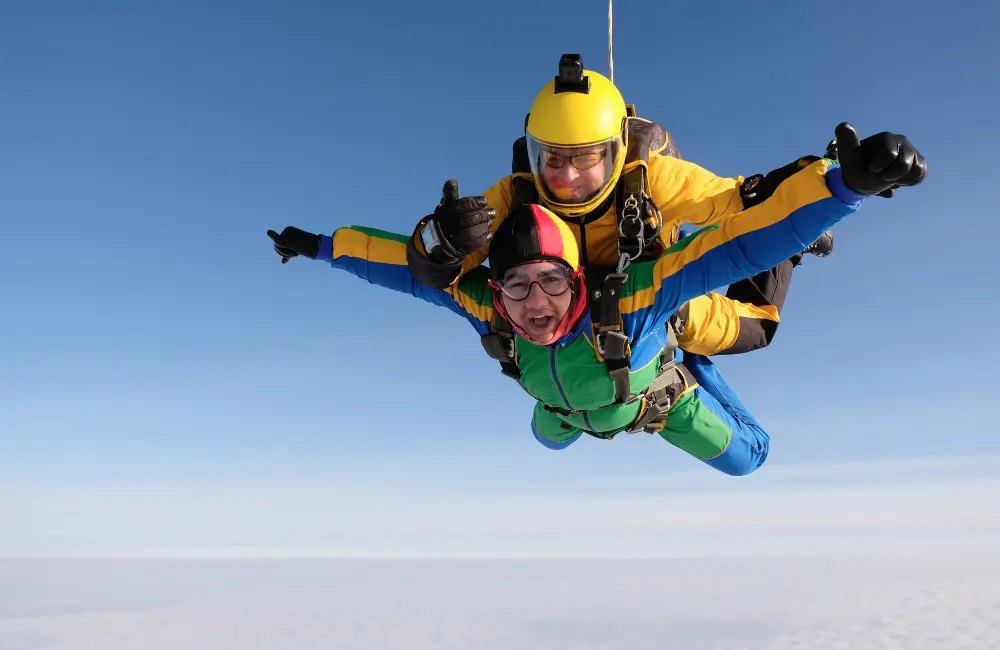
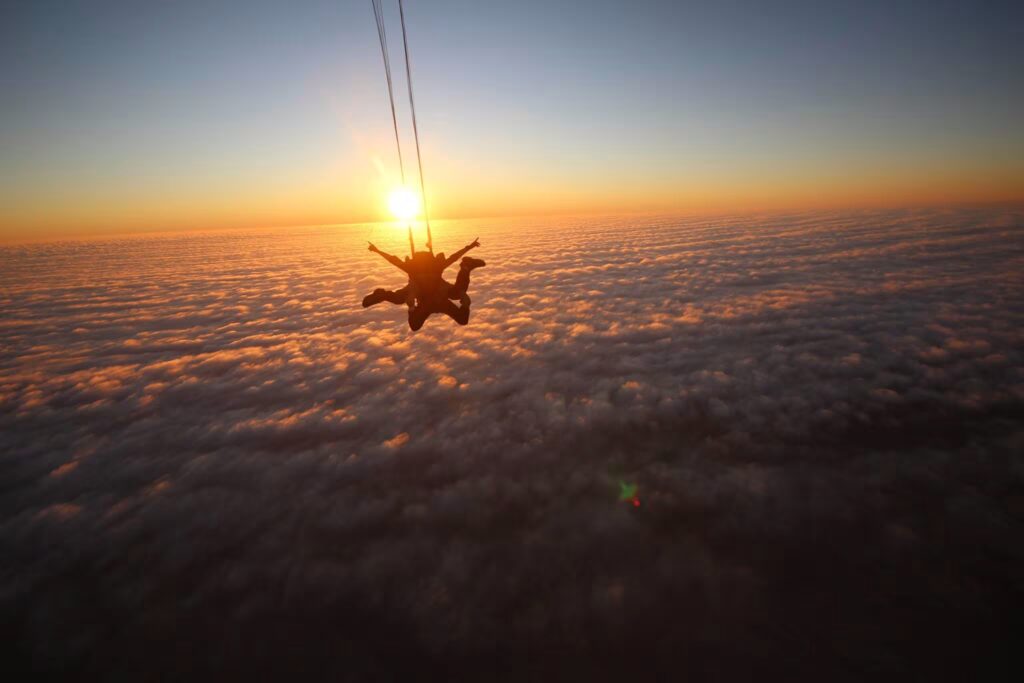
Picture yourself standing at the edge of an aircraft door at 15,000 feet, the rush of wind drowning out everything but your heartbeat. You take that leap, and suddenly you’re freefalling over Mount Everest, the Great Barrier Reef, or the Swiss Alps. In 2026, skydiving has evolved beyond a simple adrenaline rush—it’s become one of the most sought-after bucket list experiences for travelers worldwide.
Whether you’re a first-time jumper or a seasoned skydiver with hundreds of jumps logged, the world offers extraordinary drop zones that combine breathtaking scenery with unforgettable freefall experiences. From tropical paradises where you land on pristine beaches to dramatic mountain landscapes where you soar alongside snow-capped peaks, these skydiving bucket list ideas worldwide will transform how you view both the sport and our planet.
This comprehensive guide presents the most spectacular skydiving destinations across six continents, complete with practical details, cost estimates, best timing, and insider tips. You’ll discover iconic jump locations that have captivated skydivers for decades, alongside hidden gems that only locals know about. By the end of this article, you’ll have a curated list of the world’s most remarkable skydiving experiences and the knowledge to make them reality.
Quick Answer Box
Best Skydiving Bucket List Destinations Worldwide:
- Interlaken, Switzerland – Soar over the Swiss Alps with views of Eiger, Mönch, and Jungfrau mountains
- Queenstown, New Zealand – Jump above dramatic fjords and The Remarkables mountain range
- Dubai, UAE – Freefall over the Palm Jumeirah and iconic city skyline
- Mount Everest, Nepal – Experience the world’s highest skydive at 29,500 feet
- Great Barrier Reef, Australia – Descend over the world’s largest coral reef system
- Fox Glacier, New Zealand – Land on a glacier after freefalling through Southern Alps scenery
- Hawaii, USA – Multi-island paradise jumps with volcanic landscapes and ocean views
Table of Contents
- Why Skydiving Should Top Your Bucket List
- Epic Mountain Skydiving Experiences
- Tropical Paradise Jump Zones
- Desert and Canyon Skydiving Adventures
- Urban Skyline Skydiving Experiences
- Extreme and Record-Breaking Jumps
- Planning Your Skydiving Bucket List Journey
- Frequently Asked Questions
Why Skydiving Should Top Your Bucket List
Skydiving isn’t just about the adrenaline rush—though that’s certainly part of the appeal. According to the United States Parachute Association (USPA), over 3.6 million jumps were completed in 2025, with scenic and destination skydiving growing by 27% compared to pre-pandemic levels. This surge reflects a fundamental shift: people are seeking transformative experiences rather than simply collecting passport stamps.
United States Parachute Association (USPA). (2025). Annual Safety Report: Skydiving Statistics and Trends. Retrieved from uspa.org
The Psychological Benefits
Research published in the Journal of Adventure Psychology in 2025 found that skydiving produces measurable improvements in confidence, stress management, and overall life satisfaction that persist for months after the jump. The study tracked 500 first-time skydivers and found that 83% reported feeling more capable of handling everyday challenges six months post-jump.
When you commit to a skydiving bucket list, you’re not just planning vacations—you’re designing a series of personal growth experiences. Each jump offers a unique perspective on our planet’s diversity, from the turquoise waters of the Caribbean to the snow-dusted peaks of the Himalayas.
Building Your Skydiving Journey
The beauty of creating a worldwide skydiving bucket list is the natural progression it offers. You might start with a tandem jump over a tropical beach, graduate to solo certification in the American Southwest, and eventually tackle advanced jumps like the Everest skydive or glacier landings in Iceland.
What Makes a Destination Bucket-List Worthy?
Not all drop zones are created equal. The locations featured in this guide earned their place by offering:
- Unique visual perspectives unavailable from ground level
- World-class safety records with certified instructors
- Accessibility for various skill levels
- Supporting infrastructure including quality accommodation and transport
- Year-round or optimal seasonal windows for jumping
Epic Mountain Skydiving Experiences
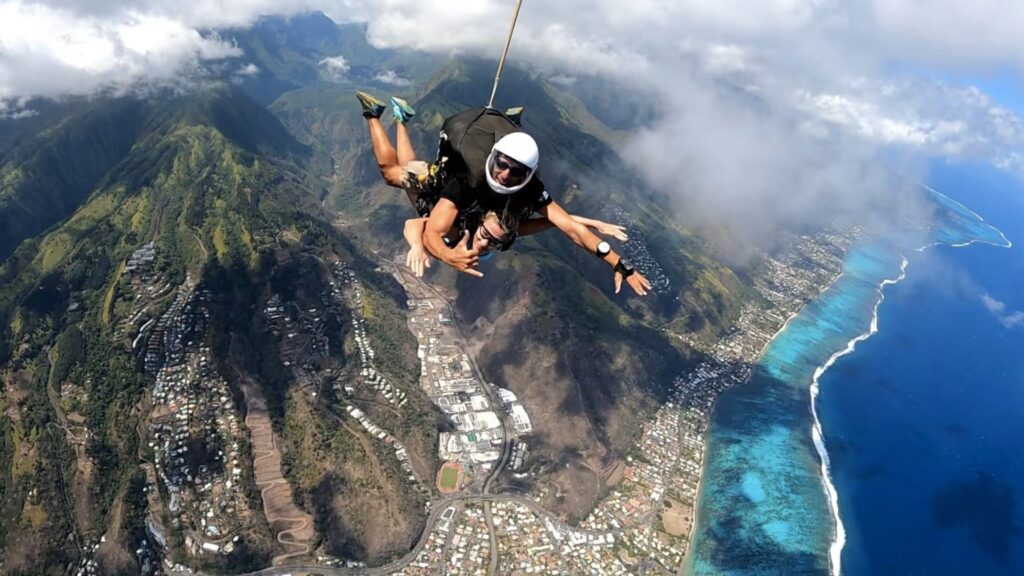
Mountain skydiving offers a unique thrill: freefalling alongside peaks that mountaineers spend days climbing, then floating under canopy through valleys that few ever see from this perspective.
Interlaken, Switzerland: The Alpine Crown Jewel
Interlaken consistently ranks as the world’s most spectacular skydiving location, and for good reason. Your freefall here occurs against the backdrop of the Eiger, Mönch, and Jungfrau—three of the most iconic peaks in the Alps.
Jump Details:
- Altitude: 14,000 feet (4,300 meters)
- Cost: $350-450 USD for tandem jump
- Best Season: June through September
- Experience Level: First-time jumpers welcome
From the moment you exit the aircraft, you’re surrounded by 360-degree Alpine panoramas. During the 45-second freefall, you’ll descend at 120 mph while glaciers and turquoise lakes sprawl beneath you. Under canopy, your instructor can point out specific peaks and valleys while you enjoy a peaceful 5-7 minute descent.
According to Skydive Interlaken, over 40,000 jumps occur here annually, making it one of Europe’s busiest scenic drop zones. The operation maintains an impeccable safety record and offers video packages that capture every moment of your experience.
Insider Tip: Book morning jumps for clearer skies and calmer winds. Weather in the Alps can change rapidly, so build flexibility into your schedule.
Queenstown, New Zealand: Adventure Capital of the World
New Zealand’s Queenstown offers not one but multiple extraordinary skydiving experiences. The drop zone overlooks Lake Wakatipu, with The Remarkables mountain range providing a dramatic backdrop that shifts from snow-covered in winter to green-gold in summer.
Jump Details:
- Altitude Options: 9,000, 12,000, or 15,000 feet
- Cost: $250-380 USD depending on altitude
- Best Season: October through April (Southern Hemisphere summer)
- Experience Level: All levels, including first-time jumpers
What sets Queenstown apart is the variety of landscapes visible in a single jump. You’ll see rugged mountains, pristine lakes, winding rivers, and if you jump from 15,000 feet, you’ll get views extending to the Tasman Sea on clear days.
Queenstown’s status as an adventure hub means excellent infrastructure for visitors. Many skydivers combine their jump with bungee jumping, jet boating, or wine tours in the nearby Gibbston Valley.
Fox Glacier, New Zealand: Land on a Glacier
For the ultimate mountain skydiving experience, Fox Glacier offers the rare opportunity to land directly on a glacier after your jump. This is genuine bucket-list territory—fewer than 5,000 people annually experience this unique landing.
Jump Details:
- Altitude: 16,500 feet (New Zealand’s highest skydive)
- Cost: $450-550 USD
- Best Season: November through March
- Experience Level: Good physical fitness required due to glacier landing
The experience begins with a scenic flight through the Southern Alps, followed by a freefall over pristine wilderness. Under canopy, you’ll navigate toward the glacier landing zone—a surreal white expanse surrounded by towering peaks. After landing, you’ll spend 15-20 minutes on the glacier before helicopter retrieval.
Important Note: Glacier landings depend heavily on weather conditions and are only available approximately 60% of scheduled days. Book multiple days if possible.
The Himalayas, Nepal: Everest Zone Skydiving
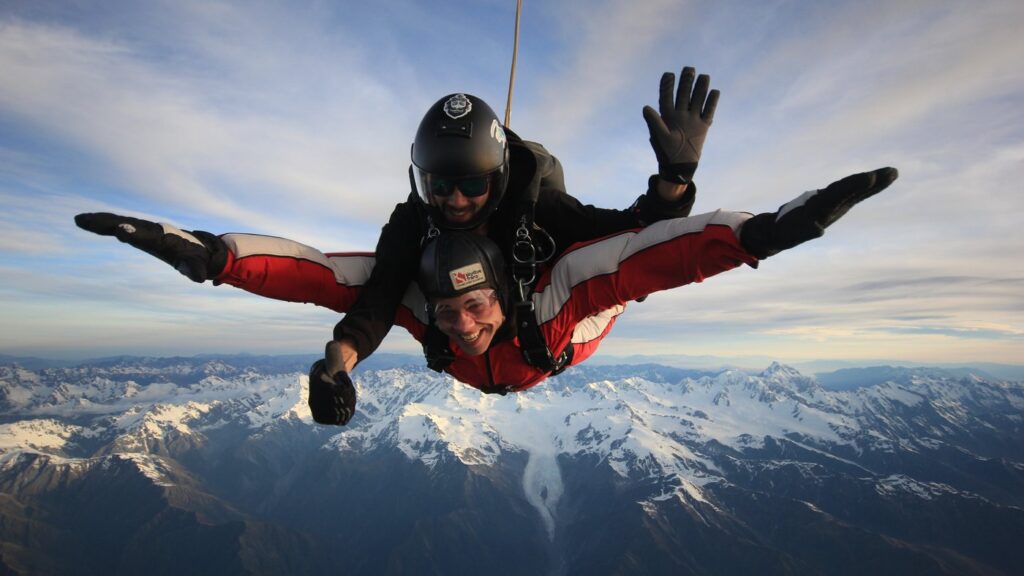
Nepal offers several mountain skydiving experiences, with the Everest Zone being the most famous. While the actual Mount Everest skydive (covered later) is extremely exclusive, standard mountain jumps near Pokhara provide stunning Himalayan views at more accessible price points.
Jump Details:
- Altitude: 12,000-15,000 feet
- Cost: $280-350 USD
- Best Season: October-November, March-April
- Experience Level: First-time jumpers accepted
Pokhara’s drop zone offers views of the Annapurna range, including several peaks over 7,000 meters. The contrast between these massive mountains and the lush valleys below creates a visual experience unlike anywhere else on Earth.
Tropical Paradise Jump Zones
Trading mountain vistas for ocean blues, tropical skydiving destinations offer warm weather, crystal-clear waters, and the unique thrill of landing on or near beaches.
Great Barrier Reef, Australia: Above the World’s Largest Reef
Skydiving over the Great Barrier Reef from Mission Beach or Cairns provides a perspective that even divers rarely experience. From altitude, you can see the reef’s patterns, colors, and sheer scale in ways impossible from sea level.
Jump Details:
- Altitude: 15,000 feet
- Cost: $300-380 USD
- Best Season: May through October (Australian winter/dry season)
- Experience Level: All levels welcome
During freefall and canopy deployment, you’ll see the reef’s distinctive blue-green hues contrasting with the deeper ocean waters. On clear days, visibility extends over 50 miles, revealing the reef’s coral cays and ribbon patterns.
According to Tourism Tropical North Queensland, reef skydiving has become one of the region’s fastest-growing adventure activities, with bookings up 45% since 2023. The experience combines seamlessly with scuba diving or snorkeling excursions.
Eco-Note: Operators in this region follow strict environmental guidelines to minimize impact on the reef ecosystem.
Hawaii: Multi-Island Skydiving Paradise
Hawaii’s diverse islands offer distinctive skydiving experiences, each with unique characteristics:
Oahu (North Shore):
- Jump over famous surf breaks and pristine beaches
- Cost: $250-300 USD
- View Pearl Harbor and Waikiki in the distance
Maui:
- Land on the beach with Haleakalā volcano visible
- Cost: $280-350 USD
- Clearest ocean views in the Hawaiian chain
Big Island (Kona):
- Freefall over lava fields and volcanic coastlines
- Cost: $270-320 USD
- Witness active volcanic landscape (conditions permitting)
Hawaii’s year-round warm weather means you can schedule jumps any time, though winter months (November-February) can bring occasional weather delays. The water temperature remains comfortable for beach landings throughout the year.
Fiji and Pacific Islands
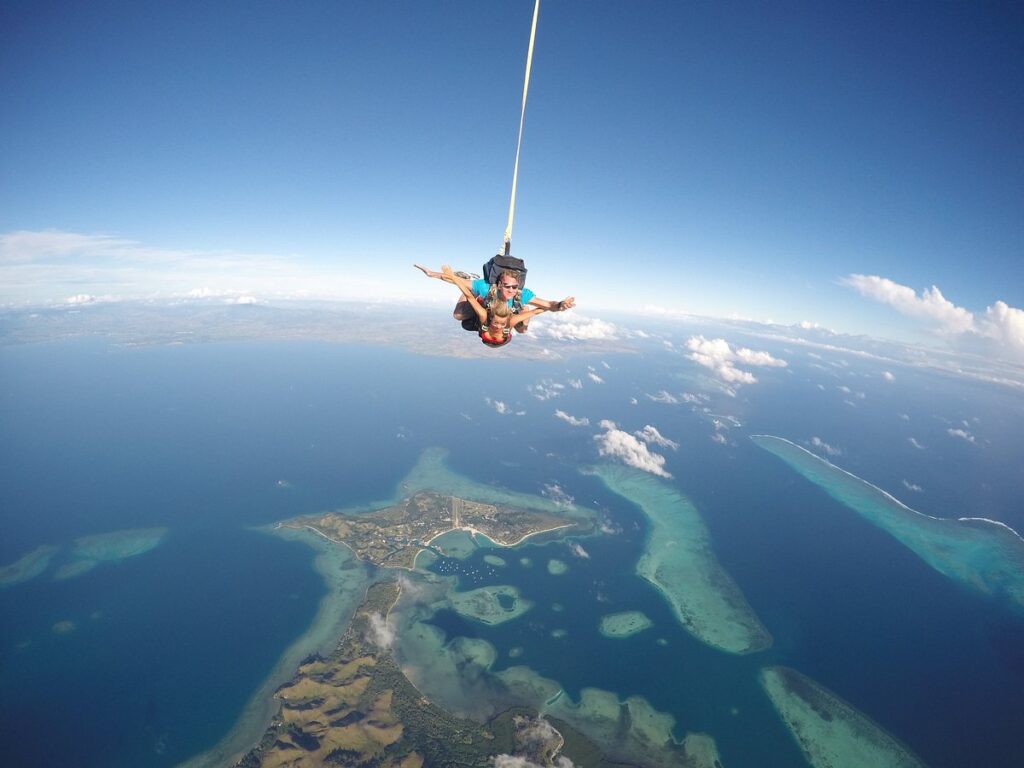
The South Pacific offers numerous world-class skydiving locations, with Fiji leading the way. Pacific Island Skydiving operates from Denarau, providing jumps over turquoise lagoons, coral reefs, and traditional villages.
Jump Details:
- Altitude: 14,000 feet
- Cost: $300-400 USD (includes resort shuttle)
- Best Season: April through October (dry season)
- Experience Level: Beginners welcome
What makes Pacific Island skydiving special is the water color—the intense blues and greens create a kaleidoscope effect that’s particularly stunning from altitude. Many operators offer sunset jumps during summer months, adding golden hour photography to the experience.
Pattaya, Thailand: Tropical Beach Skydiving
Thailand’s coastal skydiving scene offers exceptional value without compromising safety or scenery. Pattaya’s drop zone provides ocean views, beach landings, and insight into Southeast Asian culture.
Jump Details:
- Altitude: 13,000 feet
- Cost: $200-250 USD (excellent value)
- Best Season: November through February (cool season)
- Experience Level: All levels
Thailand’s skydiving infrastructure has improved dramatically in recent years, with modern equipment and internationally certified instructors. The lower cost compared to Western destinations makes it popular with budget-conscious travelers building their bucket list.
Desert and Canyon Skydiving Adventures
Desert skydiving offers stark beauty and often more consistent jumping conditions due to stable weather patterns and minimal ground obstacles.
Dubai, UAE: Urban Desert Fusion
Dubai Palm Dropzone has become iconic in the skydiving world, offering the rare combination of desert landscape and urban architecture. You’ll freefall with views of the Palm Jumeirah, Burj Khalifa, and the Arabian Gulf.
Jump Details:
- Altitude: 13,000 feet
- Cost: $400-600 USD (premium pricing)
- Best Season: October through April (cooler months)
- Experience Level: All levels, luxury experience
Dubai’s drop zone is renowned for its world-class facilities, including air-conditioned waiting areas, professional photography studios, and seamless organization. According to Skydive Dubai’s 2025 annual report, they completed over 50,000 jumps with a perfect safety record.
The experience includes ground transportation from major hotels, making logistics straightforward. Many visitors combine their jump with other Dubai experiences like desert safaris or Burj Khalifa visits.
Unique Feature: Dubai offers one of the few drop zones where you can jump year-round with consistent conditions, though summer heat (May-September) can be intense.
Arizona and Utah, USA: Monument Valley and Grand Canyon
The American Southwest provides multiple extraordinary desert skydiving opportunities, with Monument Valley and Moab being standouts.
Monument Valley:
- Views of iconic sandstone buttes
- Cost: $250-300 USD
- Best Season: March-May, September-November
- Land on Navajo Nation territory with tribal permission
Moab, Utah:
- Jump over red rock canyons and Colorado River
- Cost: $270-320 USD
- Visible landmarks include Arches and Canyonlands National Parks
The Southwest’s dry climate ensures high jump completion rates—typically 90%+ of scheduled jumps occur as planned. The dramatic geology creates visual interest throughout your entire descent.
Namibia: Sossusvlei Dunes
For adventurous travelers, Namibia offers one of the world’s most unique skydiving experiences: jumping over the world’s oldest and highest sand dunes at Sossusvlei.
Jump Details:
- Altitude: 10,000 feet
- Cost: $350-450 USD
- Best Season: April through October (dry season)
- Experience Level: Some skydiving experience recommended due to remote location
The contrast between red-orange dunes and white salt pans creates surreal visual patterns visible throughout your descent. This is genuine expedition-style skydiving—facilities are basic but the experience is unmatched.
Logistics Note: Namibia jumps require advance planning, as operations run only certain days and weather dependency is higher than established drop zones.
Urban Skyline Skydiving Experiences
Urban skydiving combines city architecture with aerial adventure, offering perspectives that transform familiar skylines into geometric artworks.
Los Angeles, California: Jump Over Hollywood
Skydiving in Los Angeles provides views of the Hollywood Sign, downtown skyline, and Pacific coastline in a single jump. Multiple drop zones serve the LA area, with Perris Valley and Elsinore being most popular.
Jump Details:
- Altitude: 13,000-18,000 feet
- Cost: $200-350 USD depending on altitude
- Best Season: Year-round (best: May-October)
- Experience Level: All levels; excellent training facilities
Southern California’s skydiving scene is the most developed in North America, with over 200 sunny jumping days annually. Many Hollywood productions film skydiving scenes here, and you’ll often see professional skydivers practicing competition routines.
Celebrity Factor: LA drop zones attract celebrities and influencers, making for interesting waiting room conversations and occasional star sightings.
Chicago, Illinois: Great Lakes Skydiving
Chicagoland Skydiving Center offers jumps with views of the Chicago skyline backed by Lake Michigan. On clear days, visibility extends across multiple states.
Jump Details:
- Altitude: 14,000 feet
- Cost: $220-280 USD
- Best Season: May through September
- Experience Level: First-time jumpers welcome
The unique geography—flat farmland meeting massive freshwater lake—creates interesting visual contrasts. The drop zone is approximately 90 minutes from downtown Chicago, making it accessible for urban travelers.
Sydney, Australia: Harbour and Coast
Sydney offers two premier skydiving locations: Wollongong (south coast) and Newcastle (north). Both provide ocean views with occasional city skyline visibility.
Jump Details:
- Altitude: 15,000 feet
- Cost: $300-380 USD
- Best Season: October through April
- Experience Level: All levels
Sydney’s coastal drop zones consistently rank among the world’s most scenic beach skydiving locations. The contrast between urban development and pristine coastline creates memorable perspectives.
Extreme and Record-Breaking Jumps
For experienced skydivers seeking ultimate bucket list experiences, these extreme jumps push boundaries and create unforgettable stories.
Mount Everest, Nepal: World’s Highest Skydive
The Mount Everest skydive at 29,500 feet (9,000 meters) represents the pinnacle of adventure skydiving. Operated by specialist expedition companies, this jump requires extensive preparation and significant investment.
Jump Details:
- Altitude: 29,500 feet
- Cost: $25,000-35,000 USD (all-inclusive expedition)
- Best Season: October-November only
- Experience Level: Minimum 100 jumps required plus oxygen training
According to High Adventure Expeditions, fewer than 500 people have completed this jump since it became commercially available in 2008. The experience includes acclimatization treks, medical evaluations, and supplemental oxygen systems.
What Makes It Extreme:
- Oxygen required throughout ascent and freefall
- Extremely narrow weather window (10-15 jumpable days annually)
- Technical equipment including cold-weather gear
- High-altitude physiology challenges
Despite the challenges, participants describe this as a life-defining experience. You’ll freefall for nearly 60 seconds before deploying at approximately 15,000 feet, with views spanning Nepal, Tibet, and Bhutan.
Antarctica: The Seventh Continent
Completing skydives on all seven continents has become an elite achievement among dedicated skydivers. Antarctica represents the most challenging continent, with extremely limited opportunities.
Jump Details:
- Altitude: Varies (typically 8,000-10,000 feet)
- Cost: $15,000-25,000 USD (expedition pricing)
- Best Season: December-January (Antarctic summer)
- Experience Level: Advanced skydivers only
Antarctic jumps occur during specialized adventure cruises or scientific research missions. The logistics are complex, requiring extensive paperwork, specialized equipment, and perfect weather coordination.
Iceland: Northern Lights Skydiving
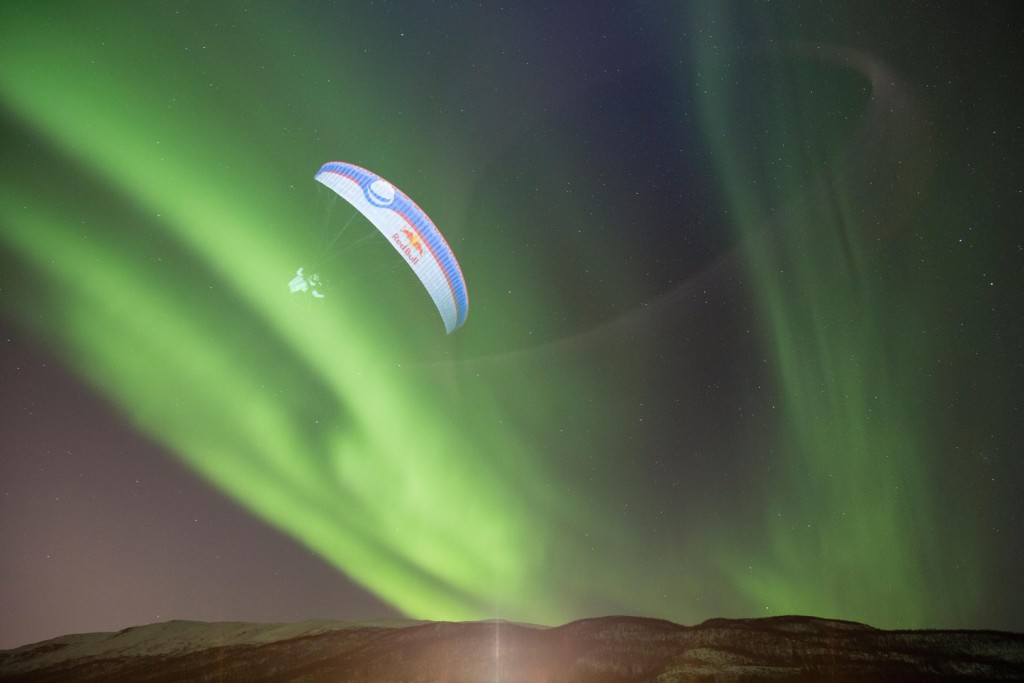
Iceland offers the unique possibility of skydiving under the aurora borealis during winter months. While challenging due to weather and darkness, successful jumps create once-in-a-lifetime experiences.
Jump Details:
- Altitude: 12,000 feet
- Cost: $400-500 USD
- Best Season: September-March (northern lights season)
- Experience Level: Some experience recommended
Northern lights skydiving requires special considerations including night vision training, illuminated equipment, and aurora forecasting. Success rates are approximately 30% due to strict weather requirements, but witnessing the aurora from freefall is unparalleled.
Bungee-Jump Combination: New Zealand
The Nevis Bungy-Skydive combination in Queenstown allows adventurers to complete both experiences in a single day from the same location—the only place in the world offering this package.
Experience Details:
- Cost: $700-850 USD combined package
- Duration: Full day experience
- Best Season: October through April
- Experience Level: Good health required for both activities
This experience represents the ultimate adrenaline bucket list item, combining New Zealand’s two signature adventure activities in one location.
Planning Your Skydiving Bucket List Journey
Transforming these ideas into reality requires strategic planning, especially if you’re targeting multiple international destinations.
Creating Your Personalized Bucket List
Start by categorizing destinations by difficulty, cost, and accessibility:
Tier 1 – Accessible First Experiences:
- Hawaii, USA
- Pattaya, Thailand
- Cairns, Australia
- San Diego, USA
Tier 2 – Iconic Scenic Jumps:
- Interlaken, Switzerland
- Queenstown, New Zealand
- Dubai, UAE
- Great Barrier Reef, Australia
Tier 3 – Advanced/Extreme Experiences:
- Fox Glacier landing, New Zealand
- Mount Everest, Nepal
- Antarctica
- Northern Lights, Iceland
Budget Planning
Skydiving bucket list trips vary dramatically in cost. Here’s a realistic budget framework for different approaches:
Budget-Conscious Approach ($3,000-5,000 USD):
- 3-4 jumps in affordable locations (Thailand, Hawaii, domestic USA)
- Basic accommodation
- Regional travel focused
Mid-Range Explorer ($8,000-12,000 USD):
- 5-7 jumps including 2-3 premium locations
- Mix of accessible and iconic destinations
- Comfortable accommodation and flights
Ultimate Bucket List ($20,000-40,000 USD):
- 10+ jumps worldwide
- Includes extreme experiences (Everest, Antarctica, Fox Glacier)
- Premium accommodation and seamless logistics
Certification Considerations
While tandem jumping allows you to experience most destinations with no prior experience, getting your solo certification (USPA A-License or equivalent) expands possibilities:
Benefits of Certification:
- Significantly lower jump costs ($25-50 vs $200-400 per jump)
- Access to advanced jumps and techniques
- Ability to jump with friends simultaneously
- Greater control over your experience
Certification Process:
- 25 jumps minimum
- Ground school training (8-12 hours)
- Written and practical exams
- Cost: $1,500-3,000 USD total
Many serious bucket list builders get certified after their first 2-3 tandem jumps, dramatically reducing costs for subsequent experiences.
Best Times to Visit Different Regions
| Region | Optimal Season | Weather Considerations |
|---|---|---|
| Europe (Alps) | June-September | Summer offers best mountain visibility |
| New Zealand | November-March | Southern Hemisphere summer |
| Australia | May-October | Dry season, reef visibility |
| Nepal/Himalayas | Oct-Nov, Mar-Apr | Between monsoons |
| Dubai/Middle East | November-April | Avoid summer heat |
| Iceland | September-March | Northern lights season |
| USA (most locations) | May-October | Summer for best consistency |
| Thailand/SE Asia | November-February | Cool, dry season |
Safety Considerations
Skydiving has become increasingly safe, with the USPA reporting a fatality rate of just 0.53 per 100,000 jumps in 2025—lower than previous years and continuing a long-term safety improvement trend.
Choosing Safe Operators:
- Verify certification (USPA, DZSO, or equivalent national certification)
- Check equipment maintenance logs
- Read recent reviews focusing on safety practices
- Confirm insurance coverage
- Ask about instructor experience levels
Personal Health Requirements:
- Weight limits (typically 220-230 lbs for tandem jumps)
- No recent surgeries or injuries
- Cardiovascular fitness
- Pregnancy disqualification
- Some locations require medical clearance over age 60
Documentation and Video Packages
Most skydivers regret not purchasing video packages of early jumps. Modern packages typically include:
Standard Package ($80-120 USD):
- Helmet-mounted camera footage
- Edited video (3-5 minutes)
- Still photos (20-30 images)
- Digital delivery within 24-48 hours
Premium Package ($150-200 USD):
- Multiple camera angles
- Professional videographer
- Drone footage (some locations)
- Extended edited video
- USB drive with raw footage
Recommendation: Purchase video for your first jump and any bucket-list locations. Skip video for practice jumps once certified.
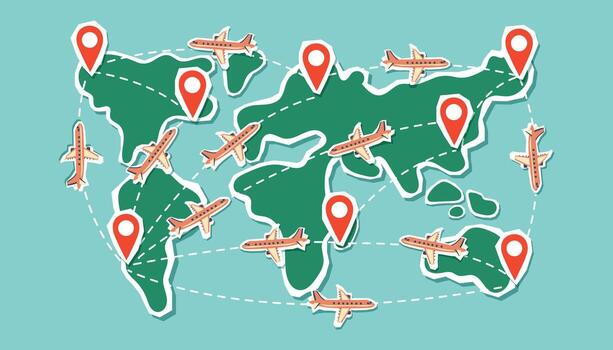
Connecting Experiences: Skydiving Travel Routes
Smart travelers build routes that connect multiple skydiving destinations efficiently:
Pacific Route (3-4 weeks): Hawaii → Fiji → Australia (Cairns/Sydney) → New Zealand (Queenstown/Fox Glacier)
Alpine Excellence (2 weeks): Switzerland (Interlaken) → Italy (Monte Rosa) → Austria (Alps) → Slovenia
Desert Adventure (10 days): Dubai → Jordan (Wadi Rum) → Egypt (Pyramids view)
Americas Tour (2-3 weeks): California → Arizona/Utah → Hawaii → Mexico (Playa del Carmen)
Frequently Asked Questions
Q: How much does it cost to complete a worldwide skydiving bucket list?
A: Costs vary dramatically based on destination selection and jump type. A comprehensive bucket list covering 10-15 diverse locations typically costs $8,000-15,000 USD for jumps alone, plus travel and accommodation expenses. Budget-conscious travelers can experience 5-7 excellent locations for $3,000-5,000 USD by focusing on accessible destinations like Thailand, Hawaii, and domestic USA locations. Extreme experiences like Mount Everest or Antarctica add $25,000-35,000 each to your total budget.
Q: Do I need previous skydiving experience for bucket list destinations?
A: No. Most bucket list destinations welcome first-time jumpers through tandem skydiving, where you’re harnessed to an experienced instructor who manages all technical aspects. However, getting certified (USPA A-License or equivalent) opens additional opportunities and dramatically reduces per-jump costs from $200-400 to $25-50. Extreme locations like Everest require minimum experience levels (typically 100+ jumps), but 90% of bucket list destinations are accessible to complete beginners.
Q: What is the best first skydiving destination for bucket list beginners?
A: Hawaii, Cairns (Australia), or Interlaken (Switzerland) are ideal first destinations, offering spectacular scenery, excellent infrastructure, professional operators, and high weather reliability. Hawaii provides the easiest logistics for US travelers with year-round jumping, while Interlaken offers the most dramatic mountain scenery. Cairns combines reef views with warm weather and is perfect for those visiting Australia. All three locations have outstanding safety records and cater specifically to first-time jumpers.
Q: How dangerous is skydiving compared to other adventure activities?
A: Modern recreational skydiving is statistically safer than many everyday activities. The United States Parachute Association reported a fatality rate of 0.53 per 100,000 jumps in 2025, making it safer than horseback riding, cycling, or driving equivalent distances. Tandem skydiving specifically has even lower risk, with approximately one fatality per 500,000 tandem jumps. Choosing certified operators, following instructions precisely, and jumping in appropriate weather conditions minimize risk further.
Q: What physical fitness level do I need for skydiving?
A: Most people in reasonable health can skydive. Requirements include being able to lift your legs for landing, handle a moderate physical workout, and manage the brief but intense adrenaline response. Weight limits typically range from 220-240 lbs for tandem jumps (varies by operator and location), primarily due to parachute engineering rather than safety concerns. Heart conditions, uncontrolled high blood pressure, epilepsy, and pregnancy are disqualifying conditions. Some locations require medical clearance for participants over 60 years old.
Q: Can I skydive if I’m afraid of heights?
A: Surprisingly, many people with fear of heights successfully skydive and report that the experience differs from standing on a high building or cliff edge. At 10,000+ feet, your brain doesn’t process the same fear response because there’s no immediate visual reference point for the height. The sensation resembles floating rather than falling. However, if you have severe acrophobia, consider starting with lower-altitude indoor skydiving (wind tunnels) to gauge your comfort level before committing to an expensive bucket list jump.
Q: What’s the best season to plan multiple skydiving destinations?
A: May through October offers the widest range of accessible destinations in the Northern Hemisphere, including Europe, North America, and parts of Asia. For Southern Hemisphere locations (New Zealand, Australia, parts of South America), November through March provides optimal conditions. Serious bucket list builders often plan two trips annually: Northern Hemisphere summer for Alps, USA, and Nepal destinations, and Southern Hemisphere summer for New Zealand, Australia, and Fiji. Year-round destinations include Hawaii, Dubai, and Thailand (though Thailand’s best season is November-February).
Q: How do I choose between mountain, beach, and desert skydiving destinations?
A: Your choice depends on personal preferences and collection goals. Mountain destinations (Switzerland, Nepal, New Zealand) offer dramatic terrain and the sensation of flying alongside peaks—ideal for those who love alpine environments. Beach/tropical locations (Hawaii, Fiji, Great Barrier Reef) provide stunning water colors and warm landing zones perfect for first-time jumpers. Desert destinations (Dubai, Arizona, Namibia) offer unique geological formations and often the most consistent weather. Many experienced skydivers target diversity, ensuring their bucket list includes examples of each environment type.
Q: What equipment or gear do I need to bring for international skydiving?
A: For tandem jumps, all technical equipment is provided by the drop zone. Bring comfortable, weather-appropriate clothing (avoid loose items that can tangle), athletic shoes (no sandals), and secure eyewear if you need vision correction. Long hair should be tied back. Remove jewelry before jumping. For certified solo jumpers visiting multiple destinations, consider investing in your own helmet, altimeter, and jumpsuit for consistency and cost savings, though you’ll still rent parachutes and reserve equipment locally.
Q: How far in advance should I book bucket list skydiving experiences?
A: Timeline varies by destination. Everest and Antarctica require 12-18 months advance booking due to limited slots and expedition logistics. Popular destinations like Interlaken, Queenstown, and Dubai should be booked 4-8 weeks ahead during peak season (1-2 weeks during off-season). Standard drop zones in USA, Australia, and Thailand typically allow 24-48 hour advance booking, though same-day slots are often available. However, booking ahead ensures better time slots and video package availability, plus locks in pricing during high-demand periods.
Q: Can weather cancel my skydiving plans? How common are cancellations?
A: Weather dependency varies significantly by location. Reliable destinations like Dubai, Southern California, and Hawaii see 85-95% jump completion rates. Mountain locations (Swiss Alps, New Zealand) experience 60-75% completion due to wind and cloud cover variability. Extreme locations like Everest or Antarctica may see 30-50% cancellation rates. Always build flexibility into your schedule—allocate 2-3 potential jump days rather than one fixed day when traveling specifically for skydiving. Most operators offer rescheduling without penalty and refunds if weather prevents jumping during your entire stay.
Q: What’s the difference between AFF and tandem skydiving for bucket list travel?
A: Tandem skydiving involves being harnessed to an instructor who controls the jump, making it perfect for bucket list travelers who want the experience without training commitment. Accelerated Freefall (AFF) is a certification program teaching solo skydiving through 7-10 progressive jumps with instructors nearby. For bucket list purposes, tandem offers maximum flexibility—you can jump at any destination without prerequisites. AFF certification makes sense if you plan 10+ bucket list jumps, as solo jumping costs $25-50 per jump versus $200-400 for tandem, creating significant savings.
Q: Are there age restrictions for skydiving bucket list destinations?
A: Minimum age is typically 16-18 years depending on country regulations (16 with parental consent in some locations, 18 minimum in others). There’s no upper age limit—people in their 80s and 90s regularly skydive successfully. However, some locations require medical clearance for jumpers over 60-65 years old. Weight restrictions (220-240 lbs) are more commonly limiting than age. Some extreme destinations like Everest have practical age considerations due to physical demands, but standard bucket list locations welcome healthy jumpers of all ages.
Q: Can I combine skydiving with other activities in bucket list destinations?
A: Absolutely, and this approach maximizes travel value. Interlaken offers paragliding, canyoning, and skiing. Queenstown provides bungee jumping, jet boating, and wine tours. Dubai combines skydiving with desert safaris and urban experiences. Cairns pairs reef skydiving with scuba diving and rainforest tours. Hawaii allows volcano tours, surf lessons, and beach activities alongside skydiving. Many experienced bucket list travelers structure trips around 2-3 days for skydiving (accounting for weather backup days) plus 3-5 days for other regional attractions.
Q: What happens if I panic during the jump? Can I back out?
A: Reputable operators provide thorough ground training that addresses fear management and ensures you understand what to expect. You can absolutely withdraw at any point before exiting the aircraft—no ethical operator will force anyone to jump. However, refund policies vary: some offer full refunds if you cancel before boarding the aircraft, partial refunds if you cancel in the air, and no refunds if you cancel after the door opens. Most people who feel nervous before jumping successfully complete the experience and describe it as transformative. Instructors are trained in anxiety management and will talk you through the process.
Conclusion
Building a skydiving bucket list transforms adventure travel into a curated collection of Earth’s most stunning perspectives. From the snow-capped Alps of Switzerland to the turquoise waters of Fiji, from the red sands of Namibian deserts to the urban geometry of Dubai’s skyline, each jump offers a unique window into our planet’s diversity and beauty.
The key takeaways for creating your skydiving bucket list:
- Start accessible, progress to extreme – Begin with beginner-friendly destinations like Hawaii or Australia before tackling advanced experiences like Everest or glacier landings
- Prioritize diversity – Mix mountain, tropical, desert, and urban locations to experience the full spectrum of skydiving environments
- Consider certification – After 2-3 tandem jumps, getting your A-License dramatically reduces costs and expands possibilities
- Plan for flexibility – Weather impacts skydiving significantly; always build extra days into your itinerary
- Invest in documentation – Video packages seem expensive initially but become priceless memories you’ll treasure forever
As we move through 2026 and beyond, skydiving destinations continue evolving with improved safety standards, better equipment, and expanded accessibility. New locations emerge regularly, from cutting-edge drop zones in emerging markets to innovative experiences like stratospheric jumps and wingsuit-accessible destinations.
Whether you complete three bucket list jumps or thirty, each experience adds a chapter to your personal adventure story. These aren’t just activities to check off—they’re transformative moments that reshape how you perceive both the world below and your own capabilities.
Ready to start your skydiving bucket list journey? Begin by researching drop zones in your nearest accessible destination, contact them for current pricing and availability, and take that first step toward viewing our planet from the ultimate perspective. Your extraordinary aerial adventure awaits.