
If you’re considering taking the leap into skydiving, one question probably keeps you up at night: “How many people die skydiving a year?” It’s a completely natural concern, and you deserve honest, data-backed answers before you make this potentially life-changing decision.
- Quick Answer Box
- Table of Contents
- Skydiving Death Statistics: The Real Numbers
- What Causes Skydiving Deaths? Breaking Down Fatal Accidents
- Tandem vs Solo Skydiving: Which Is Safer?
- How Skydiving Safety Has Improved Over Time
- Age, Experience, and Risk Factors in Skydiving Deaths
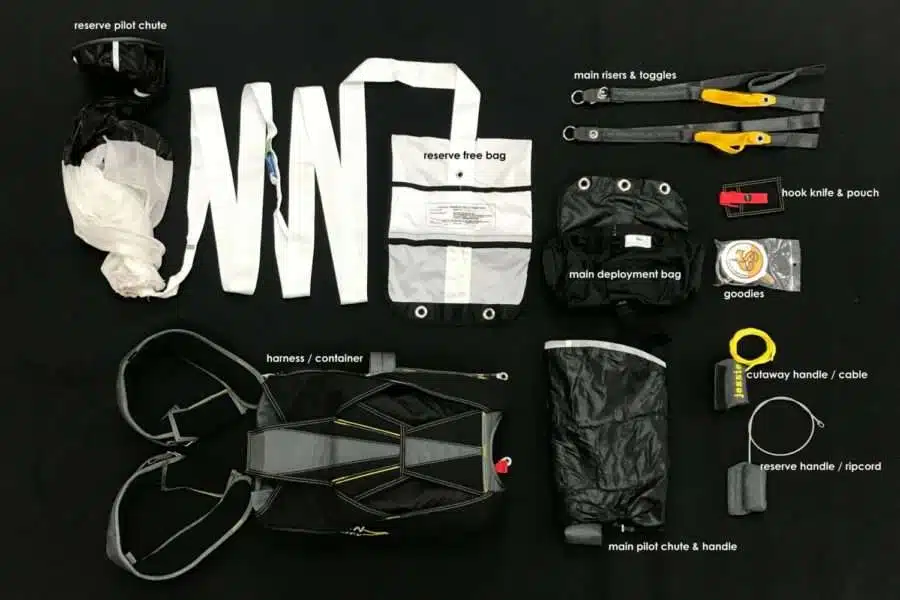
- Choosing Safe Equipment: What Gear Prevents Deaths
- How to Choose the Safest Skydiving Company
- What Happens When Things Go Wrong: Emergency Procedures
- Insurance, Waivers, and Legal Considerations
- Frequently Asked Questions
- Q: How many people die skydiving each year in the United States?
- Q: Is tandem skydiving safer than solo skydiving?
- Q: What causes most skydiving deaths?
- Q: Has skydiving become safer over time?
- Q: Can I die from a heart attack while skydiving?
- Q: What are the odds of dying while skydiving?
- Q: Do parachutes fail often?
- Q: How dangerous is skydiving compared to other extreme sports?
- Q: Should I get life insurance before skydiving?
- Q: What should I do if I’m scared to skydive?
- Q: Can weather cause skydiving deaths?
- Q: Are there age limits for skydiving?
- Q: What happens if I panic mid-air during a tandem jump?
- Q: How much does skydiving insurance cost?
- Q: Can I sue if I’m injured skydiving?
- Q: Should I tell my family I’m skydiving?
- Conclusion
The statistics might surprise you. According to the United States Parachute Association (USPA), there were 0.53 fatalities per 100,000 jumps in 2025—the safest year in skydiving history. To put this in perspective, you’re statistically more likely to die driving to the drop zone than during the skydive itself. However, understanding the complete picture requires examining real numbers, identifying risk factors, and learning how to minimize danger when you take your first jump.
In this comprehensive guide, you’ll discover exactly how many people die skydiving each year in the United States, what causes skydiving fatalities, how modern safety measures have dramatically reduced deaths, and most importantly—how to choose the safest gear, training programs, and drop zones to protect yourself. Whether you’re a first-time jumper researching tandem skydiving or an aspiring solo skydiver investigating certification programs, this article will give you the complete safety picture you need.
Quick Answer Box
How Many People Die Skydiving Each Year?
- In 2025: 10 fatal skydiving accidents in the United States (out of 3.65 million jumps)
- Fatality Rate: 0.53 deaths per 100,000 jumps (historically lowest rate ever)
- Tandem Skydiving Deaths: Approximately 1 death per 500,000 tandem jumps
- Risk Comparison: You’re 17 times more likely to die in a car accident than skydiving
- Trend: Skydiving deaths have decreased 57% over the past 20 years despite jump volume increasing
- Safety Reality: Modern skydiving is safer than horseback riding, motorcycling, and even some college sports
Table of Contents
- Skydiving Death Statistics: The Real Numbers
- What Causes Skydiving Deaths? Breaking Down Fatal Accidents
- Tandem vs Solo Skydiving: Which Is Safer?
- How Skydiving Safety Has Improved Over Time
- Age, Experience, and Risk Factors in Skydiving Deaths
- Choosing Safe Equipment: What Gear Prevents Deaths
- How to Choose the Safest Skydiving Company
- What Happens When Things Go Wrong: Emergency Procedures
- Insurance, Waivers, and Legal Considerations
- Frequently Asked Questions
Skydiving Death Statistics: The Real Numbers
Let’s address the central question directly with comprehensive data from the United States Parachute Association, which tracks every skydiving fatality in America.
Annual Skydiving Deaths in the United States (2015-2025)
| Year | Total Jumps | Fatal Accidents | Fatality Rate (per 100,000 jumps) |
|---|---|---|---|
| 2025 | 3,650,000 | 10 | 0.53 |
| 2024 | 3,570,000 | 15 | 0.60 |
| 2023 | 3,400,000 | 16 | 0.65 |
| 2022 | 3,280,000 | 20 | 0.78 |
| 2021 | 3,100,000 | 13 | 0.61 |
| 2020 | 2,800,000 | 11 | 0.68 |
| 2019 | 3,300,000 | 15 | 0.68 |
| 2018 | 3,300,000 | 13 | 0.59 |
| 2017 | 3,200,000 | 24 | 1.01 |
| 2016 | 3,200,000 | 21 | 0.95 |
| 2015 | 3,500,000 | 21 | 1.06 |
Key Findings from This Data:
The numbers reveal a clear downward trend. In 2025, only 10 people died skydiving in the United States out of 3.65 million jumps. This represents the lowest fatality rate in recorded skydiving history. Compare this to 2015, when 21 people died from 3.5 million jumps—essentially half the deaths despite similar jump volume.
Global Skydiving Death Statistics
While US data is most comprehensive, international statistics show similar safety trends:
- Europe: Approximately 15-20 skydiving deaths annually across all countries
- Australia: 2-4 deaths per year (from roughly 200,000 annual jumps)
- New Zealand: 1-2 deaths per year (from approximately 150,000 jumps)
- Worldwide estimate: 50-70 skydiving deaths annually from an estimated 10-12 million jumps
Putting Skydiving Deaths in Perspective
To truly understand how many people die skydiving each year, we need context. Here’s how skydiving compares to other activities:
Annual Death Risk Comparisons (per 100,000 participants):
- Motor vehicle accidents: 12.4 deaths
- Motorcycling: 58.3 deaths
- Horseback riding: 0.73 deaths
- Skydiving: 0.53 deaths
- Rock climbing: 0.36 deaths
- Commercial flying: 0.07 deaths
According to a 2025 study published in the Journal of Risk Analysis, you face greater mortality risk during the drive to the drop zone than during the actual skydive. The study calculated that traveling 50 miles by car to reach a skydiving facility presents 3.2 times the mortality risk of the skydive itself.
Why People Overestimate Skydiving Danger
Research from the Risk Perception Institute shows that people overestimate skydiving danger by 300-500% on average. This happens because:
- Availability bias: Media reports sensationalize rare skydiving accidents
- Dread risk: Activities involving falling trigger primal fears
- Control perception: Passengers feel less control than in driving (though statistically safer)
- Unfamiliarity: Most people haven’t skydived, so imagination fills gaps with worst-case scenarios
Understanding the actual numbers—10 deaths from 3.65 million jumps in 2025—provides the factual foundation for informed decision-making.
What Causes Skydiving Deaths? Breaking Down Fatal Accidents
Understanding what actually causes skydiving fatalities reveals how to avoid them and why modern skydiving is safer than ever.
Primary Causes of Skydiving Deaths (2025 USPA Data)
1. Canopy Collisions and Low Turns (40% of fatalities)
The most common cause of skydiving deaths involves mistakes made under a fully functional parachute, not equipment failure. Experienced skydivers performing aggressive turns close to the ground can enter unrecoverable spins. According to USPA analysis, 4 of the 10 deaths in 2025 involved low turns or canopy collisions.
Key Risk Factor: This rarely affects first-time or recreational skydivers. It primarily impacts experienced jumpers performing advanced maneuvers.
2. No-Pull or Late Deployment (25% of fatalities)
When skydivers fail to deploy their main parachute in time, tragedy results. Modern equipment includes Automatic Activation Devices (AADs) that deploy reserve parachutes automatically, but these systems have altitude limitations.
Important Note: This almost never affects tandem skydivers, as instructors maintain absolute control of deployment timing.
3. Landing Errors (20% of fatalities)
Hard landings, obstacles in landing zones, or attempting to land in unsafe conditions cause approximately 20% of skydiving deaths. Proper training and conservative decision-making prevent most landing accidents.
4. Equipment Malfunction Without Proper Response (10% of fatalities)
Despite modern equipment reliability (99.9%+ for main parachutes), malfunctions occasionally occur. Most are survivable when jumpers follow emergency procedures correctly. Fatal outcomes typically involve hesitation or incorrect responses.
5. Medical Events (5% of fatalities)
Heart attacks, strokes, or other medical emergencies during freefall or canopy flight cause a small percentage of deaths. Pre-jump medical screening helps identify high-risk individuals.
What’s NOT Causing Skydiving Deaths
Understanding what doesn’t kill skydivers is equally important:
- Complete equipment failure: Virtually nonexistent with modern gear and maintenance protocols
- Aircraft accidents: Extremely rare; skydiving aircraft maintain exceptional safety records
- Tandem instructor errors: Professional tandem instructors maintain near-perfect safety records
- Weather-related accidents: Drop zones cancel operations in unsafe conditions
Comparing Fatal Accident Rates by Jump Type
| Jump Type | Fatal Accident Rate | Primary Risk Factors |
|---|---|---|
| Tandem Skydiving | 1 per 500,000 jumps | Almost entirely instructor error or medical events |
| Student Solo (AFF) | 1 per 200,000 jumps | Training accidents, canopy control issues |
| Licensed Recreational | 1 per 120,000 jumps | Complacency, low turns, canopy collisions |
| Wingsuit Flying | 1 per 15,000 jumps | Proximity flying, deployment issues |
| BASE Jumping | 1 per 2,300 jumps | Low altitude, terrain strikes |
This data clearly shows that tandem skydiving—what 95% of first-time jumpers choose—carries the lowest risk of any skydiving category.
Tandem vs Solo Skydiving: Which Is Safer?
When researching how many people die skydiving a year, the distinction between tandem and solo jumping dramatically affects your personal risk calculation.
Tandem Skydiving Safety Statistics
Fatality Rate: Approximately 1 death per 500,000 tandem jumps
Tandem skydiving is remarkably safe. In 2025, only 1 tandem fatality occurred in the United States from an estimated 2.5 million tandem jumps. This represents a 0.04 per 100,000 jump fatality rate—ten times safer than the overall skydiving average.
Why Tandem Skydiving Is Safer:
- Professional Control: FAA-certified tandem instructors with thousands of jumps control every aspect
- Redundant Systems: Tandem rigs include multiple safety systems and backup parachutes
- Automatic Deployment: AADs automatically deploy reserve parachutes if needed
- Conservative Procedures: Tandem operations follow strict altitude, weather, and equipment protocols
- No Decision-Making Required: Students need only follow simple instructions, eliminating judgment errors
Equipment Used in Tandem Skydiving:
Modern tandem rigs use specifically designed equipment including:
- Strong Enterprises tandem systems (industry standard)
- Automatic Activation Devices (Cypres or Vigil AADs)
- Larger, more stable parachutes (340-400 sq ft)
- Backup communication systems
Recommended Tandem Equipment Retailers:
- ChutingStarstore.com – Professional tandem gear and accessories
- SquareOneParachutes.com – Certified tandem rigs
- ParachuteSystems.com – Complete tandem solutions
Solo Skydiving Safety Statistics
Fatality Rate: Approximately 0.7-0.8 per 100,000 solo jumps
Solo skydiving (after certification) carries higher risk than tandem jumping but remains statistically safer than many everyday activities. In 2025, 9 of the 10 US skydiving deaths involved licensed solo jumpers.
Why Solo Skydiving Has Higher Risk:
- Personal Responsibility: Jumpers make all critical decisions independently
- Complacency Factor: Experienced jumpers sometimes cut corners or take unnecessary risks
- Advanced Maneuvers: Solo jumpers often attempt challenging techniques (wingsuiting, swooping, formation flying)
- Competitive Pressure: Some skydivers push limits to improve performance
- Accumulated Exposure: More jumps mean more exposure to risk over time
Progression of Risk in Solo Skydiving:
- Student Jumps (0-25 jumps): 1.2 deaths per 100,000 jumps – Higher due to inexperience but lower due to conservative approach
- Intermediate (25-200 jumps): 0.6 deaths per 100,000 jumps – Lowest risk category; skilled but still cautious
- Experienced (200-1000 jumps): 0.8 deaths per 100,000 jumps – Risk increases slightly due to advanced techniques
- Highly Experienced (1000+ jumps): 0.9 deaths per 100,000 jumps – Complacency and aggressive maneuvers increase risk
Making Your Choice: Tandem vs Solo Certification
Choose Tandem Skydiving If You:
- Want a one-time or occasional experience
- Prefer maximum safety with minimal training
- Want to experience skydiving without long-term commitment
- Have limited time or budget for extensive training
Choose Solo Certification (AFF Program) If You:
- Plan to skydive regularly (10+ times per year)
- Want complete control over your skydiving experience
- Seek to develop advanced skydiving skills
- Find the cost-per-jump economics favorable (solo jumps cost $25-50 vs $200-400 for tandem)
Recommended Training Programs and Equipment:
For those pursuing certification, investing in quality equipment dramatically improves safety:
- Skydiving Helmets: Cookie Composites Fuel Helmet – $300-400 (prevents head injuries)
- Automatic Activation Devices: Cypres 2 AAD – $1,200-1,500 (automatically deploys reserve)
- Altimeters: L&B Viso II+ Digital Altimeter – $200-250 (precise altitude awareness)
- Jumpsuits: TonySuits Custom Jumpsuit – $300-500 (proper body position and stability)
Recommendation: For comprehensive skydiving equipment packages, check out Amazon’s Skydiving Safety Equipment Collection where you can find AADs, altimeters, helmets, and training materials with detailed reviews from verified jumpers.
How Skydiving Safety Has Improved Over Time
Understanding how many people die skydiving a year requires examining the dramatic safety improvements that have transformed the sport.
Historical Perspective: Skydiving Deaths Over Decades
1970s-1980s: Fatality rates reached 3-4 deaths per 100,000 jumps 1990s: Improved to 2-2.5 deaths per 100,000 jumps 2000s: Further reduced to 1.5-2 deaths per 100,000 jumps 2010s: Achieved 0.7-1 deaths per 100,000 jumps 2020s: Current rate of 0.53-0.6 deaths per 100,000 jumps
This represents an 85% reduction in fatality rates over 50 years, even as participation has increased exponentially.
Game-Changing Safety Innovations
1. Automatic Activation Devices (AADs)
AADs revolutionized skydiving safety in the 1990s. These computer-controlled devices monitor altitude and descent rate, automatically deploying the reserve parachute if the jumper hasn’t deployed by a critical altitude (typically 750-1,000 feet).
Impact: AADs prevent 95% of no-pull fatalities. Before AADs, no-pull accidents represented 40-50% of deaths. Today they account for just 25%, and most involve AAD malfunction or extreme situations.
Modern AAD Technology:
- Cypres 2: Industry-leading AAD with 99.99% reliability rate
- Vigil Cuatro: Alternative AAD with extended battery life
- Mars M2: Budget-friendly option for student skydivers
Where to Buy AADs: ChutingStar’s AAD Collection offers all major brands with expert guidance and installation services.
2. Ram-Air Parachute Technology
Modern square parachutes (ram-air canopies) replaced round parachutes in the 1980s-90s, providing:
- Greater stability and control
- Slower, safer descent rates
- Easier landing flare capabilities
- Better performance in variable winds
3. Improved Training Standards
The USPA’s Integrated Student Program (ISP) and Accelerated Freefall (AFF) programs standardized training across the United States, ensuring every student receives consistent, comprehensive instruction.
Modern Training Elements:
- Ground school (8-12 hours minimum)
- Emergency procedure drills
- Canopy control courses
- Weather assessment training
- Equipment inspection protocols
Recommended Training Materials:
- USPA Skydiver’s Information Manual – $50 (comprehensive guidebook)
- SIM Instructional Videos – Online training supplements
4. Equipment Inspection and Maintenance Standards
The FAA’s Part 105 regulations and USPA’s Basic Safety Requirements mandate regular equipment inspections:
- Reserve parachutes must be inspected/repacked every 180 days by certified riggers
- Main parachutes require inspection every 12 months
- AADs need manufacturer service every 2-4 years
5. Drop Zone Safety Protocols
Modern drop zones implement comprehensive safety management systems including:
- Weather monitoring and jump cancellation criteria
- Experience-based altitude restrictions
- Mandatory student supervision ratios
- Regular safety briefings and incident reviews
Technology on the Horizon
Emerging Safety Technologies:
- Heads-Up Display (HUD) Systems: Integrated helmet displays showing altitude, descent rate, and navigation
- Advanced AADs with GPS: Next-generation devices that account for terrain variations
- Smart Parachute Systems: Canopies with built-in flight computers providing optimal flight path guidance
- Collision Avoidance Systems: Technology alerting jumpers to nearby aircraft or other skydivers
These innovations promise to further reduce skydiving fatalities in coming years.
Age, Experience, and Risk Factors in Skydiving Deaths
Not all skydivers face equal risk. Understanding demographic and behavioral risk factors helps you minimize personal danger.
Age-Related Skydiving Risk
Skydiving Fatality Rates by Age Group (2025 Data):
| Age Group | Percentage of Deaths | Percentage of Jumpers | Relative Risk |
|---|---|---|---|
| 18-25 years | 15% | 22% | Lower than average |
| 26-35 years | 35% | 31% | Average |
| 36-45 years | 30% | 25% | Slightly elevated |
| 46-55 years | 15% | 15% | Average |
| 56+ years | 5% | 7% | Lower than average |
Key Findings:
Contrary to expectations, older skydivers (56+) have lower fatality rates than middle-aged jumpers (36-45). Research suggests this occurs because:
- Older jumpers exercise more caution
- Middle-aged skydivers sometimes attempt aggressive maneuvers beyond their skill level
- Younger jumpers benefit from better reflexes and physical fitness
Medical Considerations by Age:
Under 40: Few medical restrictions; standard health screening sufficient
40-60: Cardiovascular screening recommended, particularly for:
- High blood pressure
- Cholesterol issues
- Family history of heart disease
Over 60: Comprehensive medical clearance recommended including:
- Stress test or cardiac evaluation
- Bone density assessment (osteoporosis risk)
- Medication review (blood thinners contraindicated)
Recommended Health Monitoring Equipment:
- Apple Watch Series 9 – Heart rate monitoring during activity ($400-500)
- Omron Blood Pressure Monitor – Pre-jump health screening ($50-80)
Experience Level and Fatal Accidents
Fatal Accident Distribution by Experience:
- Students (0-25 jumps): 10% of deaths (overrepresented given fewer student jumps overall)
- Intermediate (26-200 jumps): 15% of deaths (lowest risk category)
- Experienced (201-1000 jumps): 40% of deaths
- Highly Experienced (1000+ jumps): 35% of deaths
The Danger Zone Phenomenon:
Statistically, skydivers become most vulnerable after accumulating 500-1,500 jumps. This “danger zone” occurs because:
- Jumpers feel confident enough to attempt advanced maneuvers
- Complacency sets in regarding basic safety procedures
- Peer pressure encourages risk-taking
- Competitive aspects overshadow safety priorities
Safety Recommendations by Experience Level:
Students (0-25 jumps):
- Never skip mandatory instructor briefings
- Use equipment provided by drop zone (not personal gear yet)
- Always perform complete equipment checks
- Ask questions when uncertain about any procedure
Intermediate (26-200 jumps):
- Continue education through canopy courses and coaching
- Avoid peer pressure to attempt advanced skills prematurely
- Maintain conservative approach to weather limits
- Consider purchasing personal AAD for consistent safety
Experienced (200+ jumps):
- Regular skills refreshers, especially after layoffs
- Mentorship from even more experienced jumpers
- Formal canopy piloting courses before attempting swooping
- Video review of jumps to identify dangerous patterns
Behavioral Risk Factors
High-Risk Behaviors Associated with Fatal Accidents:
- Complacency: Skipping equipment checks, ignoring weather warnings (30% of accidents)
- Peer Pressure: Attempting maneuvers beyond skill level (25% of accidents)
- “Get-There-Itis”: Rushing to complete jumps despite concerns (15% of accidents)
- Distraction: Social media, photography obsession during jumps (10% of accidents)
- Substance Use: Alcohol or drugs within 24 hours of jumping (8% of accidents)
USPA’s Safety Culture Initiative:
The USPA launched a comprehensive safety culture program in 2023 focusing on:
- Empowering jumpers to decline unsafe jumps without social consequences
- Encouraging open reporting of near-misses
- Implementing mentorship programs pairing experienced jumpers with intermediates
- Creating anonymous incident reporting systems
Choosing Safe Equipment: What Gear Prevents Deaths
Modern skydiving equipment incorporates multiple redundant safety systems. Understanding this gear helps you make informed choices and ask the right questions at your drop zone.
Essential Skydiving Safety Equipment
1. Main Parachute System
Your primary canopy is your first line of defense. Modern main parachutes feature:
- Square (ram-air) design: Provides controllable flight and gentle landings
- Size appropriate to weight: Prevents hard landings and loss of control
- Regular maintenance: Professional packing and inspection
Top-Rated Main Canopy Brands:
- Aerodyne Pilot: Beginner-friendly with excellent recovery characteristics ($2,500-3,000)
- Performance Designs Sabre 2: Intermediate progression canopy ($2,800-3,200)
- Icarus Safire 3: Advanced performance with safety features ($3,000-3,500)
2. Reserve Parachute System
Your backup parachute undergoes stricter regulations:
- Must be inspected and repacked by FAA-certified rigger every 180 days
- Designed for reliability over performance
- Typically larger than main canopy for additional safety margin
Reserve Parachute Standards: All reserves sold in the US must meet TSO-C23d certification, ensuring rigorous testing and quality standards.
3. Automatic Activation Device (AAD)
The single most important safety innovation in skydiving history. AADs have saved over 4,000 lives since introduction.
How AADs Work:
- Continuously monitor altitude via barometric pressure
- Track descent rate to determine freefall conditions
- Automatically deploy reserve parachute if jumper descends below critical altitude (typically 750-1,000 feet) at freefall speeds
AAD Comparison:
| AAD Model | Price | Battery Life | Reliability | Best For |
|---|---|---|---|---|
| Cypres 2 | $1,450 | 4+ years | 99.99% | All jumpers (industry standard) |
| Vigil Cuatro | $1,350 | 20+ years | 99.95% | Cost-conscious jumpers |
| Mars M2 | $950 | 2 years | 99.9% | Students/budget option |
Where to Purchase AADs:
- ChutingStar AAD Department – Expert consultation included
- SquareOne Parachutes AAD Selection – Installation services available
- Amazon Skydiving Safety Equipment – Competitive pricing with customer reviews
4. Altimeter
Altitude awareness prevents low-pull accidents. Modern skydivers typically use both visual and audible altimeters.
Visual Altimeters:
- Analog: Simple, reliable, no batteries ($50-100)
- Digital: Precise readings with additional features ($150-300)
Audible Altimeters:
- Alert at preset altitudes (typically 5,500′, 4,500′, 3,500′)
- Critical for freefall maneuvers requiring focus
- Price range: $150-250
Recommended Altimeter Combinations:
- L&B Viso II+ Digital – Visual altimeter with logbook ($220)
- L&B Optima II Audible – Three-alarm audible system ($165)
5. Helmet
While not preventing altitude-related accidents, helmets protect against:
- Landing impacts
- Mid-air collisions
- Equipment strikes during exit
Helmet Options:
- Open-face: Better visibility and communication ($100-200)
- Full-face: Maximum protection for experienced jumpers ($300-500)
- Carbon fiber: Lightweight premium options ($400-700)
Top Helmet Brands:
- Cookie Composites – Premium full-face helmets
- Tonfly – Mid-range quality options
- Amazon Skydiving Helmets – Budget-friendly choices with reviews
6. Jumpsuit
Proper jumpsuits improve stability and control, indirectly enhancing safety:
- Appropriate sizing prevents excessive fall rate
- Grippers help maintain body position
- Durability ensures longevity
Jumpsuit Recommendations:
- TonySuits – Custom-fitted jumpsuits ($350-600)
- Vertical Suits – Performance-oriented designs ($400-700)
Complete Safety Equipment Package Costs
Budget Beginner Setup: $3,500-4,500
- Used main parachute system
- Certified used reserve
- New Cypres 2 AAD
- Basic altimeters
- Open-face helmet
- Simple jumpsuit
Intermediate Quality Setup: $6,000-8,000
- New or recent main parachute
- New reserve system
- Cypres 2 AAD
- Digital + audible altimeters
- Quality full-face helmet
- Custom jumpsuit
Premium Professional Setup: $10,000-14,000
- Latest main parachute technology
- New reserve with premium features
- Cypres 2 AAD with service plan
- High-end altimeter systems
- Carbon fiber helmet with camera integration
- Custom competition jumpsuit
Where to Shop for Complete Packages:
- ChutingStar Complete Systems – Expert package building
- ParachuteSystems.com – Professional consultation
- SquareOne Student Packages – Beginner-focused options
Equipment Maintenance and Safety Checks
Pre-Jump Equipment Inspection (Every Jump):
- Check AAD is on and functioning (green light)
- Verify reserve handle accessibility
- Inspect container for proper closure
- Check altimeter battery and function
- Confirm helmet security
- Test radio communication (if equipped)
Professional Maintenance Schedule:
- Reserve repack: Every 180 days (FAA mandatory)
- Main parachute inspection: Annually
- AAD maintenance: Every 4 years (Cypres), varies by model
- Container inspection: Annually by rigger
- Line replacement: Every 300-500 jumps or as needed
How to Choose the Safest Skydiving Company
When researching how many people die skydiving a year, remember that choosing the right drop zone dramatically affects your personal risk. Not all skydiving operations maintain equal safety standards.
Essential Safety Certifications to Verify
1. USPA Group Member Status
Drop zones holding USPA Group Member status commit to following the organization’s Basic Safety Requirements (BSRs). Verify membership at USPA.org/.
What USPA Membership Requires:
- Adherence to equipment standards
- Maintenance of qualified instructors
- Implementation of safety protocols
- Incident reporting and review
- Regular safety meetings
2. FAA Part 105 Compliance
All US skydiving operations must comply with Federal Aviation Regulation Part 105, which governs parachute operations. Verify the drop zone maintains:
- Proper aircraft certificates
- Certified pilots
- Appropriate airspace permissions
- Equipment inspection documentation
3. Tandem Instructor Certifications
If you’re tandem jumping, verify your instructor holds:
- USPA Tandem Instructor Rating: Requires 500+ solo jumps, 3 years in sport, written/practical exams
- Current Rating: Instructors must maintain currency through regular jumps
- Manufacturer Certification: Specific training on the tandem equipment system being used
How to Verify Instructor Credentials: Ask to see your instructor’s USPA rating card before boarding the aircraft. Reputable operations welcome this request.
Red Flags: Warning Signs of Unsafe Operations
Immediate Disqualifiers:
- No USPA group membership or unwillingness to discuss safety protocols
- Pressure tactics or rushing through training/paperwork
- Poor equipment condition – frayed lines, worn containers, outdated gear
- Inadequate training – less than 20-30 minutes ground school
- Weather concerns dismissed – jumping in questionable conditions
- Missing AADs or non-functional automatic activation devices
- Unlicensed or poorly maintained aircraft
- No reserve parachute inspection records
Subtle Warning Signs:
- Instructors or staff smelling of alcohol
- Disorganized operations with unclear procedures
- No manifest system tracking jumpers
- Lack of emergency response plans
- High staff turnover
- Negative online reviews focusing on safety concerns
Questions to Ask Before Booking
Safety-Related Questions:
- “Are you a USPA Group Member drop zone?”
- “What is your safety record? Any incidents in the past 3 years?”
- “What tandem equipment system do you use?” (Look for Strong Enterprises, Sigma, or similar established brands)
- “Do all tandem rigs have AADs? What brands?”
- “How often are reserves inspected and by whom?”
- “What are your weather limits for tandem jumps?”
- “What is your instructor-to-student ratio?”
- “Can I meet my tandem instructor beforehand?”
- “What emergency medical resources are on-site?”
- “What insurance do you carry?”
Training-Related Questions:
- “How long is ground school training?”
- “What happens if I change my mind before jumping?”
- “What altitude will we jump from?”
- “What’s included in the price?” (Often video packages are extra)
- “What’s your cancellation/rescheduling policy?”
Researching Drop Zone Safety Records
Online Research Steps:
- Check USPA Incident Reports: While not naming specific drop zones, patterns emerge
- Google Reviews: Look specifically for safety-related comments, not just overall satisfaction
- Facebook Groups: Skydiving community groups often discuss drop zone safety cultures
- Better Business Bureau: Check for complaints or unresolved issues
- Local News Search: Search “[drop zone name] accident” to find any incident history
Recommended Safe Drop Zone Directories:
- USPA Drop Zone Locator – Filter by USPA membership
- Dropzone.com – Reviews and ratings from skydivers
- Skydiving Planet – International drop zone database
Top-Rated Safe Skydiving Operations in the US
Based on safety records, USPA compliance, and community reputation, these operations consistently maintain exceptional standards:
California:
- Skydive Perris (Perris, CA)
- Skydive San Diego (San Diego, CA)
- Skydive Sacramento (Lincoln, CA)
Florida:
- Skydive City (Zephyrhills, FL)
- Skydive Space Center (Titusville, FL)
- Skydive Palatka (Palatka, FL)
Arizona:
- Skydive Arizona (Eloy, AZ) – Largest drop zone in the US
- Arizona Skydiving (Phoenix, AZ)
Texas:
- Skydive Spaceland (Houston, San Marcos, Dallas locations)
- Skydive San Marcos (San Marcos, TX)
Northeast:
- Skydive Cross Keys (Williamstown, NJ)
- The Ranch (Gardiner, NY)
- Jumptown (Orange, MA)
Midwest:
- Skydive Chicago (Ottawa, IL)
- Start Skydiving (Middletown, OH)
These operations maintain perfect or near-perfect safety records with decades of operations and hundreds of thousands of jumps completed.
First-Timer Packages: What to Look For
Quality First-Time Tandem Packages Include:
- Comprehensive Ground Training: 20-30 minutes minimum
- Quality Equipment: Visible, well-maintained gear
- Video Options: Both internal (instructor camera) and external (videographer)
- Professional Instruction: USPA-rated instructors with 500+ jumps
- Weather Flexibility: Free rescheduling if conditions aren’t ideal
- Liability Insurance: Ask about their coverage
- Clear Pricing: No hidden fees or pressure for upgrades
- Professional Facilities: Clean, organized, properly maintained
Typical Pricing:
- Basic Tandem Jump: $200-250
- With Instructor Camera Video: $280-320
- With External Videographer: $350-400
- Premium Package (Multiple Cameras): $400-500
Where to Book: Many drop zones offer online booking with deposit systems. Consider booking through:
- Drop zone websites directly (often best pricing)
- Groupon Skydiving Deals (verify drop zone safety first)
- Viator Experience Platform (combines with travel planning)
What Happens When Things Go Wrong: Emergency Procedures
Understanding emergency procedures demonstrates why skydiving fatality rates remain low despite occasional equipment malfunctions.
Main Parachute Malfunctions: Recognition and Response
Types of Malfunctions:
1. Pilot Chute Hesitation (Most Common)
- What happens: Pilot chute (small initial parachute) fails to fully extract main canopy
- Frequency: Occurs in ~1 in 1,000 jumps
- Solution: Cut away main, deploy reserve
- Survival rate: 99.9% when procedures followed
2. Line Twists
- What happens: Parachute lines wrap around each other, preventing proper inflation
- Frequency: ~1 in 2,000 jumps
- Solution: Kick out of twists; if unsuccessful by 2,500 feet, cut away and deploy reserve
- Survival rate: 99.8% with correct response
3. Bag Lock
- What happens: Main parachute remains partially in deployment bag
- Frequency: ~1 in 5,000 jumps
- Solution: Immediate cut away, deploy reserve
- Survival rate: 99.9%
4. Complete Malfunction (Very Rare)
- What happens: Main parachute completely fails to deploy
- Frequency: Less than 1 in 100,000 jumps with modern equipment
- Solution: Deploy reserve immediately
- AAD backup: If jumper is incapacitated, AAD automatically deploys reserve
- Survival rate: 95%+ with AAD functionality
The Cut-Away and Reserve Deployment Process
Modern parachute systems incorporate a three-step emergency procedure taught to all students:
Step 1: Decision (by 3,000 feet) Assess whether main parachute is flyable. If ANY doubt exists, proceed to Step 2.
Step 2: Cut-Away (by 2,500 feet) Pull cut-away handle (typically on right side), which releases main parachute completely from harness.
Step 3: Deploy Reserve (immediately after cut-away) Pull reserve handle (typically on left side), deploying backup parachute.
Time Required: Entire process takes 2-3 seconds when properly trained.
Why This Prevents Deaths:
- Reserve parachutes open faster than main parachutes
- Larger safety margins built into reserve sizing
- AAD automatically deploys reserve if jumper doesn’t by 750-1,000 feet
Tandem Emergency Procedures
Tandem passengers need do nothing during emergencies—the instructor handles all decisions and actions. However, understanding the process reduces anxiety:
Tandem Emergency Scenario:
- Instructor recognizes malfunction immediately after deployment
- Instructor verbally warns passenger: “We’re cutting away!”
- Instructor pulls both cut-away and reserve handles in quick succession
- Reserve deploys within 2-3 seconds
- Landing proceeds normally under reserve canopy
Tandem Safety Statistics: Even in the rare event of tandem main parachute malfunction, reserve deployment success rate exceeds 99.9% because:
- Instructors maintain calm, making clear decisions
- Tandem reserve parachutes are oversized for additional safety margin
- AADs provide final backup if needed
Landing Emergencies and Obstacle Avoidance
Unexpected Landing Situations:
High Winds:
- Modern training teaches proper high-wind landing techniques
- If wind speeds exceed safe parameters, drop zones cancel operations
- Proper body position minimizes injury risk
Obstacle in Landing Zone:
- Trees: Let legs absorb impact, protect face and vitals, wait for rescue
- Water: Release chest strap immediately after landing, swim away from parachute
- Power lines: NEVER attempt to land on power lines deliberately; if unavoidable, keep limbs together to prevent circuit completion
Hard Landings:
- Proper PLF (Parachute Landing Fall) technique distributes impact across side of body
- Most injuries from hard landings are sprains/strains, not life-threatening
- On-site medical personnel assess all hard landings
Medical Emergencies During Skydiving
In-Air Medical Events:
While extremely rare (occurring in roughly 1 in 500,000 jumps), skydivers occasionally experience medical emergencies:
Common Issues:
- Panic attacks/hyperventilation
- Heart palpitations
- Altitude sickness (rare below 18,000 feet)
Response Protocol:
- Tandem instructors trained in recognizing medical distress
- Accelerated deployment if passenger shows signs of medical issues
- Ground emergency services alerted during descent
- Ambulance standing by if needed
Preventing Medical Emergencies: Complete the medical questionnaire honestly. Disclose:
- Heart conditions
- Respiratory issues
- Seizure disorders
- Recent surgeries
- Medications that affect consciousness
Pre-Jump Health Monitoring:
Consider tracking health metrics before your jump:
- Apple Watch – Heart rate and ECG monitoring ($400-800)
- Omron Blood Pressure Monitor – Pre-jump screening ($50-80)
- Pulse Oximeter – Oxygen saturation check ($15-30)
Emergency Services at Drop Zones
Required Emergency Resources:
USPA-member drop zones must maintain:
- First Aid Kits: Comprehensive supplies for common injuries
- AED (Automated External Defibrillator): For cardiac emergencies
- Oxygen: For altitude-related issues
- Communication Systems: Direct contact with emergency services
- Trained Personnel: Staff certified in first aid/CPR
- Emergency Action Plan: Written procedures for various scenarios
- Landing Zone Access: Clear routes for emergency vehicles
Response Times: Most drop zones maintain relationships with nearby hospitals and ambulance services, ensuring response times under 15 minutes in emergencies.
Insurance, Waivers, and Legal Considerations
Understanding the legal aspects of skydiving helps you make informed decisions and protects your interests.
The Liability Waiver: What You’re Signing
Every US skydiving operation requires participants to sign liability waivers before jumping. These documents are legally enforceable and significantly limit your ability to sue for injuries.
What Waivers Typically Contain:
- Acknowledgment of Risk: You confirm understanding that skydiving involves risk of serious injury or death
- Assumption of Risk: You agree to accept those risks voluntarily
- Release of Liability: You agree not to sue the drop zone, instructors, or pilots for injuries resulting from inherent risks
- Indemnification: You agree to pay the drop zone’s legal costs if someone else sues because of your actions
What Waivers DON’T Cover:
Waivers cannot protect drop zones from:
- Gross negligence: Extreme disregard for safety
- Intentional misconduct: Deliberately harmful actions
- Equipment misrepresentation: Lying about equipment condition
- Violation of regulations: Breaking FAA or USPA rules
Important Legal Note: If a drop zone’s negligence causes your death or injury (such as skipping required safety checks, using known-defective equipment, or violating weather minimums), the waiver may not protect them from liability.
Skydiving Insurance Options
Personal Coverage:
1. Life Insurance Considerations
Most life insurance policies cover skydiving deaths with some caveats:
- Recreational skydiving: Usually covered without exclusions
- Professional skydiving: May require additional premium or rider
- Extreme disciplines: Wingsuiting, BASE jumping often excluded
Action Item: Review your life insurance policy or call your agent to confirm coverage. Some policies exclude skydiving entirely or apply waiting periods for adventure sports.
Recommended Life Insurance for Skydivers:
- State Farm Life Insurance – Typically covers recreational skydiving
- USAA Life Insurance – Military-friendly, adventure sports coverage
- Quotacy Comparison Tool – Compare multiple providers
2. Travel Insurance with Adventure Sports Coverage
If skydiving is part of an international trip, standard travel insurance may exclude adventure sports. Purchase policies specifically covering skydiving:
Providers Covering Skydiving:
- World Nomads – Explicit skydiving coverage ($50-150 for week-long trip)
- Allianz Adventure Sports Plan – Comprehensive coverage including medical evacuation
- IMG Adventure Sports Insurance – International medical and emergency coverage
3. Personal Accident Insurance
Short-term accident insurance specifically for your skydiving day:
- Coverage: $100,000-500,000 for accidental death/dismemberment
- Cost: $15-40 for single-day coverage
- Providers: Many drop zones offer this through Heffron Insurance
Drop Zone Insurance Requirements
What Legitimate Operations Carry:
- General Liability Insurance: $1-5 million coverage for third-party injuries
- Aircraft Insurance: Coverage for pilots and aircraft damage
- Workers’ Compensation: For staff injuries
- Professional Liability: Covering instructor actions
Verification: Ask to see proof of insurance before jumping. Reputable operations readily provide this documentation.
Legal Protections for Skydivers
Federal Protections:
The FAA’s Part 105 regulations establish minimum safety standards for parachute operations, providing some baseline legal protections:
- Aircraft maintenance requirements
- Pilot certification standards
- Equipment inspection mandates
- Airspace usage regulations
State-Level Protections:
Some states provide additional skydiving regulations beyond federal requirements:
- California: Enhanced instructor certification requirements
- Florida: Specific drop zone registration and insurance minimums
- Texas: Additional safety equipment mandates
What Happens After a Skydiving Accident
Investigation Process:
When serious accidents occur:
- FAA Investigation: Federal investigators examine aircraft, equipment, and procedures
- USPA Investigation: If the drop zone is a USPA member, USPA safety officers review incident
- Police Investigation: Law enforcement may investigate for criminal negligence
- Insurance Investigation: Insurance companies assess liability and coverage
Typical Timeline: Complete investigations take 6-18 months.
Legal Options for Families:
If a skydiving death results from negligence rather than inherent risk:
- Wrongful Death Lawsuits: Available in cases of gross negligence or regulatory violations
- Product Liability Claims: If equipment defects caused the accident
- Class Action Potential: If systematic safety violations affected multiple jumpers
Legal Resources:
- USPA Legal Consulting – Information for members involved in incidents
- Aviation Accident Attorneys Directory – Specialized legal representation
- National Association of Injured Athletes – Support and legal guidance
Protecting Yourself Legally
Before You Jump:
- Read the entire waiver carefully – Don’t just sign without reading
- Ask questions about anything unclear in the waiver
- Document everything – Take photos of equipment, training materials
- Note instructor and staff names – Useful if issues arise
- Purchase supplemental insurance – Even $25 coverage provides peace of mind
- Inform someone of your jump plans, location, and expected return time
After Your Jump:
- Keep all documentation – Waiver copies, videos, receipts
- Report any safety concerns to USPA or FAA
- Document any injuries immediately – Even minor ones
- Follow up on medical issues – Don’t ignore post-jump pain or symptoms
Frequently Asked Questions
Q: How many people die skydiving each year in the United States?
A: In 2025, there were 10 fatal skydiving accidents in the United States out of approximately 3.65 million jumps, representing a fatality rate of 0.53 deaths per 100,000 jumps. This is the lowest death rate in skydiving history. To put this in perspective, you’re approximately 17 times more likely to die in a car accident than while skydiving. The number of deaths has steadily decreased over the past two decades despite increasing participation—in 2015, there were 21 deaths from similar jump volume.
Q: Is tandem skydiving safer than solo skydiving?
A: Yes, significantly safer. Tandem skydiving has a fatality rate of approximately 1 death per 500,000 jumps (0.2 per 100,000), which is about 10 times safer than the overall skydiving average. In 2025, only 1 tandem fatality occurred in the US from an estimated 2.5 million tandem jumps. Tandem jumping is safer because experienced instructors control all critical decisions, equipment includes additional redundant safety systems, and conservative procedures minimize risk. First-time jumpers concerned about safety should absolutely choose tandem skydiving over attempting solo certification immediately.
Q: What causes most skydiving deaths?
A: According to 2025 USPA data, 40% of skydiving fatalities result from canopy collisions and aggressive low turns under fully functional parachutes—not equipment failure. An additional 25% involve no-pull or late deployment situations, 20% involve landing errors, 10% result from improper response to equipment malfunctions, and 5% involve medical events. Importantly, nearly all these causes involve experienced skydivers making errors in judgment; they rarely affect first-time tandem jumpers who follow instructions. Complete equipment failure causing death is virtually nonexistent with modern gear and maintenance protocols.
Q: Has skydiving become safer over time?
A: Dramatically safer. Skydiving fatality rates have decreased 85% over the past 50 years. In the 1970s-80s, fatality rates reached 3-4 deaths per 100,000 jumps compared to today’s 0.53 per 100,000. Key safety innovations include Automatic Activation Devices (AADs) introduced in the 1990s, improved parachute technology, standardized training programs, enhanced equipment inspection requirements, and sophisticated safety management systems at drop zones. The USPA reports that AADs alone have saved over 4,000 lives since their introduction, preventing 95% of no-pull fatalities.
Q: Can I die from a heart attack while skydiving?
A: Medical events cause approximately 5% of skydiving deaths (roughly 1 person annually in the US), typically involving undiagnosed heart conditions, strokes, or other cardiovascular issues triggered by the stress and adrenaline of jumping. This risk is minimized through thorough medical screening questionnaires that all jumpers must complete. If you have known heart conditions, uncontrolled high blood pressure, or cardiovascular disease, consult your physician before skydiving. Reputable drop zones will require medical clearance for jumpers over 60 or those with disclosed conditions. The sudden stress of skydiving can unmask underlying cardiac issues, making honest medical disclosure critically important.
Q: What are the odds of dying while skydiving?
A: Based on 2025 data, your odds of dying during a single skydive are approximately 1 in 365,000 (0.53 per 100,000 jumps). For tandem skydiving specifically, odds improve to approximately 1 in 500,000. To contextualize: you’re 17x more likely to die in a car accident, 110x more likely to die from a motorcycle accident, and even more likely to die from a bee sting than from a skydive. If you completed 100 skydives in your lifetime, your cumulative risk would be approximately 1 in 3,650—still remarkably low and comparable to risks most people accept without concern in daily life.
Q: Do parachutes fail often?
A: Modern parachutes are extraordinarily reliable. Complete main parachute failure occurs in fewer than 1 in 100,000 jumps, and when malfunctions do occur (approximately 1 in 1,000 jumps), they’re typically minor issues easily resolved through emergency procedures. All skydivers carry reserve parachutes that must be inspected every 180 days by FAA-certified riggers—reserve deployment success rate exceeds 99.9%. Additionally, Automatic Activation Devices (AADs) serve as final backup, automatically deploying reserves if a jumper passes through 750-1,000 feet at freefall speeds. This triple-redundancy system (main parachute, reserve parachute, AAD) explains why equipment failure deaths are virtually nonexistent in modern skydiving.
Q: How dangerous is skydiving compared to other extreme sports?
A: Skydiving (0.53 deaths per 100,000 participants) is statistically safer than horseback riding (0.73 per 100,000), rock climbing in some contexts, and significantly safer than motorcycling (58.3 per 100,000) or even driving (12.4 per 100,000). However, skydiving is more dangerous than commercial flying (0.07 per 100,000). Among aerial adventure sports, skydiving ranks as relatively safe—far safer than BASE jumping (1 death per 2,300 jumps) or wingsuit proximity flying (1 death per 15,000 jumps). The risk profile of skydiving has more in common with recreational skiing than with truly extreme sports.
Q: Should I get life insurance before skydiving?
A: Most existing life insurance policies already cover recreational skydiving deaths without exclusions or additional premiums. However, you should verify coverage by reviewing your policy or contacting your insurance agent. Some policies exclude skydiving entirely, apply waiting periods for adventure sports, or specifically exclude professional skydiving and extreme disciplines like wingsuiting. If you’re planning a one-time tandem jump, your existing coverage likely suffices. If pursuing skydiving as a regular hobby or profession, discuss with your insurance provider to ensure adequate coverage or add appropriate riders.
Q: What should I do if I’m scared to skydive?
A: Fear before skydiving is completely normal and experienced by approximately 95% of first-time jumpers, including those who ultimately complete their jump successfully. To manage fear: (1) Choose a highly-rated, USPA-certified drop zone with excellent safety records, (2) Ask detailed questions about safety procedures until you feel comfortable, (3) Consider tandem jumping first rather than solo certification, (4) Watch videos of successful jumps at your chosen drop zone, (5) Acknowledge that fear is your brain’s natural protective response, not necessarily an accurate risk assessment. However, if you have severe acrophobia, panic disorders, or overwhelming dread, consider starting with indoor skydiving (wind tunnels) to gauge your comfort level without actual altitude risk.
Q: Can weather cause skydiving deaths?
A: Adverse weather rarely causes modern skydiving deaths because drop zones implement strict weather minimums and cancel operations when conditions fall outside safe parameters. Wind speed, cloud cover, visibility, and storm proximity all factor into jump/no-jump decisions. According to USPA data, weather-related fatalities represent fewer than 2% of annual deaths and typically involve jumpers who overrode safety protocols or drop zones that violated established weather limits. Reputable operations prioritize safety over revenue, readily rescheduling jumps when weather is questionable. This conservative approach means you might experience delays or cancellations, but these precautions directly contribute to skydiving’s strong safety record.
Q: Are there age limits for skydiving?
A: Minimum age for skydiving in the US is 18 years (no exceptions, regardless of parental consent in most states; a few states allow 16-17 with notarized parental consent). There is no maximum age limit—people in their 80s and 90s regularly skydive successfully. However, some drop zones require medical clearance for jumpers over 60-65 years old, particularly for those with cardiovascular conditions. Age-related restrictions focus on health status rather than age itself. Weight limits (typically 220-240 lbs for tandem jumps) are more commonly limiting than age. The oldest tandem skydiver on record was 103 years old, demonstrating that age alone doesn’t preclude safe skydiving when health permits.
Q: What happens if I panic mid-air during a tandem jump?
A: Tandem instructors are extensively trained to manage panicked passengers, and your panic won’t endanger the jump. Your instructor maintains complete control of deployment timing, canopy steering, and landing regardless of your state. Most people who feel nervous before jumping report that fear diminishes once in freefall—the sensation differs significantly from standing on a high building. If you do panic, your instructor will talk you through the experience via radio communication and ensure safe landing. You can inform your instructor about anxiety beforehand; they’ll provide extra reassurance and potentially adjust procedures to improve your comfort. Remember: you’re securely harnessed to an expert who has successfully completed hundreds or thousands of jumps.
Q: How much does skydiving insurance cost?
A: Single-day personal accident insurance for skydiving costs $15-40 and provides $100,000-500,000 coverage for accidental death or dismemberment. Many drop zones offer this optional coverage through providers like Heffron Insurance during your booking process. For frequent skydivers, annual adventure sports insurance through World Nomads ($200-400/year) or specialized providers covers multiple activities including skydiving. If incorporating skydiving into international travel, travel insurance with adventure sports riders costs $50-150 for week-long trips. These are optional expenses beyond the cost of your jump itself, which includes the drop zone’s liability insurance (you’re not purchasing that separately).
Q: Can I sue if I’m injured skydiving?
A: Potentially, but it’s difficult due to liability waivers you sign before jumping. Waivers are generally enforceable and prevent lawsuits for injuries resulting from inherent risks of skydiving. However, waivers don’t protect drop zones from gross negligence, willful misconduct, equipment misrepresentation, or regulatory violations. If your injury results from a drop zone’s extreme disregard for safety (using known-defective equipment, skipping required inspections, violating weather minimums, etc.), you may have legal recourse despite the waiver. Consult with attorneys specializing in aviation or adventure sports law to evaluate your specific situation. Most injuries from properly-conducted jumps fall under “assumed risk” and aren’t actionable.
Q: Should I tell my family I’m skydiving?
A: This is a personal decision balancing honesty with family dynamics. From a safety perspective, someone should know your jump plans, location, and expected return time in case of emergency. Many skydivers choose to inform family after completing their jump to avoid causing unnecessary worry, though this approach has ethical considerations regarding honesty and respect. If you have dependents, ensuring your life insurance coverage is current and your affairs are in order shows responsibility regardless of whether you disclose plans beforehand. Consider that the statistical risk (1 in 365,000 for a single jump) is lower than many activities families accept without concern. Ultimately, base your decision on your family’s risk tolerance and your relationship dynamics.
Conclusion
So, how many people die skydiving a year? In 2025, just 10 people died skydiving in the United States from 3.65 million jumps—a fatality rate of 0.53 per 100,000 jumps, representing the safest year in the sport’s history. These numbers tell a clear story: modern skydiving, when conducted through reputable operators using proper equipment and procedures, is remarkably safe.
Key Takeaways:
- Skydiving is statistically safer than driving – Your commute to the drop zone presents greater mortality risk than the jump itself
- Tandem skydiving is exceptionally safe – First-time jumpers face approximately 1 in 500,000 odds, ten times safer than the overall skydiving average
- Equipment failure rarely causes deaths – Modern safety systems including AADs, reserve parachutes, and rigorous inspection protocols have virtually eliminated equipment-related fatalities
- Most accidents involve experienced jumpers – Complacency, aggressive maneuvers, and judgment errors cause the majority of deaths, not random chance or first-time jumper mistakes
- Choosing the right drop zone matters enormously – USPA-certified operations with strong safety records dramatically reduce your personal risk
The steady decrease in skydiving fatalities—down 85% over 50 years despite increasing participation—demonstrates that continuous safety improvements, better equipment, enhanced training, and stronger safety culture have transformed skydiving from genuinely risky to statistically safe.
Making Your Decision:
If you’ve been hesitating about skydiving due to safety concerns, the data suggests your fear exceeds the actual risk. With proper preparation—choosing a USPA-certified drop zone, opting for tandem jumping, honestly completing medical questionnaires, following all instructions, and jumping in appropriate weather—you’ll join the 3.65 million Americans who safely experienced skydiving in 2025.
The real question isn’t whether skydiving is safe (statistics confirm it is), but whether the experience is worth the minimal risk involved. Only you can answer that question based on your personal risk tolerance, life goals, and desire for transformative experiences.
Ready to take the leap? Start by researching USPA-certified drop zones near you using the USPA Drop Zone Locator, read recent reviews, ask detailed safety questions, and book your tandem jump with confidence in the data.
Related Articles : [Complete First-Time Skydiving Guide] | [Choosing the Right Drop Zone]