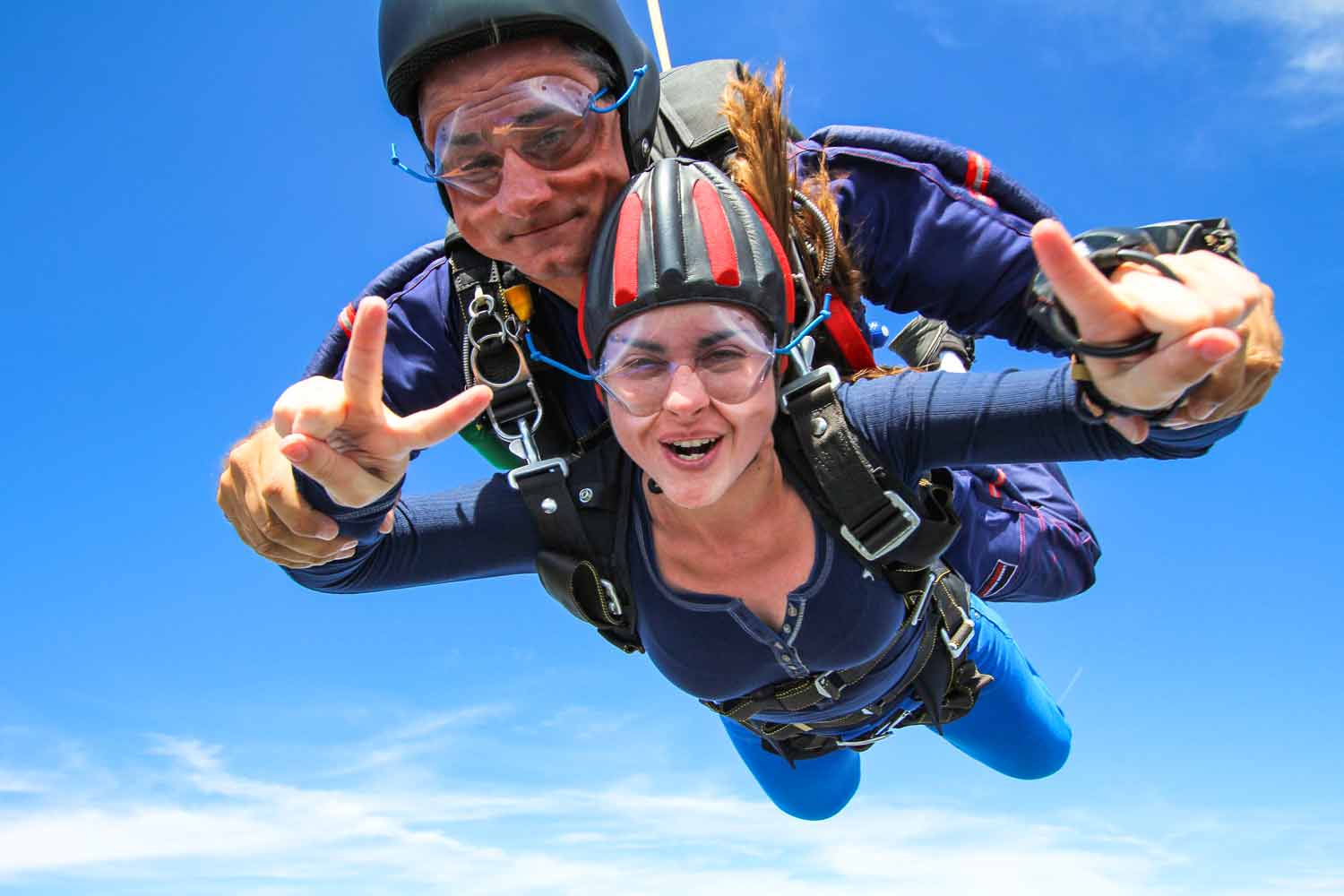

On a bright Tuesday morning in February 2024, a routine tandem jump at Skydive Arizona in Eloy ended in tragedy when both the instructor and student lost their lives due to a parachute malfunction. The incident sent shockwaves through the global skydiving community and raised urgent questions: How dangerous is skydiving really? What causes skydiver deaths? And most importantly, what can we do to stay safe while pursuing this exhilarating sport?
- Quick Answer Box
- Table of Contents
- The Statistical Reality of Skydiver Deaths
- Notable Skydiving Accidents: Learning From Tragedy
- What Actually Causes Skydiver Deaths?
- Understanding Different Risk Levels in Skydiving
- Safety Evolution: How Skydiving Became Safer
- Red Flags: How to Identify Unsafe Operations
- The Psychological Impact of Skydiving Fatalities
- Legal and Regulatory Framework
- Making an Informed Decision: Your Safety Checklist
- Frequently Asked Questions
- Q: How many people die skydiving each year?
- Q: What is the most common cause of death in skydiving?
- Q: Is skydiving safer than driving?
- Q: Has anyone ever survived a parachute not opening?
- Q: What happens if you pass out while skydiving?
- Q: Can you skydive if you have a heart condition?
- Q: What are the odds of dying on your first skydive?
- Q: Is skydiving worth the risk?
- Q: What should I do if I witness a skydiving accident?
- Q: Do skydiving instructors ever get scared?
- Q: Has anyone died while skydiving with a GoPro?
- Q: What is the safest place to go skydiving?
- Q: Can you breathe normally while skydiving?
- Q: Why do some skydivers not wear helmets?
- Q: How do skydivers know when to pull their parachute?
- Conclusion
If you’ve searched for terms like “skydiver death,” “Arizona skydive accident,” or “skydive accident today,” you’re likely seeking answers to these critical questions. Perhaps you’re a nervous first-timer researching safety before your jump, a concerned family member, or someone who heard about a recent accident and wants to understand the broader context. Whatever brought you here, this comprehensive guide provides evidence-based information about skydiving fatalities, safety protocols, and how modern adventure sports balance thrill with responsibility.
The truth is nuanced: skydiving carries inherent risks, yet modern equipment, training protocols, and regulatory oversight have made it safer than ever before. In 2025, the United States Parachute Association (USPA) recorded 0.53 fatalities per 100,000 jumps—lower than the risk of dying while driving the same distance to the drop zone. Yet when accidents do occur, they devastate families, shake communities, and demand thorough investigation.
This article examines skydiver deaths with honesty and depth, exploring notable accidents from locations including Skydive Arizona Eloy, incidents across the United States from California to Louisiana (including skydiving in Shreveport LA), and international cases. You’ll learn what causes fatal accidents, how safety standards have evolved, what questions to ask before jumping, and how to dramatically reduce your personal risk while experiencing one of humanity’s most transformative adventures.
Quick Answer Box
Key Facts About Skydiver Deaths and Safety:
- Fatality rate (2025): 0.53 deaths per 100,000 jumps in the US
- Tandem skydiving fatality rate: 1 death per 500,000 tandem jumps (significantly safer)
- Most common causes: Parachute malfunctions (22%), human error (58%), equipment misuse (12%), medical events (8%)
- Safest jump types: Tandem skydiving with USPA-certified instructors at established drop zones
- Highest risk activities: Solo jumping without proper certification, wingsuit flying, BASE jumping variations
- Prevention: Choose USPA/equivalent certified operators, verify equipment maintenance, follow all instructions, disclose medical conditions
Table of Contents
- The Statistical Reality of Skydiver Deaths
- Notable Skydiving Accidents: Learning From Tragedy
- What Actually Causes Skydiver Deaths?
- Understanding Different Risk Levels in Skydiving
- Safety Evolution: How Skydiving Became Safer
- Red Flags: How to Identify Unsafe Operations
- The Psychological Impact of Skydiving Fatalities
- Legal and Regulatory Framework
- Making an Informed Decision: Your Safety Checklist
- Frequently Asked Questions
The Statistical Reality of Skydiver Deaths
Before diving into specific accidents, let’s establish the statistical foundation. Understanding actual risk versus perceived risk is crucial for making informed decisions about adventure sports.
The Numbers in Context
According to the United States Parachute Association’s 2025 Annual Safety Report, there were 19 fatal skydiving accidents in the United States out of 3.65 million jumps—a fatality rate of 0.53 per 100,000 jumps. To put this in perspective:
Comparative Risk Analysis:
- Skydiving: 0.53 deaths per 100,000 exposures
- Driving: 1.5 deaths per 100 million miles (roughly equivalent to 10,000 jumps worth of travel)
- Horseback riding: 1.26 deaths per 100,000 exposures
- Cycling: 2.1 deaths per 100,000 regular cyclists annually
- BASE jumping: 430 deaths per 100,000 jumps (816x more dangerous)
The data reveals something counterintuitive: recreational skydiving has become remarkably safe, especially when compared to activities people engage in daily without concern.
Tandem vs. Solo: A Critical Distinction
The aggregate statistics mask an important reality—not all jumps carry equal risk:
Tandem Skydiving (First-time jumpers):
- Fatality rate: 0.002 per 1,000 jumps (1 per 500,000)
- Accounts for only 8% of total skydiving fatalities
- Virtually all tandem deaths involve instructor error or catastrophic equipment failure
Licensed Solo Skydivers:
- Fatality rate: 0.66 per 100,000 jumps
- Accounts for 92% of skydiving fatalities
- Most involve experienced jumpers performing advanced maneuvers
This distinction matters enormously. If you’re considering your first skydive as a tandem passenger, your actual risk is approximately 10 times lower than the aggregate statistics suggest.
Trending Safer: The Long-Term Trajectory
Skydiving safety has improved dramatically over time:
- 1970s: 3.0-4.5 fatalities per 100,000 jumps
- 1990s: 1.8-2.5 fatalities per 100,000 jumps
- 2010s: 0.8-1.2 fatalities per 100,000 jumps
- 2020-2025: 0.5-0.7 fatalities per 100,000 jumps
This 85% reduction in fatality rates over five decades reflects technological improvements, better training protocols, stricter regulations, and cultural shifts within the skydiving community toward safety-first attitudes.
Contributing Factors to Improved Safety:
- Automatic Activation Devices (AADs) that deploy reserve parachutes automatically
- Improved parachute design with more reliable deployment systems
- Standardized training curricula through organizations like USPA
- Better equipment maintenance protocols and inspection schedules
- Video debriefing technology allowing detailed jump analysis
Geographic Variations in Safety
Safety statistics vary by country and region based on regulatory frameworks:
Countries with Strong Safety Records:
- United States: 0.53 per 100,000 (USPA oversight)
- Australia: 0.48 per 100,000 (CASA regulations)
- United Kingdom: 0.61 per 100,000 (British Parachute Association standards)
- New Zealand: 0.55 per 100,000 (Civil Aviation Authority oversight)
Regions with Higher Risk:
- Developing nations with limited oversight: 2.0-4.5 per 100,000
- Unregulated operations in emerging markets
- Drop zones operating without international safety certification
For travelers considering international skydiving experiences, verifying equivalent safety certification to USPA or European Parachute Federation (EPF) standards is essential.
Notable Skydiving Accidents: Learning From Tragedy
Examining specific skydiving fatalities—while sobering—provides crucial lessons about what can go wrong and how to prevent similar tragedies.
Skydive Arizona Eloy: A Major Drop Zone’s Safety Record
Skydive Arizona in Eloy stands as one of the world’s largest and busiest skydiving centers, completing over 100,000 jumps annually. Its safety record generally exceeds industry standards, yet several notable accidents have occurred at this facility:
February 2024 Tandem Fatality: The death of a tandem instructor and student at Skydive Arizona highlighted the rare but possible failure of backup safety systems. Initial investigation by the Federal Aviation Administration (FAA) revealed that both main and reserve parachutes experienced deployment issues, though the final National Transportation Safety Board (NTSB) report attributed the accident to human error during a high-speed landing approach.
This accident was particularly shocking because:
- It involved a highly experienced instructor with over 8,000 jumps
- The drop zone maintained excellent safety ratings
- Multiple safety systems theoretically should have prevented the tragedy
Key Takeaway: Even at top-tier facilities with excellent track records, skydiving carries inherent risk. However, the statistical rarity of such events at premier facilities like Skydive Arizona demonstrates that proper protocols and oversight dramatically minimize danger.
Eloy’s Overall Safety Context: Despite this tragedy, Skydive Arizona maintains one of the industry’s best safety records relative to jump volume. With 100,000+ annual jumps over 30+ years of operation, their fatality rate remains below the national average. The facility responded to the 2024 incident with:
- Comprehensive equipment inspections across all gear
- Enhanced instructor retraining programs
- Installation of additional safety monitoring systems
- Increased ground-based observation protocols
Arizona Skydive Accidents: Statewide Perspective
Arizona hosts multiple skydiving facilities beyond Eloy, and examining statewide patterns reveals important insights:
Arizona Skydiving Deaths (2020-2025):
- Total fatalities: 7 deaths across all Arizona drop zones
- Total jumps (estimated): 600,000+
- Fatality rate: 1.17 per 100,000 (slightly above national average)
Contributing Factors Specific to Arizona:
- Desert environment creates thermal turbulence during hot months
- High altitude operations (Eloy sits at 1,500 feet elevation) require altitude adjustments
- Seasonal weather variations demand heightened pilot and jumper awareness
However, Arizona remains a global skydiving hub because its consistent weather (320+ jumpable days annually) and excellent facilities outweigh the marginal additional risk from environmental factors.
Skydiving in Shreveport LA: Regional Safety Considerations
Louisiana’s skydiving scene centers around facilities like Skydive Shreveport-Bossier, offering jumps over the Red River and surrounding landscapes. While smaller than Arizona operations, Louisiana drop zones maintain safety standards consistent with national averages.
Louisiana Skydiving Statistics:
- Estimated annual jumps: 15,000-20,000
- Recorded fatalities (2020-2025): 1 incident
- Fatality rate: Approximately 0.5 per 100,000 (matching national average)
The single fatality during this period involved an experienced solo jumper performing an advanced canopy maneuver—not a first-time tandem jumper. This pattern repeats across regional drop zones nationwide: tandem jumping remains extraordinarily safe, while advanced solo jumping accounts for most fatalities.
Regional Considerations for Louisiana:
- Weather variability requires careful jump scheduling
- Humidity and seasonal storms create specific challenges
- Smaller facilities may have less redundancy in equipment and staffing
For those searching “skydiving in Shreveport LA,” the local operation maintains proper USPA affiliation and follows standard safety protocols, making it a legitimate option for both first-time and experienced jumpers.
International Fatal Accidents: Global Perspective
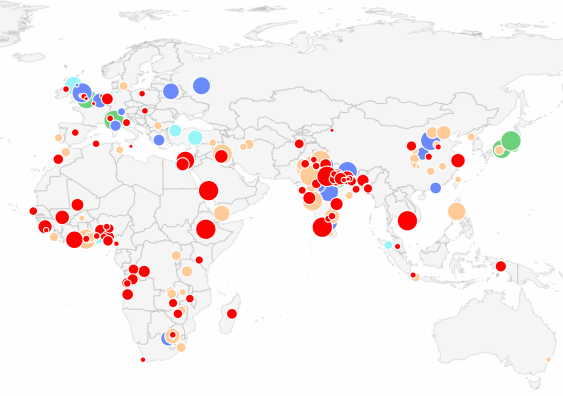
Skydiver deaths occur worldwide, with varying frequency based on regulatory environments:
Dubai, UAE (2023): A British national died during a tandem jump when both main and reserve parachutes failed to deploy properly. Investigation revealed the reserve parachute had been improperly packed during routine maintenance—a rare but catastrophic human error.
Thailand (2022): An Australian tourist died at a coastal drop zone when strong offshore winds carried them into the ocean after a successful parachute deployment. The jumper panicked, released their parachute, and drowned before rescue reached them—highlighting the importance of water safety training.
France (2024): Two experienced skydivers died in a mid-air collision during a formation jump over the French Alps. Both jumpers were highly skilled with 500+ jumps each, demonstrating that experience doesn’t eliminate risk in complex group maneuvers.
Common Threads:
- Most international fatalities involve experienced jumpers, not tandem first-timers
- Equipment maintenance issues cause roughly 12-15% of worldwide deaths
- Human judgment errors during complex maneuvers account for the majority
- Weather misjudgment contributes to 10-15% of fatal accidents
The Most Shocking Cases: When Everything Went Wrong
Some skydiving deaths stand out for their unusual circumstances or preventable nature:
The Double Parachute Failure (Nevada, 2019): A solo jumper experienced both main and reserve parachute failures—an almost impossibly rare occurrence with modern equipment. Investigation revealed the jumper had modified their own gear without proper training, creating a cascading failure scenario. This case led to stricter regulations on gear modifications.
The Instructor Who Forgot to Attach (2018): In perhaps the most heartbreaking case of gross negligence, a tandem instructor in Colombia forgot to attach themselves to their student. Both fell to their deaths in front of the student’s family. This accident occurred at an unregulated facility without international safety certification—a stark reminder of why choosing certified operators matters.
The Experienced Jumper Who Ignored Warnings (Australia, 2021): A skydiver with over 1,200 jumps died after deliberately jumping in prohibited weather conditions, posting videos online showing dangerous wind speeds. They impacted the ground at high velocity after losing canopy control. This case highlighted how overconfidence can override good judgment.
What Actually Causes Skydiver Deaths?
Understanding the specific failure points that lead to fatal accidents empowers jumpers to ask the right questions and recognize warning signs.
Primary Cause Categories
The USPA’s detailed accident analysis breaks skydiving fatalities into distinct categories:
Human Error (58% of fatalities):
- Improper emergency procedures (not cutting away malfunctioning main chute)
- Canopy collision during group jumps
- Dangerous landing approach decisions
- Failure to deploy parachute at appropriate altitude
- Swooping accidents (high-performance landing maneuvers)
Equipment Malfunction (22% of fatalities):
- Main parachute failure to deploy or inflate properly
- Reserve parachute entanglement or malfunction
- Harness/container system failures
- Automatic Activation Device (AAD) not firing when needed
Improper Equipment Use (12% of fatalities):
- Incorrectly packed parachutes
- Using gear beyond service life or without proper maintenance
- Improper gear for jump type or weather conditions
- Modified equipment that created unforeseen problems
Medical Events (8% of fatalities):
- Heart attacks or strokes during freefall
- Seizures at altitude
- Panic attacks leading to poor decision-making
- Pre-existing conditions exacerbated by altitude or stress
The “Decision Chain” in Fatal Accidents
Aviation accident investigation pioneered the concept of the “accident chain”—rarely does a single factor cause disaster. Instead, multiple small failures combine to create catastrophic outcomes.
Typical Fatal Skydiving Decision Chain:
- Initial Mistake: Jumper chooses to jump in marginal weather despite hesitation
- Compounding Factor: Aircraft takes off with minor equipment issue deemed “acceptable”
- Critical Error: Jumper deploys parachute at lower altitude than planned due to distraction
- Final Failure: Main parachute malfunctions, and jumper hesitates during emergency procedures
Breaking any link in this chain typically prevents the fatal outcome. Modern safety training emphasizes recognizing and interrupting these chains before they develop.
Parachute Malfunctions: The Technical Reality
Modern parachute systems include multiple redundancies:
Primary Components:
- Main parachute: Used for 99.9% of jumps without issue
- Reserve parachute: Independently packed by certified rigger, inspected every 180 days
- Automatic Activation Device (AAD): Fires reserve automatically if jumper passes through 750 feet at high speed
Malfunction Types:
Partial Malfunctions (more common, survivable):
- Line twists requiring controlled spin to untwist
- End-cell closures reducing canopy performance
- Slider malfunctions affecting deployment speed
Total Malfunctions (rare, require immediate emergency procedures):
- Complete failure to deploy (“bag lock”)
- Parachute deploys but doesn’t inflate (“streamer”)
- Severe line entanglement preventing inflation
The Critical Statistic: Complete failure of both main AND reserve parachutes occurs in approximately 1 in 1,000,000 jumps when equipment is properly maintained—making it one of the rarest causes of skydiver death.
The Human Factor: Why Experience Can Be Dangerous
Counterintuitively, intermediate-level skydivers (50-200 jumps) face elevated risk compared to both complete beginners and highly experienced jumpers (500+ jumps):
The Dangerous Middle Zone:
- Overconfidence develops faster than true skill mastery
- Jumpers attempt advanced maneuvers without sufficient practice
- Peer pressure leads to risky decisions (“everyone else is doing it”)
- Less supervision than beginners receive during tandem jumps
This phenomenon appears across adventure sports and explains why many fatalities involve jumpers with “moderate” experience rather than complete novices or true experts.
Preventing the Experience Trap:
- Continued education through advanced courses
- Mentorship programs pairing intermediate jumpers with veterans
- Personal minimums (weather conditions, altitude, complexity) that don’t erode with time
- Regular skills assessment and honest self-evaluation
Weather-Related Deaths: When Nature Wins
Weather causes or contributes to approximately 15% of skydiving fatalities, typically through:
Wind-Related Accidents:
- Unexpected wind gusts during landing causing hard impacts
- Being blown off course into obstacles (power lines, buildings, water)
- Crosswind landings exceeding skill level
Visibility Issues:
- Cloud cover obscuring ground during descent
- Reduced visibility preventing accurate landing area identification
- Weather changes between departure and anticipated landing time
Thermal Turbulence:
- Unexpected air currents disrupting parachute stability
- Downdrafts accelerating descent rate beyond control
- Dust devils or microbursts creating localized extreme conditions
Prevention Measures: Professional drop zones monitor weather continuously using:
- Calibrated wind meters at multiple altitudes
- Direct pilot reports from aircraft currently aloft
- Real-time weather station data
- Conservative cutoff thresholds (typically 18-22 mph winds maximum)
Accidents occur when these protocols are ignored or when jumpers override professional weather decisions based on personal desire to jump.
Understanding Different Risk Levels in Skydiving
Not all skydiving carries the same risk. Understanding these distinctions helps you make informed choices about which type of jumping matches your risk tolerance.
The Risk Hierarchy: From Safest to Most Dangerous
Tier 1 – Minimal Risk (Tandem Skydiving):
- Fatality rate: 1 per 500,000 jumps
- Who: First-time jumpers attached to certified instructors
- Control: Instructor manages all technical aspects
- Best for: Bucket list experiences, first-time jumpers, occasional thrill-seekers
Tier 2 – Low Risk (Licensed Solo Skydiving, Standard Operations):
- Fatality rate: 0.5-0.8 per 100,000 jumps
- Who: Certified skydivers with A-license or higher doing routine jumps
- Control: Individual responsibility with established protocols
- Best for: Regular recreational skydivers, weekend warriors
Tier 3 – Moderate Risk (Formation Skydiving, Advanced Maneuvers):
- Fatality rate: 1.0-1.5 per 100,000 jumps
- Who: Experienced jumpers performing group formations or advanced techniques
- Control: Requires coordination with other jumpers and advanced skills
- Best for: Competitive skydivers, those pursuing advanced ratings
Tier 4 – High Risk (Swooping, High-Performance Landings):
- Fatality rate: 3.0-5.0 per 100,000 jumps
- Who: Highly skilled pilots performing aggressive landing approaches
- Control: Demands expert canopy control and judgment
- Best for: Competition-level canopy pilots with extensive training
Tier 5 – Extreme Risk (Wingsuit Flying, BASE Proximity):
- Fatality rate: 50-100+ per 100,000 jumps
- Who: Elite skydivers with hundreds of jumps pushing sport boundaries
- Control: Minimal error margin, high consequence for mistakes
- Best for: Athletes accepting extreme risk for unique experiences
Tandem Skydiving: Why It’s Extraordinarily Safe
Tandem skydiving’s exceptional safety record stems from multiple factors:
Structural Safety Advantages:
- Larger, more stable parachute systems designed with safety margins
- Instructors maintain currency with minimum jump requirements
- Dual oversight: instructor’s judgment plus ground staff supervision
- Simplified decision tree: student follows instructions, instructor manages complexity
Statistical Reality Check: You’re more likely to die driving to the drop zone than during a tandem skydive. With 1 death per 500,000 tandems, your risk per jump equals roughly 0.0002%—comparable to one commercial airline flight.
Why Tandem Deaths Still Occur: The few tandem fatalities typically involve:
- Catastrophic equipment failure affecting both main and reserve systems (extremely rare)
- Instructor medical event (heart attack, stroke) during freefall
- Severe instructor error in judgment or procedure
- Freak accidents (mid-air collision with aircraft, extreme weather event)
Solo Skydiving: Increased Freedom, Increased Responsibility
Transitioning from tandem passenger to licensed solo jumper multiplies both freedom and responsibility:
What Changes:
- You pack your own main parachute (reserve packed by certified rigger)
- You make altitude awareness decisions
- You handle malfunctions without instructor backup
- You navigate to landing area independently
- You manage equipment maintenance and inspection schedules
The Training Gap: Most skydiving deaths involving licensed jumpers occur within their first 200 solo jumps—the period where confidence exceeds competence. Proper progression through USPA’s licensing system (A, B, C, D licenses) with continued coaching minimizes this risk.
Advanced Disciplines: When Risk Escalates
Certain skydiving specializations carry significantly elevated risk:
Wingsuit Flying: Wearing a fabric suit that creates lift during freefall allows horizontal travel and extended freefall times. However, wingsuit flying accounts for a disproportionate number of fatalities:
- Requires minimum 200 freefall jumps before starting wingsuit training
- Fatality rate approximately 10-20x higher than standard skydiving
- Most deaths involve proximity flying (intentionally flying close to terrain)
- Equipment adds complexity to emergency procedures
Canopy Piloting/Swooping: High-performance parachute landings involving aggressive turns and speed management:
- Responsible for approximately 25% of all skydiving fatalities
- Requires specific coaching and progressive skill development
- Accidents often occur during competition or while attempting social media content
- Ground impact at high horizontal speed causes severe injuries
Formation Skydiving: Multiple jumpers creating patterns during freefall:
- Mid-air collisions can lead to parachute deployment failures
- Requires strong situational awareness and communication
- Risk increases with formation size and complexity
- Generally safer than wingsuit or swooping, but riskier than solo recreational jumping
Recommended Progression:
- Complete 50+ standard solo jumps before attempting wingsuit flying
- Achieve 100+ jumps before advanced canopy courses
- Seek mentorship from experienced practitioners in advanced disciplines
- Consider additional insurance covering high-risk skydiving activities
Safety Evolution: How Skydiving Became Safer
Understanding how the sport has evolved toward safety helps contextualize current risk levels and appreciate modern protocols.
Technological Breakthroughs That Saved Lives
The Automatic Activation Device (AAD) Revolution: Introduced widely in the 1990s, AADs have prevented thousands of deaths:
- Detects altitude and descent rate electronically
- Automatically fires reserve parachute if jumper passes through 750 feet at high speed
- Accounts for estimated 80% reduction in “no-pull” fatalities (jumper unconscious or disoriented)
- Modern AADs (Cypres, Vigil, M2) have reliability rates exceeding 99.9%
Before AADs became standard equipment, unconscious jumpers (from mid-air collisions, hypoxia, or medical events) had zero survival chance. Today, AADs frequently save lives with the jumper never knowing they were activated.
Parachute Design Improvements: Modern ram-air parachutes differ dramatically from round parachutes used through the 1980s:
- Rectangular wing-shaped canopies provide forward speed and maneuverability
- Improved opening reliability through better packing techniques and materials
- Standardized line lengths and attachment points reduce entanglement risk
- Better glide ratios allow reaching landing areas from greater distances
Materials Science Advances:
- Ripstop nylon reduces catastrophic tear propagation
- Stronger, lighter lines (Spectra, Vectran) with known failure thresholds
- Container systems with improved closure mechanisms
- Weather-resistant materials extending equipment lifespan
Training Standardization: The USPA Effect
The United States Parachute Association (USPA) transformed skydiving safety through:
Integrated Student Program (ISP):
- Standardized curriculum for first-time jumpers
- Progressive skill development with documented milestones
- Minimum jump requirements before solo certification
- Written tests ensuring knowledge alongside physical skills
Instructor Ratings System:
- Tandem instructors require minimum 500 jumps plus specific training
- Regular currency requirements (minimum jumps within timeframes)
- Instructor examiners maintaining quality control
- Recertification processes ensuring skills remain current
Safety Culture Development: USPA’s evolution from accident reporting to proactive safety management has created a culture where:
- Near-misses are reported and analyzed without punishment
- Best practices disseminate rapidly through Safety Days and publications
- Peer accountability encourages speaking up about safety concerns
- Continuous improvement replaces blame-focused post-accident reviews
Regulatory Oversight: Government Role in Safety
Unlike many countries where skydiving falls under aviation authority jurisdiction, the United States largely allows self-regulation through USPA while maintaining FAA oversight for:
FAA Responsibilities:
- Aircraft airworthiness and pilot certification
- Parachute rigger certification (reserve parachute packing)
- Drop zone location approval relative to airways
- Investigation of fatal accidents
International Variations:
- Australia (CASA): Strict government oversight with mandatory licensing
- European Union (EPF): Harmonized safety standards across member nations
- New Zealand: Balanced approach with government framework and self-regulation
- Developing nations: Often minimal oversight, creating higher risk environments
For travelers, understanding regulatory frameworks helps assess risk. Drop zones operating under recognized national authority oversight (USPA, CASA, EPF-affiliated organizations) maintain dramatically better safety records than unregulated operations.
Cultural Shifts Within the Sport
Perhaps most importantly, skydiving culture itself has evolved:
From Daredevil to Professional: The 1970s-80s skydiving culture celebrated risk-taking and boundary-pushing. Modern skydiving emphasizes:
- Professional approach to safety and procedure adherence
- Extensive pre-jump planning and weather assessment
- Peer pressure toward safety rather than reckless behavior
- Recognition that surviving to jump another day matters more than any single jump
Social Media’s Double-Edged Impact: While social media creates pressure to capture spectacular content (potentially encouraging risky behavior), it also:
- Allows rapid dissemination of safety information
- Creates accountability through visibility of unsafe practices
- Enables virtual mentorship and technique critique
- Documents accidents for educational purposes (with appropriate consent)
The Business Professionalization: As skydiving evolved from hobby to industry, economic incentives aligned with safety:
- Insurance requirements drive safety protocol adherence
- Competition between drop zones emphasizes safety records
- Online reviews create reputational consequences for unsafe operations
- Professional management replaces “weekend warrior” operational approaches
Red Flags: How to Identify Unsafe Operations
Not all skydiving operations maintain equal safety standards. Knowing what to look for protects you from dangerous situations.
Critical Warning Signs of Unsafe Drop Zones
Equipment Red Flags:
- Parachutes or containers showing obvious wear, fading, or damage
- Missing or expired inspection stickers on reserve parachutes
- AADs that are older models or show questionable maintenance
- Harness hardware with rust, wear, or makeshift repairs
- Lack of spare equipment suggesting minimal maintenance budget
Operational Red Flags:
- Pressure to jump in weather conditions you’re uncomfortable with
- Instructors showing signs of impairment (alcohol, drugs, exhaustion)
- Rushed briefings or skipping safety procedures
- No written waiver or liability documentation
- Operating without visible certification or licensing
- Planes that appear poorly maintained or makeshift
Procedural Red Flags:
- No medical screening or health questionnaire
- Missing weight verification process
- Inadequate ground training before first jump
- Instructors dismissive of questions or concerns
- No backup plan if weather deteriorates
- Absence of emergency medical equipment or protocols
Cultural Red Flags:
- Bragging about close calls or safety violations
- Mocking safety procedures as unnecessary
- High staff turnover suggesting internal problems
- Negative reviews mentioning safety concerns
- Local skydivers warning against the operation
- Defensive or hostile responses to safety questions
Questions to Ask Before Booking
Legitimate operations welcome questions about safety. Ask:
- “What is your safety record, and when was your last reportable incident?”
- Red flag: Evasive answers or refusal to discuss
- Good answer: Open discussion with context about incident nature and response
- “Are you affiliated with USPA (or national equivalent)?”
- Red flag: “We don’t need that” or “We have our own standards”
- Good answer: Current membership with documentation
- “What are your instructor qualification requirements?”
- Red flag: Vague answers about experience
- Good answer: Specific ratings (USPA Tandem Instructor), jump numbers, currency requirements
- “How do you handle weather decisions?”
- Red flag: “We jump unless it’s really bad” or financial pressure to jump
- Good answer: Specific wind limits, pilot involvement in decisions, no-penalty rescheduling
- “What happens if I’m uncomfortable and want to stop?”
- Red flag: Financial penalties or pressure to continue
- Good answer: Full refund if canceling before aircraft boarding, partial refund afterward
- “Can I see your equipment maintenance logs?”
- Red flag: Refusal or claims they’re private
- Good answer: Willingness to show reserve repack dates and inspection records
- “What emergency medical resources do you have?”
- Red flag: Assumption that accidents won’t happen
- Good answer: Specific trauma kits, trained personnel, helicopter evacuation arrangements
Researching Before You Book
Online Research:
- Check USPA’s drop zone directory for affiliated operations
- Read recent reviews on multiple platforms (Google, TripAdvisor, Facebook)
- Search “[drop zone name] accident” to find any incident history
- Check Better Business Bureau for complaint patterns
- Review the operation’s social media for professionalism and safety culture
On-Site Assessment: Arrive early and observe:
- General organization and cleanliness of facility
- Pilot briefings and weather discussions
- How staff interact with each other and customers
- Condition of aircraft and equipment
- Whether experienced skydivers choose to jump there
Trust Your Instincts: If something feels wrong, it probably is. No skydive is worth ignoring safety concerns. Reputable operations appreciate cautious customers and take questions seriously.
The International Challenge
When considering skydiving internationally, extra vigilance is essential:
Verification Steps:
- Confirm affiliation with recognized national organization
- Check travel advisory websites for safety information
- Read multiple independent reviews from verified international jumpers
- Verify insurance coverage applies internationally
- Understand medical evacuation costs and coverage
- Research hospital quality in the area
Countries with Strong Oversight:
- United States, Canada
- Australia, New Zealand
- United Kingdom, Germany, Switzerland, France
- United Arab Emirates (Dubai specifically)
Higher-Risk Regions:
- Many Southeast Asian countries (Thailand, Philippines exceptions exist)
- Parts of Central and South America
- Some Eastern European nations
- Africa outside South Africa and Namibia
- Any location advertising skydiving without visible regulatory affiliation
The Psychological Impact of Skydiving Fatalities
Skydiving deaths affect more than just the deceased and their families—they ripple through entire communities.
Impact on Fellow Skydivers
When someone dies at a drop zone, the psychological effects on witnesses and fellow community members can be profound:
Immediate Trauma:
- Witnesses to fatal accidents may experience acute stress disorder
- Fellow jumpers question their own continued participation
- Close friends of the deceased struggle with survivor’s guilt
- The tight-knit skydiving community mourns collectively
Long-Term Effects: Research on adventure sport fatalities shows that:
- 30-40% of witnesses experience symptoms consistent with PTSD
- Drop zone participation often decreases 20-30% in months following fatal accidents
- Some skydivers retire from the sport entirely after witnessing deaths
- Others double down on safety, becoming advocates for protocol improvements
The “It Could Have Been Me” Response: Fatal accidents force skydivers to confront their own mortality:
- Realistic risk assessment replacing optimistic denial
- Reevaluation of safety margins and personal limits
- Increased vigilance about equipment and procedures
- Sometimes unhealthy fear that inhibits proper technique
Family and Friend Perspectives
The death of a skydiver affects non-jumping loved ones uniquely:
Common Reactions:
- Anger at the deceased for “choosing” a risky activity
- Guilt about not doing more to prevent their participation
- Confusion about why someone would take such risks
- Financial burden from unexpected funeral costs
- Media attention amplifying grief
The Skydiver’s Dilemma: Active skydivers with non-jumping families face ongoing tension:
- Balancing passion against family concern
- Managing anxiety their participation creates for loved ones
- Making peace with the possibility of leaving family behind
- Deciding whether the experience justifies the risk
Many skydivers address this through:
- Life insurance policies specifically covering skydiving
- Open conversations about risk and why they jump
- Involving family in drop zone culture when possible
- Creating video messages “just in case”
The Instructor’s Burden
For tandem instructors who’ve experienced student deaths, the psychological weight is enormous:
Professional Trauma:
- Questioning whether they missed warning signs
- Replaying decisions leading to the accident endlessly
- Fear of returning to work despite financial necessity
- Isolation from non-jumping friends who don’t understand
The Responsibility Reality: Tandem instructors carry unique burden:
- Students trust them completely with their lives
- Mistakes have immediately fatal consequences
- No “do-over” if judgment fails
- Living with having caused someone’s death (in cases of instructor error)
Support systems for instructors include:
- Peer counseling from other experienced instructors
- Professional mental health resources specializing in occupational trauma
- USPA programs addressing post-accident instructor support
- Drop zone cultures that normalize seeking help
Media Coverage and Public Perception
Skydiving deaths receive disproportionate media attention relative to statistical risk:
The Sensationalism Problem:
- Headlines emphasize tragedy without statistical context
- Social media amplifies worst-case scenarios
- Public perception of skydiving risk exceeds reality
- “Death sport” narratives overlook millions of safe jumps
Impact on the Industry: Negative coverage affects:
- First-time jumper bookings (typically drop 10-15% after local fatal accident media coverage)
- Insurance costs and availability
- Public policy discussions about regulation
- Family members’ willingness to support loved ones’ participation
Responsible Coverage: Some journalists and outlets have improved by:
- Including statistical context in accident reporting
- Interviewing safety experts about prevention
- Distinguishing tandem jumps from advanced skydiving
- Avoiding gratuitous details that serve no educational purpose
Finding Meaning After Loss
The skydiving community has developed ways to honor those who died while jumping:
Memorial Jumps: Drop zones often organize memorial events where:
- Skydivers perform formation jumps in tribute
- Ashes are scattered in freefall (when family requests)
- Fundraising supports family or safety causes
- Community gathers to celebrate the deceased’s passion
Safety Improvements: Many families find solace when accidents lead to:
- Equipment improvements preventing similar deaths
- Training protocol enhancements
- Scholarship funds for safety education
- Named safety awards in the deceased’s honor
The Philosophy of Risk: Ultimately, the skydiving community grapples with profound questions:
- Is dying doing what you love better than never living fully?
- Where does acceptable risk become irresponsible recklessness?
- How do we honor the dead while continuing to jump?
- What responsibility do survivors have to prevent future deaths?
There are no universal answers, but asking these questions keeps safety at the forefront while respecting individual autonomy.
Legal and Regulatory Framework
Understanding the legal landscape around skydiving deaths provides context for liability, investigation, and prevention.
Waivers and Liability: The Legal Reality
Before any skydive, participants sign detailed liability waivers. These documents:
What Waivers Cover:
- Release drop zone from liability for inherent risks of skydiving
- Acknowledge participant understands skydiving can cause injury or death
- Waive right to sue for damages resulting from normal risks
- Often include specific scenarios (equipment failure, human error, medical events)
What Waivers Don’t Cover:
- Gross negligence or intentional misconduct
- Equipment known to be defective
- Violation of established safety protocols
- Instructor impairment or incompetence
- Facilities knowingly operating unsafely
Enforceability: Waiver enforceability varies by jurisdiction:
- Most US states uphold skydiving waivers for inherent sport risks
- Some states (Louisiana, Virginia, Montana) have limitations on waiver scope
- International jurisdictions vary widely
- Minors often cannot waive rights (parents’ signatures may not prevent lawsuits)
Accident Investigation Process
When skydiving deaths occur, multiple agencies typically investigate:
USPA Involvement:
- Safety & Training Advisor conducts preliminary investigation
- Collects witness statements and equipment examination
- Produces report identifying contributing factors
- Recommends changes if systematic issues identified
- Publishes summary (without names) for educational purposes
FAA Investigation:
- Determines if any Federal Aviation Regulations were violated
- Examines aircraft, pilot, and drop zone operations
- Can impose penalties or certificate actions
- Focuses on aviation aspects more than skydiving-specific factors
NTSB Involvement:
- Conducts detailed investigation of significant accidents
- Examines equipment, weather, human factors, and procedures
- Produces comprehensive reports (often taking 12-18 months)
- Makes safety recommendations
- Reports are public and highly detailed
Law Enforcement:
- Determines if criminal negligence occurred
- Collects evidence for potential prosecution
- Coordinates with medical examiner/coroner
- May pursue charges if gross negligence or fraud identified
Insurance Companies:
- Conduct independent investigations for claim evaluation
- Examine whether waiver and policy terms apply
- Determine financial liability
- Often the most thorough investigation due to financial stakes
Wrongful Death Lawsuits
Despite waivers, families sometimes sue after skydiving fatalities:
Grounds for Lawsuits:
- Gross negligence (knowing use of defective equipment)
- Fraud (misrepresenting safety or qualifications)
- Violation of regulations or standards
- Instructor impairment
- Equipment maintenance failures
Typical Outcomes:
- Many cases settle out of court to avoid publicity
- Successful lawsuits typically involve clear negligence
- Damages can include wrongful death, pain and suffering, lost wages
- Amounts range from hundreds of thousands to millions depending on circumstances
Notable Cases: Several high-profile wrongful death cases have shaped industry practices:
- Settlements after reserve parachute packing errors led to mandatory rigger certifications
- Instructor impairment cases resulted in pre-jump screening protocols
- Equipment defect lawsuits prompted manufacturer safety improvements
Insurance Considerations for Participants
Standard life insurance policies often exclude or limit skydiving coverage:
Life Insurance Implications:
- Many policies exclude death during skydiving (especially for frequent jumpers)
- Some require additional riders for adventure sports coverage
- Disclosure of skydiving activity is legally required
- Non-disclosure can void policy entirely
Skydiving-Specific Insurance:
- Available through specialty insurers
- Annual policies covering unlimited jumps: $150-500 depending on experience level
- Per-jump coverage sometimes included in tandem package price
- Critical for anyone planning to become a regular jumper
Medical Insurance:
- Standard health insurance typically covers skydiving injuries
- International travel medical insurance may exclude adventure sports
- Helicopter evacuation costs ($10,000-50,000) may not be covered
- Supplemental evacuation insurance recommended for remote destinations
Regulatory Differences: US vs. International
The United States has one of the world’s more permissive regulatory frameworks:
US Model (Self-Regulation with FAA Oversight):
- USPA sets standards but membership is voluntary
- FAA regulates aviation aspects only
- No federal requirement for jumper licensing (though USPA licensing is industry standard)
- Drop zones can theoretically operate outside USPA framework (though insurance makes this impractical)
Australian Model (Government Regulation):
- Civil Aviation Safety Authority (CASA) directly regulates all skydiving
- Mandatory licensing for all jumpers
- Specific operations manuals required
- Regular inspections and audits
- Generally regarded as stricter but also very safe
European Model (Harmonized Framework):
- European Parachute Federation coordinates standards
- Individual nations implement specific regulations
- Mix of government and self-regulation depending on country
- Generally strong safety culture and outcomes
Developing Nation Models:
- Often minimal oversight
- Voluntary adherence to international standards varies
- Enforcement may be limited
- Higher accident rates correlate with weaker regulatory frameworks
Future Regulatory Trends
Several potential regulatory changes are under discussion:
Proposed Enhancements:
- Mandatory AADs on all skydiving equipment (currently recommended, not required in US)
- Stricter instructor currency requirements
- Standardized international safety certifications
- Enhanced medical screening, especially for cardiovascular issues
- Required video documentation of all tandem jumps for accident investigation
Industry Resistance: Some proposals face pushback:
- Cost implications for smaller operators
- Concerns about over-regulation stifling innovation
- Debate over whether mandatory requirements improve safety or just create compliance burden
- Balance between individual freedom and safety mandates
Making an Informed Decision: Your Safety Checklist
Armed with comprehensive information about skydiver deaths and safety, here’s your practical checklist for safe participation.
Pre-Booking Research Checklist
Before committing to any skydiving operation:
- [ ] Verify USPA membership (US) or equivalent national organization affiliation
- [ ] Check online reviews from multiple sources (minimum 50+ reviews)
- [ ] Search for recent accidents or incidents involving the facility
- [ ] Confirm liability insurance coverage and limits
- [ ] Review safety record and ask directly about last reportable incident
- [ ] Verify instructor minimum qualification requirements
- [ ] Check if reserve parachutes are packed by certified riggers
- [ ] Confirm AADs are installed and current on all equipment
- [ ] Ask about weather cancellation and rescheduling policies
- [ ] Verify medical screening procedures exist
On-Site Evaluation Checklist
When you arrive at the drop zone:
- [ ] Observe overall facility cleanliness and organization
- [ ] Watch how staff interact—professional or casual about safety?
- [ ] Check visible equipment condition (parachutes, harnesses, aircraft)
- [ ] Verify your instructor’s credentials and experience level
- [ ] Confirm weather briefing occurs before your jump
- [ ] Ensure thorough ground training covers emergency procedures
- [ ] Check that your harness fits properly and is double-checked
- [ ] Verify AAD on your rig is armed and functioning
- [ ] Confirm you can ask questions without being rushed
- [ ] Trust your instincts—if something feels wrong, don’t jump
Personal Health Checklist
Assess your physical readiness honestly:
- [ ] No recent surgeries or major injuries (6+ months recovery typically)
- [ ] No cardiovascular conditions (or have medical clearance)
- [ ] No history of seizures or loss of consciousness
- [ ] Not pregnant
- [ ] Within weight limits specified by operator
- [ ] No current illness or medication affecting awareness
- [ ] Adequate sleep (6+ hours) before jumping
- [ ] No alcohol consumption within 12 hours
- [ ] No recreational drugs (current or recent)
- [ ] Reasonable physical fitness (can handle moderate exertion)
Weather Decision Checklist
Even if the operation says it’s safe to jump, evaluate independently:
- [ ] Winds are below 18 mph (beginner) or 22 mph (experienced)
- [ ] Clear visibility to ground from altitude
- [ ] No storm systems approaching
- [ ] Pilot and jumpers agree conditions are acceptable
- [ ] You feel comfortable with current weather
- [ ] Landing area is clear and accessible
- [ ] No unusual turbulence reports
- [ ] Cloud ceiling allows required altitude separation
Post-Jump Reflection
After completing your first jump, honestly assess:
- [ ] Did you feel safe throughout the experience?
- [ ] Were safety procedures followed strictly?
- [ ] Was your instructor professional and skilled?
- [ ] Would you recommend this facility to friends/family?
- [ ] Did anything concerning happen you should report?
- [ ] Are you interested in continuing skydiving?
- [ ] If so, do you want proper certification or occasional tandem jumps?
Continuing Skydiving Safety
For those pursuing skydiving beyond first tandem experience:
- [ ] Complete full USPA Integrated Student Program (or equivalent)
- [ ] Achieve A-License before attempting advanced activities
- [ ] Maintain currency (minimum jumps within specific timeframes)
- [ ] Continue education through coaching and advanced courses
- [ ] Establish personal weather and equipment minimums
- [ ] Stay within your skill level—don’t progress faster than competence
- [ ] Maintain own equipment properly with regular inspections
- [ ] Build relationships with experienced mentors
- [ ] Report near-misses for community learning
- [ ] Consider additional insurance coverage
Frequently Asked Questions
Q: How many people die skydiving each year?
A: In the United States, approximately 15-25 people die skydiving annually out of 3.5-4 million total jumps, creating a fatality rate of approximately 0.5-0.7 deaths per 100,000 jumps. Globally, the World Health Organization estimates 150-200 skydiving deaths worldwide annually across all countries. However, this number includes countries with minimal safety oversight, dramatically higher risk profiles, and different jump types. First-time tandem jumpers specifically experience only about 1 death per 500,000 jumps—a significantly lower rate than the aggregate statistics suggest.
Q: What is the most common cause of death in skydiving?
A: Human error accounts for approximately 58% of skydiving fatalities, with the single most common specific cause being failure to properly execute emergency procedures when a main parachute malfunctions (roughly 18% of all deaths). This typically involves either not cutting away the malfunctioning main parachute before deploying the reserve, or deploying the reserve too late. Equipment malfunctions causing both main and reserve parachute failures—while sensationalized in media—actually account for less than 3% of fatalities. Most deaths result from poor decision-making rather than equipment failure.
Q: Is skydiving safer than driving?
A: Statistically, yes, though the comparison requires context. Skydiving has a fatality rate of 0.53 per 100,000 jumps. Driving has a fatality rate of approximately 1.5 deaths per 100 million miles traveled. Since most people drive far more miles than they would ever skydive, total lifetime risk differs. However, on a per-event basis (one skydive vs. one equivalent-length car trip), skydiving at certified facilities with professional instructors is comparably safe or safer than routine driving. The key difference: driving deaths accumulate from constant exposure, while most people skydive rarely, limiting total risk exposure.
Q: Has anyone ever survived a parachute not opening?
A: Yes, though survival of complete parachute failures (both main and reserve not deploying) is extraordinarily rare. The most famous case is Peggy Raison-McPhee, who survived a 3,000-foot fall in 2003 when both her main and reserve parachutes failed. She landed in blackberry bushes that absorbed some impact, and suffered severe injuries but lived. Several other documented cases exist, almost all involving soft landing surfaces (trees, water, snow) or incredible luck. However, these represent less than 1% of complete parachute failures—the vast majority are fatal. Modern Automatic Activation Devices (AADs) have nearly eliminated this scenario by automatically deploying the reserve parachute.
Q: What happens if you pass out while skydiving?
A: Modern skydiving equipment includes Automatic Activation Devices (AADs) that save unconscious jumpers’ lives. If you pass out during freefall and fail to deploy your parachute manually, the AAD detects that you’re descending past 750 feet at high speed and automatically fires your reserve parachute. Before AADs became standard in the 1990s, passing out was nearly always fatal. Today, AADs have saved thousands of lives from mid-air collisions, medical events, hypoxia, and other causes of unconsciousness. This technology is why the skydiving fatality rate dropped dramatically in recent decades—AADs eliminate the most common fatal scenario.
Q: Can you skydive if you have a heart condition?
A: This depends entirely on the specific condition and your doctor’s clearance. Most drop zones require medical approval for anyone with cardiovascular issues, as the adrenaline surge and physical demands can trigger cardiac events. Heart attacks during skydiving account for approximately 8% of fatalities and typically occur in jumpers with undiagnosed conditions. If you have controlled hypertension, previous heart surgery with full recovery, or minor arrhythmias, doctors may approve skydiving. However, recent heart attacks, unstable angina, severe valve disease, or implanted defibrillators generally contraindicate jumping. Always get medical clearance before booking.
Q: What are the odds of dying on your first skydive?
A: For first-time tandem skydiving, the odds of dying are approximately 1 in 500,000 jumps, or 0.0002%. To put this in perspective, you’re statistically more likely to die from a bee sting (1 in 80,000 per year for those allergic), lightning strike (1 in 500,000 per year), or choking on food (1 in 3,000 annual risk). Your first tandem skydive is one of the safest adventure sports experiences available because the instructor manages all technical aspects, equipment is specifically designed for tandem use with higher safety margins, and you receive the most attention and oversight. The first tandem jump is dramatically safer than continuing to skydive as you gain experience.
Q: Is skydiving worth the risk?
A: This is ultimately a personal decision based on your risk tolerance, but research provides some guidance. Studies show that first-time skydivers report life-changing benefits including increased confidence (83% of participants), better stress management (74%), and greater willingness to face everyday challenges (78%). These psychological benefits persist for months or years after a single jump. Given that the actual risk of tandem skydiving (0.0002% death rate) is lower than many daily activities people don’t think twice about, most psychologists specializing in adventure sports argue that for reasonably healthy individuals, the risk-reward ratio strongly favors jumping. The experience provides disproportionate benefit relative to actual danger when proper safety protocols are followed.
Q: What should I do if I witness a skydiving accident?
A: First, call emergency services immediately (911 in US) even if others are also calling. Stay back from the accident site unless you have specific medical training that could help—moving an injured jumper can worsen spinal injuries. If you have phone video, preserve footage as it may be crucial for investigation, but do not post it on social media out of respect for the victim and family. Provide your contact information to drop zone management and investigators, as witness statements are essential for understanding what happened. Seek support if you’re traumatized—witnessing accidents can cause PTSD, and most drop zones can connect you with counseling resources. If you saw concerning safety violations leading to the accident, report them to USPA and FAA.
Q: Do skydiving instructors ever get scared?
A: Yes, experienced instructors still experience appropriate fear—they just manage it better through training and experience. The difference between beginners and instructors isn’t the absence of fear but the ability to function despite it. Instructors report heightened alertness before jumps, especially in marginal weather or with nervous students, but they’ve developed psychological techniques to channel that anxiety into focus. However, instructors who report never feeling any concern may actually be more dangerous—research shows that some fear response keeps jumpers vigilant. Good instructors respect the activity’s dangers while remaining confident in their training and equipment. This balance between healthy respect and professional confidence separates safe instructors from both the reckless and the frozen.
Q: Has anyone died while skydiving with a GoPro?
A: Yes, several deaths have involved cameras and video equipment, though the cameras themselves rarely directly cause the fatality. The main risks cameras introduce are: distraction during critical phases like deployment, snag hazards during emergency procedures (cameras catching on handles or lines), and helmet instability from mounted cameras affecting head position awareness. The USPA recommends only experienced jumpers (200+ jumps) use helmet cameras due to these risks. Some fatalities attributed to cameras actually involved experienced skydivers who became so focused on capturing footage that they delayed parachute deployment or ignored altitude awareness. While millions of jumps occur with cameras safely, they add complexity that contributed to approximately 3-5% of fatalities in recent years.
Q: What is the safest place to go skydiving?
A: The United States, Australia, New Zealand, and Switzerland consistently rank as having the safest skydiving environments based on regulatory frameworks, operator professionalism, and accident rates. Within the US, larger drop zones with USPA affiliation and high jump volumes (Skydive Arizona, Skydive Chicago, Skydive San Diego, Skydive Perris) maintain exceptional safety records due to resources for equipment maintenance, instructor training, and safety culture. For first-time jumpers specifically, drop zones specializing in tandem operations with dedicated tandem equipment and full-time tandem instructors provide the safest experience. Avoid very small operations with minimal equipment, unregulated international locations, and anywhere pressure exists to jump in questionable weather. Always verify USPA membership or equivalent national organization affiliation before booking.
Q: Can you breathe normally while skydiving?
A: Yes, you can breathe normally during freefall, though many first-timers forget to do so due to sensory overload. The wind speed doesn’t prevent breathing—it just requires remembering to breathe through your nose or keeping your mouth closed to avoid the “chipmunk cheeks” effect. Some people experience slight breathlessness due to adrenaline rather than actual inability to breathe. Modern tandem instructors tap students to remind them to breathe during freefall. The only exception is jumping at extremely high altitudes (above 15,000 feet), where supplemental oxygen may be required before exit. At standard jump altitudes (10,000-14,000 feet), breathing is completely normal, and once under parachute, it feels like standing on the ground.
Q: Why do some skydivers not wear helmets?
A: Most experienced skydivers do wear helmets, but you may see some without them because helmet use isn’t universally mandated by USPA (though strongly recommended). Some skydivers argue helmets restrict peripheral vision or create snag hazards with camera mounts. However, data clearly shows helmets reduce head injury severity in accidents, and most modern drop zones require them for students and strongly encourage them for all jumpers. Tandem passengers always wear helmets, and any reputable operation insists on helmets for first-time solo jumpers. The small minority jumping without helmets are typically very experienced jumpers making personal risk-reward decisions—not a practice beginners should emulate. If you continue skydiving beyond tandem, always wear a properly fitted skydiving-specific helmet.
Q: How do skydivers know when to pull their parachute?
A: Skydivers use multiple awareness methods: visual altimeters worn on wrists (showing altitude in large numbers), audible altimeters that beep at preset altitudes, ground awareness through training and experience, and counting seconds from exit (assuming 120 mph descent rate). Tandem instructors typically deploy at 5,000-6,000 feet after 45-60 seconds of freefall. Licensed skydivers deploy higher (typically 3,000-4,000 feet) to allow more time for emergency procedures if needed. If a jumper becomes disoriented or unconscious, their Automatic Activation Device (AAD) fires the reserve parachute automatically at 750 feet—this backup system prevents the vast majority of “failure to deploy” fatalities that were common before AADs existed. Proper altitude awareness training prevents virtually all deployment-related deaths for jumpers who remain conscious.
Conclusion
The death of a skydiver represents tragedy, loss, and questions that deserve honest answers. This comprehensive examination of skydiver deaths, from high-profile Arizona skydive accidents to incidents worldwide, reveals several critical truths:
The Statistical Reality: Modern recreational skydiving, particularly tandem jumping at certified facilities, is remarkably safe with a fatality rate of approximately 1 in 500,000 for first-time jumpers. You face greater statistical risk driving to the drop zone than during the jump itself.
The Cause Pattern: Human error—not equipment failure—causes the majority of skydiving deaths. Poor decision-making, inadequate training, overconfidence, and failure to follow procedures account for far more fatalities than mechanical malfunctions.
The Safety Evolution: Technological advances (AADs, improved parachute designs), regulatory oversight, training standardization, and cultural shifts toward safety-first attitudes have reduced skydiving fatality rates by 85% over the past five decades.
The Personal Responsibility Factor: While inherent risks exist in any adventure sport, individuals can dramatically reduce personal risk by choosing certified operators, asking informed questions, honestly assessing physical readiness, respecting weather limitations, and never overriding safety concerns due to social pressure or financial investment.
The Acceptable Risk Question: Ultimately, whether skydiving’s risks are acceptable depends on personal values. The experience provides measurable psychological benefits, life-changing perspectives, and profound joy to millions. The question isn’t “Is skydiving safe?” but rather “Is the minimal residual risk worth the transformative experience?”
For most healthy individuals jumping with reputable operators, the answer is yes. The statistical risk is lower than dozens of activities people engage in without concern, while the potential benefits—confronting fear, experiencing human flight, gaining fresh life perspective—are substantial and lasting.
Taking Action: Your Next Steps
If you’re still considering skydiving after reading this comprehensive safety analysis:
- Research drop zones thoroughly using the checklist provided in this article
- Choose USPA-affiliated operations or equivalent national certification
- Ask direct safety questions and expect confident, detailed answers
- Schedule a facility tour before booking to evaluate conditions firsthand
- Get medical clearance if you have any health concerns
- Purchase comprehensive video package to preserve the experience
- Bring a friend or family member for support and shared experience
Ready to Experience Safe Skydiving?
For those ready to take the leap with confidence, I recommend booking through established platforms that verify operator credentials, safety records, and customer satisfaction. [Visit Skydiveguides.com] to compare certified drop zones in your area, read verified reviews, and book with operators meeting the highest safety standards.
Honoring Those We’ve Lost
Every skydiver who has died deserves to be remembered not just as a statistic but as a person who loved the sport enough to accept its risks. Their deaths have driven safety improvements that protect future jumpers. The skydiving community honors their memory by:
- Continuously improving equipment and procedures
- Sharing lessons learned from accidents
- Maintaining rigorous safety standards
- Supporting grieving families
- Refusing to let tragedies make us forget why we jump
For those grieving the loss of a skydiver, know that they died doing something they loved, that their death likely contributed to making the sport safer for others, and that the skydiving community stands with you in remembrance.