
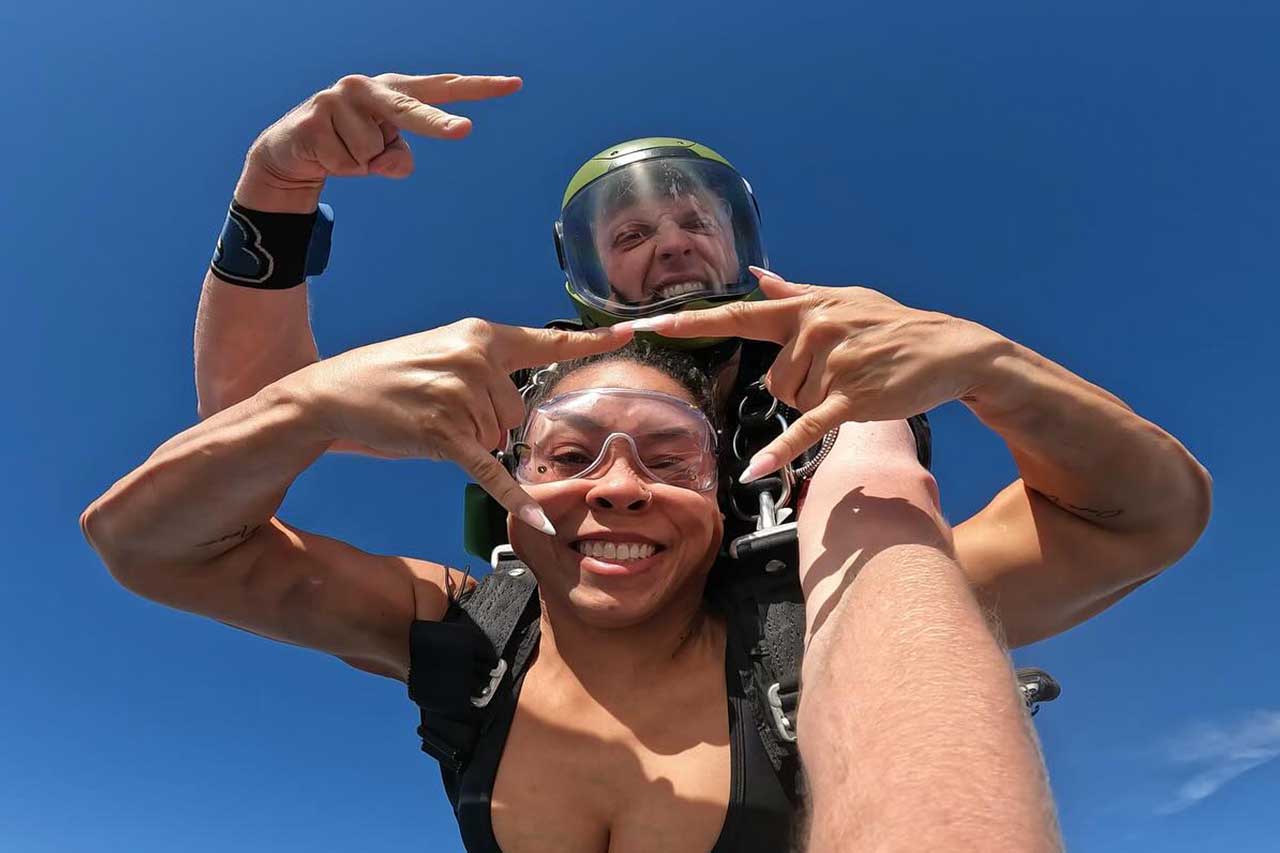
Skydiving is one of the most exciting adventures you can experience. Jumping from thousands of feet above the ground while enjoying breathtaking views is unforgettable. However, many people do not realize that weather plays a huge role in skydiving safety and experience.
Skydiving cannot happen in bad weather. Strong winds, heavy clouds, rain, or storms can delay or cancel jumps. That is why experienced skydivers always check the weather conditions before choosing a destination.
In this guide, we will explore skydiving weather by destination, the best seasons to jump in different parts of the world, and how weather affects your skydiving experience. If you are planning your first jump or looking for the best skydiving spots worldwide, this guide will help you choose the perfect time and place.
Why Weather Is Important for Skydiving
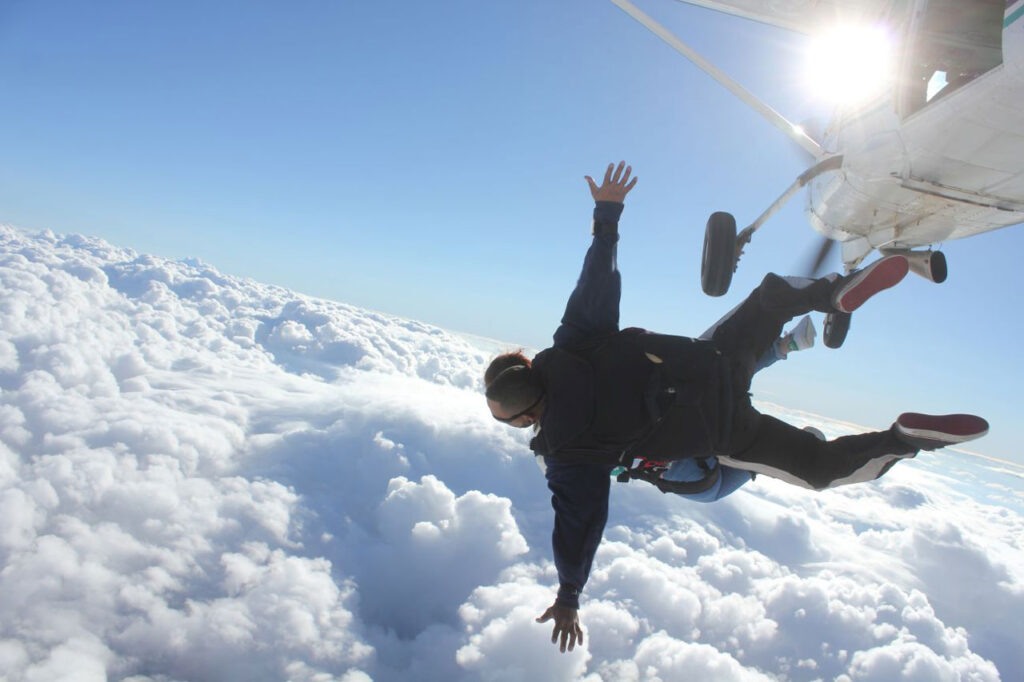
Weather conditions are one of the biggest factors in skydiving. Even professional skydivers depend on good weather to ensure safe and smooth jumps.
The main weather factors that affect skydiving include wind speed, cloud cover, visibility, and rain. For example, strong winds can push parachutes away from the landing zone. Low clouds can make it difficult for pilots and skydivers to see clearly.
Most skydiving centers require clear visibility and moderate wind speeds. If the weather is unstable, jumps are postponed for safety reasons. This is why planning your skydive during the right season is very important.
Different parts of the world have different weather patterns, so the best skydiving destinations also depend on the climate.
Skydiving Weather in Dubai
Dubai is one of the most famous skydiving destinations in the world. Jumping above the beautiful Palm Jumeirah offers incredible views that attract skydivers from around the globe.
The best time for skydiving in Dubai is between October and April. During this period, the weather is cooler and the skies are usually clear. Temperatures are comfortable, making it ideal for outdoor adventure activities.
During summer months, especially between June and August, temperatures can rise above 40°C. High heat and unstable air conditions may affect skydiving schedules.
Many people also search for safety information before skydiving in Dubai. If you want to learn more about safety statistics, you can read about the skydive dubai death rate today here
This guide explains safety standards and how professional skydiving operators maintain strict safety rules.
Skydiving Weather in the United States
The United States offers many skydiving locations with different weather conditions depending on the region.
Florida
Florida is one of the most popular skydiving locations because of its warm climate and ocean views. The best skydiving months are November to April, when humidity is lower and storms are less frequent.
Summer months can bring thunderstorms and heavy rain, which may cause delays.
California
California offers amazing coastal skydiving experiences, especially in places like San Diego and Monterey. The best weather for skydiving is typically from May to October.
These months bring clear skies, moderate temperatures, and stable wind conditions.
Arizona
Arizona is famous for its desert skydiving landscapes. The best skydiving season runs from October to April, when temperatures are cooler and winds are calm.
Summer months can be extremely hot, which sometimes limits skydiving schedules.
Skydiving Weather in Europe
Europe offers some of the most scenic skydiving experiences, especially above mountains, coastlines, and historic cities.
Switzerland
Switzerland is known for skydiving above the beautiful Alps. The best time to skydive here is May to September. During these months, skies are clearer and snowstorms are rare.
Winter months bring heavy snowfall and cloudy weather, which can reduce skydiving opportunities.
Spain
Spain is one of the most reliable skydiving destinations in Europe due to its warm Mediterranean climate.
The best skydiving weather usually occurs between April and October, when skies remain sunny and wind conditions are stable.
United Kingdom
Skydiving in the UK can be more unpredictable because of frequent rain and cloud cover.
The best months are usually May to September, when the weather is warmer and visibility is better.
Skydiving Weather in Australia and New Zealand
Australia and New Zealand are dream destinations for adventure lovers.
Australia
Australia offers skydiving above beaches, reefs, and famous coastlines.
The best months for skydiving depend on the region, but generally September to May offers the most stable weather conditions.
Coastal areas like Cairns and Sydney provide beautiful ocean views and reliable skydiving conditions.
New Zealand
New Zealand is famous for skydiving over lakes, mountains, and glaciers.
The best skydiving season is November to April, which is summer in the Southern Hemisphere.
During winter months, snow and strong winds can limit skydiving availability.
Skydiving Weather in Asia
Asia offers several exciting skydiving locations with diverse climates.
Thailand
Thailand has warm weather throughout the year, but the best skydiving season is November to March when the skies are clearer and humidity is lower.
The rainy season between May and October may cause weather delays.
Japan
Japan offers scenic skydiving views, especially near Mount Fuji. The best skydiving months are April to October, when weather conditions are generally stable.
Winter brings cold temperatures and strong winds.
India
Skydiving in India is growing rapidly with several adventure tourism locations.
The best skydiving weather in India is usually between October and March, when temperatures are pleasant and skies are clear.
How to Check Skydiving Weather Before Your Jump
Before planning your skydiving adventure, it is always a good idea to check the weather forecast. Skydiving centers usually monitor weather conditions very closely.
Most skydiving companies check wind speeds, visibility, and cloud levels before allowing jumps. If conditions are unsafe, jumps are postponed until the weather improves.
It is also recommended to book flexible dates for your skydive. This allows you to reschedule if weather conditions change unexpectedly.
Tips for Choosing the Best Skydiving Destination
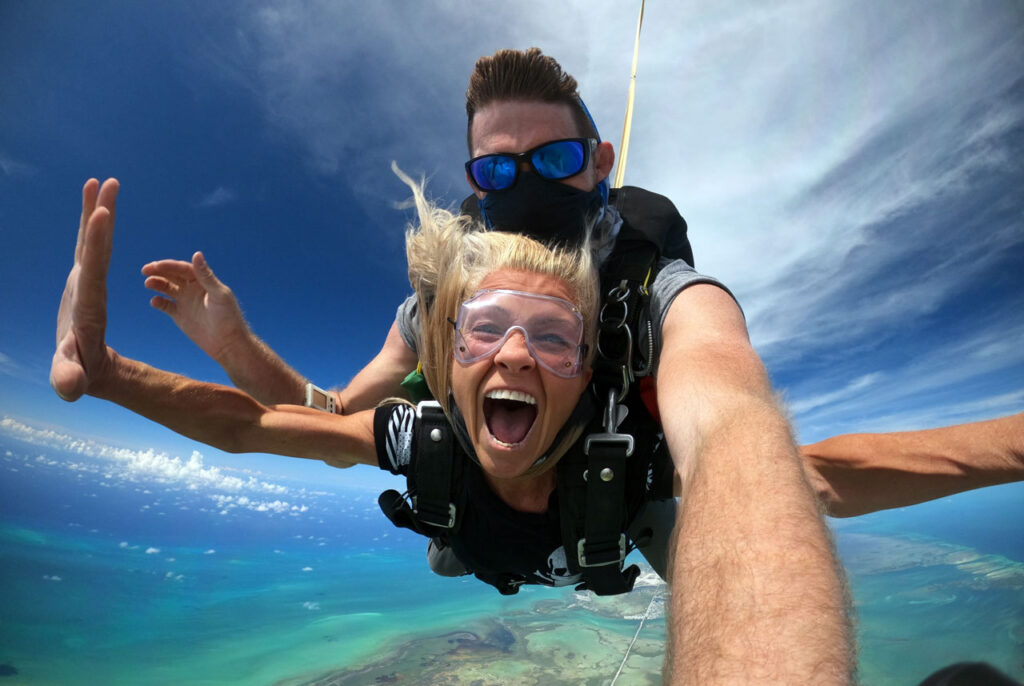
Choosing the right destination can make your skydiving experience much more enjoyable.
First, consider the climate and weather patterns of the destination. Locations with clear skies and mild winds usually offer better skydiving conditions.
Second, research the reputation and safety standards of the skydiving center. Professional operators follow strict safety guidelines and provide experienced instructors.
Finally, think about the type of view you want during your skydive. Some destinations offer ocean views, while others provide mountain landscapes or city skylines.
If you are looking for expert skydiving travel guides, destination tips, and safety information, explore more articles on Skydive Guides here
This platform provides helpful resources for beginners and experienced skydivers alike.
Best Months for Skydiving Around the World
Weather patterns vary by region, but some months are generally better for skydiving globally.
Spring and early summer often bring stable weather conditions in many countries. Autumn months can also provide excellent visibility and comfortable temperatures.
The key is to research your destination carefully and plan your skydiving trip during the local dry season or mild weather period.
Is Weather the Biggest Factor in Skydiving?
Yes, weather is one of the most important factors in skydiving.
Even if a skydiving center has advanced equipment and experienced instructors, unsafe weather can make skydiving dangerous. That is why professionals always wait for safe conditions before allowing jumps.
Clear skies, moderate winds, and good visibility are essential for a smooth and enjoyable skydiving experience.
FAQs About Skydiving Weather
Can you skydive in cloudy weather?
Skydiving usually requires clear visibility. If clouds are too low or visibility is poor, jumps may be delayed until conditions improve.
What wind speed is too strong for skydiving?
Most skydiving centers avoid jumping when wind speeds exceed safe limits, typically around 20 to 30 mph depending on the experience level of the jumper.
Does rain stop skydiving?
Yes, rain usually stops skydiving operations because it reduces visibility and can make parachute equipment unsafe.
What is the best weather for skydiving?
The best skydiving weather includes clear skies, mild temperatures, light winds, and good visibility.
Can skydiving be cancelled due to weather?
Yes, skydiving is often postponed if weather conditions are unsafe. Safety is always the top priority for skydiving operators.
Final Thoughts
Skydiving is an incredible adventure, but weather plays a major role in ensuring a safe and enjoyable jump. Different destinations around the world offer unique skydiving experiences depending on their climate and seasonal weather patterns.
By choosing the right destination and planning your trip during the best weather months, you can enjoy a smoother and more exciting skydiving experience.
If you are planning your first jump or searching for the best skydiving destinations worldwide, explore more expert guides and travel tips at Skydive Guides
With the right preparation and weather conditions, your skydiving adventure can become one of the most unforgettable experiences of your life.