
Skydiving is often considered one of the most thrilling adventure sports in the world. However, many people wonder about the actual safety of the activity. Understanding skydiving statistics in 2026 helps explain how safe modern skydiving really is and why millions of people participate every year.
- Global Skydiving Statistics 2026 (Quick Overview)
- How Many Skydives Happen Each Year?
- Skydiving Fatality Statistics Over the Years
- Why Skydiving Has Become Safer in 2026
- What Happens During a Typical Skydive?
- Countries with the Most Skydiving Activity
- Common Causes of Skydiving Accidents
- Is Skydiving Safe for Beginners?
- The Future of Skydiving Safety
- Conclusion
In this guide, we will explore the latest global skydiving statistics, safety trends, accident data, and how modern technology has made skydiving safer than ever before.
Global Skydiving Statistics 2026 (Quick Overview)
Here are some important statistics that help understand the scale and safety of skydiving worldwide:
| Statistic | Estimated Data |
|---|---|
| Annual skydives worldwide | 6–7 million jumps |
| Average fatality rate | 0.003% |
| Tandem skydiving accident rate | Less than 1 in 500,000 |
| Most common skydiving altitude | 10,000–14,000 feet |
| Freefall speed | 120 mph (193 km/h) |
These numbers show that skydiving has become significantly safer thanks to improved equipment, training standards, and strict regulations.
How Many Skydives Happen Each Year?
Skydiving continues to grow globally, with millions of jumps happening annually. According to industry estimates:
- Over 6 million skydives occur worldwide each year.
- The United States alone accounts for more than 3 million annual jumps.
- Tandem skydiving is the most popular entry-level experience for beginners.
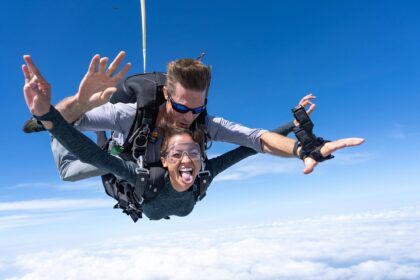
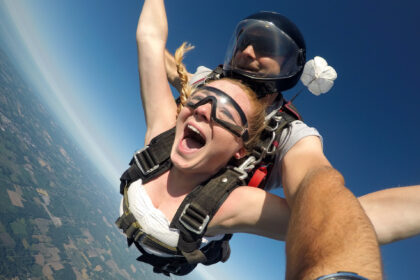
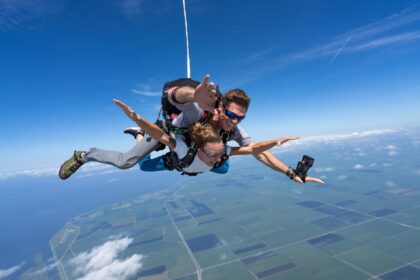
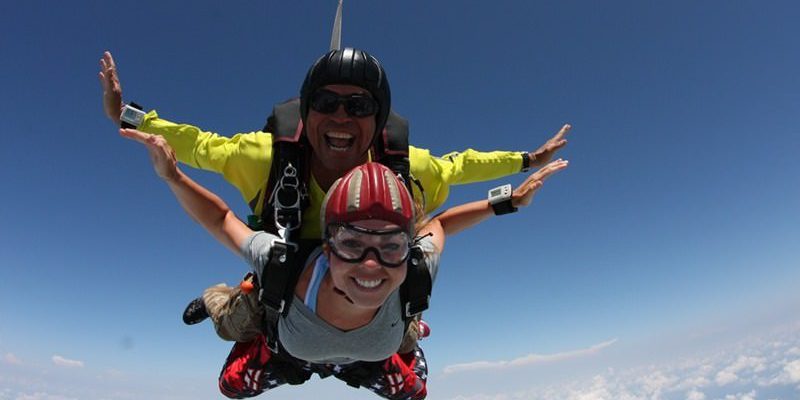
Most people experience skydiving through tandem jumps, where a professional instructor is attached to the participant for safety.
If you’re planning your first jump, understanding the safety factors and preparation tips can help reduce anxiety and make the experience more enjoyable.
For example, this guide explains beginner safety considerations in detail:
is skydiving safe for beginners
Skydiving Fatality Statistics Over the Years
One of the most searched topics related to skydiving is the fatality rate.
Here is how the safety record has evolved over time:
| Year | Fatality Rate (Approx.) |
|---|---|
| 2000 | 0.006% |
| 2010 | 0.005% |
| 2020 | 0.004% |
| 2026 | 0.003% |
The data shows a steady improvement in safety.
This improvement is mainly due to:
- Automatic Activation Devices (AAD)
- Better parachute systems
- Improved instructor training
- Advanced weather monitoring
Why Skydiving Has Become Safer in 2026
Modern skydiving equipment has dramatically improved safety levels.
Some of the key technologies used today include:
1. Automatic Activation Devices (AAD)
AAD systems automatically deploy a reserve parachute if the skydiver fails to deploy one at a safe altitude.
2. Dual Parachute Systems
Skydivers carry two parachutes:
- Main parachute
- Reserve parachute
This redundancy significantly reduces the chance of fatal accidents.
3. GPS and Altimeters
Skydivers use digital altimeters and GPS devices to track altitude and timing during the jump.
What Happens During a Typical Skydive?
Understanding the process can also help explain why the sport is safe.
A typical skydive includes these steps:
- Aircraft climb to altitude (10,000–14,000 ft)
- Exit from aircraft
- Freefall (30–60 seconds)
- Parachute deployment
- Controlled descent
- Landing
If you’re curious about how long a skydive lasts, this guide explains the full experience timeline:
how long does a skydiving experience last
Countries with the Most Skydiving Activity
Skydiving is popular worldwide, but certain countries dominate the industry.
| Country | Annual Skydives |
|---|---|
| USA | 3 million+ |
| Australia | 500,000+ |
| New Zealand | 400,000+ |
| UAE | 200,000+ |
| UK | 150,000+ |
Countries like New Zealand and the UAE attract many tourists because of their scenic drop zones.
Dubai, for example, is famous for luxury skydiving experiences over Palm Jumeirah.
Common Causes of Skydiving Accidents
While rare, accidents can still occur.
The most common causes include:
- Human error
- Poor weather conditions
- Low altitude maneuvers
- Inexperienced solo jumpers
However, tandem skydiving — which most beginners choose — has an extremely low accident rate.
You can read a deeper breakdown of safety risks in this guide:
skydiving weight limit
Is Skydiving Safe for Beginners?
Yes. Tandem skydiving is specifically designed for beginners.
During a tandem jump:
- A certified instructor controls the jump.
- The instructor deploys the parachute.
- Training is provided before the jump.
Because of this structure, tandem skydiving is considered one of the safest ways to experience the sport.
The Future of Skydiving Safety
Looking ahead, the skydiving industry is expected to become even safer due to:
- AI-assisted weather prediction
- Smart parachute technology
- Enhanced training simulations
- Improved safety regulations
These innovations will likely reduce accident rates even further over the next decade.
Conclusion
The skydiving statistics for 2026 clearly show that modern skydiving is much safer than most people think.
With millions of jumps happening every year and advanced safety systems in place, skydiving continues to grow as one of the most popular adventure sports worldwide.
For beginners, understanding the statistics, safety procedures, and equipment can make the experience far less intimidating and far more exciting.