
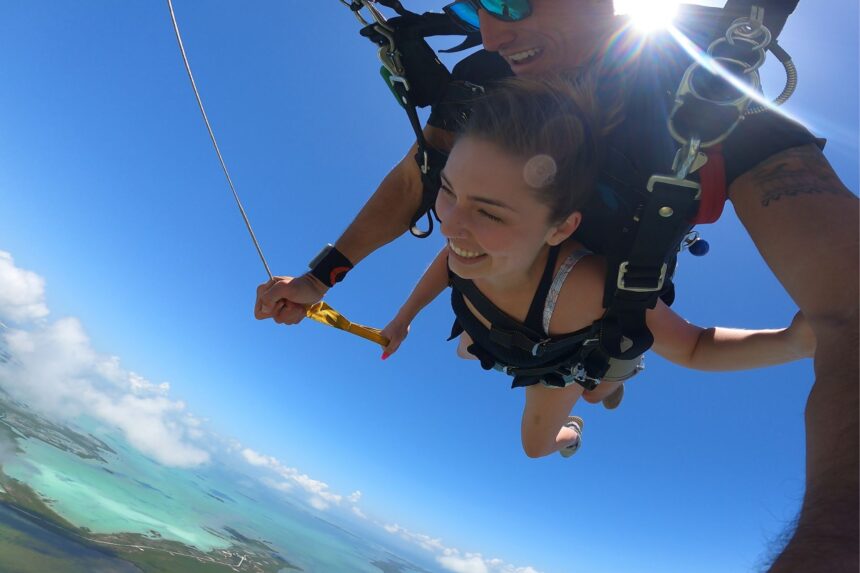
Skydiving has grown into one of the most popular adventure sports in the world. Every year, millions of people experience the thrill of jumping from an aircraft at thousands of feet above the ground. But many people still wonder about the scale of the sport and how safe it really is.
- Global Skydiving Statistics (Quick Overview)
- How Many Skydives Happen Worldwide Each Year?
- Skydiving Safety Statistics Worldwide
- Why Skydiving Has Become Safer Over Time
- Most Popular Countries for Skydiving
- Economic Impact of the Skydiving Industry
- What Happens During a Skydive?
- Future Trends in Skydiving
- Conclusion
- FAQs About Skydiving Statistics Worldwide
Understanding skydiving statistics worldwide provides valuable insight into participation rates, safety improvements, and the growth of the global skydiving industry.
In this detailed guide, we will explore global skydiving numbers, accident rates, safety trends, and the factors that have made modern skydiving significantly safer than in previous decades.
Global Skydiving Statistics (Quick Overview)
Here are some important global skydiving statistics based on industry estimates and aviation organizations:
| Statistic | Global Estimate |
|---|---|
| Annual skydives worldwide | 6–7 million jumps |
| Number of active skydivers globally | 500,000+ |
| Average freefall speed | 120 mph (193 km/h) |
| Average jump altitude | 10,000–14,000 feet |
| Tandem skydiving share | Over 70% of jumps |
These numbers highlight the massive popularity of skydiving around the world.
How Many Skydives Happen Worldwide Each Year?
The skydiving industry performs millions of jumps annually across different continents.
Estimated annual jumps by region:
| Region | Annual Skydives |
|---|---|
| United States | 3 million+ |
| Europe | 1.5 million+ |
| Australia & New Zealand | 800,000+ |
| Asia | 500,000+ |
| Middle East | 200,000+ |
The United States leads the industry due to its large number of drop zones and strong aviation infrastructure.
Organizations such as the United States Parachute Association (USPA) track skydiving activity and safety standards in the US.
Skydiving Safety Statistics Worldwide
Despite its extreme reputation, skydiving has become much safer due to advances in technology and training.
Here are some key safety statistics:
| Safety Metric | Estimated Rate |
|---|---|
| Fatality rate | ~1 per 200,000 jumps |
| Serious injury rate | ~1 per 10,000 jumps |
| Tandem accident rate | Extremely rare |
| Equipment malfunction rate | Very low |
These statistics show that modern skydiving is far safer than many people assume.
If you’re wondering whether skydiving is safe for beginners, this detailed guide explains the safety procedures and risks involved:
is skydiving safe for beginners
Why Skydiving Has Become Safer Over Time
Several factors have contributed to improved safety worldwide.
Advanced Parachute Systems
Modern skydiving equipment includes two parachutes:
- Main parachute
- Reserve parachute
This redundancy significantly reduces the risk of fatal accidents.
Automatic Activation Devices (AAD)
AAD systems automatically deploy the reserve parachute if the skydiver does not deploy one at a safe altitude.
These devices have prevented many potential accidents.
Improved Training Standards
Skydiving instructors follow strict certification programs and training procedures before guiding students.
For example, beginner skydivers must complete training sessions before their first jump.
Understanding factors such as weight limits and preparation requirements is also important before attempting a jump:
skydiving weight limit
Most Popular Countries for Skydiving
Skydiving is practiced in many countries, but some locations have become famous worldwide.
Top skydiving destinations include:
- United States
- New Zealand
- Australia
- Switzerland
- United Arab Emirates
Dubai is particularly famous for skydiving experiences over Palm Jumeirah.
Tourists travel from around the world to experience scenic skydiving locations.
Economic Impact of the Skydiving Industry
Skydiving is not just a sport — it is also a growing tourism industry.
Key industry insights:
- Adventure tourism continues to grow globally.
- Skydiving experiences are popular among travelers seeking unique activities.
- Drop zones create jobs for instructors, pilots, and aviation technicians.
Adventure tourism trends are also tracked by organizations like the Adventure Travel Trade Association (ATTA).
What Happens During a Skydive?
A typical skydiving experience includes several stages:
- Safety briefing and training
- Aircraft ascent to jump altitude
- Exit from the aircraft
- Freefall (30–60 seconds)
- Parachute deployment
- Controlled descent and landing
If you’re curious about the full timeline of a skydiving experience, this guide explains how long the entire process usually takes:
how long does a skydiving experience last
Future Trends in Skydiving
The skydiving industry continues to evolve with new technologies and training methods.
Some emerging trends include:
- AI-assisted weather monitoring
- Smart parachute deployment systems
- Virtual reality skydiving training
- Advanced safety gear
These innovations will likely make skydiving even safer in the coming years.
Conclusion
The latest skydiving statistics worldwide show that the sport continues to grow rapidly while maintaining a strong safety record. With millions of jumps performed every year and strict safety standards in place, skydiving remains one of the most exciting yet well-regulated adventure activities.
Understanding the numbers behind the sport helps people realize that modern skydiving is far safer than its reputation suggests.
For many thrill seekers, skydiving remains the ultimate adventure experience.
FAQs About Skydiving Statistics Worldwide
How many skydives happen worldwide each year?
It is estimated that more than 6–7 million skydives occur globally every year.
What is the global skydiving fatality rate?
The average fatality rate is approximately 1 death per 200,000 jumps, making it statistically safer than many people believe.
Which country has the most skydives?
The United States performs the largest number of skydives annually due to its large aviation infrastructure and many drop zones.
Is tandem skydiving safer than solo skydiving?
Yes. Tandem skydiving is considered the safest way for beginners to experience the sport because a trained instructor controls the jump.
What altitude do most skydives happen from?
Most skydives take place between 10,000 and 14,000 feet above ground level.