
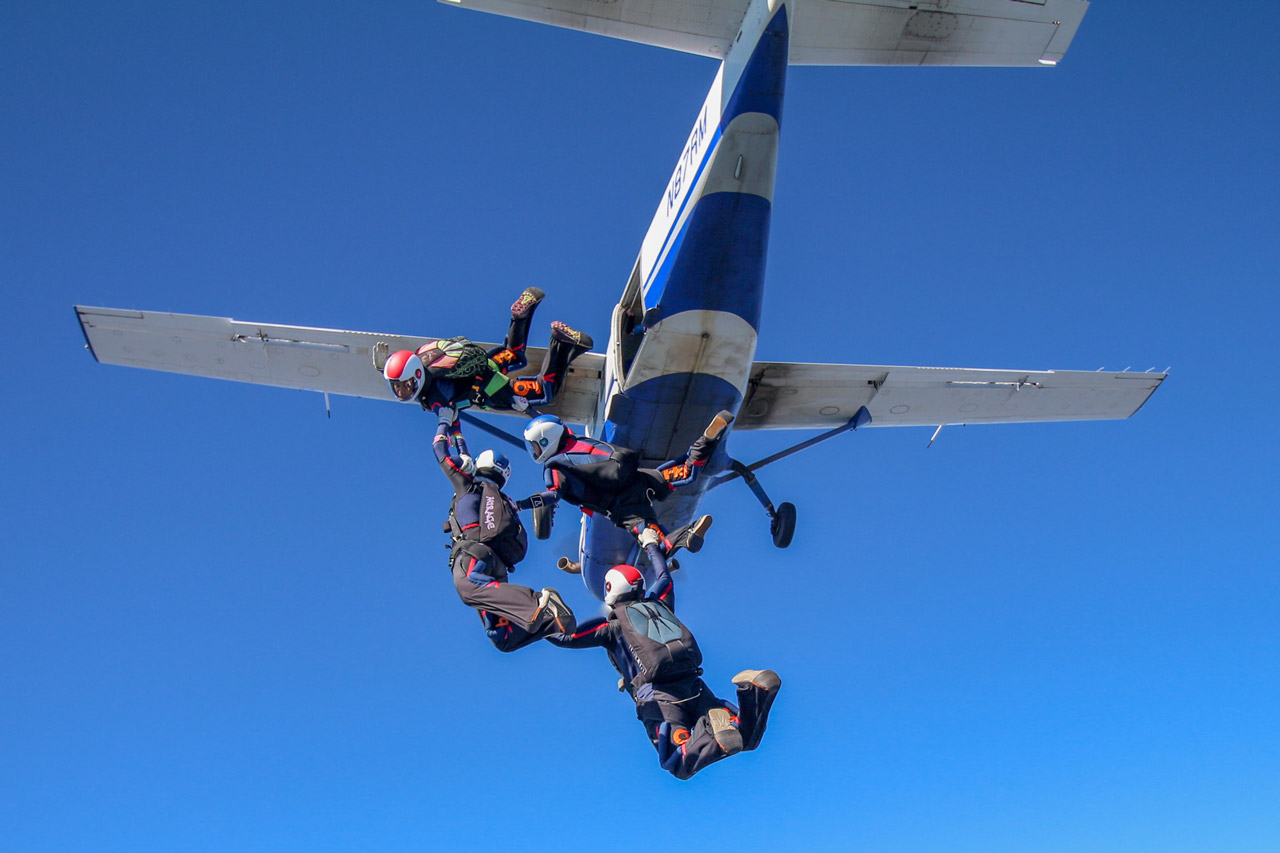
Skydiving may appear to be all about the jump itself, but one of the most important parts of the experience happens before the jump even begins — the aircraft that takes skydivers to altitude.
Different types of aircraft are used for skydiving depending on the drop zone, altitude requirements, and number of skydivers on board. Understanding skydiving aircraft types helps explain how skydiving operations work and why certain planes are commonly used around the world.
In this guide, we’ll explore the most common aircraft used for skydiving, how they are modified for skydiving operations, and why specific planes are preferred for different types of jumps.
Why Special Aircraft Are Used for Skydiving
Skydiving aircraft are different from regular passenger planes.
These planes are designed or modified to support skydiving operations by offering:
- Large door openings for safe exits
- Fast climb rates to reach jump altitude quickly
- Spacious interiors for multiple skydivers
- Reliable flight performance at high altitudes
Drop zones choose aircraft that can efficiently carry skydivers to 10,000–14,000 feet, which is the most common jump altitude.
If you’re curious about what happens during the full skydiving process, this guide explains the entire experience timeline from takeoff to landing:
how long does a skydiving experience last
Most Common Skydiving Aircraft Types
Several aircraft models have become industry standards for skydiving operations.
Cessna 182
The Cessna 182 is one of the most widely used aircraft for skydiving at smaller drop zones.
Key features include:
- Capacity for 3–4 skydivers
- Reliable performance
- Relatively low operating cost
Because of its affordability and reliability, the Cessna 182 is often used for training and smaller skydiving operations.
De Havilland Twin Otter
The Twin Otter is considered one of the best aircraft for skydiving.
Features include:
- Capacity for 20+ skydivers
- Large side door for easy exits
- Fast climb speed
Many major drop zones around the world use Twin Otter aircraft because they can carry large groups of skydivers efficiently.
Cessna Caravan
The Cessna Caravan is another extremely popular skydiving aircraft.
Advantages include:
- Capacity for 15–18 skydivers
- Powerful turboprop engine
- High reliability
The Caravan is widely used at professional drop zones and commercial skydiving centers.
Pilatus PC-6 Porter
The Pilatus Porter is known for its exceptional short takeoff and landing capabilities.
Key features:
- Strong climb performance
- High altitude capability
- Excellent reliability
This aircraft is often used in mountainous regions where short runways are common.
Skyvan
The Short SC.7 Skyvan is a unique aircraft designed specifically for cargo transport but commonly used for skydiving.
Advantages include:
- Large rear ramp door
- Capacity for large skydiving groups
- Easy exit for formation skydiving
Skyvan aircraft are often used for formation skydiving events and group jumps.
How Skydiving Aircraft Are Modified
Aircraft used for skydiving often undergo modifications to improve safety and functionality.
Common modifications include:
- Large sliding doors for skydiver exits
- Removal of passenger seats to create open space
- Safety bars and handholds inside the cabin
- Step platforms for stable exits
These modifications make it easier and safer for skydivers to exit the aircraft.
Organizations such as the Federal Aviation Administration (FAA) regulate aviation safety standards for skydiving aircraft operations.
Typical Skydiving Flight Process
A typical skydiving flight follows a specific sequence.
- Skydivers board the aircraft at the drop zone
- The aircraft climbs to jump altitude (10,000–14,000 feet)
- Instructors perform final safety checks
- Skydivers exit the aircraft
- The aircraft descends and prepares for the next flight
This process allows drop zones to complete multiple skydiving flights per day.
Understanding the safety requirements before jumping is also important. For example, skydiving centers enforce specific weight limits for safety reasons
Why Aircraft Choice Matters in Skydiving
The type of aircraft used can significantly affect the skydiving experience.
Important factors include:
- Number of skydivers per flight
- Time required to reach jump altitude
- Comfort during the flight
- Efficiency of drop zone operations
Large aircraft allow drop zones to operate more efficiently and handle higher volumes of skydivers.
Future Aircraft Innovations in Skydiving
The aviation industry continues to explore new technologies that could impact skydiving operations.
Potential future developments include:
- Electric aircraft for skydiving flights
- More fuel-efficient turboprop engines
- Advanced navigation systems
- Improved aircraft safety monitoring
These innovations could make skydiving operations even more efficient and environmentally friendly.
Conclusion
Understanding skydiving aircraft types helps explain the essential role aircraft play in the skydiving experience. From small training aircraft like the Cessna 182 to large group-carrying planes like the Twin Otter, each aircraft type is chosen for its ability to safely and efficiently transport skydivers to jump altitude.
With specialized modifications and strict aviation regulations, skydiving aircraft remain one of the most important components of safe and successful skydiving operations worldwide.
Aircraft are just one part of the equipment used in modern skydiving. To learn more about the full set of gear used during jumps, explore our detailed guide on skydiving equipment explained.
If you’re curious about what happens once skydivers leave the aircraft, our skydiving experience timeline explains the entire jump process step by step.
You can also review global skydiving statistics worldwide to see how the sport continues to grow across different countries.
FAQs About Skydiving Aircraft
What type of plane is used for skydiving?
Common skydiving aircraft include the Cessna 182, Twin Otter, Cessna Caravan, Pilatus Porter, and Skyvan.
How high do skydiving planes fly?
Most skydiving aircraft climb to altitudes between 10,000 and 14,000 feet.
How many people can fit in a skydiving plane?
Capacity varies by aircraft, ranging from 3–4 skydivers in small planes to 20+ in larger aircraft.
Are skydiving aircraft safe?
Yes. Skydiving aircraft are maintained under strict aviation regulations and safety standards.
Why do skydiving planes have large doors?
Large doors allow skydivers to exit the aircraft safely and efficiently during the jump.