

If you recently completed a jump and noticed discomfort or pressure in your ears, you’re not alone. Many first-time jumpers ask the same question: why does my ear pop after skydiving, and is it something to worry about? The sensation can feel strange, especially during descent, but in most cases it is completely normal and temporary.
During a skydive, your body experiences rapid altitude changes, which affect air pressure inside the middle ear. This pressure difference causes the familiar popping sensation — similar to what you might feel on an airplane. For most people, the feeling resolves quickly, but sometimes it can linger for hours or even a day.
In this guide, you’ll learn exactly why ear popping happens after skydiving, how to fix it safely, when to seek medical help, and how to prevent it during your next jump. Whether you’re preparing for your first tandem jump or planning another adventure, this article will help you stay comfortable and confident in the sky.
If you’re still planning your first experience, it’s helpful to understand the full process ahead of time. Our guide on what happens during your first jump explains the complete timeline from boarding the aircraft to landing.
What Causes Ear Popping After Skydiving?
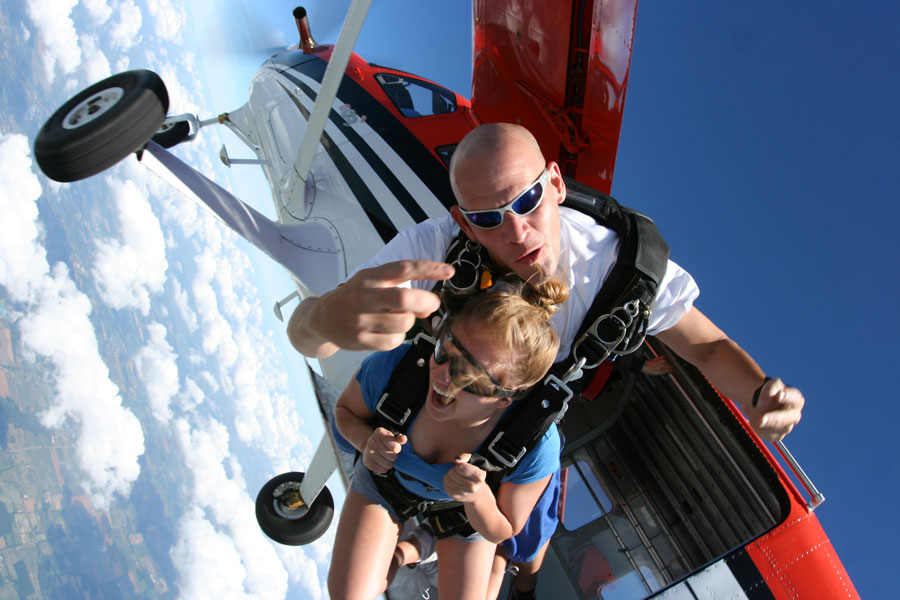
Ear popping after skydiving happens because of rapid changes in atmospheric pressure. As the aircraft climbs to altitude and later descends quickly during freefall and parachute deployment, the pressure outside your body changes faster than the pressure inside your ears can adjust.
Inside your ear is a small passage called the Eustachian tube. Its job is to equalize pressure between the middle ear and the outside environment. When pressure changes quickly, this tube may temporarily struggle to balance the difference, creating the popping sensation.
This is especially noticeable during the descent phase of a skydive. Unlike driving down a mountain, skydiving involves rapid vertical movement, sometimes dropping thousands of feet in just minutes. That sudden shift in altitude is what makes ear popping more noticeable than during everyday activities.
Most experienced skydivers recognize this sensation as a normal part of the sport. In fact, understanding how your body responds to altitude changes is considered basic safety knowledge. If you’re new to the activity, reviewing general safety guidelines — such as those outlined in our article on skydiving safety rules and preparation — can help you feel more prepared before your jump.
Is It Normal for Your Ear to Pop After Skydiving?
Yes, ear popping after skydiving is very common and usually harmless. The majority of first-time jumpers experience mild pressure changes in their ears during the descent, especially if they are unfamiliar with altitude changes.
In most cases, the sensation lasts only a short time. It may resolve within minutes after landing or gradually fade within a few hours. Some people notice slight muffled hearing or a feeling of fullness in the ear, but this typically disappears on its own.
However, certain conditions can increase the likelihood of ear discomfort. If you have a cold, sinus congestion, allergies, or an ear infection, your Eustachian tubes may not function properly. This makes it harder for your ears to equalize pressure during rapid altitude changes.
Skydiving centers usually ask about these health conditions during check-in because they can affect comfort and safety. Understanding personal health requirements is just as important as knowing equipment limits. For example, many beginners are surprised to learn about physical restrictions such as body weight limits. You can review those details in our guide on skydiving weight limit rules and restrictions, which explains why these safety standards exist.
How Long Does Ear Popping Last After Skydiving?
For most people, ear popping after skydiving lasts only a short period. The exact duration depends on how quickly your ears equalize pressure and whether any underlying congestion is present.
In typical situations, the sensation resolves within a few minutes to a few hours after landing. Some jumpers may notice mild pressure or temporary hearing changes that last up to 24 hours. This is still considered normal, especially if the jump involved a high altitude such as 14,000 feet or higher.
If symptoms persist beyond one or two days, it may indicate irritation or mild inflammation in the ear canal. While this is uncommon, it can happen when pressure changes occur too quickly or when the ears are already congested before the jump.
Professional instructors often emphasize hydration, rest, and proper breathing techniques after landing because these simple steps help the body recover faster from pressure changes. Staying relaxed and allowing your ears time to adjust is usually all that is needed.
5 Ways to Fix Ear Popping After Skydiving Fast
If your ears feel blocked or uncomfortable after a jump, there are several safe and effective methods to relieve the pressure. These techniques are commonly recommended by skydiving instructors and medical professionals because they help equalize pressure naturally.
1. Swallow or Yawn Slowly
Swallowing and yawning activate muscles that open the Eustachian tubes. This allows trapped air to move freely and equalize pressure inside the ear. Many jumpers notice immediate relief after repeating this action a few times.
Drinking water can make this process easier because it encourages frequent swallowing and keeps the throat muscles active.
2. Try the Gentle Valsalva Maneuver
This method involves closing your mouth, pinching your nose, and gently blowing air outward. The goal is to push air into the middle ear to balance pressure.
It is important to perform this technique carefully. Blowing too hard can cause discomfort or irritation, so slow and gentle pressure is the safest approach.
3. Stay Hydrated
Hydration plays a surprisingly important role in ear comfort. When the body is dehydrated, mucus becomes thicker and can block the Eustachian tubes. Drinking water helps keep these passages clear and functioning properly.
Many instructors recommend drinking water both before and after a jump to support overall recovery.
4. Use Steam or Warm Air
Warm steam from a shower or humid environment can help loosen congestion and improve airflow in the ear canal. This is especially helpful if you recently had a cold or sinus pressure before your skydive.
Even a short exposure to warm air can reduce pressure and make equalization easier.
5. Give Your Body Time to Adjust
In most cases, the simplest solution is patience. The human body naturally equalizes pressure over time, and forcing the process can cause unnecessary irritation.
Resting, staying calm, and avoiding sudden altitude changes immediately after a jump allows your ears to recover naturally.
When Should You Worry About Ear Popping After Skydiving?
While ear popping is usually harmless, certain symptoms may indicate a more serious issue. Persistent pain, dizziness, or hearing loss should never be ignored.
If you experience sharp ear pain that lasts longer than 48 hours, fluid drainage from the ear, or severe balance problems, it is important to seek medical attention. These symptoms may suggest barotrauma, a condition caused by pressure-related injury to the ear.
Fortunately, such complications are rare in recreational skydiving, especially when jumps are conducted by certified instructors using modern equipment and proper procedures.
Understanding risk levels can help reduce anxiety before your jump. For example, many people are surprised to learn that skydiving has a very low fatality rate compared to everyday activities. Our article comparing driving versus skydiving safety statistics explains these numbers in detail and helps put risks into perspective.
How to Prevent Ear Popping During Your Next Skydive
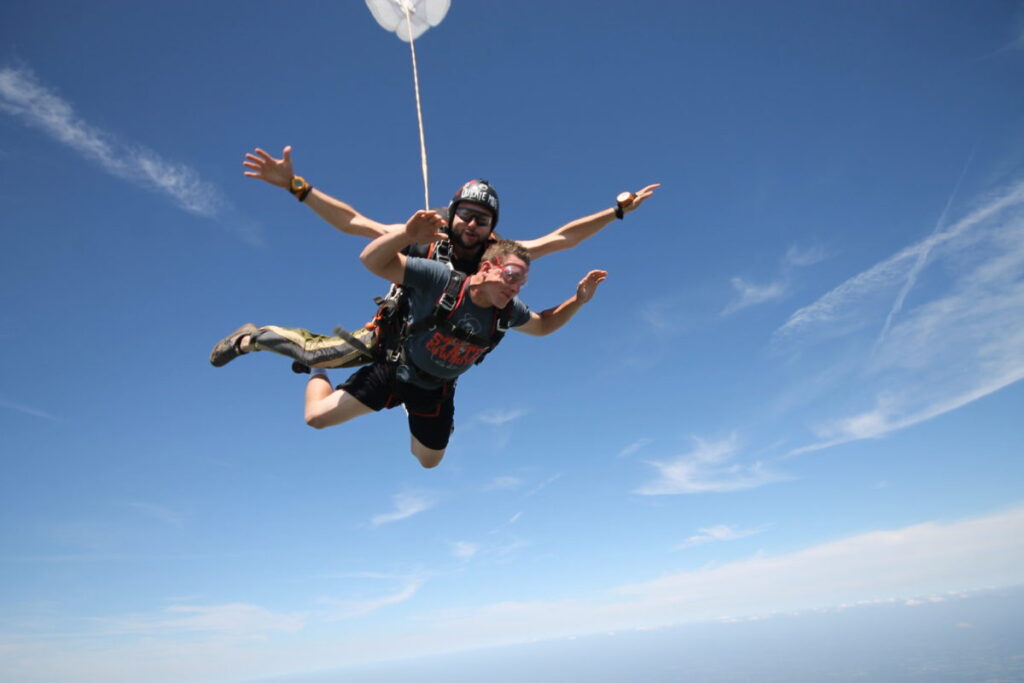
Prevention is often easier than treatment. With a few simple precautions, most jumpers can significantly reduce the chances of ear discomfort during a skydive.
The most important step is avoiding skydiving when you are sick or congested. Even mild nasal blockage can interfere with pressure equalization. If you have a cold, sinus infection, or severe allergies, postponing your jump is the safest choice.
Breathing slowly and staying relaxed during descent also helps regulate pressure changes. Anxiety can cause muscle tension, which may make equalization more difficult. Listening carefully to your instructor and following their guidance ensures a smoother and more comfortable experience.
Wearing comfortable clothing and staying hydrated are additional factors that support overall physical readiness. Preparing your body properly is part of responsible skydiving practice and contributes to a safer, more enjoyable jump.
Does Ear Popping Mean Skydiving Is Unsafe?
No, ear popping does not mean skydiving is unsafe. It is simply a normal response to rapid altitude changes. Commercial aviation passengers experience the same sensation during takeoff and landing, and skydivers encounter it for the same reason.
Modern skydiving operations follow strict safety standards, including equipment inspections, instructor certification, and weather monitoring. These procedures significantly reduce risks and ensure that jumps are conducted under controlled conditions.
For beginners, understanding how safety systems work can build confidence before the first jump. If you want a detailed overview of preparation steps, training procedures, and equipment checks, reading our guide on what to expect on your first skydive can provide valuable reassurance.
Can You Skydive Again If Your Ear Popped?
Yes, you can usually skydive again even if your ear popped during a previous jump. Most people experience this sensation at least once, especially during their first few jumps.
Before scheduling another jump, make sure your ears feel completely normal. If you still have pressure, discomfort, or congestion, waiting a few days is the safest approach. This allows your body to recover fully and reduces the risk of irritation during the next descent.
Many experienced skydivers develop simple routines to prepare for altitude changes. These habits include staying hydrated, breathing slowly, and practicing gentle equalization techniques before the aircraft reaches full altitude.
With proper preparation, repeat jumps are typically more comfortable because the body becomes familiar with pressure changes.
Final Thoughts
Understanding why does my ear pop after skydiving can make your experience less stressful and more enjoyable. In most cases, ear popping is a normal reaction to altitude changes and resolves quickly without treatment. Simple actions like swallowing, staying hydrated, and relaxing after landing are usually enough to restore comfort.
Skydiving remains one of the safest and most thrilling adventure activities when performed at certified drop zones. Knowing how your body responds to pressure changes is part of becoming a confident and informed jumper.
If you’re planning your next adventure, take time to prepare properly, listen to your instructor, and choose a reputable skydiving center. With the right preparation, your jump can be both safe and unforgettable.