

You’ve made the decision. You’re going skydiving. The nerves are already setting in, the excitement is building, and now comes the part that most first-timers overlook entirely: choosing the right drop zone. Not all skydiving centres are the same, and picking the wrong one can turn an incredible bucket-list moment into a frustrating or even unsafe experience. The good news is that finding the perfect drop zone near you is easier than you think — as long as you know what to look for.
This guide walks you through everything you need to know about choosing the best skydiving facility in 2026, what questions to ask before booking, and why the drop zone you jump at matters just as much as the jump itself.
What Is a Drop Zone and Why Does It Matter?
A drop zone — often called a DZ by skydivers — is the facility where all skydiving activity takes place. It includes the aircraft used to take jumpers to altitude, the packing and training areas, the landing zone, and the full team of instructors, pilots, packers, and ground crew who make each jump happen safely.
In the United States, there are over 250 active drop zones affiliated with the United States Parachute Association (USPA). Each USPA-affiliated drop zone agrees to follow a set of standardised safety standards, training requirements, and equipment guidelines. This affiliation is one of the first things you should verify when researching a facility. A drop zone that is not a USPA member is operating outside the industry’s established safety framework — and that is a serious warning sign.
The difference between a great drop zone and an average one goes far beyond price. It shows up in the quality of the aircraft, the experience level of the instructors, the condition and maintenance of the equipment, the culture of safety at the facility, and the overall experience you have from the moment you arrive to the moment you land.
How to Search for Skydiving Drop Zones Near You
The most reliable starting point for finding a drop zone is the official USPA Drop Zone Locator at uspa.org. This tool lets you search by city, state, or zip code and shows you all verified USPA member drop zones within a given radius. Every result has been vetted by the USPA, which gives you an important baseline of credibility before you even pick up the phone.
Once you have a list of options nearby, it is time to do your research. Start by checking each facility’s online reviews on Google and look specifically at comments from first-time jumpers. What was the wait time like? Did the staff make people feel comfortable and informed before the jump? Were there any surprise fees after booking? These details tell you a lot about the professionalism and transparency of the operation.
It is also worth looking at how long the drop zone has been operating. A facility that has been running for 10, 20, or even 30 years has built a reputation over time, maintained safety standards through regulatory changes, and developed experienced staff. Longevity in this industry is not just a sign of business success — it is a signal of consistent safety culture.
You can browse and compare verified drop zones across the United States and internationally at Skydive Guides, where destination guides, safety overviews, and booking information are all in one place.
Key Things to Look for in a Quality Drop Zone
When evaluating a skydiving facility, there are several factors that should guide your decision beyond just the price of the jump.
The aircraft fleet is one of the most important considerations. Larger turbine aircraft such as the Twin Otter or Pilatus Porter can carry more jumpers at once and reach altitude much faster than smaller single-engine planes like the Cessna 182. This directly affects your freefall time and your overall jump experience. Drop zones that fly turbine aircraft to 14,000 feet or higher offer a significantly better experience than those limited to 9,000 or 10,000 feet.
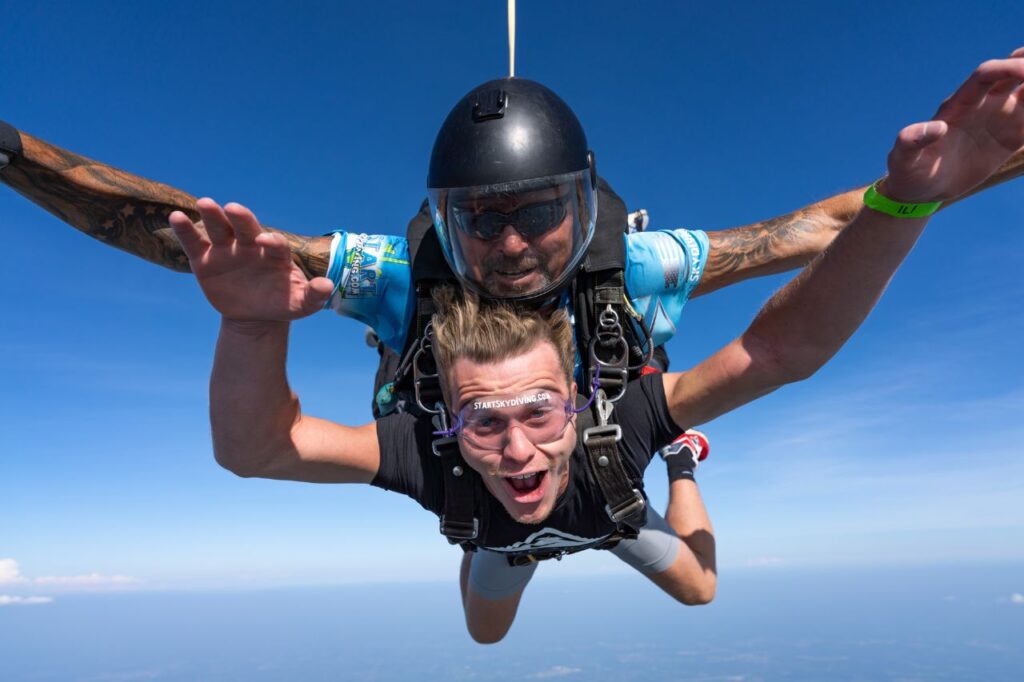
Jump altitude matters enormously. From 14,000 feet, a tandem pair will freefall for approximately 60 seconds before parachute deployment. From 9,000 feet, that drops to around 30 seconds. You are paying for the experience — and freefall time is the experience. Some premium facilities even offer jumps from 18,000 feet using supplemental oxygen, which gives you up to 90 seconds of freefall. Always confirm the jump altitude when comparing pricing across facilities.
Instructor experience is non-negotiable. Your tandem instructor is the person keeping you safe from the moment you leave the plane to the moment you touch the ground. Most quality drop zones will openly share the average jump count of their instructor staff. Instructors with thousands of jumps and years of experience are not the same as those who just completed certification. Ask about this before you book.
Finally, check what is actually included in the price. Some drop zones offer genuinely competitive pricing that includes quality altitude, experienced instructors, and all equipment. Others advertise low prices but charge extra for things you would reasonably expect to be included, or they achieve that price by jumping from a lower altitude. Transparency about pricing is a sign of a trustworthy operation.
Indoor Skydiving vs Outdoor Drop Zones: Which Is Right for You?
Before committing to an outdoor drop zone, it is worth knowing that indoor skydiving — using a vertical wind tunnel — is a legitimate and increasingly popular option for people who want to experience the sensation of freefall without jumping from an aircraft.
Indoor skydiving facilities, such as those operated by iFly, allow you to float in a controlled airstream in a safe, climate-controlled environment. Sessions typically cost between $60 and $120 and last around 2 minutes of actual flying time, which is the freefall equivalent of several skydives. For people who are nervous about heights, have physical limitations, or simply want a taste of the sport before committing to an outdoor jump, wind tunnel time is an excellent entry point.
That said, indoor skydiving does not replicate the full experience of jumping from an aircraft — the altitude, the door, the canopy ride, and the views are unique to the real thing. Many experienced skydivers use wind tunnels for body flight training between outdoor jumping seasons, but the two experiences genuinely complement rather than replace each other.
Red Flags to Watch for When Booking a Drop Zone
Not every skydiving operation is equally trustworthy, and knowing the warning signs can protect you from a bad experience or worse.
Any drop zone that is not a USPA member should be approached with serious caution. USPA membership is the industry baseline for safety standards in the US. A facility operating outside this framework is not subject to the same oversight, instructor requirements, or safety protocols.
Extremely low pricing that seems too good to be true usually is. The economics of running a safe, professional skydiving operation are significant — aircraft maintenance, fuel, qualified instructors, certified equipment, and liability insurance all cost money. A price significantly below the regional average often reflects corners being cut somewhere in that chain.
Poor communication before your visit is another warning sign. A reputable drop zone should be easy to reach, happy to answer your questions, and transparent about what is included in your booking. If you struggle to get straightforward answers about altitude, instructor experience, or pricing before you arrive, that tells you something about the operation.
Outdated or poorly maintained equipment visible around the facility, unclear safety briefings, and a rushed or dismissive attitude toward first-time jumpers are all reasons to reconsider. Your safety depends on the standards of the operation — trust your instincts if something feels off.
Planning Your Visit: What to Expect on Jump Day
Once you have chosen your drop zone and made your booking, a few simple preparations will make your jump day go as smoothly as possible. Wear comfortable, athletic clothing — think gym wear rather than anything loose, baggy, or featuring straps and buckles that could interfere with your harness. Lace-up athletic shoes are the best footwear choice. Leave jewellery, sandals, and open-toed shoes at home.
Plan to arrive at least 30 to 45 minutes before your scheduled time. Drop zones operate on aircraft scheduling, and being late can mean missing your load and waiting for the next available slot. Most facilities require around 4 to 6 hours from arrival to landing, particularly on busy weekend days when multiple loads of jumpers are going up throughout the day.
You will be asked to sign a waiver before your jump. Read it carefully — it is a real legal document that covers the inherent risks of the activity. If you have any medical conditions, particularly related to your heart, back, neck, or recent surgeries, discuss these with the drop zone staff and consult your doctor before you go.
Eat a normal, moderate meal beforehand. Going up hungry is uncomfortable, and going up with a very full stomach can make freefall feel worse than it should. Stay hydrated, and avoid alcohol completely — no reputable drop zone will allow intoxicated participants anywhere near the aircraft.
For everything you need to plan a safe, informed, and unforgettable skydiving experience, visit Skydive Guides and explore detailed destination guides and drop zone comparisons across the US and worldwide.
Frequently Asked Questions About Finding a Skydiving Drop Zone
How do I know if a drop zone is safe and legitimate?
The most reliable verification is USPA membership. You can search the USPA Drop Zone Locator at uspa.org to confirm that a facility is an active member. Beyond this, check Google reviews from recent first-time jumpers, ask about instructor experience and jump altitude, and look for signs of transparent, professional communication before you book.
How far should I be willing to travel to find a good drop zone?
This depends entirely on the options in your area. In most parts of the United States, there is at least one USPA-affiliated drop zone within a reasonable drive. However, travelling an extra hour or two to reach a highly-rated facility with better aircraft, more experienced staff, and a stronger safety record is almost always worth it compared to jumping at a closer but lower-quality operation.
What altitude should I expect for a tandem skydive?
Most reputable drop zones offer tandem jumps from 13,000 to 14,500 feet, which gives approximately 60 seconds of freefall. Some premium facilities offer jumps from 15,000 to 18,000 feet for an even longer experience. Be cautious of any operation advertising heavily discounted prices that turn out to involve jump altitudes below 10,000 feet, as this significantly reduces your freefall time.
Can I walk in to a drop zone without a booking?
Some drop zones accept walk-in jumpers on quieter weekdays, but most strongly recommend booking in advance — especially on weekends. Walking in without a reservation risks a long wait or being turned away entirely. Online bookings are also typically cheaper than walk-in rates at most facilities.
Is there a best time of year to go skydiving?
Weather is the biggest variable in skydiving. In most parts of the US, late spring through early autumn offers the best combination of good weather and long days. In warmer states like Florida, California, and Texas, jumping is possible year-round. Check local seasonal patterns and the drop zone’s cancellation policy before booking around unpredictable weather windows.
What should I wear to a skydiving drop zone?
Wear comfortable, close-fitting athletic clothes and lace-up athletic shoes. Avoid jewellery, scarves, sandals, boots, high heels, or anything loose that could catch on equipment or become uncomfortable during freefall. The drop zone will provide you with a jumpsuit, goggles, harness, and helmet.
Do I need to be physically fit to skydive?
You do not need to be an athlete to make a tandem skydive. The main requirements are meeting the weight limit (usually 220 to 250 pounds depending on the facility), being at least 18 years old, and being in reasonably good general health. If you have any significant medical conditions — particularly heart, back, neck, or neurological conditions — speak with your doctor before booking.
Ready to Find Your Perfect Drop Zone?
Choosing the right drop zone is the first and most important step toward the skydive of a lifetime. Take the time to research your options, verify USPA membership, ask the right questions, and book at a facility where safety, transparency, and experience are clearly the priority.
Your adventure starts long before you step into the aircraft. Make sure it starts at the right place. Explore drop zone guides, compare locations, and plan your jump safely at www.skydiveguides.com.