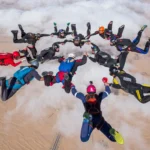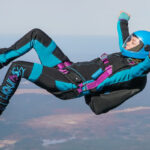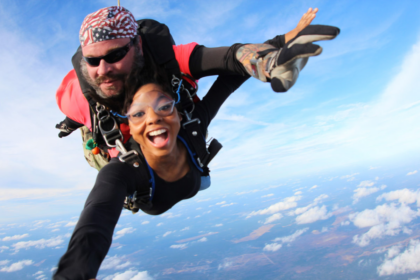

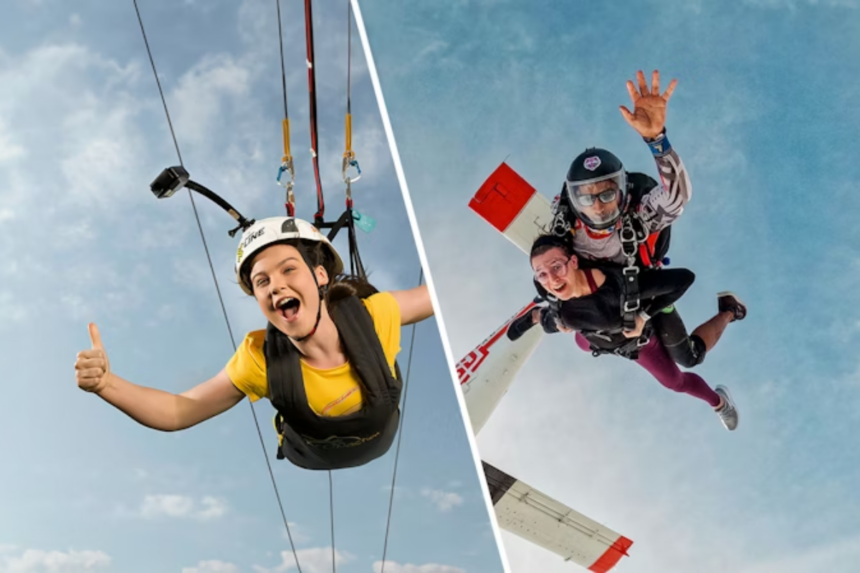
The convergence of extreme sports and social media has created an entirely new career path: the skydiving influencer. In 2026, content creators are earning six-figure incomes by documenting their freefall experiences, partnering with gear manufacturers, and inspiring millions to take the leap. What was once a niche hobby has transformed into a viable profession where passion for skydiving meets strategic content creation.
- Quick Answer Box
- Table of Contents
- The Skydiving Influencer Landscape in 2026
- Prerequisites: Skills and Certifications You Need
- Essential Equipment for Skydiving Content Creation
- Finding Your Unique Niche as a Skydiving Influencer
- Content Strategy: What Top Skydiving Influencers Post
- Building and Growing Your Audience
- Monetization: How Skydiving Influencers Make Money
- Partnerships and Sponsorships
- Legal, Safety, and Ethical Considerations
- Frequently Asked Questions
- Q: How many jumps do I need before becoming a skydiving influencer?
- Q: How much money do skydiving influencers make?
- Q: What camera equipment do I need to start as a skydiving influencer?
- Q: Can I become a skydiving influencer if I’m still afraid of heights?
- Q: How long does it take to become a successful skydiving influencer?
- Q: Do I need to travel internationally to succeed as a skydiving influencer?
- Q: What’s the difference between a skydiving influencer and a professional skydiver?
- Q: How do I handle negative comments or criticism as a skydiving influencer?
- Q: Can I be a skydiving influencer part-time while working a full-time job?
- Q: What are the biggest mistakes new skydiving influencers make?
- Q: How do I balance creating content with actually enjoying skydiving?
- Q: What certifications beyond USPA A-License should I pursue as a skydiving influencer?
- Q: How important is video quality versus posting frequency for skydiving influencers?
- Q: Should I focus on one platform or be active on multiple platforms simultaneously?
- Q: How do I stand out when there are already established skydiving influencers?
- Conclusion
According to a 2025 study by the Adventure Marketing Institute, skydiving content generates 4.3 times more engagement than average social media posts, with videos receiving an average of 127,000 views compared to 29,000 for typical travel content. This extraordinary engagement rate has attracted brands ranging from GoPro and Red Bull to luxury travel companies and lifestyle brands seeking authentic adventure narratives.
Whether you’re a licensed skydiver looking to monetize your passion or an aspiring influencer drawn to extreme sports content, becoming a skydiving influencer requires more than just jumping from planes with a camera. This comprehensive guide reveals the strategies, equipment, partnerships, and content frameworks used by top skydiving influencers earning $5,000 to $50,000 monthly. You’ll discover how to build an authentic following, create compelling aerial content, secure sponsorships, and navigate the unique challenges of this high-altitude niche.
Quick Answer Box
How to Become a Skydiving Influencer:
- Get certified – Earn your USPA A-License minimum (25+ jumps) to create authentic, solo content
- Invest in equipment – Quality camera gear ($1,500-5,000) including helmet mounts and stabilizers
- Choose your niche – Specialize in instructional, lifestyle, travel, or extreme skydiving content
- Post consistently – Share 4-7 times weekly across platforms with emphasis on Instagram Reels and TikTok
- Build relationships – Network with drop zones, gear manufacturers, and fellow skydivers
- Monetize strategically – Combine sponsorships, affiliate marketing, coaching, and content creation
- Prioritize safety – Never compromise jump safety for content; credibility depends on professionalism
Table of Contents
- The Skydiving Influencer Landscape in 2026
- Prerequisites: Skills and Certifications You Need
- Essential Equipment for Skydiving Content Creation
- Finding Your Unique Niche as a Skydiving Influencer
- Content Strategy: What Top Skydiving Influencers Post
- Building and Growing Your Audience
- Monetization: How Skydiving Influencers Make Money
- Partnerships and Sponsorships
- Legal, Safety, and Ethical Considerations
- Frequently Asked Questions
The Skydiving Influencer Landscape in 2026
The skydiving influencer space has matured significantly over the past five years, evolving from amateur GoPro footage to professionally produced aerial cinematography that rivals Hollywood productions.
Market Size and Opportunity
The extreme sports influencer market reached $2.3 billion in 2025, with skydiving content representing approximately 8% of that total according to Influencer Marketing Hub. Unlike saturated niches like fashion or fitness, skydiving influencer marketing remains relatively accessible for newcomers who bring authentic expertise and compelling storytelling.
Currently, there are an estimated 500-700 skydiving influencers worldwide with 10,000+ followers, compared to millions of general lifestyle influencers. This smaller pool means less competition but also requires higher content quality to capture audience attention.
Who Are Today’s Top Skydiving Influencers?
The most successful skydiving influencers fall into several categories:
Professional Athletes: Licensed competitors with 1,000+ jumps who document competitions, training, and world records. They typically have 100,000-2M+ followers and earn through prize money, sponsorships, and speaking engagements.
Adventure Travel Creators: Skydivers who combine jumping with worldwide travel, showcasing destinations while building lifestyle brands. Follower counts range from 50,000-500,000 with diversified income streams.
Instructional Experts: Certified instructors who teach skydiving techniques, safety protocols, and progression paths. These educators typically have 20,000-100,000 followers and monetize through courses, coaching, and gear reviews.
Lifestyle Storytellers: Creators who position skydiving as one element of an adventurous lifestyle, attracting audiences interested in personal development and overcoming fear. Follower counts vary widely (10,000-300,000) with engagement rates often exceeding larger accounts.
Demographic Insights
According to 2025 data from Social Blade and Hootsuite, the skydiving influencer audience skews:
- 65% male, 35% female (though female skydiving influencers often have higher engagement rates)
- Primary age range: 25-44 years (68%)
- Secondary age range: 18-24 years (22%)
- Geographic concentration: USA (35%), Europe (28%), Australia (12%), Rest of World (25%)
- Average household income: $75,000-120,000 (adventure activities require disposable income)
This demographic represents high-value audiences for brands, particularly in adventure gear, travel, technology, and luxury lifestyle categories.
Platform Preferences in 2026
Instagram remains the dominant platform for skydiving influencers (78% maintain active accounts), followed by TikTok (62%), YouTube (54%), and emerging platforms like Threads (31%). However, multi-platform presence is essential—top earners maintain at least three active channels.
Content Performance Benchmarks:
- Instagram Reels: Average 45,000-150,000 views for accounts with 50K followers
- TikTok Videos: Average 80,000-300,000 views (higher due to algorithm)
- YouTube Videos: Average 15,000-50,000 views for established channels
- Engagement Rates: 6-12% (significantly higher than general influencer average of 1-3%)
Prerequisites: Skills and Certifications You Need
Unlike many influencer niches where anyone can start posting immediately, becoming a credible skydiving influencer requires genuine expertise and certification.
Minimum Skydiving Qualifications
USPA A-License (Minimum Standard):
- 25 jumps completed
- Solo freefall and canopy control demonstrated
- Written and practical exams passed
- Cost: $1,500-3,000
- Timeline: 2-4 weeks intensive, or 2-6 months casual
The A-License represents the absolute minimum for authentic skydiving influencer content. Attempting to build a skydiving brand with only tandem jumps severely limits credibility and content possibilities.
Recommended: B-License or Higher:
- 50+ jumps for B-License, 200+ for C-License
- Advanced canopy control and formation skills
- Night jump and water landing qualifications
- Greater respect from skydiving community
Most successful skydiving influencers hold at least a B-License and actively jump 50-100+ times annually to maintain skills and generate fresh content.
Additional Valuable Certifications
Accelerated Freefall (AFF) Instructor:
- Qualifies you to teach others
- Provides additional income while building your brand
- Demonstrates mastery-level expertise
- Requirements: 500+ jumps, C-License minimum
Coach Rating:
- Train skydivers in specific skills
- Lower barrier than full instructor (100+ jumps)
- Adds teaching credibility to content
Videography Rating:
- Specialized certification for filming other skydivers
- Essential for professional content creation
- Requirements vary by country (typically 200+ jumps)
Wingsuit or BASE Jump Certifications:
- Significantly differentiates your content
- Requires 200+ skydives before wingsuit training
- BASE jumping opens extreme content opportunities but carries higher risks
Content Creation Skills
Beyond skydiving ability, successful skydiving influencers master:
Videography:
- Camera operation and settings optimization
- Composition and framing during freefall
- Understanding lighting conditions at altitude
- Post-jump footage review and selection
Video Editing:
- Software proficiency (Adobe Premiere, Final Cut Pro, DaVinci Resolve)
- Color grading for aerial footage
- Audio editing and music selection
- Creating compelling narratives from raw footage
Photography:
- Still camera operation during jumps
- Action photography principles
- Image editing (Lightroom, Photoshop)
- Creating shareable social media graphics
Writing and Storytelling:
- Crafting engaging captions that prompt saves and shares
- Writing blog posts for website traffic
- Developing your authentic voice
- Translating technical skydiving into accessible content
Social Media Marketing:
- Platform algorithm understanding
- Hashtag research and strategy
- Community management and engagement
- Analytics interpretation and optimization
Most successful skydiving influencers spend 60-70% of their time on content creation and marketing versus 30-40% actually jumping—a ratio that surprises newcomers who assume the opposite.
Time and Financial Investment
Realistic Timeline to Skydiving Influencer Status:
- Months 0-3: Earn A-License, begin content documentation
- Months 3-6: Post consistently, reach 50+ total jumps
- Months 6-12: Build to 1,000-5,000 followers, establish niche
- Months 12-18: Reach 5,000-15,000 followers, first sponsorship opportunities
- Months 18-24: Potentially reach 15,000-50,000 followers, begin meaningful income
Financial Investment (First Year):
- Skydiving certification and jumps: $3,000-6,000
- Camera equipment: $1,500-5,000
- Editing software subscriptions: $300-600
- Travel to diverse drop zones: $2,000-8,000
- Website and branding: $500-2,000
- Total: $7,300-21,600
This represents a significant barrier to entry, which simultaneously limits competition and ensures that successful skydiving influencers demonstrate genuine commitment.
Essential Equipment for Skydiving Content Creation
Quality equipment separates amateur skydiving content from professional-grade material that attracts followers and sponsors.
Camera Systems
Entry-Level Setup ($1,500-2,500):
GoPro Hero 12 Black ($400-500):
- Industry standard for skydiving
- Excellent stabilization (HyperSmooth 6.0)
- 5.3K video capability
- Waterproof and rugged
Camera Helmet Mount ($200-400):
- Cookie G4 or similar helmet
- Side or top mount positions
- Snag-free design (critical safety requirement)
- Comfortable for extended wear
Backup Camera ($300-400):
- Secondary GoPro or DJI Action camera
- Different angle for editing variety
- Redundancy in case of primary failure
Mid-Level Setup ($3,000-5,000):
Includes entry-level equipment plus:
360-Degree Camera ($500-700):
- Insta360 X4 or GoPro MAX
- Captures everything simultaneously
- Enables unique reframing in post-production
- Trending content style in 2026
FPV Drone ($800-1,500):
- For ground shots and landing footage
- DJI Avata 2 or similar
- Creates professional production value
- Requires separate drone pilot skills
Professional Gimbal ($400-600):
- Handheld stabilizer for ground content
- DJI Osmo or equivalent
- Interview and behind-the-scenes footage
Professional Setup ($6,000-10,000+):
Cinema Camera System ($2,000-4,000):
- Sony A7S III or similar mirrorless camera
- Superior low-light performance
- Professional codecs for commercial work
- Requires custom helmet mounting
Multiple Synchronized Cameras:
- 3-4 camera setup for documentary-style content
- Synchronized recording for multi-angle editing
- Professional production quality
Advanced Audio System ($500-1,000):
- Wireless lavalier microphones
- Wind-resistant audio capture
- Professional narration quality
Safety Considerations for Camera Equipment
The skydiving community prioritizes safety above all else. All camera equipment must be:
Snag-Free: Nothing that can catch on other skydivers, aircraft, or parachute lines Secure: Proper attachment preventing loss during freefall Approved: Drop zone approval before jumping with cameras Insured: Equipment insurance for high-value gear
Most drop zones prohibit cameras for students with fewer than 200 jumps, though some allow helmet-mounted GoPros starting at 50 jumps. Always verify drop zone policies before assuming you can film.
Post-Production Equipment
Computer System:
- High-performance laptop or desktop
- Minimum 16GB RAM, preferably 32GB+
- Dedicated graphics card for rendering
- 1TB+ SSD storage for video files
- Budget: $1,500-3,000
Editing Software:
- Adobe Creative Cloud ($55/month) – industry standard
- Final Cut Pro ($300 one-time) – Mac users
- DaVinci Resolve (Free/Pro $295) – color grading excellence
- CapCut (Free) – mobile editing for quick social posts
Storage and Backup:
- External hard drives (2TB+ minimum)
- Cloud backup service
- Budget: $200-500 annually
Mobile Device Requirements
Your smartphone serves as a crucial backup content creation and social media management tool:
- Latest iPhone (Pro models) or Samsung Galaxy flagship
- Excellent camera quality for ground content
- Social media app compatibility
- Budget: $800-1,200
Finding Your Unique Niche as a Skydiving Influencer
The most successful skydiving influencers don’t try to cover everything—they specialize in specific angles that attract dedicated audiences.
Primary Skydiving Influencer Niches
1. Instructional/Educational Content
Focus: Teaching skydiving techniques, safety, gear reviews, and progression advice
Audience: Aspiring skydivers, students, and intermediate jumpers seeking improvement
Content Examples:
- Freefall technique tutorials
- Gear comparison and review videos
- “Common mistakes” educational series
- Q&A addressing beginner questions
- Certification roadmap guides
Monetization Strength: High—teaching positions you as expert, enabling online courses, coaching packages, and gear affiliate sales
Competition Level: Moderate—requires genuine expertise but serves consistently growing audience
Example Approach: “Your guide from first tandem to 1,000 jumps—expert instruction that keeps you safe and progressing faster”
2. Adventure Travel/Destination Skydiving
Focus: Documenting jumps at spectacular drop zones worldwide
Audience: Travel enthusiasts, bucket list builders, and adventurous lifestyle followers
Content Examples:
- Drop zone destination guides
- “Best skydiving locations” rankings
- Cultural immersion combined with jumping
- Travel logistics and planning tips
- Comparison content across countries
Monetization Strength: Very High—attracts tourism boards, travel brands, airlines, and accommodation sponsors
Competition Level: High—requires significant travel budget and logistical planning
Example Approach: “Building the ultimate skydiving bucket list one country at a time—join me for breathtaking jumps on six continents”
3. Extreme/Competitive Skydiving
Focus: Advanced techniques, competitions, world records, and boundary-pushing jumps
Audience: Experienced skydivers, extreme sports enthusiasts, and aspirational followers
Content Examples:
- Competition preparation and results
- Advanced formation flying
- Speed skydiving and accuracy landing
- Wingsuit progression
- High-altitude specialty jumps
Monetization Strength: High—premium sponsors and performance brands
Competition Level: Very High—requires exceptional skill and significant jump experience
Example Approach: “Documenting the journey from weekend warrior to competitive skydiver—technique, training, and mental game”
4. Lifestyle/Personal Development
Focus: Using skydiving as metaphor and vehicle for personal growth
Audience: Self-improvement seekers, people overcoming fears, general lifestyle followers
Content Examples:
- Overcoming fear narratives
- Life lessons from skydiving
- Mindset and courage building
- Balancing adventure with career/family
- Inspirational storytelling
Monetization Strength: Very High—broad audience appeal attracts lifestyle brands beyond skydiving
Competition Level: Moderate—less technical skill required but demands authentic storytelling
Example Approach: “Skydiving taught me to face fear in all areas of life—join my journey toward living fully, not safely”
5. Technical Gear and Equipment
Focus: In-depth reviews, modifications, and equipment optimization
Audience: Gear enthusiasts, experienced jumpers, and technical decision-makers
Content Examples:
- Parachute system comparisons
- Camera equipment reviews
- Gear maintenance tutorials
- Container and AAD technology
- Cost-benefit analyses
Monetization Strength: High—direct affiliate relationships with manufacturers
Competition Level: Low-Moderate—requires technical knowledge and testing access
Example Approach: “Unbiased gear reviews from 500+ jumps in different equipment—helping you make informed decisions”
Choosing Your Niche: Decision Framework
Consider these factors when selecting your skydiving influencer niche:
Your Current Skill Level:
- Under 100 jumps: Focus on learning journey and beginner content
- 100-500 jumps: Instructional or destination content
- 500+ jumps: Any niche including extreme and competitive
Your Budget:
- Limited: Instructional content at local drop zone
- Moderate: Regional destination coverage
- Significant: Worldwide travel and extreme experiences
Your Unique Perspective:
- Former military: Precision and discipline angle
- Career changer: Life transformation narrative
- Female jumper: Addressing gender dynamics in skydiving
- Older jumper: Age-defying adventure content
- Parent: Balancing family with adventure pursuits
Your Personality:
- Analytical: Gear and technical content
- Outgoing: Lifestyle and personality-driven content
- Adventurous: Travel and destination content
- Teaching-oriented: Instructional and educational content
The Importance of Sub-Niching
The most successful skydiving influencers combine their primary niche with a distinctive angle:
- “Female skydiving instructor breaking barriers in male-dominated sport”
- “Military veteran using skydiving for PTSD recovery and helping others”
- “Destination skydiving on a budget—proving adventure doesn’t require wealth”
- “Skydiving after 50—defying age limits and inspiring peers”
- “Eco-conscious skydiving—minimizing environmental impact of the sport”
This specificity helps you stand out in searches, attract media coverage, and build deeper connections with your audience.
Content Strategy: What Top Skydiving Influencers Post
Consistent, strategic content posting separates hobbyist accounts from professional skydiving influencers who build sustainable businesses.
Content Pillars Framework
Successful skydiving influencers organize content around 4-6 core pillars that rotate throughout the week:
Pillar 1: Jump Content (40% of posts)
- Actual skydiving footage
- Freefall and canopy videos
- Unique perspectives and angles
- Formation flying or group jumps
Pillar 2: Educational/Instructional (25% of posts)
- Technique tips
- Safety reminders
- Gear explanations
- Progression advice
Pillar 3: Lifestyle/Behind-Scenes (20% of posts)
- Morning at the drop zone
- Packing parachutes
- Weather delays and waiting
- Community and friendships
Pillar 4: Personal Story/Motivation (15% of posts)
- Overcoming fears
- Personal achievements
- Reflection on experiences
- Life lessons from skydiving
Platform-Specific Content Strategy
Instagram Strategy:
Post frequency: Daily (minimum 4-5x weekly)
Feed Posts (3-4x weekly):
- High-quality edited photos
- Carousel posts telling stories (8-12% higher engagement)
- Detailed captions (150-300 words)
- Strategic hashtag use (15-25 tags)
Instagram Reels (4-7x weekly):
- 15-60 second videos
- Trending audio integration
- Hook in first 3 seconds
- Clear value proposition or entertainment
- Best performing content type in 2026
Instagram Stories (Daily):
- 5-10 stories per day
- Behind-scenes content
- Polls and questions for engagement
- Countdowns to jumps
- Drop zone location tags
TikTok Strategy:
Post frequency: 1-3x daily for optimal growth
Content Types:
- Educational quick tips (15-30 seconds)
- Freefall POV footage
- Reaction videos to skydiving myths
- Transformation/progression content
- Trending challenge participation (skydiving angle)
TikTok’s algorithm favors consistency and engagement over follower count, making it the fastest growth platform for new skydiving influencers in 2026.
YouTube Strategy:
Post frequency: 1-2x weekly minimum
Long-Form Content (8-20 minutes):
- Drop zone destination reviews
- Full jump day documentation
- Detailed tutorials and courses
- Gear review deep-dives
- Documentary-style storytelling
YouTube Shorts (3-5x weekly):
- Repurposed TikTok/Reel content
- Quick tips and highlights
- Algorithm boost for main channel
YouTube provides the highest revenue per view through AdSense once monetized (1,000 subscribers, 4,000 watch hours), making it essential for serious skydiving influencers.
Content Creation Workflow
Efficient Batch Production:
Most professional skydiving influencers use batch creation to maximize limited jump days:
Jump Day (Once-Twice Weekly):
- Complete 3-6 jumps
- Capture 15-30GB footage
- Brief notes on each jump
- Photograph ground activities
Post-Jump (Same Day):
- Initial footage review and backup
- Identify best clips
- Quick mobile edits for Stories
Editing Days (2-3x Weekly):
- Desktop editing of best footage
- Create 5-10 pieces of content per jump day
- Schedule posts across platforms
- Write captions and descriptions
Engagement Days (Daily):
- Respond to comments (critical first hour)
- Engage with similar accounts
- Research trending topics
- Plan upcoming content
This workflow allows one jump day to generate content for 3-5 days, accommodating weather cancellations and travel between drop zones.
High-Performance Content Formats
Based on 2025-2026 analytics from top skydiving influencers:
Top 5 Performing Content Types:
- POV Freefall with Unexpected Moments (Average 180K views)
- Near-misses or exciting moments
- Unique locations or conditions
- First-person perspective with visible context
- Before/After Transformation Content (Average 145K views)
- First jump vs. 100th jump comparison
- Skill progression demonstrations
- Fear to confidence narratives
- Educational Myth-Busting (Average 120K views)
- “What people think vs. reality”
- Common misconceptions addressed
- Safety facts vs. fears
- Collaborative Formation Jumps (Average 95K views)
- Group synchronization
- Multiple camera angles
- Community aspect highlighted
- Destination Reveal/Reaction Content (Average 88K views)
- Arrival at exotic drop zones
- First impressions and reactions
- Cultural elements integrated
Storytelling Frameworks
The Hero’s Journey Arc: Structure your content around classic narrative progression:
- Setup: Introducing challenge or goal
- Conflict: Obstacles, fears, or complications
- Resolution: Overcoming and achievement
- Reflection: Lessons learned and growth
Example: “My first wingsuit jump—from terrified student to soaring through clouds”
The Teaching Framework:
- Hook: Attention-grabbing question or claim
- Problem: What viewers struggle with
- Solution: Your expert advice
- Implementation: How to apply it
- Result: Expected outcome
Example: “Stop landing off target—this canopy control technique changed everything”
Building and Growing Your Audience
Authentic audience growth requires strategic effort beyond simply posting content.
The First 1,000 Followers
Your initial follower base forms the foundation for future growth. Focus on:
Quality Over Vanity Metrics:
- Target engaged skydiving enthusiasts over random followers
- Interaction rate matters more than follower count
- 500 engaged followers beats 5,000 passive ones
Local Drop Zone Community:
- Tag drop zones in every post
- Feature other jumpers (with permission)
- Attend drop zone social events
- Become recognized member of community
Hashtag Strategy:
Use a mix of three hashtag tiers:
Large Hashtags (500K-2M posts):
- #skydiving
- #adrenaline
- #extremesports
- Low visibility but broad reach
Medium Hashtags (50K-500K posts):
- #skydivinglife
- #freefalllife
- #dropzone
- Better visibility for smaller accounts
Niche Hashtags (5K-50K posts):
- #skydivinginstructor
- #formationskydiving
- #skydivingphotography
- Highest engagement potential
Research platform-specific hashtags monthly as trends shift.
Engagement Tactics:
Dedicate 30-60 minutes daily to:
- Commenting on similar accounts (genuine, thoughtful comments)
- Responding to every comment on your posts within 1 hour
- Sharing others’ content to your Stories (with credit)
- Participating in skydiving community discussions
Accelerating Growth to 10,000+ Followers
Collaborative Content:
Partner with other skydiving influencers for mutual audience expansion:
- Joint jump videos with cross-promotion
- Takeover days on each other’s accounts
- Challenge participation together
- Feature interviews with more established influencers
Viral Content Strategy:
Create content with viral potential by:
- Identifying emotional triggers (fear, awe, surprise)
- Using trending audio within 48 hours of emergence
- Creating shareable educational content
- Developing signature content formats
One viral video (500K+ views) can add 2,000-10,000 followers overnight if your profile effectively converts visitors.
Cross-Platform Amplification:
Don’t silo platforms—drive traffic between them:
- YouTube: Promote Instagram in videos
- Instagram: Direct engaged audience to YouTube for long-form
- TikTok: Link Instagram and YouTube in bio
- Email list: Build through lead magnets (free guides)
Consistency Compound Effect:
Analytics from Social Blade’s 2025 influencer study show:
- 3x weekly posting: Average 8% monthly growth
- Daily posting: Average 23% monthly growth
- Multiple daily posts: Average 45% monthly growth
Consistency matters more than production quality for initial growth phases.
Community Building Beyond Numbers
Creating Engaged Community:
Top skydiving influencers cultivate genuine communities through:
Regular Engagement Rituals:
- Weekly Q&A sessions
- Monthly challenges for followers
- Highlighting follower content
- Creating inside jokes and references
Exclusive Access:
- Instagram Close Friends for behind-scenes
- Email newsletter with detailed stories
- Early access to video content
- Virtual meet-ups or live streams
Value-Added Content:
- Free downloadable resources (checklists, guides)
- Discounts through partnerships
- Exclusive tips not shared publicly
- Recognition and features
Leveraging Current Skydiving Trends
Stay current with evolving trends in both skydiving and social media:
2026 Skydiving Trends:
- Sustainability in skydiving (eco-conscious practices)
- Diversity and inclusion in the sport
- Female skydivers gaining visibility
- Wingsuit BASE jumping content
- 360-degree and VR skydiving experiences
Social Media Trends:
- Authentic, unfiltered content outperforming polished
- Educational content prioritized by algorithms
- Short-form video dominance continuing
- Livestreaming gaining traction
- AI-assisted editing tools becoming accessible
Monetization: How Skydiving Influencers Make Money
Building an audience is step one; monetization transforms your skydiving influencer presence into sustainable income.
Revenue Stream Overview
Successful skydiving influencers diversify across 5-8 revenue streams rather than depending on single sources.
1. Brand Sponsorships and Partnerships
Income Potential: $500-10,000+ per campaign
Sponsorships represent the most lucrative monetization for established skydiving influencers with 10,000+ engaged followers.
Types of Sponsorship Deals:
Product Seeding:
- Free gear in exchange for mentions
- No guaranteed posts
- Starting point for relationships
- Value: $100-500 per product
One-Time Campaigns:
- Single sponsored post or video
- Specific deliverables and timeline
- Rights and usage negotiated
- Typical rate: $100-500 per 10K followers
Long-Term Brand Ambassadorships:
- 6-12 month partnerships
- Monthly or quarterly content requirements
- Exclusive representation in category
- Typical rate: $1,000-10,000+ monthly
Sponsored Travel and Experiences:
- Tourism boards or resorts sponsor your visit
- Create destination content
- All-expenses-paid plus fee
- Value: $2,000-15,000 per trip
Calculating Your Rates:
Industry standard formula: Base rate = (Followers / 1,000) × $100 per post
Adjustments based on:
- Engagement rate (add 25-50% for 8%+ engagement)
- Video vs. photo content (video 2x photo rates)
- Usage rights (add 50-100% for perpetual commercial use)
- Exclusivity (add 30-50% for category exclusivity)
Example: Skydiving influencer with 50K followers, 9% engagement rate, creating video content:
- Base: (50K / 1,000) × $100 = $5,000
- Engagement bonus: $5,000 × 1.35 = $6,750
- Video content: $6,750 × 2 = $13,500 per campaign
2. Affiliate Marketing
Income Potential: $500-5,000+ monthly
Affiliate marketing provides passive income through product recommendations:
High-Converting Affiliate Categories:
Skydiving Gear (10-20% commission):
- Altimeters, helmets, jumpsuits
- Camera equipment
- Training materials
Travel Booking (3-8% commission):
- Flights (Skyscanner, Expedia)
- Accommodations (Booking.com, Airbnb)
- Travel insurance
Action Cameras and Accessories (5-15% commission):
- GoPro official
- Camera mounts and accessories
- Memory cards and batteries
Adventure Lifestyle Products (8-25% commission):
- Athletic wear and apparel
- Supplements and nutrition
- Adventure travel gear
Effective Affiliate Strategy:
- Disclose affiliate relationships transparently
- Only promote products you genuinely use
- Create dedicated review content
- Track link performance using UTM parameters
- Test products thoroughly before recommending
Top performers generate $2,000-5,000 monthly through strategic affiliate integration without appearing overly promotional.
3. Digital Products and Courses
Income Potential: $1,000-15,000+ monthly
Digital products scale infinitely without additional time investment per sale:
Course Topics and Pricing:
“First Jump to A-License” Video Course:
- Content: Preparation, what to expect, overcoming fear
- Price: $47-97
- Target: Aspiring skydivers
“Skydiving Photography Mastery”:
- Content: Equipment, techniques, editing
- Price: $197-397
- Target: Intermediate skydivers wanting to film
“Building Skydiving Social Media Presence”:
- Content: Content creation, growth strategies
- Price: $147-297
- Target: Skydiving instructors and professionals
Exclusive Membership Community:
- Monthly fee: $19-49
- Includes: Live Q&As, exclusive content, community access
- Recurring revenue model
Creating and Selling Digital Products:
Use platforms like:
- Teachable or Kajabi for course hosting
- Patreon for membership community
- Gumroad for simple product sales
- Stan Store or LinkTree with payment integration
4. Coaching and Consulting
Income Potential: $100-500 per hour
One-on-one or group coaching leverages your expertise directly:
Coaching Services:
- Skydiving progression strategy sessions
- Content creation consultation for other skydivers
- Drop zone visit planning and recommendations
- Fear management and mental game coaching
Pricing Strategy:
- 30-minute consultation: $50-150
- 60-minute session: $100-300
- 3-month coaching package: $1,000-3,000
- Group coaching programs: $500-1,000 per participant
5. Ad Revenue
Income Potential: $200-3,000+ monthly (varies significantly)
YouTube AdSense:
- Requirements: 1,000 subscribers, 4,000 watch hours
- Average RPM (revenue per 1,000 views): $3-8 for skydiving content
- 100K monthly views = $300-800 revenue
TikTok Creator Fund:
- Requirements: 10K followers, 100K views in 30 days
- Lower payouts: $0.02-0.04 per 1,000 views
- Supplementary income only
Instagram (limited monetization currently):
- Reels bonuses occasionally offered
- Not reliable primary income source
6. Content Licensing
Income Potential: Variable ($500-10,000 per license)
Licensing your footage to media companies, documentaries, and advertisements:
Licensing Platforms:
- Shutterstock, Getty Images for stock footage
- Direct outreach to production companies
- Rights-managed versus royalty-free options
Unique, high-quality skydiving footage commands premium prices, especially:
- 4K or higher resolution
- Unique locations or conditions
- Clean, professional composition
- Model releases if people visible
Income Progression Timeline
First 6 Months (1K-5K followers):
- Affiliate marketing: $100-300/month
- Product seeding and free gear
- Building portfolio
- Total: $100-300/month
Months 6-12 (5K-15K followers):
- First brand partnerships: $500-1,500
- Affiliate marketing: $300-800/month
- Beginning digital products
- Total: $800-2,300/month
Months 12-24 (15K-50K followers):
- Regular sponsorships: $2,000-5,000
- Affiliate marketing: $800-2,000/month
- Course sales: $500-2,000/month
- Ad revenue: $200-600/month
- Total: $3,500-9,600/month
24+ Months (50K+ followers):
- Major brand partnerships: $5,000-15,000
- Affiliate marketing: $2,000-5,000/month
- Digital products: $2,000-8,000/month
- Ad revenue: $800-3,000/month
- Coaching: $1,000-3,000/month
- Total: $10,800-34,000/month
Top-tier skydiving influencers with 100K-500K followers and diversified income streams earn $50,000-200,000+ annually.
Partnerships and Sponsorships
Strategic partnerships with brands accelerate growth while providing financial support for your skydiving influencer journey.
Target Brands for Skydiving Influencers
Tier 1: Core Skydiving Industry
Parachute Manufacturers:
- Icarus Canopies
- Performance Designs
- Aerodyne Research
- NZ Aerosports
Container and Harness Systems:
- UPT (United Parachute Technologies)
- Sun Path Products (Javelin)
- Mirage Systems
- Wings Container Systems
Safety Equipment:
- Cypres (AADs)
- Vigil (AADs)
- Cookie Composites (helmets)
- Tonfly (suits and equipment)
These brands typically work with established skydivers (200+ jumps, 20K+ followers) and offer product sponsorships plus ambassador programs.
Tier 2: Action Sports and Technology
Camera and Technology:
- GoPro (hero cameras, mounts, accessories)
- DJI (drones, action cameras)
- Insta360 (360-degree cameras)
- SanDisk (memory cards)
These brands have formal influencer programs accessible to creators with 10K+ followers and consistent action sports content.
Tier 3: Lifestyle and Adventure Brands
Apparel and Gear:
- Red Bull (adventure/extreme sports)
- The North Face (outdoor adventure)
- Patagonia (adventure apparel)
- Oakley (eyewear and apparel)
Nutrition and Supplements:
- Athletic Greens
- GU Energy
- LMNT Electrolytes
- Vital Proteins
Travel and Experience:
- Tourism boards (New Zealand, Switzerland, Dubai)
- Adventure travel companies
- Airlines (especially those serving adventure destinations)
- Travel insurance (World Nomads, SafetyWing)
Approaching Brands Professionally
Creating a Media Kit:
Your media kit should include:
- Professional bio (100-150 words)
- Follower demographics and statistics
- Engagement rate data
- Content examples (best-performing posts)
- Previous partnerships and results
- Rate sheet or collaboration options
- Contact information
Update quarterly as metrics improve.
Effective Outreach Strategy:
Email Template Structure:
Subject: Partnership Opportunity – [Your Name] x [Brand Name]
Body:
- Brief introduction (2 sentences)
- Why you align with their brand (specific to them)
- Your reach and audience (key metrics)
- Specific collaboration idea (tailored proposal)
- Previous results (if applicable)
- Call to action (meeting request)
Follow-Up Protocol:
- Wait 7-10 days before following up
- Maximum 2 follow-ups per brand
- Try different contacts if no response
- Reconnect quarterly with updated metrics
Negotiating Sponsorship Deals
What to Negotiate Beyond Money:
- Usage rights: Limit commercial use duration and scope
- Exclusivity: Negotiate higher rates for category exclusivity
- Creative control: Maintain authentic voice and approval rights
- Product allocation: Free products for personal use
- Performance bonuses: Additional payment for exceeding metrics
- Long-term opportunities: Path to extended partnerships
Contract Essentials:
Ensure contracts include:
- Specific deliverables (number, type, timeline)
- Payment terms and schedule
- Content ownership and usage rights
- Exclusivity terms and duration
- Termination clauses
- Disclosure requirements
Consider hiring entertainment lawyer for deals over $5,000.
Building Long-Term Brand Relationships
One-off campaigns provide income, but long-term ambassadorships offer stability:
Becoming a Brand Ambassador:
- Consistent authentic use of products
- Ongoing value demonstration
- Professional communication
- Exceeding deliverables
- Bringing creative ideas proactively
Ambassador Benefits:
- Reliable monthly income
- Free product supply
- Featured in brand marketing
- Industry recognition
- Networking opportunities
Drop Zone Partnerships
Local drop zones offer unique partnership opportunities:
Partnership Structures:
Instructor Ambassador:
- Reduced or free jump tickets
- Featured on drop zone social media
- Referral commission for new students
- Your content: Features drop zone positively
Media Team Member:
- Free jumps in exchange for photography/videography
- Create marketing content for drop zone
- Your content: Use footage across platforms
Affiliate Relationships:
- Commission on referrals booking through your link
- Discount codes for your audience
- Passive income opportunity
These partnerships reduce jump costs significantly while providing consistent content opportunities.
Legal, Safety, and Ethical Considerations
Professional skydiving influencers navigate complex legal and ethical responsibilities.
Safety-First Principle
Never Compromise Safety for Content:
The skydiving community has zero tolerance for dangerous behavior filmed for social media. Actions that risk safety for content include:
- Violating FAA/national aviation regulations
- Jumping in questionable weather conditions
- Performing maneuvers beyond skill level
- Using unapproved or unsecured camera equipment
- Disregarding drop zone rules for shots
One dangerous video can:
- Destroy your reputation permanently
- Result in legal liability
- Lead to skydiving bans
- Harm the sport’s public image
Legal Requirements and Protections
FTC Disclosure Requirements:
US law (and similar international regulations) requires clear sponsorship disclosure:
Required for:
- Paid partnerships
- Free products over minimal value
- Affiliate links
- Family relationships with brands
Proper Disclosure:
- Instagram: #ad or #sponsored in first few words
- YouTube: Checkbox designation plus verbal mention
- TikTok: Partnership label and caption mention
- Clear and conspicuous to audience
Non-compliance risks FTC fines ($10,000-43,000 per violation).
Content Rights and Releases:
When Filming Others:
- Obtain verbal or written consent
- Model releases for commercial use
- Respect people who decline filming
- Blur faces if consent not obtained
Your Own Content:
- You own copyright to original footage
- License carefully to brands
- Register valuable footage with Copyright Office
- Watermark to prevent unauthorized use
Insurance Considerations:
Types Needed:
Equipment Insurance:
- Covers cameras, computers, gear
- Typical cost: $300-800 annually
- Specialized policies for aerial equipment
Liability Insurance:
- Protects against injury claims
- Required by many drop zones for filming
- Cost: $500-2,000 annually
Business Insurance:
- General liability for influencer business
- Errors and omissions coverage
- Cost: $400-1,200 annually
Business Structure and Taxes
Formal Business Entity:
Operating as legitimate business provides:
- Liability protection
- Professional credibility
- Tax benefits through deductions
- Easier sponsor negotiations
Common Structures:
- Sole Proprietorship (simplest)
- LLC (liability protection)
- S-Corp (tax advantages at higher income)
Tax Deductions for Skydiving Influencers:
- Jump tickets and training
- Travel to drop zones
- Equipment and gear
- Home office space
- Vehicle mileage
- Software subscriptions
- Professional services
Maintain detailed records and work with accountant familiar with influencer businesses.
Ethical Content Creation
Authenticity Standards:
Maintain credibility through:
- Only promoting products actually used
- Disclosing limitations or negatives
- Avoiding misleading editing
- Representing skill level accurately
- Not falsely claiming expertise
Community Responsibility:
As a skydiving influencer, you represent the sport:
- Promote safety culture
- Respect drop zone rules and staff
- Acknowledge mistakes publicly
- Support diversity and inclusion
- Give back to skydiving community
Mental Health Considerations:
Social media pressure affects mental health:
- Set boundaries around content creation
- Take breaks when needed
- Don’t compare your journey to others
- Seek support if experiencing burnout
- Remember why you started
Frequently Asked Questions
Q: How many jumps do I need before becoming a skydiving influencer?
A: While you can document your journey from your very first tandem jump, credibility as a skydiving influencer typically requires a minimum USPA A-License (25 jumps). Most successful skydiving influencers have 50-100+ jumps before actively building their brand. The exception is if you position yourself as documenting your learning journey rather than providing expert advice. Start creating content immediately, but expect your influencer status to grow alongside your jump experience. Audiences appreciate authentic progression—showing your early mistakes and growth can be more engaging than presenting yourself as an expert before you’ve earned that status.
Q: How much money do skydiving influencers make?
A: Income varies dramatically based on follower count, engagement rate, and monetization strategy. Beginners (1K-5K followers) typically earn $100-300 monthly through affiliate marketing. Mid-tier influencers (15K-50K followers) average $3,500-9,600 monthly combining sponsorships, affiliates, digital products, and ad revenue. Established skydiving influencers (50K-200K followers) earn $10,000-35,000 monthly from diversified income streams. Top-tier creators (200K+ followers) can earn $50,000-200,000+ annually, though fewer than 50 skydiving influencers worldwide reach this level. Remember that these figures represent gross income before expenses like jumps, equipment, travel, and taxes.
Q: What camera equipment do I need to start as a skydiving influencer?
A: Start with a single GoPro Hero 12 Black ($400-500) and approved helmet mount ($200-400). This $600-900 investment provides professional-quality footage sufficient for building your initial audience. Avoid purchasing expensive multi-camera setups until you’ve posted consistently for 3-6 months and validated audience interest. Many drop zones prohibit cameras until you reach 50-200 jumps, so verify policies before investing. As you grow, add a 360-degree camera ($500-700), backup camera ($300-400), and eventually professional cinema equipment ($2,000-4,000+). Your smartphone serves as essential backup for ground content and social media management.
Q: Can I become a skydiving influencer if I’m still afraid of heights?
A: Yes, and your fear-to-courage journey can become your unique story angle. Many successful skydiving influencers initially struggled with fear and built authentic audiences by documenting their transformation. This narrative resonates deeply with followers facing their own fears. However, you must genuinely commit to overcoming the fear rather than forcing yourself through experiences for content—audiences detect inauthenticity immediately. Consider starting with tandem jumps while documenting your emotional journey, then deciding whether to pursue certification. The “overcoming fear” angle works best if you progress beyond just surviving to actually enjoying skydiving, showing complete transformation rather than mere endurance.
Q: How long does it take to become a successful skydiving influencer?
A: Realistic timeline expectations: 6-12 months to reach 5,000-10,000 followers with consistent daily posting, 12-18 months to secure first significant sponsorships ($1,000+), and 18-24 months to generate meaningful income ($3,000-5,000 monthly). Exceptional cases with viral content or existing audiences can accelerate this timeline, but planning for 2 years of dedicated effort provides realistic expectations. Success requires consistency—most failed skydiving influencer attempts abandoned efforts within 6 months before seeing results. The compound effect of consistent content creation, community engagement, and skill development creates exponential rather than linear growth, meaning months 18-24 often show dramatic improvement compared to months 6-12.
Q: Do I need to travel internationally to succeed as a skydiving influencer?
A: No. While international destination content performs exceptionally well, you can build a successful skydiving influencer brand at your local drop zone by focusing on instructional content, technique tutorials, community stories, and personal transformation narratives. Many mid-tier influencers earning $3,000-8,000 monthly rarely travel beyond their region. International travel becomes more feasible and valuable after establishing your brand—tourism boards and travel companies may sponsor trips once you demonstrate engaged audiences. Start local, build credibility and audience, then expand geographically as sponsorships offset travel costs. The key is consistent, valuable content regardless of location rather than exotic destinations with sporadic posting.
Q: What’s the difference between a skydiving influencer and a professional skydiver?
A: Professional skydivers earn income primarily through the sport itself: competition winnings, instructing, tandem operations, demonstration jumps, and commercial skydiving work. Skydiving influencers generate income primarily through content creation and brand partnerships related to skydiving. Some individuals successfully combine both roles, but they require different skill sets. Professional skydivers need advanced technical skills (500-5,000+ jumps) and coaching certifications, while skydiving influencers need content creation skills, social media expertise, and personal branding alongside moderate jumping ability. You can be a credible skydiving influencer with 50-200 jumps if you excel at storytelling, while professional skydiving typically requires 500+ jumps minimum. Many skydiving influencers become professional instructors to reduce jump costs and increase credibility.
Q: How do I handle negative comments or criticism as a skydiving influencer?
A: Develop thick skin while remaining open to legitimate feedback. Distinguish between: (1) Constructive criticism from experienced skydivers about safety or technique—respond professionally, acknowledge, and correct if valid; (2) General negativity or trolling—ignore or delete without engagement; (3) Misunderstandings—respond once with clarification, then move on. Never argue publicly with critics—it damages your brand and algorithms punish conflict. For safety-related criticism, take it seriously regardless of tone since one overlooked issue could prevent injury. Block repeat negative commenters without hesitation. Remember that negative comments often come from people’s own insecurities rather than your actual content quality. Focus on the 98% positive engagement rather than the 2% negative.
Q: Can I be a skydiving influencer part-time while working a full-time job?
A: Yes, and most successful skydiving influencers started this way. Part-time creation is sustainable through strategic batch content production: dedicate weekends to jumping and filming (generating 3-6 weeks of content per jump day), then spend 45-60 minutes daily on editing, posting, and engagement. Many influencers maintain full-time careers until reaching $4,000-6,000 monthly from content creation. The challenge is consistency despite busy schedules—success requires treating content creation as a second job rather than hobby. Time management and efficient workflows become critical. Consider this timeline: months 0-12 part-time while building, months 12-24 transition planning as income grows, months 24+ potential full-time switch if income justifies.
Q: What are the biggest mistakes new skydiving influencers make?
A: Top mistakes include: (1) Posting inconsistently—disappearing for weeks then batch posting kills algorithm performance and audience trust; (2) Buying followers or engagement—damages credibility and violates platform terms; (3) Over-promoting products—audiences flee accounts that feel like constant advertisements; (4) Ignoring community engagement—posting without responding to comments or engaging similar accounts limits growth; (5) Compromising safety for content—one dangerous stunt can permanently end your influencer career; (6) Comparing yourself to established influencers—everyone starts small, focus on your unique journey; (7) Giving up too early—most quit months before their breakthrough moment. Success requires patience, authenticity, consistency, and continuous skill development in both skydiving and content creation.
Q: How do I balance creating content with actually enjoying skydiving?
A: This balance challenge plagues many skydiving influencers. Strategies include: (1) Designate specific jumps as “content jumps” and others as “personal jumps” without cameras; (2) Batch film extensively on content days, then jump freely on non-filming days; (3) Use automatic cameras (360-degree or helmet-mounted) that require minimal active filming, letting you experience the jump while capturing footage; (4) Schedule regular “detox” periods where you jump without any content obligations; (5) Remember your original motivation for skydiving and reconnect with that passion regularly. Many successful skydiving influencers complete 60-70% of jumps without cameras to maintain their love for the sport. Content creation should enhance rather than replace your skydiving enjoyment—if you’ve stopped loving jumping, your audience will sense that inauthenticity.
Q: What certifications beyond USPA A-License should I pursue as a skydiving influencer?
A: Priority certifications that enhance both your content and credibility: (1) Coach Rating (100+ jumps)—allows teaching specific skills, adds instructional credibility; (2) Videography Rating (requirements vary, typically 200+ jumps)—specializes your filming abilities and opens paid documentation opportunities; (3) B-License (50+ jumps)—demonstrates commitment and opens advanced jumping opportunities; (4) Wingsuit Rating (200+ jumps minimum)—creates distinctive content category with less competition. Lower priority but valuable: (5) AFF Instructor (500+ jumps)—provides income while building brand but time-intensive certification; (6) Tandem Instructor (500+ jumps, medical, age 18+)—generates income but requires significant investment. Focus on certifications that align with your content niche—instructional creators benefit from Coach/AFF certification, while lifestyle creators may prioritize wingsuit or travel-related skills.
Q: How important is video quality versus posting frequency for skydiving influencers?
A: In 2026, consistency beats perfection for initial growth phases. Post iPhone-quality content daily rather than waiting for perfect 4K edited videos weekly. Algorithms reward consistent posting and engagement more than occasional high-production content. However, minimum quality standards apply: stable footage, clear audio, proper lighting, and logical editing. Strategy by growth phase: (1) 0-5K followers: Prioritize frequency and engagement over production quality—use mobile editing apps, post daily; (2) 5K-25K followers: Balance quality improvement with consistency—invest in basic editing software, maintain 4-5 posts weekly; (3) 25K+ followers: Production quality becomes differentiator—invest in professional equipment and editing, but maintain consistent schedule. Never sacrifice posting schedule for perfect production—audience growth stalls during content gaps regardless of quality when you return.
Q: Should I focus on one platform or be active on multiple platforms simultaneously?
A: Start with one platform mastered before expanding. Choose based on strengths: Instagram for visual storytelling and community building, TikTok for rapid growth and younger audiences, or YouTube for long-form content and highest revenue per view. Master your primary platform for 3-6 months (understanding algorithm, optimal posting times, audience preferences), then add secondary platforms by repurposing content rather than creating unique content for each. Cross-posting strategies: Film vertical video (9:16) for TikTok/Reels, extract stills for Instagram Feed, repurpose for YouTube Shorts, create long-form YouTube content from compilation footage. Multi-platform presence becomes essential at 10K+ followers—professional skydiving influencers maintain active presence on minimum 3 platforms, but build sequentially rather than simultaneously to avoid burnout and diluted effort.
Q: How do I stand out when there are already established skydiving influencers?
A: Competition exists but remains minimal compared to saturated niches like fashion or fitness. Differentiation strategies: (1) Unique sub-niche—female instructor in male-dominated sport, budget skydiving travel, over-50 skydivers, eco-conscious jumping; (2) Distinctive personality—your authentic voice, humor style, or perspective can’t be replicated; (3) Superior production quality—most skydiving content uses basic GoPro footage, investing in professional cinematography stands out immediately; (4) Different content format—while others post jump videos, you create documentary-style series, animated educational content, or podcast interviews; (5) Underserved geographic market—dominate skydiving content in your country/language if currently underrepresented; (6) Hybrid expertise—combine skydiving with another expertise (psychology, business, photography) creating unique intersection. Don’t try to beat established influencers at their game—create a new game where your unique combination of skills, perspective, and passion makes you the obvious choice.
Conclusion
Becoming a skydiving influencer in 2026 represents one of the most exciting intersections of passion and profession in the adventure sports world. While the journey requires significant investment in both skydiving certification and content creation skills, the opportunities for those who commit to authentic storytelling and consistent value delivery have never been greater.
The key takeaways for aspiring skydiving influencers:
- Authentic expertise matters – Earn your certifications and jump experience before positioning yourself as an expert, though documenting your learning journey from day one provides valuable content
- Consistency trumps perfection – Regular posting with good-enough content outperforms sporadic perfect productions for audience growth
- Diversify your income – Combine 5-8 revenue streams rather than depending solely on sponsorships for sustainable six-figure income potential
- Safety is non-negotiable – Never compromise jump safety or skydiving community standards for content that could damage your reputation permanently
- Patience pays off – Most successful skydiving influencers invested 18-24 months of consistent effort before reaching meaningful income levels
The skydiving influencer landscape will continue evolving throughout 2026 and beyond, with emerging technologies like 360-degree cameras, VR experiences, and AI-assisted editing creating new content possibilities. Those who adapt while maintaining authentic connection to the skydiving community will thrive in this dynamic niche.
Whether you aspire to earn a full-time living documenting your skydiving adventures or simply want to share your passion while offsetting jump costs through modest sponsorships, the pathway exists for dedicated creators. Your unique combination of skydiving skills, content creation abilities, and personal story creates opportunities that didn’t exist for previous generations of skydivers.
Ready to launch your skydiving influencer journey? Start with your first jump, document your authentic experience, and commit to showing up consistently for your audience. The sky isn’t the limit—it’s just the beginning.
Related Article : dubai skydive accident