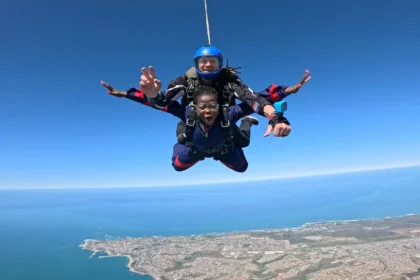

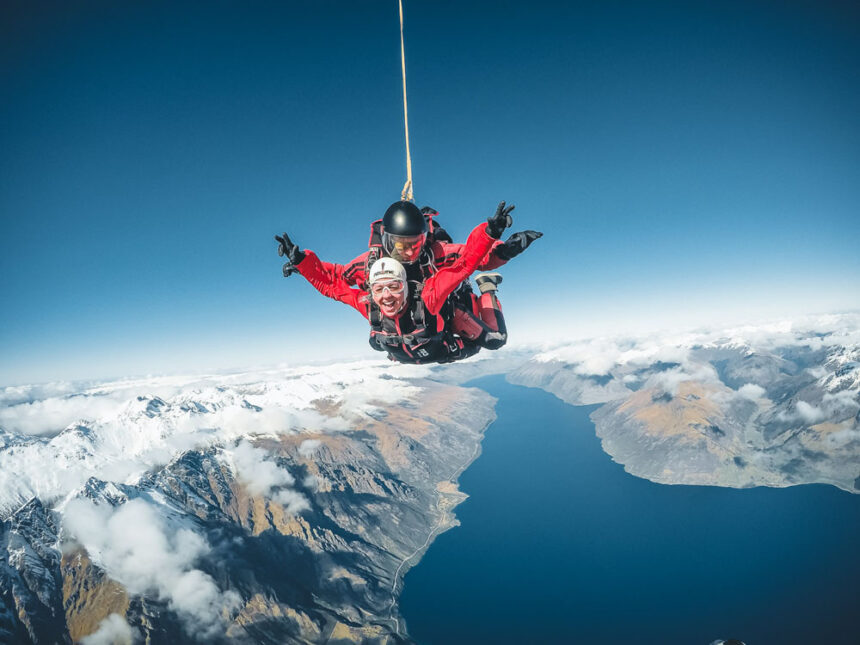
Skydiving in New Zealand is one of the most thrilling adventures you can experience. With dramatic mountains, crystal-clear lakes, and stunning coastlines, the country is known as one of the best skydiving destinations in the world. Whether you jump over glaciers in Franz Josef, lakes in Taupo, or mountains in Queenstown, the views from the sky are unforgettable.
- why new zealand is famous for skydiving
- understanding new zealand seasons
- best season to skydive in new zealand
- skydiving in summer (december to february)
- skydiving in autumn (march to may)
- skydiving in spring (september to november)
- skydiving in winter (june to august)
- best skydiving locations in new zealand
- safety of skydiving in new zealand
- tips for planning your skydiving trip
- why skydiving in new zealand is unforgettable
- faqs about skydiving in new zealand
- conclusion
However, choosing the right season to skydive in New Zealand can make a big difference in your experience. Weather conditions, wind speed, visibility, and tourist crowds all change depending on the time of year. Knowing the best season will help you enjoy safer jumps, clearer views, and better overall conditions.
In this detailed guide, we will explain the best season to skydive in New Zealand, what to expect during each season, and tips to plan your perfect jump.
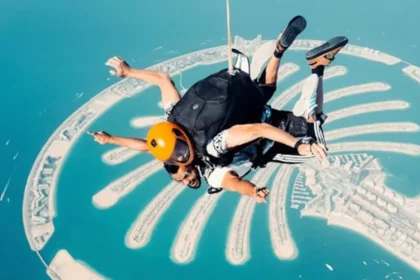
If you are exploring skydiving around the world, you can also read our guide on skydive dubai death rate today here
This guide will help you understand safety statistics and how skydiving operators maintain high safety standards.
Now let’s explore when you should plan your skydiving adventure in New Zealand.
why new zealand is famous for skydiving
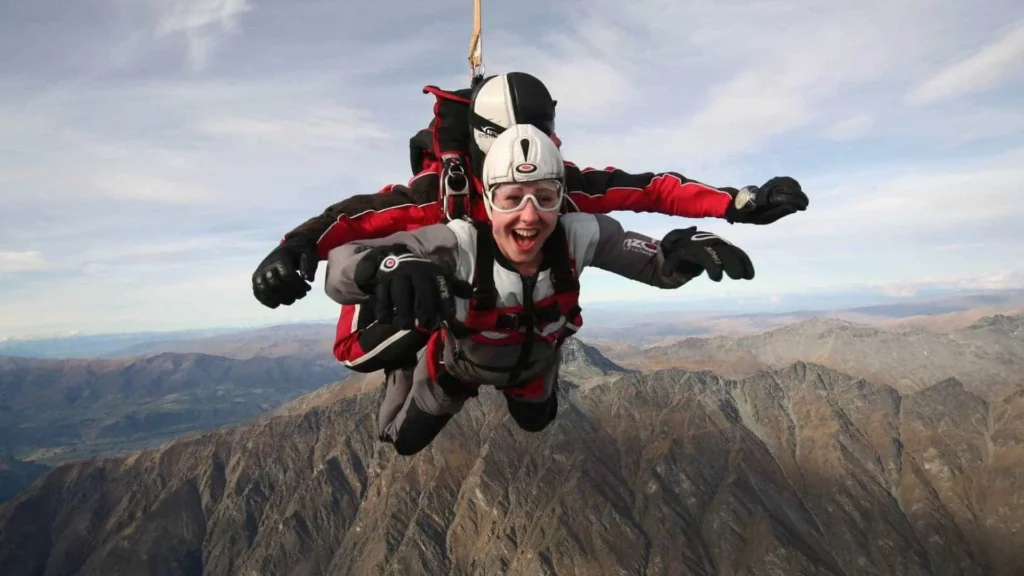
New Zealand is widely considered one of the best countries for skydiving. The landscapes are incredibly diverse, and every drop zone offers a unique view.
Some reasons why skydivers love New Zealand include:
• breathtaking landscapes with mountains, lakes, and coastlines
• high safety standards and professional skydiving operators
• multiple drop zones across both North and South Islands
• great visibility due to clean air and open skies
Popular skydiving locations include Queenstown, Lake Taupo, Wanaka, Franz Josef Glacier, and Bay of Islands.
Because of these amazing locations, thousands of adventure travelers visit New Zealand every year just to experience skydiving.
But the timing of your visit is very important.
understanding new zealand seasons
Before deciding the best season to skydive, it is helpful to understand the country’s seasons.
New Zealand is in the Southern Hemisphere, so its seasons are opposite to countries like the United States and Europe.
The four seasons are:
Summer (December – February)
Autumn (March – May)
Winter (June – August)
Spring (September – November)
Each season offers different skydiving conditions.
best season to skydive in new zealand
The best season to skydive in New Zealand is generally summer and early autumn, between December and April.
During this time, the weather is warm, the skies are clearer, and wind conditions are more stable. These months offer the highest chance that your jump will happen without delays.
Skydiving operators also run more flights during this period because demand is high and conditions are ideal.
Let’s explore why summer and autumn are considered the best times.
skydiving in summer (december to february)
Summer is the most popular season for skydiving in New Zealand.
Temperatures usually range between 20°C and 30°C, which makes it comfortable for outdoor adventures. The skies are often clear, giving jumpers incredible views of mountains, lakes, and coastlines.
Another advantage of summer skydiving is the long daylight hours. With more daylight, skydiving companies can operate flights throughout the day.
This means:
• more jump slots available
• fewer cancellations due to darkness
• better chances of rescheduling if weather changes
Summer is also peak tourist season, so skydiving locations are lively and full of travelers seeking adventure.
The only downside is that prices may be slightly higher and drop zones can be busy.
Still, if you want the best weather and the most reliable skydiving conditions, summer is an excellent choice.
skydiving in autumn (march to may)
Autumn is another fantastic season for skydiving in New Zealand.
During this time, the crowds start to decrease, but the weather is still pleasant. Temperatures usually range from 15°C to 25°C, which is still comfortable for skydiving.
One of the most beautiful things about autumn skydiving is the scenery. The trees turn golden and red, creating colorful landscapes below.
Jumping over Queenstown or Wanaka during autumn offers breathtaking views of lakes surrounded by autumn forests.
Another benefit is that prices may be slightly lower than summer because tourism slows down.
For many travelers, autumn offers the perfect balance of good weather, fewer crowds, and beautiful scenery.
skydiving in spring (september to november)
Spring can also be a good season for skydiving, but conditions can be less predictable.
During spring, temperatures slowly rise after winter, usually between 10°C and 20°C. Snow still covers some mountain peaks, creating stunning views from the sky.
However, spring weather can change quickly. Wind and rain are more common, which sometimes causes flight delays or cancellations.
Despite this, spring skydiving can still be a wonderful experience if you are flexible with your schedule.
Many travelers enjoy the combination of snowy mountains, green valleys, and blooming landscapes during this season.
skydiving in winter (june to august)
Winter is the least popular season for skydiving in New Zealand, but it is still possible.
Temperatures drop significantly, especially in the South Island. Some skydiving locations experience snow and strong winds.
Because of these conditions, operators may cancel jumps more frequently during winter.
However, winter skydiving has a unique charm.
Jumping over snow-covered mountains and glaciers can be an unforgettable experience. Some adventure travelers specifically visit New Zealand in winter for this rare view.
Still, winter skydiving is best suited for travelers who are flexible and willing to wait for suitable weather windows.
best skydiving locations in new zealand
New Zealand offers several world-class drop zones. Each one provides a different perspective of the country’s natural beauty.
queenstown
Queenstown is often called the adventure capital of the world. Skydiving here gives you incredible views of Lake Wakatipu and the Southern Alps.
lake taupo
Taupo is one of the most famous skydiving locations in New Zealand. Jumpers enjoy views of Lake Taupo and Tongariro National Park.
wanaka
Wanaka offers stunning scenery with lakes, mountains, and wide open landscapes. It is one of the most photogenic places to skydive.
franz josef glacier
Skydiving above glaciers is a unique experience. This location offers dramatic views of ice fields and mountain peaks.
safety of skydiving in new zealand
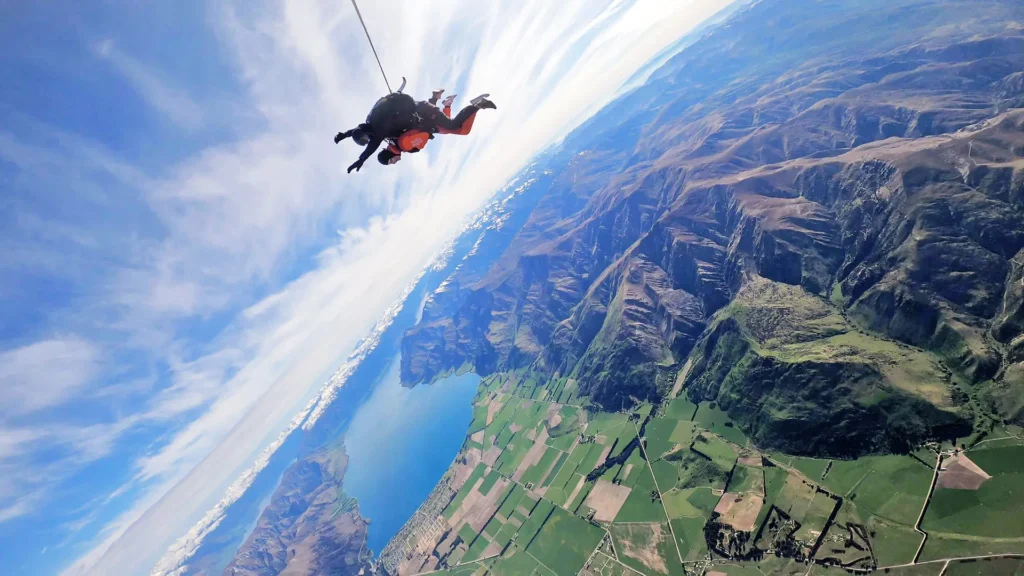
Skydiving in New Zealand is considered very safe.
The country has strict aviation safety regulations, and skydiving companies must follow detailed safety standards.
Professional instructors, modern parachute equipment, and thorough safety briefings help ensure that every jump is as safe as possible.
Understanding safety records can help new jumpers feel more confident before taking their first leap.
tips for planning your skydiving trip
Planning ahead will help ensure you have the best skydiving experience in New Zealand.
First, try to schedule your jump early in your trip. Weather can sometimes cause delays, so having extra days gives you more chances to complete the jump.
Second, book your skydiving slot in advance during peak season. Summer months are very popular, and spots can fill quickly.
Third, always check the weather forecast and stay flexible with your plans.
Lastly, listen carefully to your instructor during the safety briefing. Following instructions ensures a smooth and enjoyable experience.
why skydiving in new zealand is unforgettable
Few places in the world offer scenery like New Zealand.
From snow-covered mountains to turquoise lakes and endless coastlines, every jump feels like flying over a natural wonder.
The friendly skydiving instructors, professional operations, and stunning landscapes make New Zealand one of the most memorable skydiving destinations on earth.
Whether you choose summer for the best weather or autumn for colorful scenery, skydiving here will likely become one of the most exciting adventures of your life.
If you are planning your next adrenaline experience, explore more skydiving guides and safety tips
Our guides help beginners and adventure travelers choose the best locations, seasons, and experiences around the world.
faqs about skydiving in new zealand
what is the best month to skydive in new zealand?
The best months are December, January, February, and March. These months offer the most stable weather and clear skies.
is skydiving in new zealand safe?
Yes. Skydiving in New Zealand follows strict aviation safety regulations, and operators use modern equipment and trained instructors.
can beginners skydive in new zealand?
Yes. Most visitors do tandem skydives, where you jump with a professional instructor attached to you.
how much does skydiving cost in new zealand?
Prices usually range from NZD 250 to NZD 450, depending on jump altitude and location.
can skydiving be cancelled due to weather?
Yes. Strong winds, rain, or poor visibility may cause delays or cancellations. Safety is always the top priority.
conclusion
The best season to skydive in New Zealand is summer and early autumn, from December to April. These months offer the most reliable weather, clear skies, and stunning views.
However, every season has something unique to offer. Summer provides warm temperatures and long daylight hours. Autumn offers colorful landscapes and fewer crowds. Spring delivers beautiful snowy mountain views, while winter offers a rare chance to skydive over snowy scenery.
No matter when you visit, skydiving in New Zealand promises breathtaking views and unforgettable adventure.
To learn more about skydiving destinations, safety tips, and expert guides, visit
skydiveguides.com
and start planning your next skydiving adventure today.