
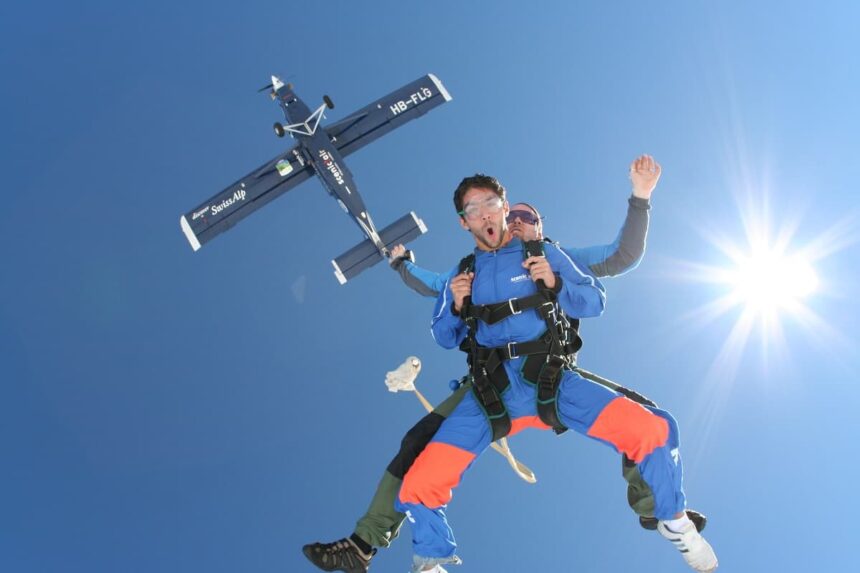
Europe offers some of the most breathtaking skydiving experiences in the world, combining stunning landscapes with professional facilities and experienced instructors. Whether you’re looking for tandem skydiving in Spain or searching for the cheapest skydiving options across the continent, this guide will help you find the perfect jumping location for your European adventure.
- Where’s the Best Place to Skydive in Europe?
- Which Country is Best for Skydiving?
- Understanding Skydiving Costs Across Europe
- Tandem Skydiving vs Learning Solo
- Popular European Skydiving Destinations
- Safety Considerations and Statistics
- Planning Your European Skydiving Adventure
- Frequently Asked Questions About Best Skydiving in Europe
From the snow-capped Alps to Mediterranean coastlines, European drop zones provide unforgettable views and memorable experiences. Let’s explore everything you need to know about best skydiving in Europe, including the best locations, pricing information, and what makes each destination special.
Where’s the Best Place to Skydive in Europe?
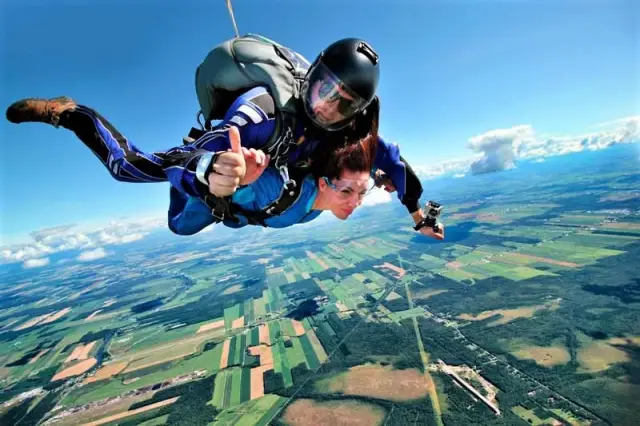
Choosing the best skydiving location in Europe depends on what you’re looking for in your jumping experience. Different countries offer unique landscapes and varying price points, making it important to understand what each destination provides.
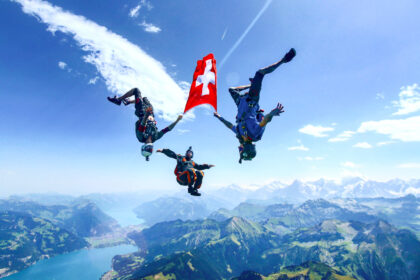
Switzerland stands out as one of the most scenic destinations for skydiving in Europe. The views of the Swiss Alps, including famous peaks like the Eiger and Matterhorn, create an absolutely stunning backdrop for your freefall. Interlaken is particularly popular among skydivers from around the world. The crisp mountain air and professional operators make Switzerland a top choice, though it comes with a higher price tag than other European destinations.
Spain has become increasingly popular for skydiving enthusiasts, offering excellent weather conditions, beautiful coastal views, and more affordable pricing compared to Switzerland. The combination of warm climate and professional drop zones makes Spain an attractive option for both beginners and experienced jumpers. Barcelona and Madrid area drop zones provide fantastic Mediterranean views while maintaining high safety standards.
Portugal offers another excellent option with its stunning Atlantic coastline and generally favorable weather conditions throughout much of the year. The country’s drop zones are known for their relaxed atmosphere and beautiful ocean views during descent.
Croatia has emerged as a hidden gem for European skydiving, combining affordable prices with spectacular Adriatic Sea views. The country’s drop zones offer a unique Mediterranean experience without the crowds found at more popular destinations.
Which Country is Best for Skydiving?
Determining which country is best for skydiving really comes down to your personal priorities and what matters most to you during your jump experience.
If breathtaking mountain scenery is your main goal, Switzerland cannot be beaten. The Alpine views during freefall and under canopy are simply spectacular. However, this comes at a premium price, making Switzerland one of the more expensive European destinations for skydiving.
For those seeking the best value without sacrificing quality, Spain often emerges as the winner. Spanish drop zones maintain excellent safety standards and professional instruction while offering competitive pricing. The weather in Spain is generally reliable, particularly during summer months, which means fewer cancelled jumps due to weather conditions.
France deserves special mention for its variety of locations, from coastal jumps near the French Riviera to drops over the Loire Valley. French drop zones combine professional operations with beautiful scenery at moderate price points.
Eastern European countries like Czech Republic and Hungary offer budget-friendly options while still maintaining good safety standards. These destinations work particularly well for travelers looking to combine skydiving with cultural exploration at reasonable costs.
The United Kingdom, despite its unpredictable weather, has some of the most experienced skydiving communities in Europe. British drop zones offer excellent training programs and are particularly good for those interested in learning solo skydiving or progressing beyond tandem jumps.
Understanding Skydiving Costs Across Europe
Skydiving in Europe price varies significantly depending on the country, altitude, and type of jump you choose. Understanding these price differences helps you plan your budget and find the best value for your experience.
Tandem skydiving in Spain typically ranges between 200 and 350 euros, depending on the drop zone and altitude. Coastal locations near Barcelona or Valencia might charge slightly more than inland facilities, but they offer stunning Mediterranean views during your descent. The price usually includes all necessary equipment, brief training, and the jump itself with an experienced instructor.
Skydiving in Barcelona specifically tends to cost around 250 to 300 euros for a standard tandem jump from about 10,000 to 15,000 feet. Some facilities offer video packages for an additional fee, typically adding 80 to 120 euros to the total cost. These packages often include both external camera footage and a GoPro mounted on your instructor’s wrist.
For those researching skydiving in Spain price in rupees, the cost translates to approximately 21,000 to 29,000 Indian rupees for a basic tandem jump, though exchange rates fluctuate. This makes Spain one of the more affordable Western European options when compared to countries like Switzerland or Norway.
Switzerland represents the higher end of European skydiving prices, with tandem jumps often costing 350 to 500 euros. The premium reflects not just the stunning Alpine scenery but also the higher operating costs in Switzerland. Despite the expense, many skydivers consider the Swiss Alps worth the additional investment for the once-in-a-lifetime views.
Eastern European countries offer the cheapest skydiving in Europe. Countries like Bulgaria, Romania, and Hungary often provide tandem jumps for 150 to 220 euros. While these locations may not have the dramatic scenery of the Alps or Mediterranean coast, they maintain professional standards and offer great value for budget-conscious adventure seekers.
The highest skydiving in Europe typically occurs in Switzerland, where some drop zones offer jumps from altitudes exceeding 14,000 feet. These higher altitude jumps naturally cost more but provide extended freefall time and even more spectacular views.
Tandem Skydiving vs Learning Solo
Understanding the difference between tandem skydiving and solo skydiving helps you choose the right approach for your goals and experience level.
Tandem skydiving remains the most popular choice for first-time jumpers and those wanting a one-time experience. During a tandem jump, you’re securely attached to an experienced instructor who handles all technical aspects of the jump, including aircraft exit, freefall stability, parachute deployment, and landing. This allows you to simply enjoy the experience without extensive training.
The brief training session before a tandem jump usually lasts only 15 to 30 minutes, covering basic body position, safety procedures, and what to expect during each phase of the jump. This accessibility makes tandem jumping perfect for vacation experiences or trying skydiving for the first time.
Learning solo skydiving requires significantly more commitment but offers the rewarding experience of jumping independently. Skydiving classes for solo certification typically involve several days of ground training followed by progression through assisted jumps before you’re cleared for fully independent jumps.
The Accelerated Freefall (AFF) program is the most common path to solo certification in Europe. This comprehensive course includes ground school covering parachute systems, aircraft procedures, emergency protocols, and canopy control. Your first several jumps involve two instructors jumping alongside you, gradually reducing assistance as you demonstrate competency.
Solo skydiving courses in Europe typically cost between 1,200 and 2,000 euros for complete AFF certification. While this represents a significant investment compared to a single tandem jump, it opens the door to independent skydiving and the possibility of pursuing advanced skills like formation skydiving or wingsuit flying.
Popular European Skydiving Destinations
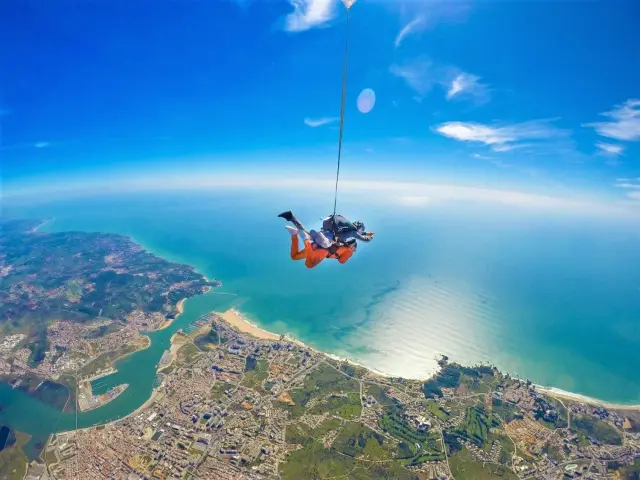
Exploring specific locations helps you understand what different European regions offer for skydiving experiences.
Skydiving Madrid area drop zones provide excellent facilities within easy reach of Spain’s capital city. The landscape around Madrid offers interesting views of the Spanish countryside, and the reliable weather during summer months makes it a dependable choice. Prices in the Madrid region remain competitive with other Spanish locations, typically ranging from 220 to 280 euros for tandem jumps.
The Spanish coastal regions, particularly around Barcelona and Valencia, combine beach culture with skydiving adventures. Many visitors enjoy the unique experience of freefalling with views of both Mediterranean beaches and mountainous inland regions. The vibrant cities nearby provide excellent options for post-jump celebrations and tourism.
Algarve region in southern Portugal has grown in popularity for skydiving, offering dramatic Atlantic coastline views and generally excellent weather conditions. Portuguese drop zones maintain high safety standards while offering prices comparable to or slightly below Spanish facilities.
The Swiss lakes region, particularly around Interlaken and Lake Geneva, provides some of Europe’s most photographed skydiving scenery. The combination of pristine lakes, Alpine peaks, and charming villages creates an unforgettable backdrop for your jump experience.
Croatian coastal drop zones near Zadar and Split offer stunning Adriatic views at reasonable prices. The Dalmatian coast’s clear blue waters and historic cities make Croatia an excellent destination for combining skydiving with cultural tourism.
Safety Considerations and Statistics
Understanding skydiving safety helps you make informed decisions and approach your jump with appropriate confidence.
Modern skydiving has become remarkably safe through technological improvements and rigorous training standards. European drop zones follow strict safety regulations and maintenance protocols to ensure equipment reliability and proper procedures. All tandem instructors must maintain current certifications and complete regular training refreshers.
While skydiving does involve inherent risks as an adventure sport, the actual statistics show that skydiving deaths per year worldwide are relatively low when compared to the number of jumps performed. Professional operators continuously work to improve safety through better equipment, enhanced training, and refined procedures.
Choosing a reputable drop zone with experienced instructors, well-maintained equipment, and current safety certifications significantly reduces risk. Don’t hesitate to ask about safety records, instructor qualifications, and equipment maintenance schedules when researching drop zones.
Weather conditions play a crucial role in skydiving safety. Professional operators will not jump in unsuitable conditions, even if it means disappointing customers. This commitment to safety should be viewed positively, as it demonstrates the operator’s priorities are correctly focused.
Planning Your European Skydiving Adventure
Proper planning ensures your skydiving experience goes smoothly and meets your expectations.
Research drop zones thoroughly before booking, reading recent reviews and checking for current safety certifications. Many European drop zones have English-speaking staff, but confirming language availability beforehand prevents potential communication issues during your training.
Consider the time of year when planning your jump. Summer months generally offer the most reliable weather across Europe, though this also means higher demand and potentially higher prices. Spring and early autumn can provide excellent conditions with fewer crowds and sometimes better pricing.
Book in advance when possible, especially during peak summer season. Popular locations can fill up quickly, and advance booking often secures better rates. However, maintain flexibility in your schedule to accommodate weather delays, which are common in skydiving.
Arrive well-rested and properly hydrated for your jump day. Avoid alcohol the night before, as dehydration and hangover effects can compound the physical stresses of skydiving. Most facilities require you to be in reasonable physical condition, though specific requirements vary by location.
Wear comfortable, weather-appropriate clothing that allows free movement. Avoid loose items that could fall during freefall. Most drop zones provide jumpsuits, but proper footwear is important. Sneakers or hiking boots work well, while sandals or slip-on shoes are typically not permitted.
Ready to experience the thrill of European skydiving? Visit Skydive Guides for more detailed information about specific drop zones, safety recommendations, and comprehensive skydiving resources to help you prepare for your adventure.
Frequently Asked Questions About Best Skydiving in Europe
Where’s the best place to skydive in Europe?
Switzerland offers the most spectacular mountain scenery for skydiving in Europe, particularly around Interlaken where you can see the Alps during your jump. However, Spain provides the best combination of beautiful views, good weather, professional facilities, and reasonable pricing. Your personal preferences for scenery, budget, and travel convenience should guide your choice.
How much does skydiving in Europe cost?
Tandem skydiving in Europe typically costs between 150 and 500 euros depending on the country and location. Eastern European countries like Bulgaria and Hungary offer the cheapest options at around 150 to 220 euros. Spain and Portugal fall in the mid-range at 200 to 350 euros. Switzerland and Norway represent the premium end at 350 to 500 euros. Higher altitude jumps and video packages add to the base price.
Is Tom Cruise a licensed skydiver?
Yes, Tom Cruise is a licensed skydiver who has completed extensive training for his movie stunts. He holds multiple skydiving certifications and has performed numerous jumps for films in the Mission Impossible series. His dedication to performing his own stunts has made him one of the most experienced celebrity skydivers in the world.
Can beginners do tandem skydiving in Europe?
Absolutely! Tandem skydiving is specifically designed for beginners and requires no previous experience. The brief training session covers everything you need to know, and your instructor handles all technical aspects of the jump. Most people can participate in tandem skydiving as long as they meet basic health and weight requirements.
What is the cheapest country for skydiving in Europe?
Bulgaria, Romania, and Hungary typically offer the cheapest skydiving in Europe, with tandem jumps starting around 150 to 180 euros. While these countries may not have the dramatic Alpine or coastal scenery of more expensive destinations, they maintain good safety standards and provide excellent value for budget-conscious skydivers.
How long does a tandem skydive last in Europe?
A typical tandem skydive includes about 45 to 60 seconds of freefall followed by 5 to 7 minutes of parachute descent. The entire experience from boarding the aircraft to landing takes approximately 15 to 20 minutes. Higher altitude jumps provide longer freefall time, sometimes extending to 70 seconds or more.