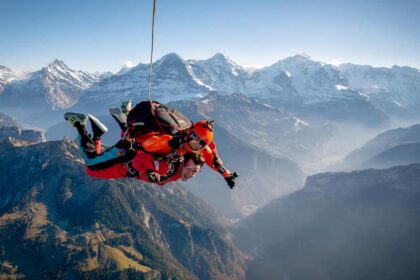

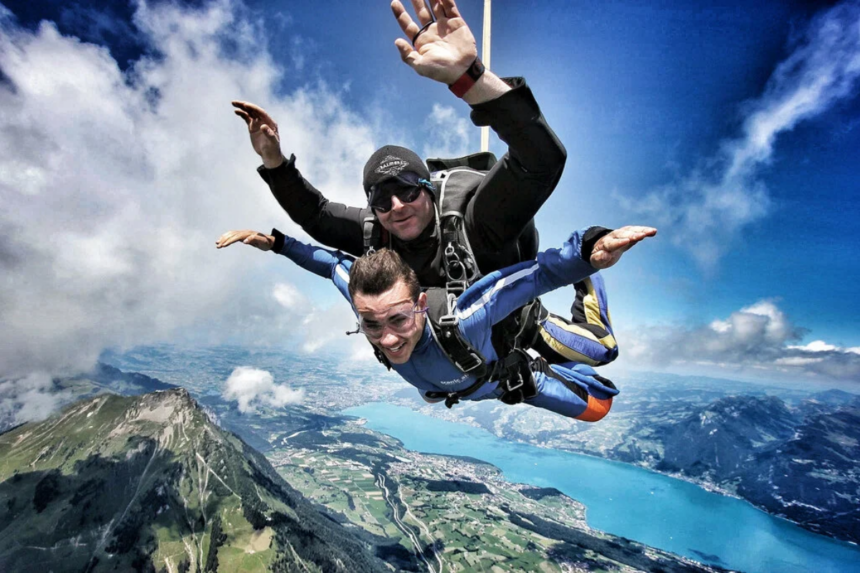
Skydiving doesn’t have to drain your savings account. While premium drop zones in Switzerland or Dubai can cost $400-600 per jump, there’s a world of affordable skydiving destinations where you can experience the same adrenaline rush for a fraction of the price. In 2026, savvy adventure travelers are discovering that the cheapest skydiving destinations worldwide often deliver the most authentic experiences, combining stunning scenery with genuine local culture and significantly lower costs.
- Comparison Table (2026 Data)
- Quick Answer Box
- What Is the Cheapest Skydiving in the World?
- Table of Contents
- Understanding Skydiving Costs: Where Your Money Goes
- Southeast Asia: The Budget Skydiving Capital
- Latin America’s Affordable Adventure Zones
- Eastern Europe: Hidden Skydiving Value
- Africa’s Best Budget Drop Zones
- Budget-Friendly Options in Expensive Regions
- Certification: The Ultimate Cost-Saving Strategy
- Money-Saving Tips and Booking Hacks
- Cheapest Skydiving Countries Comparison (2026)
- Cheapest Skydiving by Region
- Global skydiving stats:
- Frequently Asked Questions
- Q: What is the absolute cheapest place to skydive in the world?
- Q: Is cheap skydiving less safe than expensive skydiving?
- Q: How can I find legitimate cheap skydiving operators and avoid unsafe ones?
- Q: Can I negotiate skydiving prices to get even cheaper deals?
- Q: Should I get travel insurance that covers skydiving?
- Q: What’s the cheapest way to skydive multiple times on a budget?
- Q: Which cheapest skydiving destination offers the best overall travel experience?
- Q: Are there hidden costs that make “cheap” skydiving destinations more expensive?
- Q: Can I work at a drop zone in exchange for free or cheap jumps?
- Q: What’s the best budget approach for a complete beginner with no skydiving experience?
- Q: How much should I budget for a dedicated skydiving trip to the cheapest destinations?
- Q: Can I skydive cheaper by jumping from lower altitudes?
- Q: Which region offers the most cheap skydiving destinations concentrated together?
- Q: Are there any free or nearly-free skydiving opportunities worldwide?
- Q: Do the cheapest skydiving destinations offer the same altitudes as expensive ones?
- Conclusion
Whether you’re a budget backpacker looking to tick skydiving off your bucket list or an experienced jumper wanting to maximize jump frequency without breaking the bank, this comprehensive guide reveals where you can freefall from 10,000+ feet for under $150—and in some cases, under $100. From Southeast Asian beaches to Eastern European mountains, from South American coastlines to lesser-known gems across Africa and Central America, affordable skydiving exists on every continent.
Comparison Table (2026 Data)
| Country | Dropzone | Est. Price (USD) | Best For |
| Thailand | Thai Sky Adventures | $185 – $210 | Best overall budget |
| India | Skyhigh India (Narnaul) | $320 – $350 | Closest to Delhi/NCR |
| Spain | Skydive Seville | $230 – $255 | Best European views |
| Dubai | Desert Dropzone | $590+ | Luxury/Iconic Palm |
According to the Adventure Travel Trade Association’s 2025 report, budget adventure travel has grown 34% since 2023, with cost-conscious travelers seeking authentic experiences rather than luxury packaging. This guide provides detailed information on the world’s most affordable skydiving locations, including exact pricing, best booking strategies, hidden costs to watch for, and how to combine cheap skydiving with budget travel for maximum adventure per dollar. By the end, you’ll know exactly where to jump, when to go, and how to stretch your skydiving budget further than you thought possible.
Quick Answer Box
Cheapest Skydiving Destinations Worldwide (2026 Prices):
- Pattaya, Thailand – $150-200 USD for 13,000ft tandem jump
- Playa del Carmen, Mexico – $180-230 USD with Caribbean views
- Mossel Bay, South Africa – $140-190 USD for 11,000ft jump
- Interlaken, Switzerland (Budget Option) – $290-350 USD (cheapest in Alps)
- Jurien Bay, Australia – $200-250 USD for beach skydiving
- Algarve, Portugal – $180-240 USD for Atlantic coastline jumps
- Nepal (Pokhara) – $200-280 USD for Himalayan mountain views
- Sri Lanka – $160-220 USD for tropical island skydiving
- Czech Republic – $170-220 USD for European budget option
- Philippines (Bantayan) – $130-180 USD among the world’s cheapest
What Is the Cheapest Skydiving in the World?
The cheapest skydiving destinations worldwide are:
- Philippines – $130
- South Africa – $140
- Thailand – $150
- Sri Lanka – $160
- Mexico – $180
Table of Contents
- Understanding Skydiving Costs: Where Your Money Goes
- Southeast Asia: The Budget Skydiving Capital
- Latin America’s Affordable Adventure Zones
- Eastern Europe: Hidden Skydiving Value
- Africa’s Best Budget Drop Zones
- Budget-Friendly Options in Expensive Regions
- Certification: The Ultimate Cost-Saving Strategy
- Money-Saving Tips and Booking Hacks
- Frequently Asked Questions
Understanding Skydiving Costs: Where Your Money Goes
Before diving into specific cheapest skydiving destinations worldwide, understanding what influences pricing helps you identify genuine value versus false economy.
Standard Tandem Jump Cost Breakdown:
The global average tandem skydiving price in 2026 is approximately $280-320 USD. However, this varies dramatically based on several factors:
- Labor costs: Instructor wages in Western Europe or North America ($50-80/hour) versus Southeast Asia ($15-25/hour)
- Operational expenses: Aircraft fuel, maintenance, insurance, facility costs
- Tourism economy: Popular resort destinations add 30-50% premium pricing
- Equipment quality: Modern rigs and regular maintenance don’t necessarily cost more
- Altitude: Higher jumps (15,000ft vs 10,000ft) add $50-100 to base price
- Video packages: $80-150 USD additional for photo/video documentation
What “Cheap” Shouldn’t Mean:
According to the International Skydiving Commission’s 2025 safety report, jump costs and safety records show no correlation—some of the world’s safest drop zones operate in budget-friendly countries. However, watch for these red flags at ultra-cheap operations:
- Equipment that appears worn or outdated
- Lack of proper certification (USPA, DZSO, or equivalent)
- Instructors without verifiable credentials
- No insurance documentation
- Facilities with poor maintenance standards
- Operations running despite marginal weather
The Sweet Spot:
The cheapest skydiving destinations worldwide typically charge $140-220 USD for a standard 10,000-13,000ft tandem jump with certified instructors, modern equipment, and solid safety records. Anything significantly below $140 warrants extra scrutiny, while anything above $250 reflects premium positioning rather than superior safety.
Cost Per Thrill Analysis:
When evaluating value, consider the complete experience:
| Destination | Jump Cost | Daily Budget | Total 3-Day Trip | Cost Per Thrill Rating |
|---|---|---|---|---|
| Thailand | $180 | $40 | $300 | Excellent |
| Mexico | $210 | $50 | $360 | Excellent |
| South Africa | $165 | $45 | $315 | Outstanding |
| Switzerland | $380 | $120 | $740 | Good (scenery premium) |
| Dubai | $550 | $150 | $1,000 | Fair (luxury premium) |
Southeast Asia: The Budget Skydiving Capital
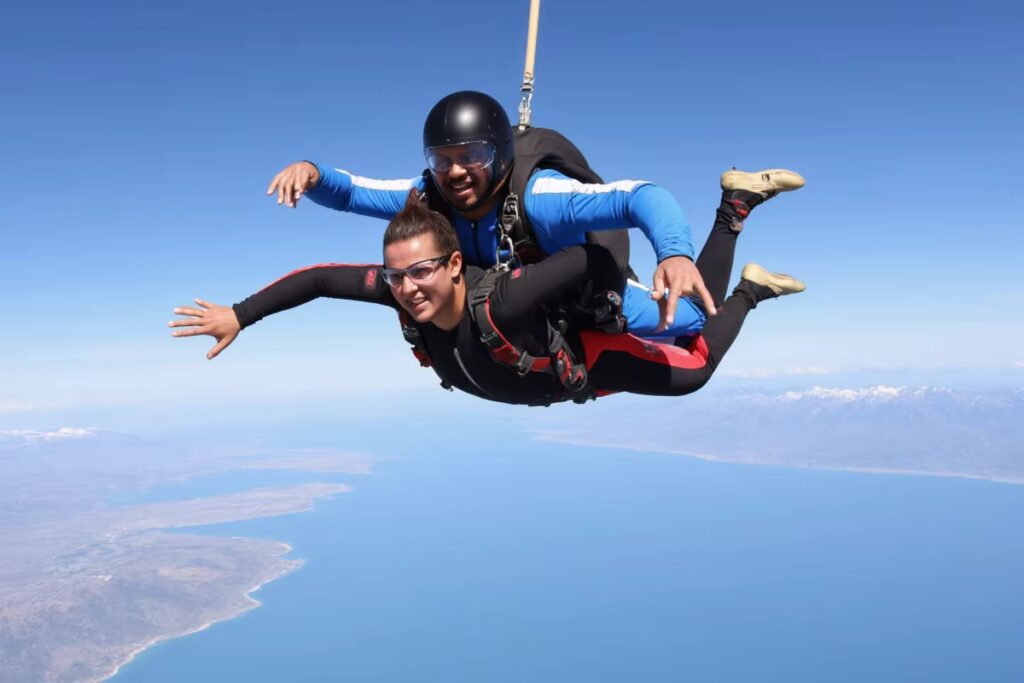
Southeast Asia dominates the list of cheapest skydiving destinations worldwide, offering exceptional value without compromising safety or scenery. The region’s lower cost of living, favorable exchange rates for Western currencies, and competitive tourism market create perfect conditions for budget skydivers.
Pattaya, Thailand: The Budget Champion
Thailand’s Pattaya has emerged as possibly the world’s best value for skydiving, combining reasonable prices with professional operations and stunning coastline views.
Pricing Details:
- Standard 13,000ft jump: $150-200 USD
- Video package: $60-80 USD
- Group discounts: 10-15% off for 3+ people
- Best booking: Direct through operator websites
Thai Skyventure and Pattaya Skydive Center are the two main operators, both maintaining excellent safety records and modern equipment. According to their 2025 statistics, they completed over 15,000 jumps with zero serious incidents.
Why It’s Cheap: Thailand’s lower labor costs, affordable aircraft leasing, and competitive tourism market keep prices down. The Thai baht’s exchange rate (approximately 35:1 against USD in 2026) provides additional value for international visitors.
Total Trip Cost Estimate:
- Jump: $180
- Accommodation: $20-40/night (3 nights = $90)
- Food: $15/day (3 days = $45)
- Transport from Bangkok: $20
- Total: $335-355 for complete experience
Insider Tips:
- Book Tuesday-Thursday for 15-20% off weekend prices
- Combine with Bangkok visit (2-hour bus ride)
- Street food reduces daily costs to under $10
- Hostels near drop zone cost $8-12/night
Bantayan Island, Philippines: Tropical Budget Paradise
The Philippines offers some of the absolute cheapest skydiving in the world, with Bantayan Island leading the way at just $130-180 USD for a full-altitude tandem jump.
Pricing Details:
- 10,000ft jump: $130-150 USD
- 13,000ft jump: $160-180 USD
- Video package: $50-70 USD
- Multiple jump discount: Second jump 20% off
Skydive Cebu operates from Bantayan with Filipino and international instructors, all properly certified through the Philippines Aeronautical Federation and international bodies.
Why It’s Among the Cheapest: The Philippine peso exchange rate, island economy, and emerging tourism infrastructure create rock-bottom pricing. This is genuine budget territory without compromising essential safety standards.
Total Trip Cost Estimate:
- Jump: $165
- Accommodation: $15-30/night (beach bungalows, 3 nights = $60)
- Food: $10-15/day (3 days = $35)
- Ferry from Cebu: $15
- Total: $275-290 complete
Important Considerations:
- Weather dependency higher than mainland locations
- More rustic facilities (functional but basic)
- Limited daily jump slots (book ahead)
- Requires island ferry logistics
Vietnam: Emerging Budget Destination
Vietnam’s skydiving scene is developing rapidly, with Vung Tau offering coastal jumps at competitive prices while infrastructure improves.
Pricing Details:
- Standard jump: $180-220 USD
- Scenic routes: Additional $30-40
- Video packages: $60-80 USD
While slightly more expensive than Thailand or Philippines, Vietnam offers unique value through combining skydiving with one of Asia’s most affordable and fascinating travel destinations.
Total Trip Cost:
- Jump: $200
- Accommodation: $20-35/night
- Food: $10-20/day
- Internal transport: Minimal
- 3-day total: $320-360
Sri Lanka: Island Budget Gem
Sri Lanka has quietly become one of the cheapest skydiving destinations worldwide, with operators in Koggala offering stunning views of the southern coastline and tea country.
Pricing Details:
- 10,000ft jump: $160-200 USD
- 13,000ft jump: $200-240 USD
- Photo/video: $60-85 USD
Skydive Sri Lanka maintains international safety standards while offering some of South Asia’s lowest prices. The country’s diverse scenery—beaches, mountains, cultural sites—adds tremendous value to any skydiving trip.
Total Trip Cost:
- Jump: $180
- Accommodation: $15-40/night (guesthouses to mid-range)
- Food: $10-20/day
- Transport: $30-50 (from Colombo)
- 3-day total: $275-350
Added Value: Sri Lanka’s compact size lets you combine skydiving with safaris, temple visits, and beach relaxation in a single affordable trip. Daily travel costs rarely exceed $50-60 for budget-conscious travelers.
Latin America’s Affordable Adventure Zones
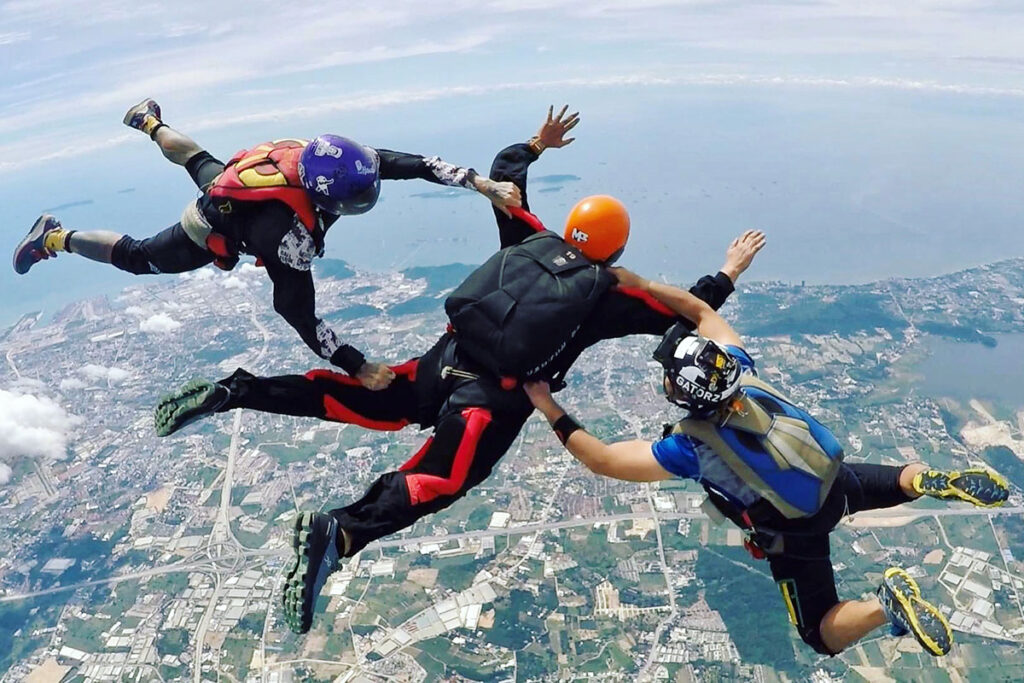
Latin America offers the Western Hemisphere’s cheapest skydiving destinations worldwide, with Mexico leading the charge but several other countries providing excellent value.
Playa del Carmen, Mexico: Caribbean Value
Mexico’s Riviera Maya provides the rare combination of budget pricing and world-class scenery, making it one of the cheapest skydiving destinations that doesn’t feel cheap.
Pricing Details:
- 10,000ft jump: $180-210 USD
- 13,000ft jump: $220-260 USD
- Photo/video package: $90-120 USD
- Multiple jump packages: 15% discount on 3+ jumps
Sky Dive Playa and Mexico Lindo are the primary operators, both maintaining modern equipment and bilingual instructors. Their safety records meet or exceed international standards, with over 50,000 combined jumps since 2020.
Why It’s Affordable: Despite being a tourist destination, Mexican labor costs and the peso exchange rate (approximately 17:1 in 2026) keep prices reasonable. Competition between operators also prevents price inflation.
Total Trip Cost Estimate:
- Jump: $230
- Accommodation: $30-60/night (hostel to budget hotel, 3 nights = $120)
- Food: $20-30/day (3 days = $75)
- Transport from Cancun: $15
- Total: $440-470
Value Add: Playa del Carmen offers extensive budget accommodation options, affordable local restaurants, free beaches, and cenote swimming. You can easily spend a week here for under $500 including your skydive.
Booking Hack: Contact operators directly via WhatsApp for 10-15% discounts versus online booking platforms. Many offer last-minute deals Tuesday-Thursday.
Puerto Escondido, Mexico: Surf Town Skydiving
Puerto Escondido on Mexico’s Pacific coast provides even better value than Playa del Carmen, with slightly lower prices and a more laid-back atmosphere.
Pricing Details:
- Standard jump: $170-200 USD
- Sunset jumps: $200-230 USD
- Video packages: $80-100 USD
Total Cost Analysis: The overall trip costs less than Playa del Carmen due to cheaper accommodation ($20-40/night) and food ($15-25/day), making this one of the Americas’ best-value skydiving destinations.
Colombia: South American Budget Leader
Colombia has emerged as one of South America’s cheapest skydiving destinations, with operations near Bogotá and on the Caribbean coast offering competitive international pricing.
Pricing Details:
- Bogotá area: $200-250 USD
- Santa Marta (coast): $220-280 USD
- Video packages: $70-90 USD
Colombia’s improving tourism infrastructure and favorable exchange rate (Colombian peso at ~4,100:1 USD) create excellent value. The country combines skydiving with world-class coffee tours, colonial cities, and Caribbean beaches at budget prices.
Total Trip Estimate:
- Jump: $235
- Accommodation: $20-45/night
- Food: $15-25/day
- Internal transport: $20-40
- 3-4 day trip: $350-450 total
Argentina: Patagonian Adventure Value
While not the absolute cheapest, Argentina’s Patagonia region offers incredible scenery-to-cost ratio, with jumps over lakes and mountains for $230-290 USD.
Pricing Details:
- Standard jump: $230-270 USD
- Scenic mountain routes: $260-290 USD
Argentina’s economic challenges have made the peso exceptionally favorable for travelers (exchange rate fluctuates but generally very favorable), creating strong value in 2026. The country offers some of the world’s most dramatic skydiving scenery at mid-range pricing.
Eastern Europe: Hidden Skydiving Value
Eastern Europe represents one of the most overlooked regions for cheap skydiving, offering European standards at developing-country prices.
Czech Republic: Best Value in Europe
The Czech Republic, particularly around Prague and southern Bohemia, provides the cheapest skydiving in continental Europe without compromising on equipment or safety.
Pricing Details:
- Standard 12,000ft jump: $170-220 USD
- High-altitude 15,000ft: $220-270 USD
- Video packages: $70-90 USD
Czech operators maintain modern equipment and follow European Union Aviation Safety Agency (EASA) regulations, ensuring standards match Western Europe at 40-50% lower cost.
Why It’s Cheap: Lower Czech labor costs combined with excellent aviation infrastructure create this value proposition. The Czech koruna exchange rate (approximately 23:1 USD) provides additional savings.
Total Trip Cost:
- Jump: $195
- Accommodation: $25-50/night (3 nights = $100)
- Food: $20-30/day (3 days = $75)
- Prague to drop zone transport: $20
- Total: $390-420
Added Value: Czech Republic offers affordable beer culture, stunning architecture, and easy access to other Eastern European destinations. Prague ranks among Europe’s most budget-friendly capitals.
Poland: Emerging Budget Destination
Poland’s skydiving scene has expanded significantly, with multiple drop zones offering competitive pricing and professional operations.
Pricing Details:
- Standard jump: $180-230 USD
- Baltic coast jumps: $200-250 USD
- Multiple jump packages: Discounts available
Polish operators increasingly attract international jumpers seeking European experiences without Western European prices. Safety standards meet full EU requirements.
Romania: Mountain Skydiving Value
Romania offers mountain skydiving experiences rivaling Switzerland at one-third the cost, with jumps over the Carpathian Mountains and Transylvania region.
Pricing Details:
- Standard jump: $190-240 USD
- Mountain scenic routes: $220-270 USD
Romania combines affordable skydiving with medieval castles, mountain hiking, and rich cultural experiences, all at budget-friendly prices.
Bulgaria: Black Sea Budget Option
Bulgaria’s Black Sea coast provides beach skydiving at some of Europe’s lowest prices, with summer season operations from Varna and Burgas.
Pricing Details:
- Coastal jump: $175-225 USD
- Video packages: $60-80 USD
Bulgarian tourism infrastructure has improved dramatically while prices remain significantly below Western Europe. Summer season (May-September) offers reliable weather and beach landing options.
Cost Comparison:
- Switzerland jump: $380
- Bulgaria jump: $200
- Savings: $180 (47% discount)
The scenery differs dramatically (Alps versus Black Sea coast), but for budget travelers, Bulgaria delivers exceptional value for certified instructors, modern equipment, and beautiful coastal views.
Africa’s Best Budget Drop Zones
Africa hosts several of the world’s cheapest skydiving destinations while offering unique wildlife and landscape perspectives unavailable elsewhere.
Mossel Bay, South Africa: Affordable Excellence
South Africa’s Garden Route, specifically Mossel Bay, offers what many consider the best value-to-quality ratio in world skydiving. You’ll jump over the Indian Ocean coastline with potential whale and shark sightings during the right seasons.
Pricing Details:
- 11,000ft jump: $140-175 USD
- High-altitude 14,000ft: $175-210 USD
- Photo/video package: $65-85 USD
Skydive MoSSel Bay has operated for over 25 years with an exemplary safety record. They maintain newer equipment than many expensive Western drop zones and employ highly experienced international instructors.
Why It’s So Affordable: The South African rand exchange rate (approximately 18:1 USD in 2026) creates tremendous value for international visitors. Local costs are reasonable, making this one of the cheapest skydiving destinations that delivers premium experience quality.
Total Trip Cost:
- Jump: $160
- Accommodation: $30-60/night (3 nights = $120)
- Food: $20-35/day (3 days = $80)
- Transport from Cape Town: $30-50
- Total: $390-460
Exceptional Value Add: The Garden Route offers incredible road-trip potential. Many travelers combine Mossel Bay skydiving with wine tasting, shark cage diving, and safari experiences, all at affordable prices. You can tour Cape Town, jump in Mossel Bay, and safari in Kruger for under $2,000 total for a two-week trip.
Safety Note: South Africa maintains rigorous skydiving regulations through the Parachute Association of South Africa (PASA), ensuring standards match or exceed international norms.
Swakopmund, Namibia: Desert Meets Ocean
Namibia’s Swakopmund provides one of the world’s most unique skydiving experiences—freefalling where the Namib Desert meets the Atlantic Ocean—at remarkably affordable prices.
Pricing Details:
- 10,000ft jump: $180-220 USD
- Dunes and ocean routes: $200-240 USD
The visual experience rivals anywhere globally: red-orange dunes, white sand beaches, and deep blue ocean create stunning contrasts visible throughout your descent.
Total Trip Cost:
- Jump: $200
- Accommodation: $25-50/night
- Food: $20-30/day
- Internal Namibia transport: $40-60
- 3-day total: $365-440
Kenya: Wildlife Viewing from Above
Kenya’s drop zones near Diani Beach offer the unique experience of potentially spotting elephants, giraffes, or other wildlife from altitude, combined with Indian Ocean coastal beauty.
Pricing Details:
- Standard jump: $200-260 USD
- Extended scenic routes: $240-300 USD
While not the absolute cheapest in Africa, Kenya offers exceptional value when combined with safari opportunities. The Kenyan shilling exchange rate (approximately 130:1 USD) provides good value for international travelers.
Egypt: Red Sea Adventure
Egypt’s Red Sea resorts offer skydiving combined with world-class diving and ancient history exploration, all at budget-friendly prices.
Pricing Details:
- Standard jump: $180-240 USD
- Pyramid view jumps: $250-300 USD (limited availability)
Egyptian tourism prices remain very competitive, making this one of the cheapest skydiving destinations when considering the complete travel package. Accommodation and food costs are among the lowest in the Mediterranean region.
Budget-Friendly Options in Expensive Regions
Even in typically pricey areas, savvy travelers can find relatively affordable skydiving options by knowing where to look.
Portugal: Europe’s Atlantic Value
Portugal, specifically the Algarve region, offers the cheapest skydiving in Western Europe while maintaining full European safety standards.
Pricing Details:
- Standard 10,000ft jump: $180-230 USD
- 15,000ft jump: $240-280 USD
- Video packages: $80-100 USD
While more expensive than Eastern Europe, Portugal dramatically undercuts France ($320-380), Spain ($280-340), and Italy ($300-360) for comparable experiences.
Why Choose Portugal:
- Full EU safety compliance
- English-speaking instructors
- Stunning Atlantic coastline
- Affordable accommodation and food
- Year-round jumping season
Total Trip Cost:
- Jump: $210
- Accommodation: $35-70/night (3 nights = $140)
- Food: $25-40/day (3 days = $95)
- Faro airport to drop zone: $20
- Total: $465-535
Portugal combines budget skydiving with accessible travel from major European cities, affordable wine country, and extensive coastline exploration.
Australia: Finding Value Down Under
Australia has a reputation for expensive everything, but strategic location selection reduces skydiving costs significantly.
Budget Options:
- Jurien Bay (near Perth): $200-250 USD
- Byron Bay (east coast): $240-280 USD
- Wollongong (near Sydney): $260-300 USD
Compare this to premium locations like Great Barrier Reef ($340-400) or Sydney proper ($300-380), and you’re saving 25-40% while still experiencing Australian skydiving quality.
Strategy: Jump in regional areas rather than major tourist hubs. Australian safety standards are uniform nationally, so a Jurien Bay jump meets identical requirements to Great Barrier Reef operators.
United States: Domestic Budget Options
For US-based travelers, several domestic locations offer better value than international flights plus foreign jumps.
Cheapest US Options:
- Arizona (Phoenix/Eloy): $180-220 USD
- Southern California (Perris/Lake Elsinore): $200-250 USD
- Texas (Dallas/Houston): $190-230 USD
- Florida (Tampa/Miami area): $200-260 USD
These prices significantly undercut Hawaii ($280-350), California coast ($280-340), or specialty locations like Las Vegas ($300-400).
Value Strategy for Americans: If you’re completing your first 5-10 jumps, do them domestically at budget drop zones ($190-230/jump) rather than traveling internationally. Once you decide to pursue the sport seriously, invest in certification (see next section) which unlocks true worldwide budget jumping.
New Zealand: Shoulder Season Savings
New Zealand skydiving typically costs $280-380 USD, but shoulder season (April-May, September-October) sees prices drop 15-25% at some operators.
Budget Timing:
- Peak season (November-March): $320-380
- Shoulder season (April-May, Sept-Oct): $260-300
- Occasional promotions: As low as $240
If your travel dates are flexible, shoulder season New Zealand delivers world-class scenery at near-budget prices while avoiding summer crowds.
Certification: The Ultimate Cost-Saving Strategy
While this guide focuses on the cheapest skydiving destinations worldwide for tandem jumping, getting certified represents the single most effective strategy for long-term cost savings.
The Economics of Certification
Tandem Jump Economics:
- Average cost: $200-280 per jump
- 20 jumps: $4,000-5,600
- 50 jumps: $10,000-14,000
Certified Solo Jumper Economics:
- Certification cost: $1,500-3,000 (one-time)
- Per-jump cost: $25-50
- 20 jumps after certification: $500-1,000
- 50 jumps after certification: $1,250-2,500
Break-Even Analysis: After approximately 10-15 jumps, certification pays for itself. If you plan to complete more than 15 jumps in your lifetime, certification makes financial sense.
Where to Get Certified Cheaply
Cheapest Certification Locations Worldwide:
- Thailand (Pattaya): $1,200-1,600 for full AFF course
- Philippines: $1,400-1,800 for complete certification
- South Africa: $1,300-1,700 including all jumps
- Mexico: $1,600-2,000 for Accelerated Freefall (AFF)
- USA (Arizona): $1,800-2,400 at high-volume drop zones
Compare this to traditional Western locations:
- Australia: $2,500-3,500
- Western Europe: $2,800-3,800
- Dubai: $3,500-4,500
Strategic Approach: Many budget travelers complete certification in Thailand, Philippines, or South Africa, then jump worldwide at local prices ($25-50/jump) rather than tandem prices ($200-400/jump).
Certification Process Overview
Accelerated Freefall (AFF) Levels:
- Ground school: 4-8 hours
- Level 1-3: Jump with two instructors
- Level 4-7: Jump with one instructor
- Solo jumps: Complete requirements
- Total jumps: 25 minimum for USPA A-License
Timeline:
- Intensive course: 7-14 days
- Relaxed pace: 3-4 weeks
- Weekend warrior: 2-3 months
What You Get:
- Ability to jump solo at any certified drop zone worldwide
- Jump costs drop to $25-50 per jump
- Access to advanced disciplines (formation, freefly, wingsuit)
- Jump on your schedule without tandem instructor availability constraints
United States Parachute Association (USPA). (2025). Annual Skydiving Safety Report. Retrieved from uspa.org
Post-Certification Worldwide Budget Jumping
Once certified, the cheapest skydiving destinations become even more affordable:
Certified Jumper Prices:
- Thailand: $30-40/jump
- Philippines: $25-35/jump
- South Africa: $28-38/jump
- Mexico: $35-45/jump
- Eastern Europe: $30-45/jump
- USA budget zones: $25-35/jump
100-Jump Budget Comparison:
Tandem Approach:
- 100 jumps × $230 average = $23,000
Certified Approach:
- Certification: $1,500
- 100 jumps × $35 average = $3,500
- Total: $5,000 (78% savings)
Money-Saving Tips and Booking Hacks
Beyond choosing the cheapest skydiving destinations worldwide, strategic booking and planning maximizes your budget.
Booking Strategies
Direct Operator Contact: Booking directly through drop zone websites or WhatsApp (common in Asia and Latin America) typically saves 10-15% versus third-party booking platforms. Operators avoid platform commission fees and often pass savings to customers.
Group Discounts: Most drop zones offer discounts for groups:
- 3-4 people: 10% off
- 5-7 people: 15% off
- 8+ people: 20% off (custom negotiated pricing)
Weekday Jumping: Tuesday-Thursday jumps often cost 15-20% less than weekend jumps at tourist-heavy destinations. Drop zones offer weekday discounts to maintain steady operations.
Last-Minute Deals: Some operators offer same-day or next-day discounts of 20-30% to fill empty slots. This strategy works best at destinations with consistent walk-in traffic where you can wait for deals.
Seasonal Timing:
- Shoulder seasons: 15-25% savings
- Off-season jumps (where available): 30-40% savings
- Holiday periods: 20-30% premium pricing (avoid)
Skip the Video Package: Video packages add $60-120 to jump costs. While tempting, many budget travelers skip video on early jumps and only purchase it for bucket-list locations or milestone jumps (first solo, highest altitude, etc.).
Alternative: Bring a GoPro-wielding friend who jumps simultaneously (requires both to be certified).
Travel Integration Strategies
Multi-Jump Itineraries: Build travel routes connecting multiple cheap destinations:
Southeast Asia Circuit (2-3 weeks):
- Bangkok → Pattaya (jump 1: $180)
- Fly to Manila → Bantayan Island (jump 2: $165)
- Fly to Sri Lanka → Koggala (jump 3: $180)
- Total: 3 jumps for $525 + regional flights ($200-300)
Latin America Route (3-4 weeks):
- Mexico City → Playa del Carmen (jump 1: $210)
- Fly to Medellín → Bogotá area (jump 2: $235)
- Bus to Buenos Aires → Patagonia (jump 3: $260)
- Total: 3 jumps for $705 + flights ($400-500)
“Jump Everywhere” Certification Strategy: Get certified in Thailand ($1,400), then jump cheap worldwide:
- Thailand: 10 jumps × $35 = $350
- Philippines: 10 jumps × $30 = $300
- Mexico: 10 jumps × $40 = $400
- Total: Certification + 30 jumps = $2,450 ($82/jump average)
Budget Accommodation and Transport
Accommodation Hacks:
- Hostels near drop zones: $8-20/night
- Couchsurfing: Free (safety precautions apply)
- Camping (where permitted): $5-10/night
- House-sitting: Free (requires advance planning)
Transport Savings:
- Local buses versus tourist shuttles: 50-70% savings
- Shared rides (apps like BlaBlaCar in Europe): 40-60% savings
- Operator-provided transport: Often free or minimal cost
- Bicycle rental for local area: $5-10/day
Food Cost Management
Daily Food Budgets at Cheap Destinations:
- Thailand: $8-15/day (street food)
- Philippines: $7-12/day (local eateries)
- Mexico: $12-20/day (tacos and local restaurants)
- South Africa: $15-25/day (mix of markets and restaurants)
- Eastern Europe: $15-25/day (local spots)
Strategy: Eat local street food and markets for 2 meals daily, allowing one sit-down restaurant meal. This approach cuts food costs 50-60% versus tourist restaurant meals.
Equipment and Hidden Costs
What’s Included vs. Additional:
Most tandem jumps include:
- All skydiving equipment
- Instructor fees
- Aircraft ride to altitude
- Basic insurance
Additional costs to budget:
- Video packages: $60-120
- Photos without video: $40-60
- T-shirt/merchandise: $20-35
- Transportation to drop zone: $10-50
- Lockers for belongings: $2-5
- Certificate of completion: $10-20 (some locations)
Hidden Costs to Watch:
- Some destinations charge “foreign tourist pricing” 20-30% above local rates
- Weight surcharges (typically above 220-230 lbs): $25-50
- Weekend/peak season premiums: 15-25%
- “Scenic route” add-ons: $30-60
Total Budget Template:
- Base jump: $180
- Video: $70 (optional)
- Transport: $20
- Hidden fees: $15
- Total: $215-285 depending on choices
Understanding skydiving statistics worldwide provides valuable insight into participation rates, safety improvements, and the growth of the global skydiving industry.
Cheapest Skydiving Countries Comparison (2026)
| Country | Average Price | Altitude | Freefall Time |
|---|---|---|---|
| Philippines | $130 | 10,000 ft | 30 sec |
| South Africa | $140 | 11,000 ft | 35 sec |
| Thailand | $150 | 13,000 ft | 50 sec |
| Mexico | $180 | 13,000 ft | 50 sec |
| Portugal | $190 | 14,000 ft | 60 sec |
Cheapest Skydiving by Region
Asia
- Thailand
- Philippines
- Sri Lanka
Europe
- Czech Republic
- Hungary
- Portugal
Africa
- South Africa
- Namibia
Americas
- Mexico
- Colombia
Global skydiving stats:
- 3.5 million jumps per year
- fatality rate 0.28 per 100,000 jumps
- tandem safety extremely high
Frequently Asked Questions
Q: What is the absolute cheapest place to skydive in the world?
A: The Philippines, specifically Bantayan Island, offers the world’s cheapest skydiving at $130-150 USD for a 10,000ft tandem jump as of 2026. However, Thailand’s Pattaya ($150-200) provides better overall value when considering facility quality, instructor experience, and ease of access. South Africa’s Mossel Bay ($140-175) offers the best value-to-quality ratio globally, with modern equipment, experienced instructors, and stunning scenery at rock-bottom prices due to favorable exchange rates.
Q: Is cheap skydiving less safe than expensive skydiving?
A: No direct correlation exists between price and safety. The International Skydiving Commission’s 2025 report found that safety records depend on operator certification, equipment maintenance, and instructor training rather than pricing. Some of the world’s safest drop zones operate in budget-friendly countries like Thailand, South Africa, and Mexico, while expensive destinations like Dubai or Swiss Alps charge premium prices for location and luxury facilities rather than superior safety. Always verify operator certification (USPA, DZSO, PASA, or equivalent), check recent reviews, and confirm insurance coverage regardless of price point.
Q: How can I find legitimate cheap skydiving operators and avoid unsafe ones?
A: Follow this verification checklist: (1) Confirm certification through national skydiving organizations (USPA for USA, PASA for South Africa, etc.), (2) Read recent TripAdvisor and Google reviews focusing on safety discussions not just fun ratings, (3) Check operator social media for regular jumping activity and modern equipment photos, (4) Verify instructors have minimum 500+ tandem jumps experience, (5) Confirm they carry liability insurance, (6) Ask about equipment maintenance schedules and reserve parachute repack frequency (should be every 120-180 days). Legitimate budget operators are transparent about credentials and happy to answer safety questions.
Q: Can I negotiate skydiving prices to get even cheaper deals?
A: Limited negotiation potential exists, but strategic approaches can reduce costs: (1) Ask about unadvertised weekday discounts (10-20% common), (2) Negotiate group rates for 3+ people (15-25% off), (3) Request last-minute/same-day pricing if slots remain unfilled (20-30% possible), (4) Skip video packages entirely saving $60-120, (5) Contact operators directly via WhatsApp or phone rather than booking platforms (saves 10-15% commission), (6) Visit during shoulder season when promotions are common, (7) Book multiple jumps upfront for package pricing (second jump typically 15-20% off). Never compromise safety for lower prices—base jump cost negotiation is limited, but add-ons and timing offer savings opportunities.
Q: Should I get travel insurance that covers skydiving?
A: Yes, absolutely. Standard travel insurance excludes skydiving, but specialized adventure travel insurance costs only $40-80 for a 2-week trip and covers skydiving accidents. World Nomads, SafetyWing, and IMG offer skydiving coverage up to specific altitudes (verify policy covers your jump height—most cover up to 15,000ft). While operator liability insurance covers their responsibility, personal travel insurance covers your medical expenses, emergency evacuation (crucial in remote destinations), and trip cancellation. The $50-70 insurance cost is negligible compared to potential $50,000+ medical evacuation expenses from remote locations.
Q: What’s the cheapest way to skydive multiple times on a budget?
A: Get certified. After initial certification costs ($1,200-2,400), solo jumps cost $25-50 versus $200-400 for tandem jumps. The break-even point occurs around jump 10-15. Get certified in cheap locations like Thailand ($1,200-1,600), Philippines ($1,400-1,800), or South Africa ($1,300-1,700), then jump worldwide at local prices. Example: $1,400 certification + 50 jumps × $35 = $3,150 total ($63/jump average) versus 50 tandem jumps × $230 = $11,500 (saving $8,350 or 73%). If you plan 15+ jumps lifetime, certification represents the single most effective cost-saving strategy.
Q: Which cheapest skydiving destination offers the best overall travel experience?
A: South Africa’s Mossel Bay provides exceptional value combining affordable skydiving ($140-175), stunning scenery (Indian Ocean coastline), modern safety standards, and incredible supporting attractions (Garden Route, wine country, Cape Town) at budget prices. Thailand’s Pattaya ranks second for pure value ($150-200 jumps) with easy Bangkok access and ultra-low daily costs ($40-50/day). Mexico’s Playa del Carmen offers the best value in the Western Hemisphere ($180-230) with Caribbean beaches, cenotes, and Mayan ruins. For Europeans, Portugal’s Algarve ($180-230) provides cheapest Western European jumping with excellent infrastructure and year-round access.
Q: Are there hidden costs that make “cheap” skydiving destinations more expensive?
A: Yes, watch for: (1) Mandatory video packages not included in advertised pricing (adds $60-120), (2) Foreign tourist surcharges 20-30% above local rates (common in some Asian and African destinations), (3) Weight surcharges above 220 lbs (adds $25-50), (4) Weekend premium pricing 15-25% above weekday rates, (5) Transport to remote drop zones ($20-80), (6) Equipment rental for photography/GoPro mounts ($15-30), (7) Jump certification fees ($10-20), (8) Required insurance fees ($5-15). Always ask “What is the total out-door price including all fees?” Budget an additional 20-30% above advertised jump prices for realistic total costs.
Q: Can I work at a drop zone in exchange for free or cheap jumps?
A: Yes, this is common among dedicated skydivers traveling long-term. Many drop zones hire packers (people who pack parachutes) offering $5-10 per parachute packed plus free jumps. Video/photography positions offer free jumps plus pay. Manifest (front desk) work sometimes includes jump perks. Approach drop zone managers during off-peak hours, demonstrate enthusiasm and reliability, and offer specific skills (social media, photography, videography, languages, customer service). Budget drop zones in Thailand, Philippines, Mexico, and South Africa most commonly offer these arrangements. Expect to work 4-6 hours for each free jump earned—not truly “free” but dramatically reduces costs while immersing you in skydiving culture.
Q: What’s the best budget approach for a complete beginner with no skydiving experience?
A: Start with one tandem jump at a nearby domestic location ($180-250) to confirm you enjoy skydiving before investing in international travel. If you love it, choose between: (1) Complete 3-5 more tandems at the cheapest destination you can easily reach ($150-200/jump), or (2) Go directly to certification in a cheap location like Thailand, Philippines, or South Africa ($1,200-1,700 total). Option 2 offers better long-term value if you plan to continue skydiving. For pure one-time bucket list experience, combine skydiving with vacation travel to Thailand, Mexico, or Portugal where the complete trip cost (jump + travel + accommodation) offers best value at $350-500 for 3-4 days.
Q: How much should I budget for a dedicated skydiving trip to the cheapest destinations?
A: Budget templates for 7-10 day trips: Thailand: Jump ($180), accommodation ($120 for 7 nights), food ($80), internal transport ($30), activities ($50) = $460 total. Philippines (Bantayan): Jump ($165), accommodation ($105 for 7 nights), food ($70), ferries ($25), activities ($35) = $400 total. Mexico (Playa del Carmen): Jump ($210), accommodation ($210 for 7 nights), food ($160), transport ($40), activities ($80) = $700 total. South Africa (Mossel Bay): Jump ($160), accommodation ($280 for 7 nights), food ($150), transport ($80), activities ($100) = $770 total. These budgets assume international flight already purchased. Add $300-800 for flights depending on origin.
Q: Can I skydive cheaper by jumping from lower altitudes?
A: Yes, lower altitude jumps cost less but offer significantly shorter freefall. A 10,000ft jump costs $150-200 with ~30 seconds freefall versus 13,000-15,000ft costing $220-280 with 45-60 seconds freefall. The cost-per-second-of-freefall makes higher jumps better value: 10,000ft = $6/second freefall, while 15,000ft = $4-5/second. Most experienced skydivers recommend saving $30-50 extra for the full-altitude experience rather than short lower jumps, especially for bucket-list or milestone jumps. Lower altitudes make sense for certification training jumps where you’re focusing on technique rather than extended freefall enjoyment.
Q: Which region offers the most cheap skydiving destinations concentrated together?
A: Southeast Asia dominates for concentration of budget destinations: Thailand (Pattaya: $150-200), Philippines (Bantayan: $130-180, other locations: $160-200), Vietnam (Vung Tau: $180-220), Sri Lanka (Koggala: $160-220), and potentially Malaysia (developing). You can create a 3-4 week circuit hitting 4-5 cheap destinations with regional budget flights ($50-120 each), making this the best region for serial budget skydivers. Latin America offers second-best concentration: Mexico (multiple locations: $170-230), Colombia ($200-250), Argentina ($230-290), though distances between drop zones are greater requiring more expensive flights.
Q: Are there any free or nearly-free skydiving opportunities worldwide?
A: Truly free skydiving doesn’t exist due to aircraft, equipment, and instructor costs, but near-free options include: (1) Working at drop zones in exchange for jumps (pack parachutes, manifest work, videography), (2) Skydiving military programs if you serve (varies by country), (3) Demo team members at airshows (requires 500+ jumps and specific skills), (4) Sponsorships from gear manufacturers (requires competition-level skills), (5) Skydiving school progression programs where advanced students get discounted jumps while training for instructor ratings. Realistic “cheapest possible” is getting certified in Philippines/Thailand ($1,200-1,600) then jumping locally at $25-35/jump—as close to “free” as civilian skydiving gets.
Q: Do the cheapest skydiving destinations offer the same altitudes as expensive ones?
A: Mostly yes. Standard tandem jump altitudes worldwide are 10,000-13,000ft regardless of price, with some locations offering 15,000ft options. The cheapest destinations (Thailand, Philippines, South Africa) typically offer 10,000-13,000ft standard jumps, comparable to expensive locations. However, extreme altitude jumps (18,000ft+) are typically only available at premium destinations due to specialized aircraft and oxygen requirements. For standard skydiving experiences, altitude offerings are nearly identical whether you pay $150 in Philippines or $400 in Dubai—the difference is location scenery and facilities, not freefall time. Always confirm altitude when booking as this most significantly impacts experience value.
Conclusion
The world of affordable skydiving is far larger than most people realize. While premium destinations like Switzerland, Dubai, and New Zealand’s Fox Glacier offer extraordinary experiences, the cheapest skydiving destinations worldwide deliver comparable adrenaline, safety standards, and often more authentic cultural immersion at 40-70% lower costs.
Key Takeaways for Budget Skydivers:
- Southeast Asia reigns supreme – Thailand ($150-200), Philippines ($130-180), and Sri Lanka ($160-220) offer the world’s best skydiving value with professional operations and stunning scenery
- South Africa is the value champion – Mossel Bay ($140-175) provides premium-quality experiences at budget prices due to favorable exchange rates and mature safety infrastructure
- Latin America offers Western Hemisphere savings – Mexico ($170-230) and Colombia ($200-250) provide accessible jumping for Americans and European travelers at half the cost of USA or Caribbean destinations
- Eastern Europe is Europe’s budget secret – Czech Republic ($170-220), Poland ($180-230), and Bulgaria ($175-225) deliver European standards at developing-country prices
- Certification is the ultimate savings strategy – After 10-15 jumps, certification pays for itself with per-jump costs dropping from $200-400 to $25-50
- Strategic timing saves 20-40% – Weekday jumping, shoulder seasons, direct booking, and group discounts significantly reduce costs beyond choosing cheap destinations
- Don’t sacrifice safety for savings – The cheapest legitimate operations cost $130-150 minimum; anything significantly below this warrants careful verification of credentials and safety standards
The adventure of skydiving should be accessible to travelers at all budget levels. By choosing the cheapest skydiving destinations worldwide and applying the strategies in this guide, you can experience the ultimate adrenaline rush without the premium price tag. Whether you’re a one-time bucket-list jumper or an aspiring skydiver planning dozens of jumps across multiple continents, budget-conscious options exist that never compromise on the essential elements: safety, professional instruction, and that incomparable feeling of freefalling through open sky.
Start planning your affordable skydiving adventure today. Research operators at your chosen budget destination, verify their credentials, book during optimal timing, skydive dubai death rate, and prepare for one of the most transformative experiences available at any price point. The sky is calling—and it’s more affordable than you ever imagined.
Ready to jump? Contact operators in Thailand, Philippines, South Africa, or Mexico directly via email or WhatsApp to inquire about current pricing, availability, and any unadvertised discounts. Most respond within 24 hours and can answer specific questions about their operations, safety records, and booking procedures.