
Confused between skydiving and paragliding? You’re not alone.
Many first-time adventure seekers struggle to decide which one to try first. This beginner guide breaks down the difference between skydiving and paragliding in a clear, safety-first, and practical way—so you can choose confidently.
- 🔑 Key Takeaways (Quick Answer)
- Why People Get Confused Between Skydiving and Paragliding
- What Is Skydiving? (Beginner Overview)
- What Is Paragliding? (Beginner Overview)
- Skydiving vs. Paragliding: Core Differences Explained
- Safety Records: Skydiving vs. Paragliding
- Skydiving Rate vs. Paragliding Cost (2026)
- Physical & Mental Requirements
- Weather Dependency: A Major Difference
- Which One Should You Choose First? (Decision Guide)
- 🧠 Pro-Tip (From Real Skydiving Experience)
- Beginner Guide: Common Myths Busted
- Final Verdict: Skydiving vs. Paragliding
- ❓ Frequently Asked Questions (FAQ)
🔑 Key Takeaways (Quick Answer)
- Skydiving is a high-adrenaline, short-duration freefall experience.
- Paragliding is calmer, longer, and more scenic.
- Skydiving has higher intensity, paragliding has more control.
- Both sports have strong safety records when done with certified operators.
- If you love speed → choose skydiving.
If you love views → choose paragliding.
Why People Get Confused Between Skydiving and Paragliding
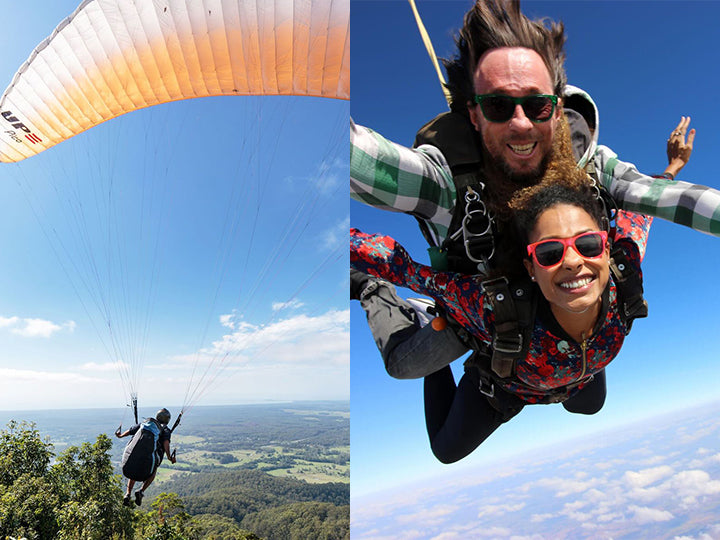
At first glance, both sports involve flying in the sky using a canopy.
But the experience, risk profile, cost, and learning curve are completely different.
Understanding the difference between skydiving and paragliding is essential—especially if this is your first aerial adventure.
What Is Skydiving? (Beginner Overview)
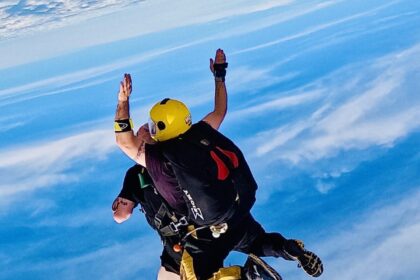
Skydiving involves jumping from an aircraft at high altitude, experiencing freefall, and then deploying a parachute.
How Skydiving Works
- Aircraft climbs to 10,000–15,000 feet
- You jump with an instructor (tandem jump)
- 30–60 seconds of freefall
- Parachute opens, followed by a guided landing
Why People Love Skydiving
- Extreme adrenaline rush
- Fast, intense experience
- Bucket-list worthy thrill
What Is Paragliding? (Beginner Overview)
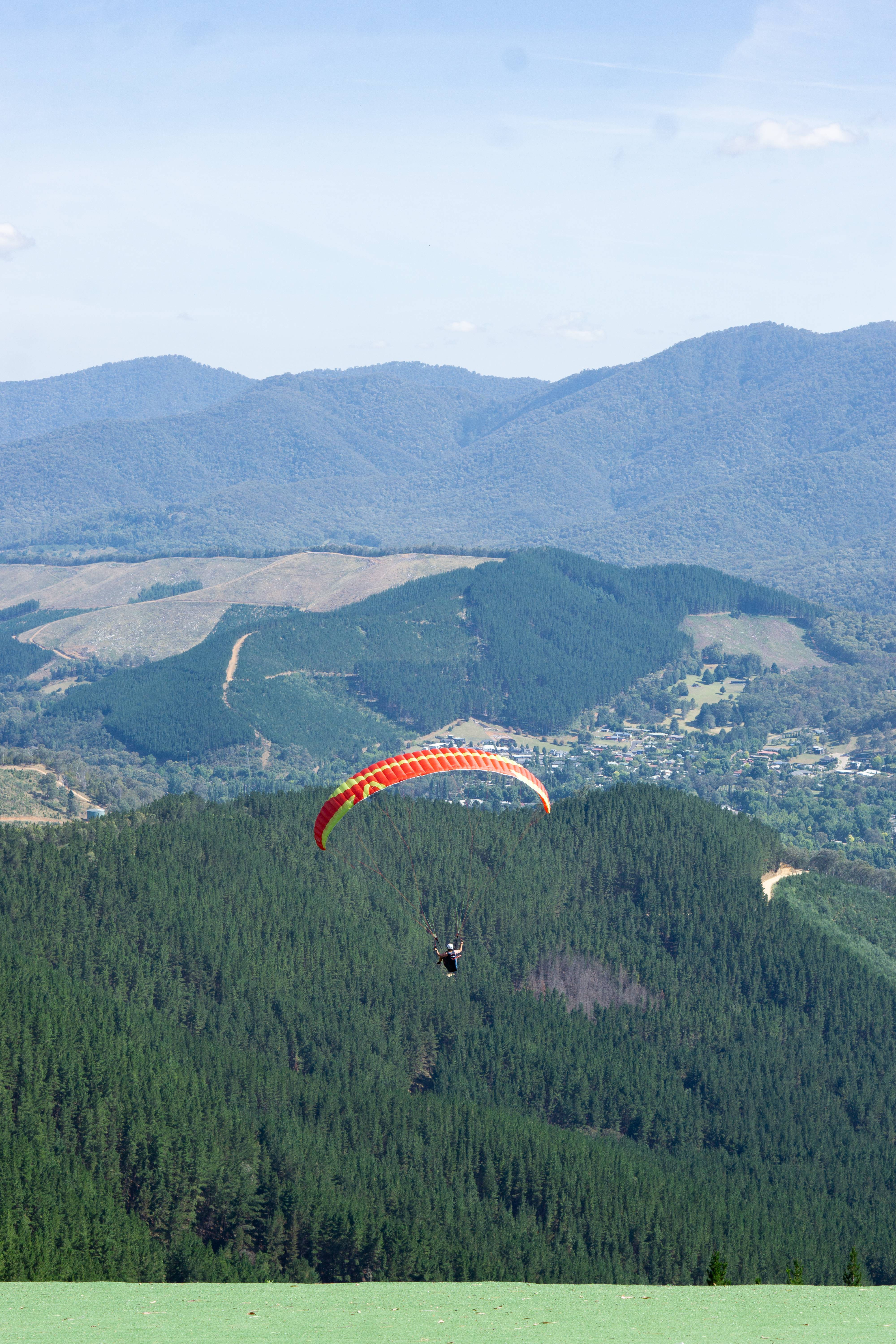
Paragliding is foot-launched flying using a lightweight fabric wing, usually from hills or mountains.
How Paragliding Works
- Launch from a slope or hill
- Wing inflates using wind and gravity
- Smooth gliding for 10–30 minutes
- Controlled landing in open areas
Why People Love Paragliding
- Peaceful, scenic views
- Longer air time
- Feeling of “bird-like” flight
Skydiving vs. Paragliding: Core Differences Explained
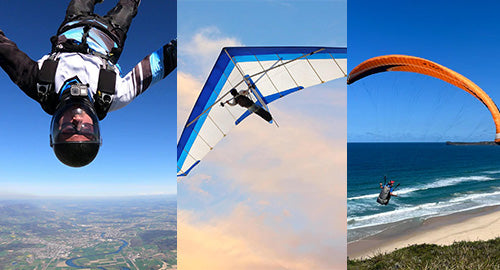
1. Difference in Adrenaline Level
Skydiving
- Intense, heart-pounding
- Freefall speed ~200 km/h
- Best for thrill-seekers
Paragliding
- Calm and relaxing
- Smooth air currents
- Ideal for scenic enjoyment
👉 Winner: Depends on personality
2. Duration of Experience
| Activity | Air Time |
|---|---|
| Skydiving | 5–7 minutes |
| Paragliding | 10–30 minutes |
Paragliding clearly wins if you want more time in the air.
3. Training & Beginner Friendliness
Skydiving
- No prior training required
- Tandem jumps are beginner-safe
- Instructor controls everything
Paragliding
- Tandem flights available
- Solo flying requires training
- More involvement from the flyer
👉 For zero effort: Skydiving
👉 For learning experience: Paragliding
Safety Records: Skydiving vs. Paragliding
Safety is the #1 concern for beginners.
Skydiving Safety Records
- Modern parachutes include automatic activation devices
- Tandem instructors are highly certified
- Accident rate is extremely low when protocols are followed
Paragliding Safety Records
- Safe in stable weather
- Risk increases with wind misjudgment
- Instructor quality matters greatly
✔ Both sports have strong safety records with licensed operators
❌ Most accidents happen due to poor weather or untrained pilots
Skydiving Rate vs. Paragliding Cost (2026)
| Factor | Skydiving | Paragliding |
|---|---|---|
| Average skydiving rate | Higher | Lower |
| Equipment cost | Included | Included |
| Training cost | Not needed | Optional |
| Value for money | High thrill | Long experience |
Budget Tip:
If you want maximum adrenaline per minute → Skydiving
If you want longer enjoyment → Paragliding
Physical & Mental Requirements
Skydiving
- Basic fitness
- No flying skills needed
- Mental readiness for freefall
Paragliding
- Light running required
- Better coordination
- Calm mindset helps
Both are beginner-friendly with instructors.
Weather Dependency: A Major Difference
- Skydiving can operate with light clouds
- Paragliding is heavily weather-dependent
If weather changes suddenly, paragliding sessions are often postponed.
Which One Should You Choose First? (Decision Guide)
Choose Skydiving first if:
- You crave extreme thrill
- You want a one-time unforgettable rush
- You prefer instructor-controlled safety
Choose Paragliding first if:
- You enjoy nature and views
- You want longer flying time
- You may want to learn the sport later
🧠 Pro-Tip (From Real Skydiving Experience)
If fear is your biggest concern, start with paragliding.
Once you trust flying, skydiving feels far less intimidating.
Many first-time jumpers say the fear before jumping is worse than the jump itself.
Confidence grows quickly after your first aerial experience.
Beginner Guide: Common Myths Busted
- ❌ “Skydiving is extremely dangerous”
✔ Reality: It’s statistically safer than many road trips. - ❌ “Paragliding is boring”
✔ Reality: It’s mentally thrilling and visually stunning.
Final Verdict: Skydiving vs. Paragliding
There is no wrong choice—only the right choice for you.
- Want pure adrenaline? → Skydiving
- Want peaceful flight? → Paragliding
Understanding the difference between skydiving and paragliding ensures your first adventure is memorable, safe, and enjoyable.
❓ Frequently Asked Questions (FAQ)
Is skydiving safer than paragliding?
Both have excellent safety records when done with certified instructors and proper weather conditions.
Which is better for beginners?
Skydiving is easier because instructors handle everything during tandem jumps.
Can I do paragliding without training?
Yes, tandem paragliding requires no prior training.
What is the average skydiving rate in 2026?
Skydiving rates vary by location but are generally higher than paragliding due to aircraft usage.
Which sport lasts longer?
Paragliding offers significantly longer air time than skydiving.