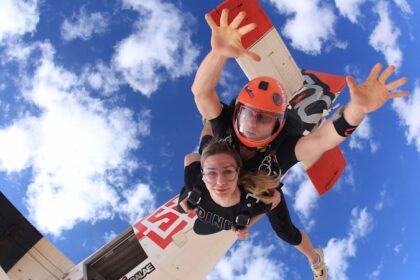

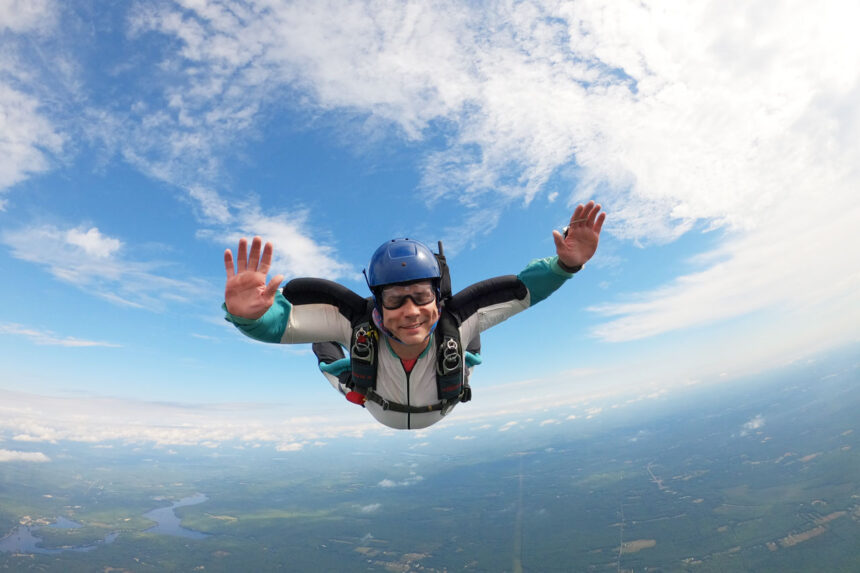
Skydiving solo is a dream many people share after experiencing their first tandem jump. The feeling of freedom and the rush of adrenaline make you want to jump again and again. However, becoming a solo skydiver requires more than just courage. It involves proper training, certification, and a financial commitment that varies depending on where you live and how quickly you want to progress. Understanding how much does it cost to skydive solo helps you plan your journey from a beginner to a licensed skydiver who can jump independently.
- Understanding Solo Skydiving Requirements
- Breaking Down the Skydiving License Cost
- How Many Jumps to Skydive Solo
- Additional Costs Beyond Initial Training
- How Do I Skydive Solo: The Complete Process
- Regional Variations in Skydiving Cost
- Making Solo Skydiving More Affordable
- Safety Considerations and Their Costs
- Frequently Asked Questions
- What is the minimum age to start solo skydiving training?
- Can I learn to skydive solo if I have never done a tandem jump?
- How long does it take to earn a skydiving license?
- Do I need to buy equipment before starting solo skydiving training?
- Is skydiving solo more dangerous than tandem skydiving?
- Can I jump at different dropzones after earning my license?
- Taking Your Next Steps in Solo Skydiving
The path to solo skydiving is not as simple as showing up at a dropzone and jumping out of a plane by yourself. There are specific requirements, training programs, and equipment costs involved. The skydiving cost differs significantly from your first tandem jump to earning your license and eventually jumping solo whenever you want. This comprehensive guide will walk you through every expense you need to consider, from initial training to ongoing costs, so you can make an informed decision about pursuing this incredible sport.
Understanding Solo Skydiving Requirements
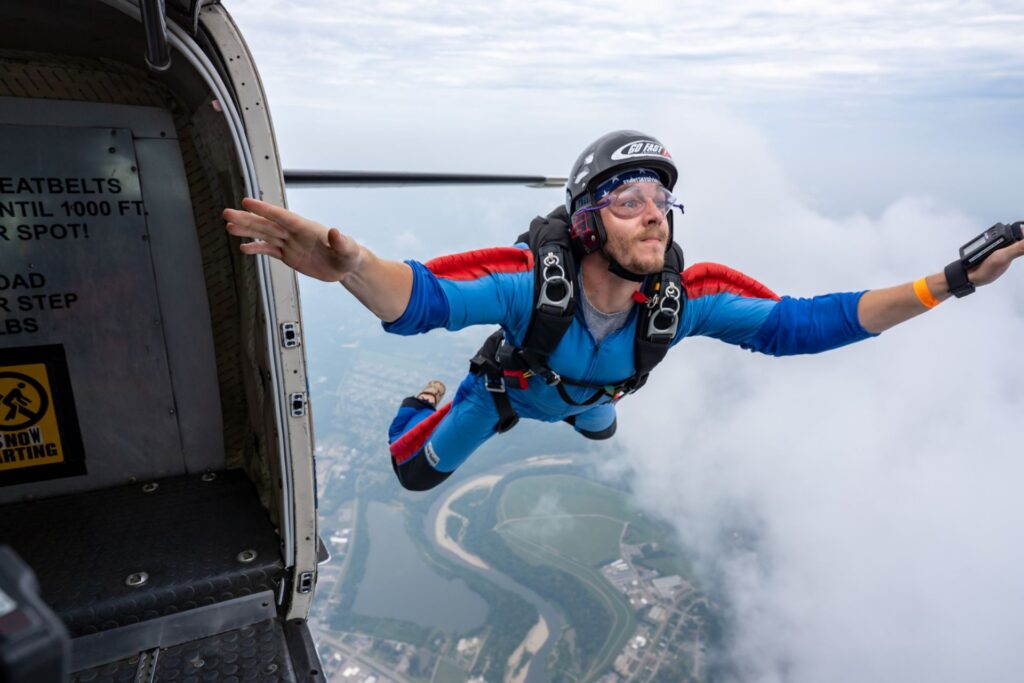
Before we discuss the parachute jump cost, it is important to understand what solo skydiving actually means. Solo skydiving refers to jumping without being attached to an instructor. This requires completing a certification program that teaches you how to operate your own parachute, handle emergencies, and land safely. In the United States, the most common certification is the A License issued by the United States Parachute Association.
The journey to solo skydiving typically starts with either an Accelerated Freefall program or a Static Line progression. Both methods teach you the fundamental skills needed to jump alone. The Accelerated Freefall method is faster and more popular, allowing you to experience freefall from your very first training jump. Static Line progression is slower but sometimes less expensive, as your parachute opens automatically when you exit the aircraft.
Most dropzones require you to be at least 18 years old to pursue solo skydiving certification. You will also need to pass a basic physical examination to ensure you are healthy enough for the sport. While skydiving is generally safe when proper procedures are followed, it is worth noting that skydiving deaths per year worldwide remain relatively low compared to the millions of jumps completed annually. Understanding these requirements helps you prepare both mentally and financially for the commitment ahead.
Breaking Down the Skydiving License Cost
The skydiving license cost is the largest initial expense you will face when learning to skydive solo. This cost includes your training program, instructor fees, aircraft rides, equipment rental, and the jumps required to earn your certification. In the United States, the total cost to earn your A License typically ranges from $3,000 to $4,500, though this can vary based on your location and the dropzone you choose.
The Accelerated Freefall program usually consists of seven to eight levels of training. Each level focuses on specific skills like body position, turns, forward movement, and emergency procedures. You will jump with two instructors for your first few jumps, then progress to jumping with one instructor, and eventually complete solo jumps under supervision. Each training jump costs between $200 and $300, which includes the instructor fees, aircraft ride, and equipment rental.
After completing your AFF training, you will need to perform additional solo jumps to meet the minimum requirements for your A License. The United States Parachute Association requires at least 25 total jumps before you can receive your A License. These additional jumps after your AFF course typically cost between $40 and $60 each for the aircraft ride, plus equipment rental if you do not own your gear yet. When you add everything together, including membership fees and the cost of your license application, the total investment becomes clearer.
How Many Jumps to Skydive Solo
A common question beginners ask is how many jumps to skydive solo. The answer depends on your chosen training method and how quickly you progress through the program. With Accelerated Freefall training, you can make your first supervised solo jump after completing just a few training levels, typically after three to five jumps with instructors.
However, being cleared to jump without any supervision requires completing all training requirements and earning your A License. As mentioned earlier, this requires a minimum of 25 jumps total. Some students progress faster than others, completing their certification in 25 jumps, while others may need additional training jumps to master certain skills. Each extra training jump adds to your overall cost.
The progression timeline also affects your total expenses. If you complete your training over several consecutive days or weeks, you might progress faster and potentially spend less overall. Taking months or years between jumps means you may need refresher training, which increases both the time and money required to earn your license. Most serious students complete their training within one to three months, making several jumps per week to maintain their skills and momentum.
Additional Costs Beyond Initial Training
Once you understand the basic skydiving license cost, you need to consider additional expenses that come with becoming a solo skydiver. The first major expense after earning your license is purchasing your own equipment. While you can continue renting gear from the dropzone, owning your equipment is essential if you plan to jump regularly.
A complete skydiving rig includes a main parachute, reserve parachute, container system, and an automatic activation device. Buying new equipment can cost anywhere from $7,000 to $12,000 depending on the brand and features you choose. Many new skydivers purchase used equipment to save money, which can reduce the cost to $3,000 to $6,000 for a complete setup. However, used equipment should always be inspected by a certified rigger to ensure it meets safety standards.
Beyond equipment, there are ongoing costs to consider. Every jump you make requires paying for the aircraft ride, which typically costs between $25 and $35 per jump depending on the altitude. Your reserve parachute must be inspected and repacked by a certified rigger every 180 days, which costs around $50 to $75. Your main parachute also needs regular maintenance and eventual replacement as it wears out over time.
Annual membership fees for the United States Parachute Association cost around $80 to $100, and this membership is required at most dropzones. You may also want to invest in additional training courses to improve your skills, such as canopy control courses, wingsuit training, or formation skydiving coaching. These specialty courses can cost several hundred to several thousand dollars but greatly enhance your safety and enjoyment of the sport.
How Do I Skydive Solo: The Complete Process
If you are wondering how do I skydive solo, the process begins with finding a reputable dropzone that offers student training programs. Research dropzones in your area and read reviews from past students. Visit the facility before committing to ensure they have experienced instructors, well-maintained equipment, and a safety-focused culture.
Once you choose a dropzone, you will attend a ground school session that covers the basics of skydiving physics, equipment operation, emergency procedures, and body position. This classroom training typically lasts several hours and is included in your AFF course fee. After ground school, you will make your first jump with two instructors who will exit the aircraft with you and provide hands-on guidance during freefall.
Your progression through the training levels depends on your ability to demonstrate the required skills on each jump. Your instructors will debrief you after every jump, reviewing video footage if available and discussing areas for improvement. Once you complete all AFF levels successfully, you will continue making supervised solo jumps until you accumulate the 25 jumps required for your A License.
After earning your A License, you gain the privilege to skydive solo at any dropzone in the country without direct supervision. However, your learning journey continues as you build experience and develop advanced skills. Many skydivers pursue additional licenses such as the B, C, and D licenses, which require more jumps and open up opportunities for coaching, formation skydiving, and other advanced disciplines.
Regional Variations in Skydiving Cost
The skydiving cost can vary significantly based on your location. Dropzones in major metropolitan areas or popular tourist destinations often charge higher prices due to increased demand and higher operating costs. Rural dropzones may offer lower prices but might have fewer services or less frequent aircraft availability.
International students should research costs in their specific country, as prices vary widely around the world. Some countries have lower training costs but may have different licensing systems or safety standards. If you earn your license in another country, you may need to have it recognized by your home country’s skydiving organization before you can jump domestically.
Weather also plays a role in regional cost variations. Areas with year-round jumping weather allow you to complete your training more quickly without weather delays. Regions with seasonal jumping may require you to pause your training during winter months, potentially leading to the need for refresher jumps when the season resumes.
Making Solo Skydiving More Affordable
While the initial investment may seem high, there are ways to make solo skydiving more affordable. Many dropzones offer package deals that reduce the per-jump cost when you purchase multiple jumps at once. Student discounts and group rates can also lower your overall expenses during training.
Consider completing your training during the weekday when some dropzones offer reduced rates compared to busy weekend prices. If you have flexibility in your schedule, this can lead to significant savings over the course of your training.
Working at the dropzone is another option many students pursue. Many dropzones hire packers to fold parachutes for tandem students and licensed skydivers. This job typically pays minimum wage but often comes with free or discounted jumps as a benefit. Some students work as packers to fund their progression through the sport, effectively trading their time for jump tickets.
Shopping for used equipment instead of buying new can save thousands of dollars on your first rig. Join online skydiving forums and communities where experienced jumpers sell their old gear when they upgrade. However, always have used equipment inspected by a rigger before purchasing to ensure it is safe and appropriate for your experience level.
Safety Considerations and Their Costs
Safety should always be your top priority when learning to skydive solo. While skydiving has become remarkably safe thanks to modern equipment and training methods, accidents can still happen. Investing in quality instruction and maintaining your equipment properly minimizes these risks significantly.
Never choose a dropzone or training program solely based on price. Cheaper programs may cut corners on safety, use older equipment, or have less experienced instructors. Research the dropzone’s safety record, instructor qualifications, and equipment maintenance standards before enrolling in any program.
Insurance is another safety consideration that comes with a cost. While most dropzones carry liability insurance, you may want to consider personal injury insurance that covers skydiving activities. Standard health insurance policies often exclude injuries from extreme sports, so check your coverage and consider supplemental policies if needed.
Continuing education also plays a vital role in safety. After earning your license, invest in additional training to improve your skills and learn from experienced coaches. The money spent on coaching and advanced courses pays dividends by making you a safer, more competent skydiver who can handle challenging situations effectively.
Frequently Asked Questions
What is the minimum age to start solo skydiving training?
You must be at least 18 years old to begin training for solo skydiving in the United States. Some countries allow younger students with parental consent, but 18 is the standard minimum age at most dropzones worldwide.
Can I learn to skydive solo if I have never done a tandem jump?
Yes, you can start with an Accelerated Freefall course without doing a tandem jump first. However, many people choose to do a tandem jump to experience skydiving before committing to the time and expense of earning their license.
How long does it take to earn a skydiving license?
Most dedicated students complete their A License within one to three months. The exact timeline depends on weather conditions, your availability to jump regularly, and how quickly you master the required skills.
Do I need to buy equipment before starting solo skydiving training?
No, all dropzones provide rental equipment during your training. Most instructors recommend waiting until after you earn your license before purchasing your own gear so you can make informed decisions about what equipment suits your needs.
Is skydiving solo more dangerous than tandem skydiving?
Solo skydiving involves more responsibility since you control your own parachute, but proper training and adherence to safety procedures make it very safe. Licensed skydivers typically have lower accident rates than tandem students because of their training and experience.
Can I jump at different dropzones after earning my license?
Yes, your A License allows you to jump at any dropzone that accepts USPA licenses. You may need to complete a brief check-in process or orientation jump at new dropzones to familiarize yourself with their specific procedures and landing areas.
Taking Your Next Steps in Solo Skydiving
Understanding how much does it cost to skydive solo gives you a realistic picture of the financial commitment required to join this incredible sport. While the initial investment may seem substantial, the experience of flying through the sky under your own parachute makes every dollar worthwhile for those passionate about skydiving.
The journey from your first training jump to becoming a licensed solo skydiver is challenging but incredibly rewarding. You will develop new skills, overcome fears, and join a community of like-minded individuals who share your passion for flight. The friendships formed at the dropzone and the sense of accomplishment from each milestone make skydiving about much more than just the jumps themselves.
If you are ready to start your solo skydiving journey, visit Skydive Guides to explore more resources about training programs, dropzone reviews, and everything you need to know about becoming a licensed skydiver. Take the first step today by contacting dropzones in your area to schedule an introductory visit and learn more about their training programs. The sky is waiting for you, and your solo skydiving adventure can begin sooner than you think. Check out more helpful guides at Skydive Guides to prepare for your journey into the world of solo skydiving.