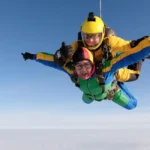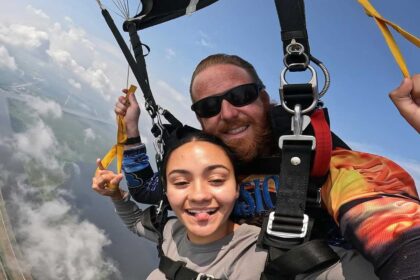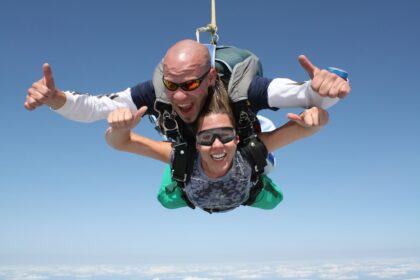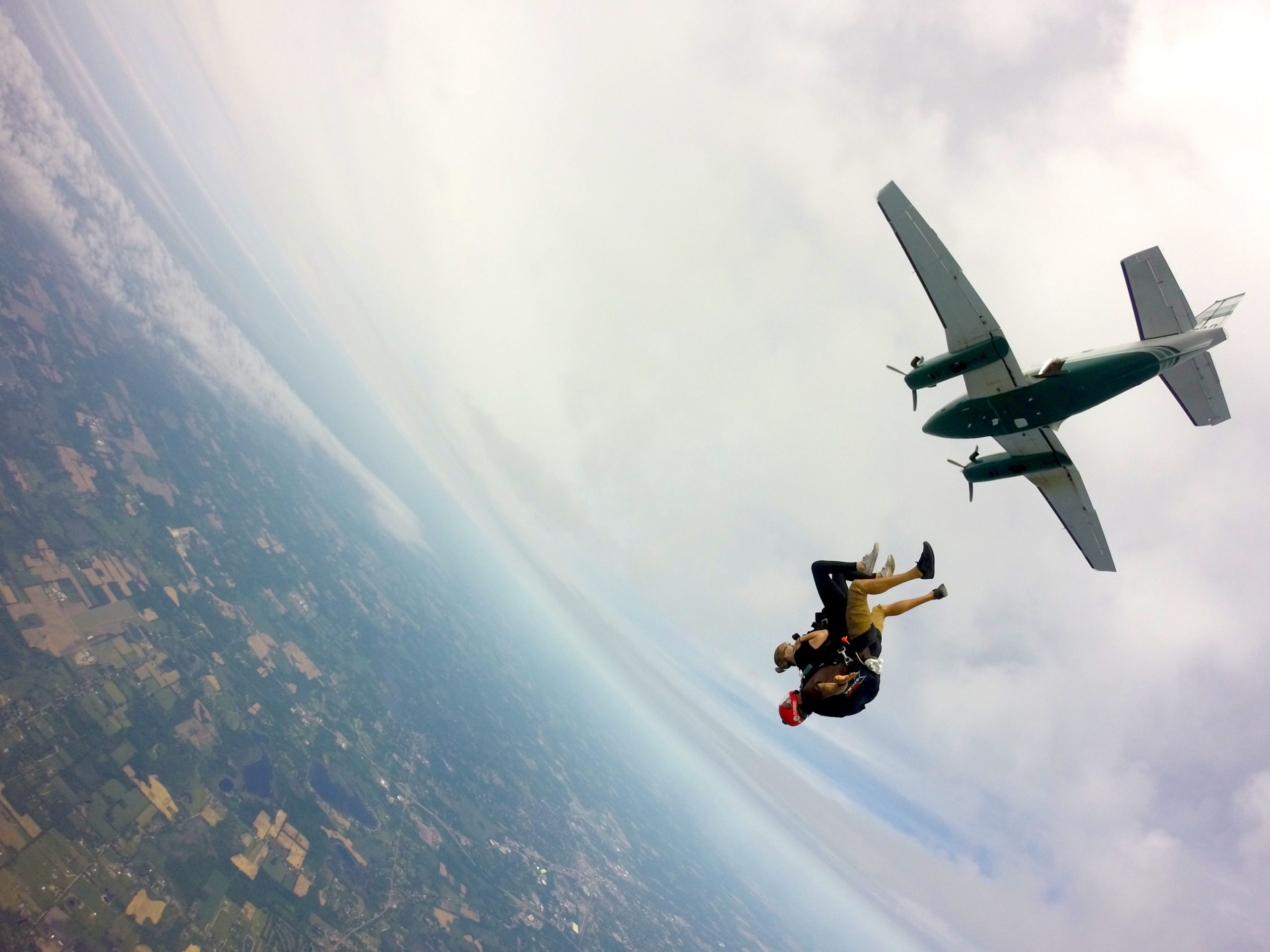

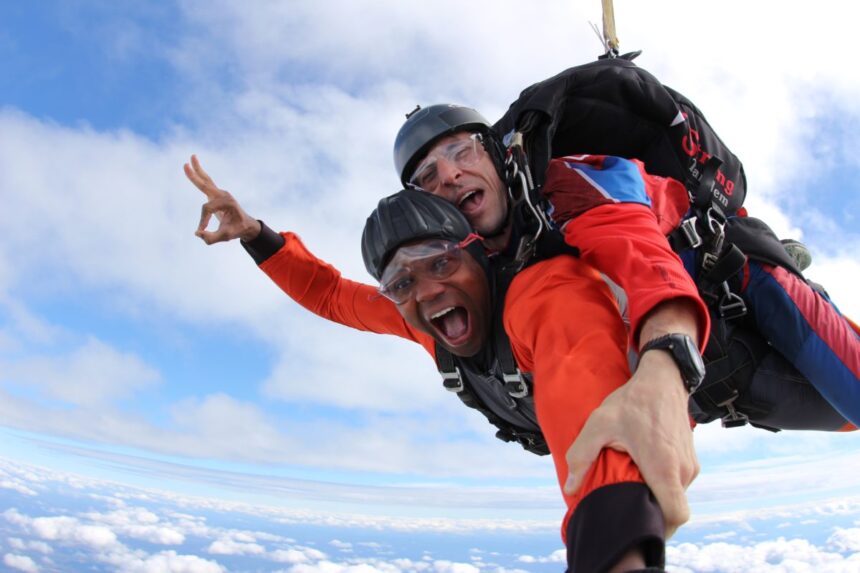
Preparing for your first tandem skydive is exciting, a little nerve-racking, and one of those rare experiences that stays with you for life. Whether you’re doing it for your birthday, travel adventure, bucket list, or just pure curiosity, knowing what to expect makes the entire experience smoother and more enjoyable.
- What Is Tandem Skydiving?
- Why Beginners Choose Tandem Skydiving
- How to Prepare Before the Jump
- What to Do the Day Before Your Jump
- What to Do on Jump Day (Step-by-Step)
- What to Bring (Beginner Packing List)
- Weather Delays and Rescheduling
- Cost Factors (Without Exact Pricing)
- Safety Considerations (Informational Only)
- Tips for a Better First Experience
- Travel Planning for Skydiving
- Do You Need Fitness or Training?
- Pros vs Cons of Tandem Skydiving for First Timers
- Frequently Asked Questions (Based on PAA & AI Overview Queries)
- Final Thoughts
This complete guide explains how to prepare mentally, physically, and logistically—while keeping things simple, beginner-friendly, and AdSense-safe. You’ll also learn how tandem skydiving works, what to bring, how to dress, how safety procedures function, and what to expect before and after the jump.
What Is Tandem Skydiving?
Tandem skydiving means you jump while securely attached to a licensed and trained instructor who controls:
- The exit from the aircraft
- Body position during freefall
- Parachute deployment
- Canopy control
- Landing procedures
Because the instructor is responsible for the technical aspects, tandem jumps are the most accessible option for first-timers and travelers.
Why Beginners Choose Tandem Skydiving
Most first-time jumpers choose tandem skydiving because:
- No prior training is required
- The instructor controls safety-critical tasks
- The freefall sensation is immersive but beginner-friendly
- It has one of the best instructor-to-student safety frameworks
- It allows tourists to experience skydiving as an activity, not a course
This makes tandem skydiving ideal for people who want to try skydiving without committing to full Training & Licenses, which cover solo progression.
How to Prepare Before the Jump
Preparation starts days before your scheduled jump. Here’s how to do it right:
Research Your Dropzone or Destination
If you’re traveling, the location matters. Scenic dropzones can add immense value to your experience—coastlines, mountains, islands, and cities all feel different from the sky.
When choosing a destination, consider:
- Availability for tourists
- Weather patterns
- Scenery and photo/video potential
- Accessibility from major cities
If you’re undecided, you can browse Destinations for scenic and beginner-friendly options.
Understand Basic Safety Frameworks
Skydiving has structured safety systems. For example, in the United States, skydiving operations follow guidance from the United States Parachute Association (USPA), which publishes safety recommendations and educational resources.
In aviation matters, regulations often involve the Federal Aviation Administration (FAA), which governs aircraft operations and the airspace skydiving uses.
Reading about safety frameworks can help you feel more confident, but it’s not required for participation.
For deeper safety topics, you can explore Safety, which explains weather, equipment, and parachute systems in a beginner-friendly way.
Book in Advance (Especially in Peak Months)
Skydiving schedules fill quickly during:
- Summer (June–August in many regions)
- Holidays
- Tourism seasons
If you’re flying somewhere specifically for skydiving, book the jump early in your trip in case of weather delays.
Prepare Your Mindset (But Don’t Overthink It)
It’s normal to feel nervous. Most beginners report feeling more excited than scared once they’re on site.
People with a strong fear of heights often still enjoy skydiving because freefall doesn’t feel like “standing on a ledge”—you’re too high to get vertigo.
Common beginner fears include:
- “Will I panic?”
- “Can I breathe?”
- “What if I can’t jump?”
- “Will it feel like falling?”
Freefall feels more like smooth airflow than roller-coaster stomach drops, and instructors are trained to coach first-time jumpers calmly through the exit.
What to Do the Day Before Your Jump
Avoid Alcohol or Heavy Late-Night Meals
For comfort reasons, it’s advisable to:
- Hydrate normally
- Avoid excess alcohol
- Avoid extremely heavy or greasy late-night meals
This supports general well-being and reduces the chance of feeling uncomfortable during the activity.
Sleep Normally (If You Can)
Good sleep is ideal, but even if you’re excited and sleep a little less, it’s fine. Skydiving doesn’t require physical exertion from first-timers.
What to Do on Jump Day (Step-by-Step)
Here’s the typical flow on jump day and how to prepare:
1. Dress Comfortably
The best clothing for skydiving is:
- Fitted athletic wear
- Lightweight tops (weather-dependent)
- Sneakers (closed-toe, no hooks)
Avoid:
- Sandals or open-toe shoes
- Loose scarves or accessories
- Collared shirts that flap
- Jewelry or watches
Comfort is key—even on scenic jumps such as beach, mountain, or city Destinations.
2. Arrive Early for Check-In
Dropzones need time for:
- Registration
- Waivers
- Safety briefings
- Gear fitting
- Weather checks
- Aircraft scheduling
This can take anywhere from 1 to 3 hours depending on the operation.
3. Attend the Briefing
Your instructor or staff will brief you on:
- Freefall body position
- Exit posture
- Harness attachment
- Eye protection
- Landing posture
- Communication signals
This briefing is simple and designed for first-time tourists and travelers.
4. Gear Fitting and Harnessing
Tandem equipment includes:
- Harness
- Goggles
- Helmet (varies by dropzone)
- Optional jumpsuit
The instructor adjusts your harness for comfort and safety.
For more equipment knowledge, check out Gear Reviews, which covers helmets, goggles, and action cameras in beginner-friendly detail.
5. Aircraft Boarding and Ascent
You board a small aircraft, often a turboprop or similar. The climb to altitude usually takes 10–20 minutes depending on:
- Altitude (10,000–15,000 ft is common)
- Aircraft type
- Air traffic patterns
During ascent, most beginners find excitement replaces nerves.
6. The Exit and Freefall
At altitude, the instructor positions you safely at the door.
Freefall lasts about 45–60 seconds depending on altitude and feels like sustained, fast airflow—not like falling off a ledge.
7. Parachute Deployment and Canopy Flight
Once the parachute opens:
- Noise reduces significantly
- Conversation becomes possible (varies)
- Scenery becomes visible
- Time under canopy is peaceful
Canopy flight lasts several minutes and often becomes the favorite part for beginners.
8. Landing
Landing is guided by your instructor and typically involves:
- Lifting legs slightly (seated landings)
- Or jogging a few steps (stand-up landings)
Your instructor will coach you on landing posture.
What to Bring (Beginner Packing List)
Here’s a simple packing checklist:
✔ Government photo ID
✔ Sneakers (required)
✔ Comfortable clothing
✔ Water bottle
✔ Contact lenses instead of glasses (optional)
✔ Hair ties for long hair
✔ Small snack for after the jump
Avoid bringing oversized bags unless traveling.
Weather Delays and Rescheduling
Skydiving depends on:
- Wind speed
- Cloud layers
- Rain
- Visibility
- Air traffic control
Beach and mountain jump sites sometimes face shifting wind patterns.
If weather is unsafe, dropzones may:
- Delay the jump
- Move you to another time slot
- Reschedule to another day
It is helpful to schedule skydiving early in your trip if traveling.
Cost Factors (Without Exact Pricing)
Tandem skydiving cost depends on:
- Country
- Altitude
- Tourist demand
- Season
- Media packages (video/photos)
- Dropzone reputation
- Day of week
Higher altitude and scenic Destinations often cost more due to tourism demand.
Media packages are optional but highly popular for first-time jumpers, especially those who film travel content.
Safety Considerations (Informational Only)
Tandem skydiving incorporates multiple safety mechanisms including:
- Instructor-controlled harness system
- Two parachute systems (main + reserve)
- Automatic Activation Device (AAD)
- Weather assessment
- Aircraft & airspace procedures
- Reserve repack cycles (regulated)
- Instructor training standards
AAD devices can initiate reserve deployment at specific altitudes if needed.
Skydiving operations may reference USPA recommendations about training, equipment, and best practices.
For aviation airspace regulation, FAA rules apply for aircraft operation and altitude coordination.
For deeper safety reading, explore Safety, which covers weather, landing dynamics, and equipment systems in detail.
Tips for a Better First Experience
Here are beginner-tested tips:
✔ Schedule a morning slot (better weather)
✔ Wear athletic shoes
✔ Stay hydrated
✔ Avoid heavy meals right before jumping
✔ Listen closely during briefing
✔ Choose video packages for memories
✔ Book earlier during trips (for weather flexibility)
Relaxation comes naturally as instructors guide the entire process.
Travel Planning for Skydiving
If you’re jumping while traveling, consider:
How to integrate skydiving into a trip:
Option A — Destination First
- Jump early in trip
- Free buffer days for rescheduling
- Best for locations with variable weather
Option B — Final Trip Highlight
- Works in stable climates
- Best when weather delays are less likely
Popular Travel Pairings:
- Skydiving + scuba diving (islands)
- Skydiving + hiking (mountains)
- Skydiving + city tours (urban skylines)
- Skydiving + road trips (coastal routes)
To plan location-based jumps, browse Destinations, which highlights scenic and beginner-friendly dropzones.
Do You Need Fitness or Training?
Tandem skydiving doesn’t require athletic ability. Most tasks are handled by the instructor.
Minimal requirements include:
- Lifting legs for landing
- Wearing harness comfortably
- Following simple instructions
For those interested in learning to jump solo later, see Training & Licenses, which covers AFF courses, A-license requirements, and progression.
Pros vs Cons of Tandem Skydiving for First Timers
| Category | Pros | Cons |
|---|---|---|
| Training | Minimal briefing | No independent control |
| Experience | High adrenaline + scenic views | Short duration |
| Safety | Instructor-managed systems | Weather dependent |
| Cost | Entry-level pricing | Media add-ons cost extra |
| Travel | Fits tourism itineraries | Requires flexible timing |
This helps decide whether to continue into solo skydiving programs after your first jump.
Frequently Asked Questions (Based on PAA & AI Overview Queries)
Is tandem skydiving scary for beginners?
Most beginners report excitement rather than fear once airborne. The instructor manages safety-critical tasks, making it beginner-friendly.
Can you breathe during freefall?
Yes. Freefall feels like stable airflow rather than suffocation. Breathing normally is possible.
Does skydiving feel like falling?
It does not feel like dropping from a height; instead it feels like steady wind pressure due to terminal velocity.
How long does tandem skydiving take?
Plan for 2–4 hours including check-in, briefing, gearing, flying, and jumping.
Do you need to be physically fit?
No athletic training is required for tandem jumping. Basic mobility for harnessing and landing posture is typically enough.
Should you eat before skydiving?
Light meals and snacks are fine. Extremely heavy meals may be uncomfortable.
Can you wear glasses?
Yes, most dropzones provide goggles that fit over eyewear.
Final Thoughts
Preparing for your first tandem skydive doesn’t require prior knowledge or physical training—just curiosity and willingness to try something new. By dressing comfortably, arriving early, listening to your instructor, and planning for weather flexibility, you’ll set yourself up for an unforgettable skydiving experience.