
Indoor skydiving los angeles offers an amazing way to experience the thrill of freefall without actually jumping from a plane. This exciting activity has become incredibly popular in recent years, giving people of all ages the chance to feel what flying is truly like. Whether you are scared of heights, want to practice before your first real jump, or simply want to try something new and exciting, indoor skydiving provides a safe and controlled environment where you can experience the rush of skydiving.
- What Makes Indoor Skydiving Different from Regular Skydiving
- Understanding How the Air Flying Experience Works
- What to Expect During Your First Indoor Skydiving Session
- Finding the Best Indoor Skydiving Facilities in Los Angeles
- Safety Considerations and Who Can Participate
- Comparing Indoor Skydiving to Other Similar Experiences
- Preparing for Your Indoor Skydiving Adventure
- Taking Your Skills to the Next Level
- Frequently Asked Questions About Indoor Skydiving Los Angeles
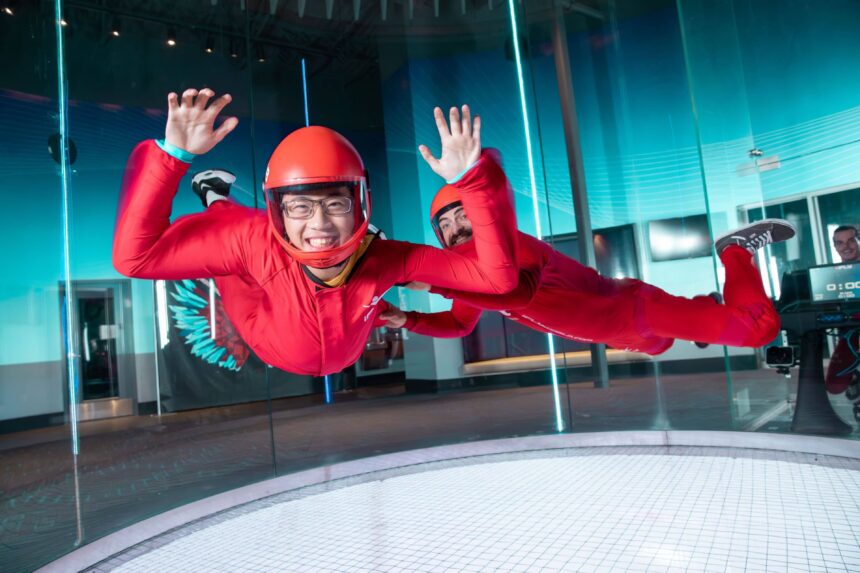
In Los Angeles, you have access to some of the best indoor skydiving facilities in the country. These state-of-the-art wind tunnels use powerful fans to create an upward flow of air that keeps you floating in mid-air, just like you would during a real skydive. The experience is so realistic that professional skydivers actually use these facilities to practice their techniques and improve their skills.
What Makes Indoor Skydiving Different from Regular Skydiving
When people think about skydiving los angeles, they often picture jumping out of an airplane at thousands of feet in the air. While traditional skydiving is an incredible adventure, it requires you to overcome the fear of heights and commit to jumping from a moving aircraft. Indoor skydiving removes these barriers while still giving you the sensation of freefall.
The vertical wind tunnel technology used in indoor skydiving creates winds strong enough to support your body weight, allowing you to float and fly in a controlled space. This means you get the feeling of falling through the sky without the need for parachutes, airplanes, or even good weather conditions. You can enjoy this experience year-round, regardless of rain, clouds, or wind outside.
Another major difference is the learning curve. In traditional skydiving, you typically do a tandem jump with an instructor strapped to your back for your first experience. With indoor skydiving, you receive one-on-one coaching from an experienced instructor who flies right beside you in the tunnel, giving you immediate feedback and helping you improve your flying skills in real-time.
Understanding How the Air Flying Experience Works
The concept of air flying might seem magical, but it is actually based on simple physics. Indoor skydiving facilities use what is essentially a large vertical wind tunnel. Massive fans at the top or bottom of the tunnel push air upward at speeds ranging from 120 to 175 miles per hour, depending on your body weight and skill level.
When you step into the tunnel, this powerful column of air supports your entire body weight, creating the sensation of floating. The feeling is remarkably similar to what experienced skydivers feel during the freefall portion of their jumps, which is why these facilities are often used for training by people who want to become skydivers.
The technology behind these wind tunnels has improved dramatically over the years. Modern facilities feature smooth, consistent airflow that makes the flying experience more comfortable and realistic. The walls of the tunnel are typically made of clear materials, allowing your friends and family to watch and record your flight from outside.
What to Expect During Your First Indoor Skydiving Session
Before you fly, you will attend a brief training session where an instructor explains the basic body positions and hand signals used during indoor skydiving. This training usually takes about 15 to 20 minutes and covers everything you need to know to have a safe and enjoyable first flight.
You will be provided with all necessary equipment, including a flight suit, helmet, goggles, and earplugs. The flight suit is designed to catch the air and help you maintain stability in the tunnel. The helmet and goggles protect your head and eyes from the powerful wind, while earplugs reduce the noise from the fans.
Your first flight session typically includes multiple flights in the tunnel, each lasting about 60 seconds. While one minute might not sound like much, it is actually equivalent to the freefall time of several real skydives. Between flights, you will have a chance to rest, receive feedback from your instructor, and watch other flyers.
The instructor stays with you throughout your entire flight, holding onto your flight suit and helping you maintain the correct position. As you become more comfortable, they will gradually give you more freedom to fly on your own, though they remain close by to provide support and ensure your safety.
Finding the Best Indoor Skydiving Facilities in Los Angeles
Los Angeles is home to several excellent indoor skydiving facilities that cater to both beginners and experienced flyers. When searching for the best location, consider factors such as proximity to your home or hotel, the size and quality of the wind tunnel, the experience level of the instructors, and the overall reviews from previous customers.
The best facilities offer clean, modern equipment, well-maintained tunnels, and highly trained instructors who can work with flyers of all skill levels. Many locations also provide additional services such as photography and video packages, so you can capture your flying experience and share it with friends and family.
Some facilities specialize in training serious athletes and aspiring skydivers, while others focus more on providing a fun recreational experience for families and casual thrill-seekers. The best skydiving in america facilities often have tunnels that are part of larger entertainment complexes, making them great destinations for group outings or special occasions.
When booking your session, look for facilities that offer flexible scheduling, competitive pricing, and package deals if you plan to fly multiple times. Many locations offer discounts for groups, repeat visitors, and special promotions during off-peak hours.
Safety Considerations and Who Can Participate
One of the biggest advantages of indoor skydiving is its excellent safety record. Because you are flying in a controlled environment just a few feet off the ground with professional instructors constantly monitoring your position, the risks are minimal compared to traditional skydiving. While traditional skydiving does have risks, with skydiving deaths per year worldwide being carefully tracked and studied, indoor skydiving eliminates many of these concerns entirely.
Most facilities welcome participants as young as three or four years old, making this an activity that truly can be enjoyed by the whole family. There are some weight and health restrictions, as people who are extremely overweight, pregnant, or have certain medical conditions may not be able to fly safely. However, the vast majority of people can participate without any issues.
Before your flight, you will be asked to sign a waiver and disclose any health conditions that might affect your ability to fly safely. Common restrictions include severe back or neck problems, shoulder dislocations, and heart conditions. If you have any concerns about your ability to participate, it is always best to contact the facility in advance and discuss your situation with their staff.
Comparing Indoor Skydiving to Other Similar Experiences
People often wonder how indoor skydiving compares to other gravity-defying experiences like zero gravity simulator facilities or other adventure attractions. While a true zero gravity experience involves flying in a specially modified aircraft that creates brief periods of weightlessness, indoor skydiving uses constant airflow to keep you floating.
The sensation of flying in a wind tunnel is different from true zero gravity because you still feel the force of the wind pushing against your body. However, for most people, indoor skydiving provides a more accessible and affordable way to experience the thrill of defying gravity. Plus, you get much more flight time compared to zero gravity flights, which only provide short bursts of weightlessness between parabolic maneuvers.
If you search for a zero gravity simulator near me, you might find that indoor skydiving facilities are more common and offer a better overall value for your money. The experience is also more interactive, as you can learn to control your movements and perform tricks in the wind tunnel, whereas zero gravity experiences are more passive.
Preparing for Your Indoor Skydiving Adventure
To make the most of your indoor skydiving experience, there are several things you can do to prepare. First, wear comfortable clothing that fits snugly against your body. Loose clothing can catch in the wind and make it harder to fly. Athletic wear or fitted jeans with a t-shirt work perfectly.
Remove any jewelry, watches, or loose items from your pockets before your flight. These items could become projectiles in the powerful wind and potentially cause injury. Most facilities provide lockers where you can safely store your belongings during your session.
Arrive at the facility with enough time to complete the check-in process, watch the safety video, and attend the training session without feeling rushed. Being relaxed and focused will help you get the most out of your flying time. If you wear contact lenses, they are generally fine to wear during your flight, though some people prefer to wear glasses with a retention strap instead.
Try to avoid eating a heavy meal immediately before your flight. While indoor skydiving does not typically cause motion sickness, having a full stomach can make some people feel uncomfortable during their first experience with the intense physical sensations of flying.
Taking Your Skills to the Next Level
After your first indoor skydiving session, you might find yourself wanting to return and improve your flying abilities. Indoor skydiving is a sport that offers endless opportunities for progression, from learning basic belly flying to advanced techniques like flying head-down, performing flips and spins, and even flying in groups with other skilled flyers.
Many facilities offer coaching programs and multi-session packages designed to help you develop your skills over time. With practice, you can learn to move up and down in the tunnel, fly forward and backward, and perform impressive aerial maneuvers that look like they belong in an action movie.
Some people who start with indoor skydiving eventually decide to try traditional outdoor skydiving as well. The skills you learn in the wind tunnel directly transfer to the sky, giving you a significant advantage during your first real skydives. Many professional skydivers spend time in wind tunnels to refine their techniques and learn new skills in a safe environment before attempting them at altitude.
Whether you decide to pursue indoor skydiving as a serious hobby or simply enjoy it as an occasional recreational activity, the experience offers something unique that few other sports can match. The feeling of human flight is truly unforgettable, and indoor skydiving makes it accessible to almost everyone.
Ready to experience the thrill of flying? Visit Skydive Guides to learn more about indoor and outdoor skydiving opportunities, safety information, and expert tips for making the most of your skydiving adventures in Los Angeles and beyond.
Frequently Asked Questions About Indoor Skydiving Los Angeles
How much does indoor skydiving cost in Los Angeles?
Prices for indoor skydiving in Los Angeles typically range from $60 to $100 for a first-time experience package, which usually includes two one-minute flights. Additional flight time can be purchased at a lower per-minute rate. Group packages and return visitor discounts are often available, making subsequent visits more affordable.
Is indoor skydiving scary for first-timers?
Most first-time flyers find indoor skydiving much less intimidating than traditional skydiving because you never leave the ground and are always just a few feet from the safety net. The instructor is right beside you throughout the entire experience, providing support and guidance. While the powerful wind can feel intense at first, the fear quickly transforms into excitement as you realize how stable and secure you feel in the tunnel.
Can children do indoor skydiving?
Yes, children as young as three or four years old can participate in indoor skydiving at most facilities. However, very young children must meet minimum weight requirements and be able to follow basic instructions from the instructor. Indoor skydiving is a popular activity for birthday parties and family outings, offering a unique experience that kids will remember for years.
Do I need any prior experience or special skills?
No prior experience is necessary for indoor skydiving. The pre-flight training session teaches you everything you need to know, and your instructor will physically support you during your flights. People of all fitness levels can participate, though being in reasonably good health will help you enjoy the experience more fully.
How long does the entire indoor skydiving experience take?
Plan to spend about 90 minutes to two hours at the facility for your first visit. This includes check-in time, watching the safety video, attending the training session, getting suited up, your actual flight time, and time to watch other participants. The actual time in the wind tunnel is typically just a few minutes spread across multiple flights, but the preparation and education are important parts of the experience.
What is the difference between indoor and outdoor skydiving?
Indoor skydiving takes place in a vertical wind tunnel on the ground, while outdoor skydiving involves jumping from an airplane at altitude. Indoor skydiving focuses on the freefall sensation and eliminates the parachute descent portion. It is weather-independent, requires no jumping from heights, and allows for longer cumulative freefall time at a lower cost. Outdoor skydiving offers the complete experience including the airplane ride, the view from altitude, and the parachute flight back to earth.