
Skydiving is often described as a once-in-a-lifetime adventure, but when something goes wrong, the consequences can be severe. Injuries from skydiving accidents can result in overwhelming medical bills, long recovery periods, and lost income. This leads many people to ask an important question: Is skydiving accident compensation possible in the USA?
- When Is Skydiving Accident Compensation Possible in the USA?
- Negligence vs Personal Risk: The Most Important Legal Difference
- Common Skydiving Accident Compensation Examples (Generic)
- How the Legal Process Works in the USA
- Time and Cost Involved in Skydiving Compensation Cases
- Can You Sue Even After Signing a Waiver?
- How to Reduce Legal and Financial Risk Before Skydiving
- Final Thoughts: Is Skydiving Accident Compensation Worth Pursuing?
- FAQs
The answer is not always straightforward. Skydiving involves inherent risks, and most jumpers sign liability waivers before jumping. However, compensation may still be possible in certain situations, especially when negligence or equipment failure is involved.
This guide explains when compensation is possible, how negligence differs from personal risk, what the legal process looks like in the US, and the time and costs involved—in simple, easy-to-understand language.
When Is Skydiving Accident Compensation Possible in the USA?
Skydiving accident compensation is generally possible when the injury was caused by someone else’s negligence, rather than the normal risks associated with the sport.
Compensation may be considered if:
- The drop zone failed to follow safety regulations
- Equipment was defective or poorly maintained
- The instructor made a critical error
- Weather conditions were unsafe but jumps continued
- Emergency procedures were not followed properly
While skydiving is a high-risk activity, risk alone does not automatically remove all legal rights. US courts often examine whether the accident occurred due to avoidable mistakes rather than unavoidable danger.
If you want a deeper understanding of accident scenarios and risk factors, this guide on skydiving safety risks and injury causes explains how many incidents occur and why some lead to legal claims:
👉 how-safe-is-skydiving
Negligence vs Personal Risk: The Most Important Legal Difference
Understanding the difference between negligence and personal risk is critical when evaluating compensation eligibility.
Personal Risk in Skydiving
Personal risk refers to dangers that are inherent to the activity, such as:
- Rapid descent speed
- Hard landings
- Mid-air instability
- Physical strain during deployment
These risks are typically acknowledged when a participant signs a waiver. If an injury occurs solely due to these expected dangers, compensation is usually not granted.
Negligence in Skydiving Accidents
Negligence occurs when a party fails to act with reasonable care. In skydiving cases, negligence may involve:
- Inadequate equipment inspection
- Improper parachute packing
- Instructor error during tandem jumps
- Ignoring wind or weather warnings
- Lack of proper training or supervision
If negligence is proven, a signed waiver does not always protect the responsible party.
You can learn how liability waivers work and their legal limits in the US here:
👉 skydiving-liability-waiver-explained
Common Skydiving Accident Compensation Examples (Generic)
While every case is unique, the following generic examples illustrate situations where compensation has been pursued in the USA:
Equipment Malfunction
If a parachute fails due to manufacturing defects or improper maintenance, the injured jumper may have a claim against:
- Equipment manufacturer
- Drop zone maintenance provider
Instructor Error
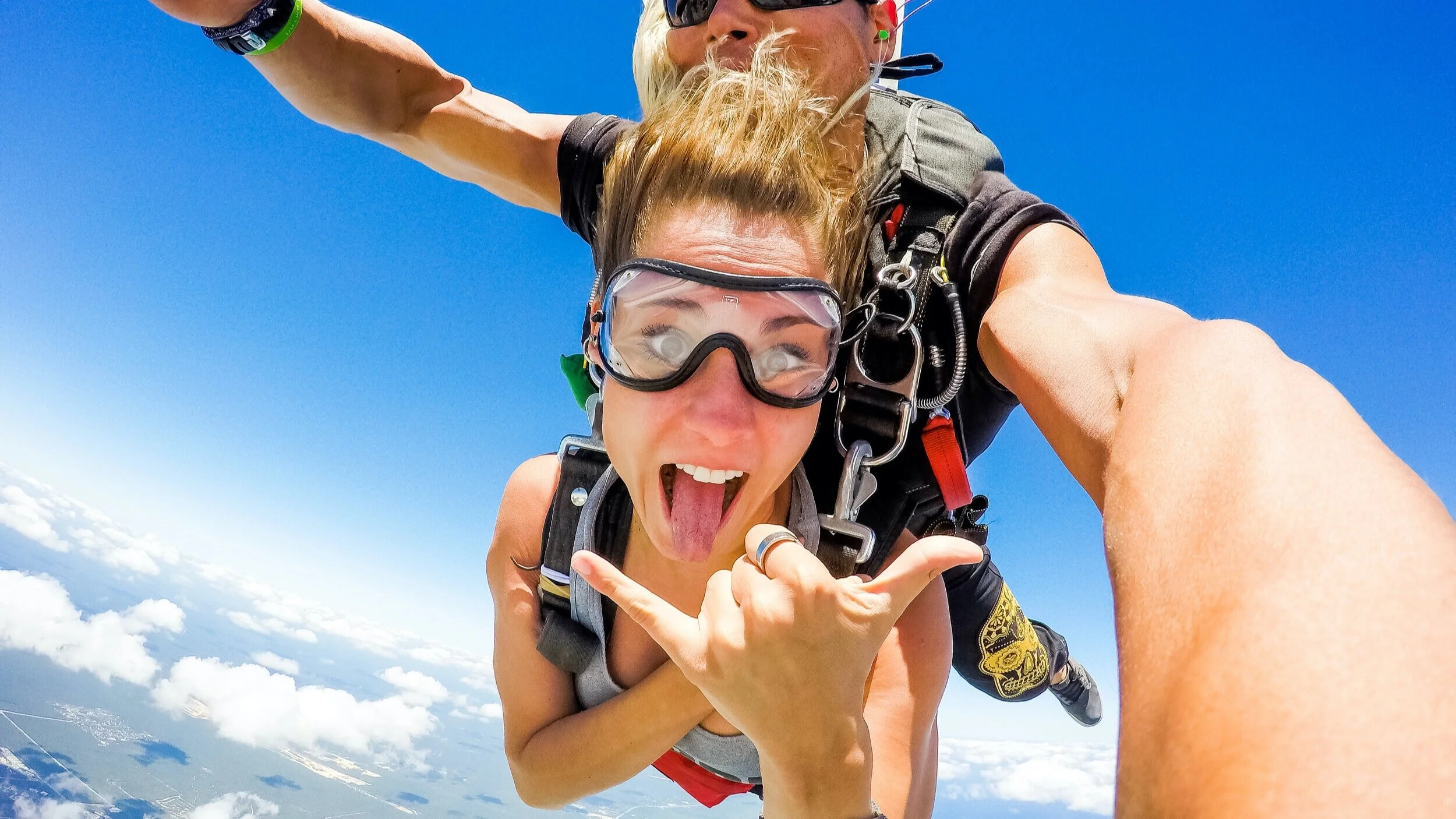
In tandem skydiving, instructors are responsible for:
- Proper harness attachment
- Stable freefall position
- Timely parachute deployment
Mistakes in these areas may constitute negligence.
Unsafe Jump Conditions
Continuing jumps during unsafe weather or poor visibility has led to compensation claims when accidents occurred.
For related safety insights, see this in-depth breakdown of tandem skydiving injury risks
How the Legal Process Works in the USA
Skydiving accident compensation cases typically follow a structured legal process.
Step 1: Medical Documentation
The injured person must collect:
- Hospital and emergency room bills
- Diagnostic reports
- Doctor statements
- Rehabilitation costs
Medical records form the foundation of any claim.
Step 2: Case Evaluation
A legal professional evaluates:
- The waiver signed before the jump
- Evidence of negligence
- Witness statements
- Equipment inspection records
Step 3: Filing a Claim
Claims may be filed against:
- Drop zone operators
- Instructors
- Equipment manufacturers
- Insurance providers
Step 4: Settlement or Court Decision
Many cases are resolved through settlement, while others proceed to court if liability is disputed.
If you are unsure who pays medical bills after a skydiving injury, this detailed resource explains financial responsibility clearly:
👉who-pays-medical-bills-after-skydiving-accident
Time and Cost Involved in Skydiving Compensation Cases
How Long Does a Case Take?
- Simple cases: 6–12 months
- Complex cases: 1–3 years
The timeline depends on injury severity, cooperation between parties, and whether the case goes to trial.
Legal Costs
Most personal injury cases work on a contingency fee basis, meaning:
- No upfront legal fees
- Lawyer is paid only if compensation is awarded
Legal fees usually range between 25% and 40% of the settlement amount, depending on case complexity.
Compensation Amounts
Compensation may cover:
- Medical bills
- Lost income
- Rehabilitation costs
- Long-term disability expenses
Amounts vary widely based on the injury and level of negligence involved.
Can You Sue Even After Signing a Waiver?
Many skydivers believe signing a waiver means they cannot sue under any circumstances. This is a common misconception.
In the USA, waivers do not protect against gross negligence, reckless behavior, or equipment defects. Courts often assess:
- Whether the waiver language was clear
- If the injured party fully understood the risks
- Whether safety standards were ignored
This is why compensation is still possible in certain skydiving accident cases.
How to Reduce Legal and Financial Risk Before Skydiving
Before jumping, participants should:
- Review waiver terms carefully
- Confirm instructor certification
- Ask about equipment inspection routines
- Check insurance coverage
Understanding coverage options is essential. This guide on skydiving insurance in the USA explains what protection may apply
Final Thoughts: Is Skydiving Accident Compensation Worth Pursuing?
Skydiving accident compensation in the USA is not automatic, but it is possible under the right conditions. If an injury resulted from negligence rather than inherent risk, victims may have legitimate legal options.
Understanding your rights, documenting injuries, and knowing how waivers work can make a significant difference. While skydiving will always carry risk, avoidable mistakes should never leave victims without support.
FAQs
Is skydiving accident compensation possible in the USA?
Yes, compensation may be possible if the injury was caused by negligence, equipment failure, or unsafe operating practices rather than normal skydiving risk.
Can you sue after signing a skydiving waiver?
In some cases, yes. Waivers do not always protect against gross negligence, instructor error, or defective equipment under US law.
Who pays medical bills after a skydiving accident?
Medical bills are typically the responsibility of the injured person, unless insurance coverage or a successful compensation claim applies.
How long do skydiving injury claims take?
Most cases take between 6 months and 3 years, depending on complexity and whether the case goes to trial.
Is tandem skydiving safer in legal terms?
Tandem jumps shift responsibility toward instructors and operators, which may strengthen compensation claims if negligence is involved.