
Skydiving is widely known as one of the most thrilling adventure activities, but many people still question how risky it really is. Understanding skydiving accident statistics helps clarify the real level of risk and shows how modern equipment and strict safety procedures have made the sport much safer over the years.
- Global Skydiving Accident Statistics (Overview)
- Skydiving Accident Rate Over the Years
- Common Causes of Skydiving Accidents
- Are Tandem Skydives Safer?
- How Skydiving Equipment Reduces Accidents
- Skydiving Accidents Compared to Other Adventure Sports
- What Happens During a Skydive?
- Safety Regulations in the Skydiving Industry
- Conclusion
Millions of jumps take place worldwide every year, and only a tiny fraction result in serious accidents. In this guide, we will explore the latest skydiving accident statistics, the causes of accidents, and how safety standards have evolved.
Global Skydiving Accident Statistics (Overview)
Skydiving incidents are rare compared with the number of jumps performed annually.
Here are some key statistics that highlight the safety record of the sport:
| Statistic | Estimated Data |
|---|---|
| Annual skydives worldwide | 6–7 million |
| Total accidents reported yearly | Fewer than 1,000 |
| Serious injury rate | ~1 per 10,000 jumps |
| Fatality rate | ~1 per 200,000 jumps |
| Tandem accident rate | Extremely rare |
These statistics show that while skydiving involves risk like any extreme sport, it is statistically safer than many people assume.
Skydiving Accident Rate Over the Years
Safety standards have improved significantly due to better equipment, instructor training, and stricter regulations.
| Year | Estimated Accident Rate |
|---|---|
| 2000 | 1 accident per 6,000 jumps |
| 2010 | 1 accident per 8,000 jumps |
| 2020 | 1 accident per 9,500 jumps |
| 2026 | ~1 accident per 10,000 jumps |
The steady improvement reflects the evolution of skydiving technology and safety procedures.
For beginners who are considering their first jump, understanding these safety improvements can help reduce fear. A detailed explanation of beginner safety is available here:
is skydiving safe for beginners
Common Causes of Skydiving Accidents
Although rare, accidents can still occur in certain situations. Most incidents are linked to human factors rather than equipment failure.
The most common causes include:
1. Human Error
Many accidents happen when experienced skydivers attempt advanced maneuvers at low altitude. Misjudging altitude or timing can increase risk.
2. Poor Weather Conditions
Strong winds, turbulence, or sudden weather changes can affect landing conditions and increase accident risk.
3. Low Altitude Maneuvers
High-performance canopy turns performed close to the ground are responsible for a significant percentage of injuries.
4. Inadequate Training
Improper training or lack of experience can increase the chance of mistakes during freefall or landing.
Are Tandem Skydives Safer?
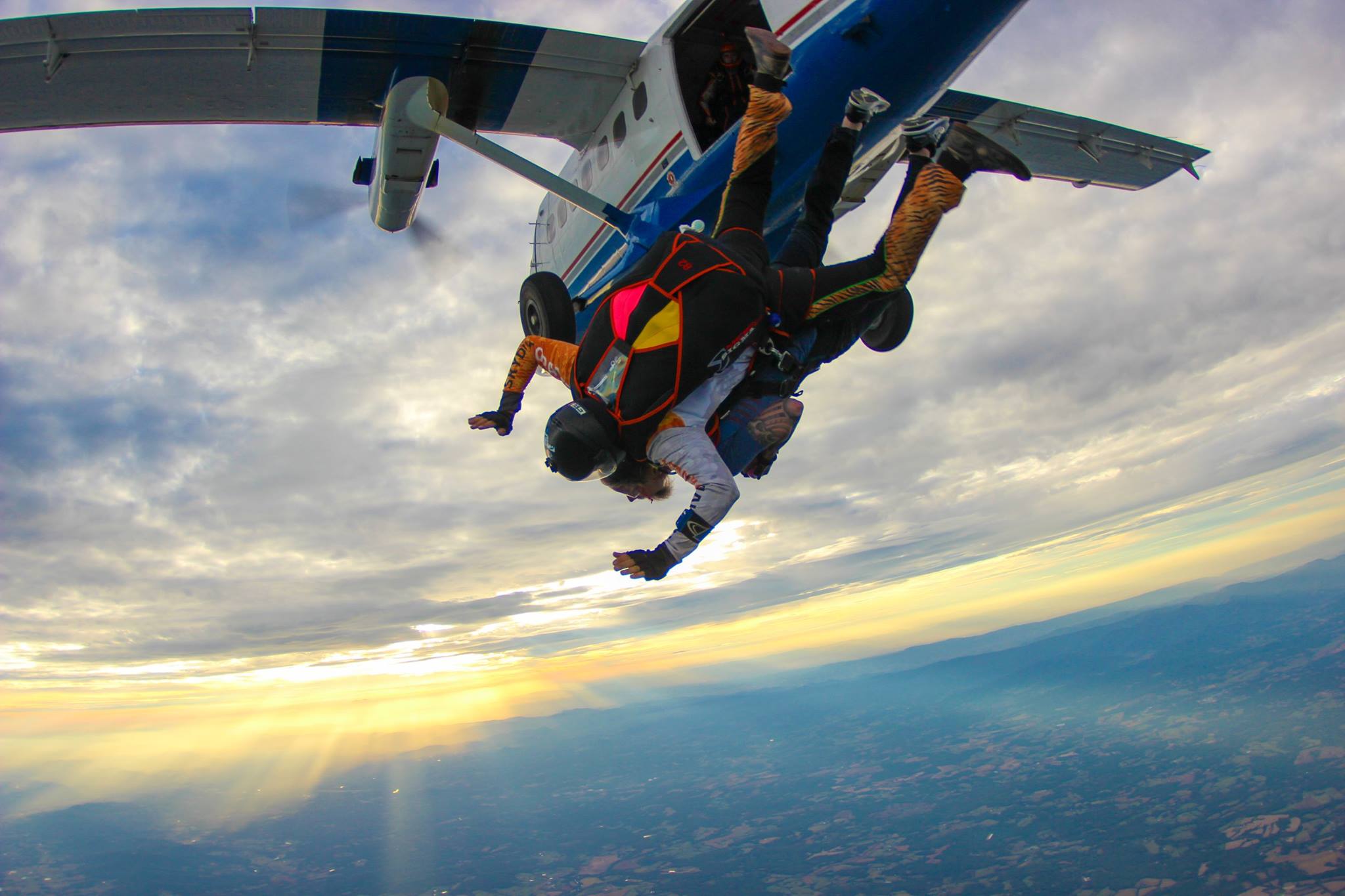
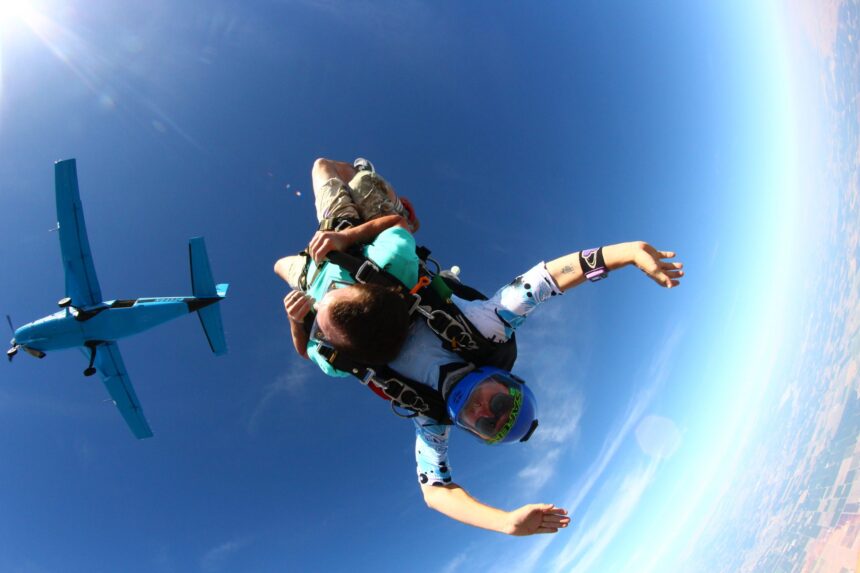
Yes. Tandem skydiving is widely considered the safest way to experience skydiving.
During a tandem jump:
- A certified instructor controls the jump.
- The instructor deploys the parachute.
- The instructor manages the landing.
Because of this controlled setup, the accident rate for tandem skydives is extremely low.
Beginners should also understand important preparation guidelines before jumping. For example, factors like weight limits and safety checks play a role in the experience:
skydiving weight limit
How Skydiving Equipment Reduces Accidents
Modern skydiving gear is designed with multiple safety layers.
Key equipment features include:
Dual Parachute Systems
Every skydiver carries two parachutes:
- Main parachute
- Reserve parachute
If the main parachute fails, the reserve can be deployed.
Automatic Activation Device (AAD)
AAD technology automatically deploys the reserve parachute if the skydiver does not deploy one at a safe altitude.
Altimeters
Altimeters allow skydivers to monitor altitude during freefall and ensure timely parachute deployment.
These technologies have played a major role in reducing accident rates.
Skydiving Accidents Compared to Other Adventure Sports
When compared with other adventure activities, skydiving often appears safer than expected.
| Activity | Approximate Risk Level |
|---|---|
| Skydiving | Very low per jump |
| Bungee jumping | Similar risk level |
| Rock climbing | Higher injury rate |
| Motorcycling | Significantly higher accident rate |
Despite its reputation, skydiving benefits from strict training standards and highly regulated procedures.
What Happens During a Skydive?
Understanding the jump process also helps explain the safety of the sport.
A typical skydive follows these steps:
- Aircraft climbs to jump altitude
- Skydivers exit the plane
- Freefall lasts around 30–60 seconds
- Parachute deployment
- Controlled descent and landing
If you want to understand how long the entire experience lasts, this detailed guide explains the timeline from takeoff to landing:
how long does a skydiving experience last
Safety Regulations in the Skydiving Industry
Skydiving is heavily regulated in many countries.
Organizations such as the United States Parachute Association (USPA) establish safety standards, instructor certifications, and equipment requirements for licensed skydiving centers.
These regulations help maintain consistent safety procedures worldwide.
For official skydiving safety standards, you can refer to:
www.uspa.org
Conclusion
The latest skydiving accident statistics show that modern skydiving is significantly safer than many people believe. With millions of jumps taking place every year and strict safety protocols in place, serious accidents remain extremely rare.
Advancements in parachute technology, automatic safety devices, and professional training programs have dramatically improved safety across the industry.
For beginners interested in experiencing skydiving, understanding the statistics and safety procedures can help replace fear with excitement and confidence.