
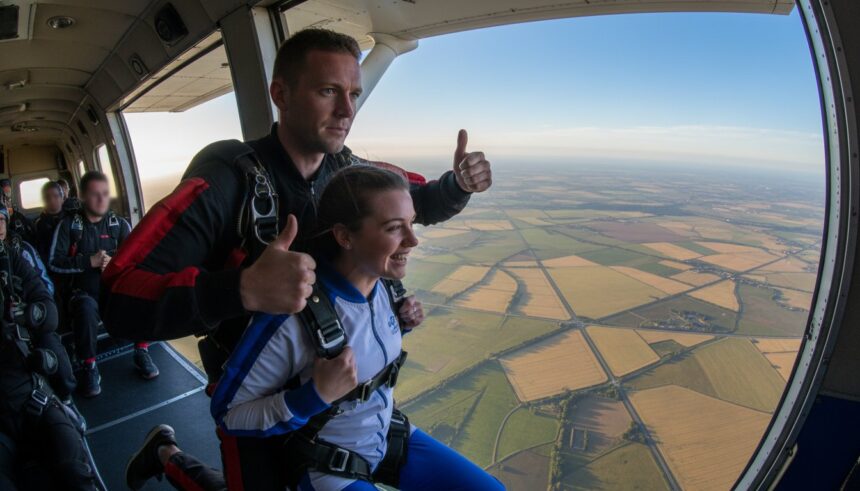
Skydiving is one of the most thrilling adventure sports in the world, but many people want to understand the real safety risks before making their first jump. Looking at the skydiving death rate by country helps provide a clearer picture of how safe the sport actually is across different regions.
- Global Skydiving Fatality Rate (Quick Overview)
- Skydiving Death Rate by Country (Estimated Data)
- Why Skydiving Death Rates Differ by Country
- Tandem Skydiving vs Solo Skydiving Risk
- Technology That Reduces Skydiving Fatalities
- Which Countries Are the Safest for Skydiving?
- The Future of Skydiving Safety
- Conclusion
While millions of skydives happen globally each year, fatal accidents remain extremely rare thanks to modern equipment, strict training standards, and improved safety regulations.
In this guide, we will explore the latest skydiving death rates around the world, compare safety statistics between countries, and explain why modern skydiving has become safer than ever.
Global Skydiving Fatality Rate (Quick Overview)
Across the world, skydiving maintains a strong safety record.
Here are some key statistics:
| Statistic | Estimated Data |
|---|---|
| Annual skydives worldwide | 6–7 million |
| Average fatality rate | ~1 per 200,000 jumps |
| Tandem skydiving fatality rate | Extremely rare |
| Most common jump altitude | 10,000–14,000 feet |
These statistics show that the chance of a fatal accident is extremely low compared with the number of jumps performed globally.
If you’re curious about the overall safety of the sport, this guide explains the risks and safety measures in more detail:
is skydiving safe for beginners
Skydiving Death Rate by Country (Estimated Data)
Different countries have slightly different safety records depending on regulations, training standards, and the number of skydives performed each year.
| Country | Annual Skydives | Fatalities (Estimated) |
|---|---|---|
| United States | 3,000,000+ | 10–15 |
| Australia | 500,000+ | 2–3 |
| New Zealand | 400,000+ | 1–2 |
| United Kingdom | 150,000+ | 0–1 |
| United Arab Emirates | 200,000+ | Very rare |
The United States performs the largest number of skydives each year, which explains why it reports the highest number of incidents in absolute numbers. However, when considering the number of jumps performed, the fatality rate remains extremely low.
Why Skydiving Death Rates Differ by Country
Several factors influence fatality rates in different regions.
1. Safety Regulations
Countries with strong aviation regulations and strict skydiving certifications often maintain lower accident rates.
For example, the United States follows safety standards set by the United States Parachute Association (USPA).
More information about official skydiving safety guidelines can be found here:
www.uspa.org
2. Training Requirements
Some countries require more extensive training programs before allowing solo skydives. Higher training standards can significantly reduce accident risks.
3. Weather Conditions
Weather plays a major role in skydiving safety.
Countries with stable weather conditions and predictable wind patterns generally provide safer jumping environments.
Tandem Skydiving vs Solo Skydiving Risk
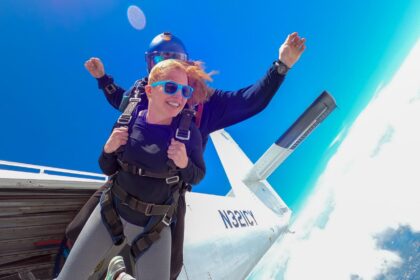
Most first-time skydivers participate in tandem jumps, which are significantly safer than solo jumps.
During a tandem jump:
- A professional instructor controls the skydive
- The instructor deploys the parachute
- The instructor manages the landing
Because of this structure, the risk for beginners is extremely low.
Before attempting a jump, it’s also important to understand factors like weight limits and safety requirements. This guide explains the details:
skydiving weight limit
Technology That Reduces Skydiving Fatalities
Modern skydiving equipment includes multiple safety systems designed to prevent accidents.
Dual Parachute Systems
Every skydiver carries two parachutes:
- Main parachute
- Reserve parachute
This redundancy ensures that even if one parachute fails, the second can be deployed.
Automatic Activation Devices (AAD)
AAD systems automatically deploy the reserve parachute if the skydiver does not deploy it at a safe altitude.
These devices have saved thousands of lives over the past decades.
Digital Altimeters
Modern skydivers rely on digital altimeters to monitor altitude and ensure parachute deployment happens at the correct time.
Which Countries Are the Safest for Skydiving?
Some countries are widely considered top destinations for safe skydiving experiences.
Popular locations include:
- United States
- New Zealand
- Australia
- United Arab Emirates
- Switzerland
These countries combine strong regulations, experienced instructors, and world-class drop zones.
If you want to understand the full skydiving experience from takeoff to landing, this guide explains the typical jump timeline:
how long does a skydiving experience last
The Future of Skydiving Safety
Skydiving safety continues to improve as new technologies emerge.
Some of the innovations shaping the future include:
- AI-assisted weather forecasting
- Advanced parachute materials
- Improved instructor simulation training
- Smart altitude tracking devices
These innovations will likely reduce fatality rates even further over the next decade.
Conclusion
Looking at the skydiving death rate by country shows that modern skydiving is far safer than many people assume. With millions of jumps taking place each year and strict safety regulations in place, fatal accidents remain extremely rare.
Thanks to advanced parachute technology, professional instructor training, and improved safety systems, skydiving continues to grow as one of the most exciting yet well-regulated adventure sports worldwide.
For anyone considering their first jump, understanding the statistics and safety procedures can make the experience far less intimidating and much more enjoyable.