
If you have ever thought about jumping out of a plane thousands of feet above the ground, you probably wondered about safety. Many people ask questions like how dangerous is skydiving really, and how many people die from this extreme sport each year. Understanding skydiving deaths per year worldwide in 2026 can help you make smart choices about whether this adventure is right for you.
- What Are the Current Skydiving Death Statistics for 2026
- How Many People Have Died From Skydiving in 2026
- Understanding Tandem Skydiving Death Rates
- Skydiving Death Rate Compared to Everyday Activities
- How Many People Skydive Each Year Worldwide
- Main Causes of Skydiving Deaths
- What Reddit Discussions Reveal About Skydiving Safety
- Making an Informed Decision About Skydiving
- Frequently Asked Questions About Skydiving Deaths
Skydiving might look scary when you watch videos online, but the numbers tell a different story than what most people think. This article will break down everything you need to know about skydiving safety, death rates, and how this thrilling activity compares to everyday risks we take without thinking twice.
What Are the Current Skydiving Death Statistics for 2026
When we talk about skydiving deaths per year worldwide in 2026, we need to look at real data from trusted organizations. The United States Parachute Association tracks every single skydiving jump and incident that happens at member drop zones across America. Based on patterns from recent years, the death rate in skydiving remains remarkably low compared to what many people imagine.
In the United States alone, millions of jumps happen every single year. Despite this huge number of people taking to the skies, fatal accidents remain extremely rare. The data shows that modern skydiving equipment, better training methods, and strict safety rules have made this sport safer than ever before. When you look at the actual numbers, you will find that skydiving death rates have been dropping steadily over the past several decades.
The worldwide picture shows similar trends. Countries with established skydiving communities and proper safety standards see very few fatal incidents compared to the total number of jumps completed. While exact global numbers can be hard to track because different countries report data differently, the overall message stays the same. Skydiving has become much safer as technology and training have improved.
How Many People Have Died From Skydiving in 2026
Looking specifically at how many people have died from skydiving in 2026, we need to understand that complete year-end data takes time to compile. However, based on historical patterns and current tracking, the numbers remain consistent with recent years showing continued improvement in safety standards.
Most skydiving deaths happen because of human error rather than equipment failure. When accidents do occur, investigators examine every detail to understand what went wrong. These investigations help the entire skydiving community learn and prevent similar incidents in the future. The lessons learned from each accident make the sport safer for everyone who comes after.
It is important to remember that behind every statistic is a real person and a real family. The skydiving community takes safety very seriously because every life matters. Drop zones across the world work hard every single day to make sure jumpers return safely to the ground. For more detailed information about annual statistics, you can check out our comprehensive guide on skydiving deaths per year worldwide.
Understanding Tandem Skydiving Death Rates
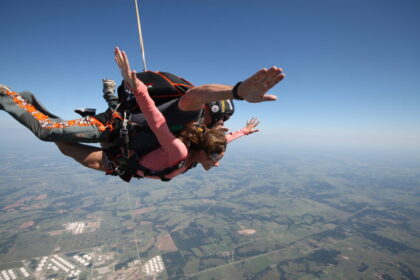
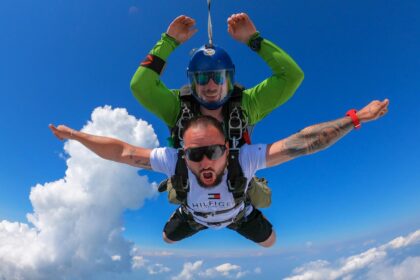
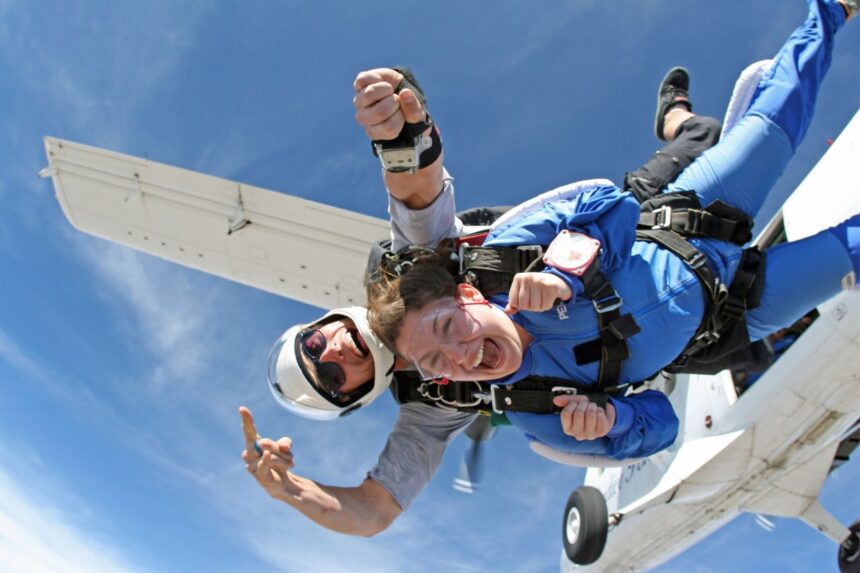
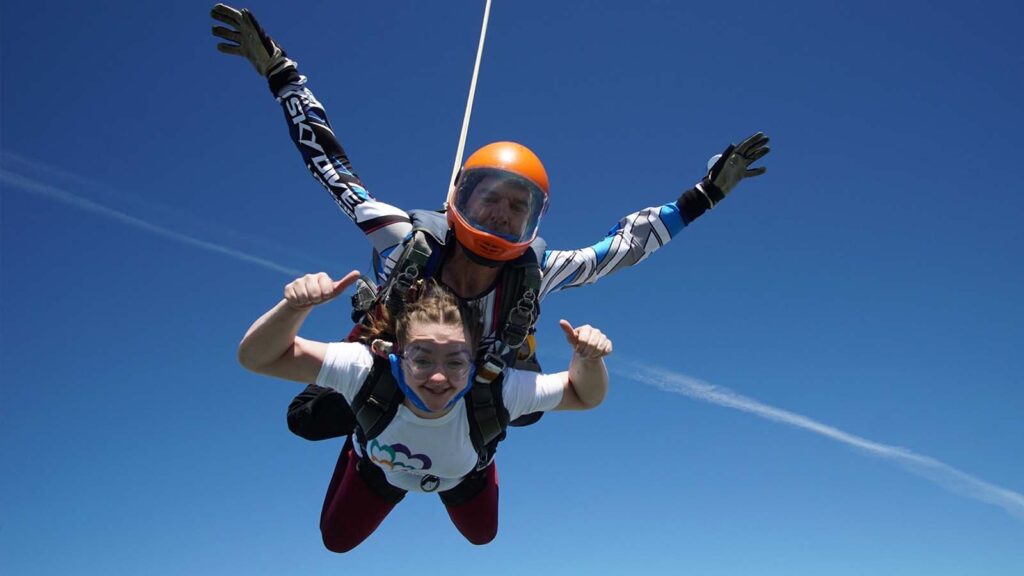
Tandem skydiving deaths per year represent an even smaller number than overall skydiving fatalities. When you do a tandem jump, you are attached to an experienced instructor who has completed hundreds or even thousands of jumps. This setup makes tandem skydiving one of the safest ways to experience freefall.
The safety record for tandem jumps is impressive. Instructors go through extensive training before they can take passengers. They must prove they can handle emergency situations and make quick decisions under pressure. The equipment used for tandem jumps also has multiple backup systems to keep both the instructor and student safe.
Most first-time skydivers choose tandem jumps because they offer the thrill of skydiving without needing weeks of training. The statistics back up this choice as a smart one. Tandem skydiving continues to be the safest entry point for people who want to try this amazing sport. The combination of experienced instructors, reliable equipment, and careful procedures creates a safety net that catches problems before they become serious.
Skydiving Death Rate Compared to Everyday Activities
When you compare the chances of dying while skydiving versus in a car accident, the results might surprise you. Many people drive every single day without thinking about the risks, yet car accidents cause far more deaths than skydiving ever has. The death rate per mile traveled in a car is actually higher than the death rate per skydive.
This comparison helps put things in perspective. We accept certain risks as part of daily life because they feel normal and familiar. Skydiving feels dangerous because it is unusual and dramatic. However, the actual numbers show that many activities we do without worry carry similar or even greater risks than a properly executed skydive.
Of course, this does not mean skydiving has zero risk. Any time you jump from a plane, you are doing something that requires respect and careful attention to safety rules. The key difference is that skydivers prepare extensively for their jumps, check their equipment multiple times, and follow strict procedures. This level of care and preparation is something we often skip in daily activities that are statistically more dangerous.
How Many People Skydive Each Year Worldwide
Understanding how many people skydive each year helps us appreciate just how safe the sport has become. In the United States alone, millions of jumps happen annually. When you expand that number to include Europe, Australia, New Zealand, and other countries with active skydiving communities, the global total becomes truly impressive.
The skydiving industry has grown steadily as more people discover the incredible experience of human flight. Social media has played a big role in this growth, with stunning videos and photos inspiring others to take the leap. This increase in participation has not led to a proportional increase in accidents. Instead, safety has continued to improve even as more people take to the skies.
Drop zones around the world serve everyone from first-time tandem jumpers to experienced skydivers with thousands of jumps under their belts. The diversity of people who skydive shows that this sport welcomes everyone willing to learn and follow safety procedures. Whether you are eighteen or eighty, skydiving can offer an unforgettable experience when done properly.
Main Causes of Skydiving Deaths
Looking at the cause of skydiving deaths helps us understand what goes wrong and how to prevent future accidents. Human error accounts for the vast majority of fatal incidents in skydiving. This includes things like waiting too long to deploy the parachute, making poor decisions about when to jump based on weather conditions, or attempting maneuvers beyond a person’s skill level.
Equipment malfunction causes very few skydiving deaths compared to human error. Modern parachute systems have multiple redundancies and backup plans built into them. Reserve parachutes are packed by certified riggers and inspected regularly. Automatic activation devices can deploy a reserve parachute if a jumper becomes unconscious or fails to pull at the proper altitude. These technological advances have made equipment failure increasingly rare.
Medical emergencies during freefall or under canopy represent another small category of incidents. Sometimes a person has an unknown health condition that causes problems during the stress of a jump. This is why drop zones ask about medical history and some conditions may prevent someone from jumping safely. Being honest about your health helps keep everyone safe.
What Reddit Discussions Reveal About Skydiving Safety
Online communities like Reddit often host discussions about skydiving deaths and safety concerns. These conversations show what real people worry about when they consider skydiving. Reading through these threads reveals common fears and misconceptions alongside genuine questions from curious people.
The most helpful Reddit discussions come from experienced skydivers who share their knowledge and help newcomers understand the sport better. They explain how training works, what safety measures exist, and why modern skydiving is so much safer than it was decades ago. These experienced voices provide valuable perspective that goes beyond simple statistics.
However, it is important to remember that Reddit discussions represent personal opinions and experiences rather than official safety data. While these conversations can be interesting and informative, anyone seriously considering skydiving should talk directly with certified instructors and visit actual drop zones to get accurate information about safety procedures and requirements.
Making an Informed Decision About Skydiving
After learning about skydiving deaths per year worldwide in 2026, you might wonder if this adventure is right for you. The decision to skydive is personal and should be based on accurate information rather than fear or pressure from others. Understanding the real risks helps you make a choice that fits your comfort level and desire for adventure.
If you decide to try skydiving, choosing a reputable drop zone makes all the difference. Look for facilities that are members of national skydiving organizations, employ experienced instructors, and maintain their equipment properly. Do not be afraid to ask questions about safety procedures, instructor qualifications, and what happens in different emergency scenarios.
Many people who take the leap describe skydiving as a life-changing experience that helps them see what they are capable of achieving. The combination of fear, excitement, and ultimate success creates powerful memories that last forever. While respecting the risks involved, thousands of people safely enjoy skydiving every single day around the world.
Ready to take your skydiving knowledge further? Visit Skydive Guides for comprehensive resources about every aspect of this incredible sport, from your first tandem jump to advanced skydiving techniques.
Frequently Asked Questions About Skydiving Deaths
How safe is skydiving compared to other extreme sports?
Skydiving has become one of the safer extreme sports when proper procedures are followed. The death rate per jump is lower than many people expect, especially for tandem jumps with certified instructors. Modern equipment and extensive training have made skydiving safer than many other adventure activities that people try without hesitation.
What should I look for in a safe skydiving facility?
A safe skydiving facility should be a member of recognized national organizations like the United States Parachute Association. Look for instructors with high jump numbers and proper certifications. The facility should maintain equipment according to manufacturer guidelines and have clear safety briefings before every jump. Good drop zones will happily answer all your safety questions.
Can weather conditions affect skydiving safety?
Yes, weather plays a crucial role in skydiving safety. Professional drop zones carefully monitor wind speed, cloud cover, and other weather factors before allowing jumps. Experienced skydivers know when conditions are safe and when it is better to wait for another day. Never pressure instructors to jump in questionable weather, and trust their judgment about conditions.
What age do you need to be to skydive safely?
Most countries require skydivers to be at least eighteen years old. There is no upper age limit as long as you are in reasonable health. Some drop zones require medical clearance for jumpers over certain ages or with specific health conditions. Age alone does not determine if skydiving is safe for you, your overall health and fitness matter more.
How can I prepare mentally for my first skydive?
Mental preparation for skydiving starts with education. Understanding how the equipment works, what will happen during your jump, and what safety measures exist can reduce anxiety. Talk with your instructor about any fears or concerns you have. Remember that feeling nervous is completely normal, and thousands of people successfully complete their first jump every day despite being scared.