
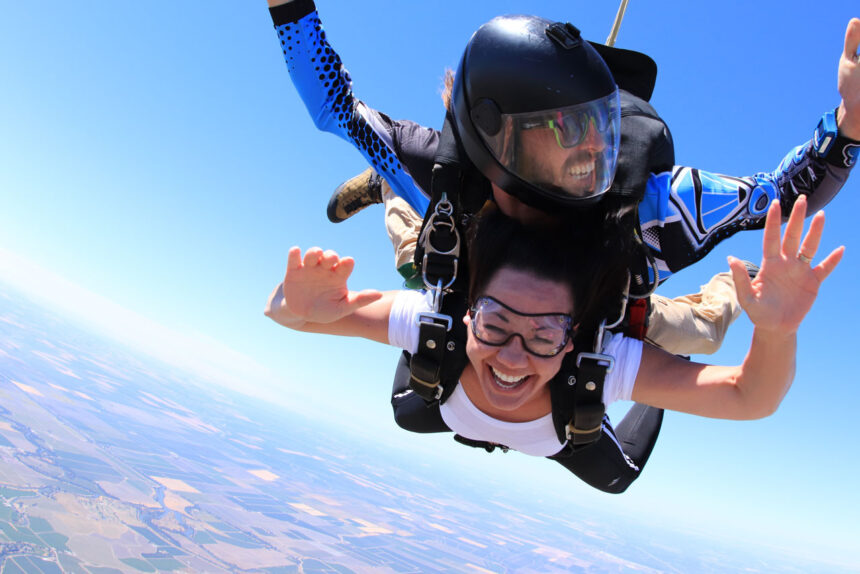
Skydiving is one of the most exciting adventure experiences in the world. Yet for many people, the idea of jumping out of an airplane triggers intense fear and anxiety. Understanding the skydiving fear psychology behind this reaction can help explain why the fear exists and how people successfully overcome it.
- Why Do People Fear Skydiving?
- The Science Behind Skydiving Fear
- Why the Fear Disappears After the Jump
- Common Psychological Fears About Skydiving
- How to Overcome Skydiving Fear
- Learn About the Safety Systems
- Choose Tandem Skydiving
- Focus on the Excitement
- Watch Skydiving Videos
- Why Skydiving Can Improve Confidence
- Conclusion
- FAQs About Skydiving Fear
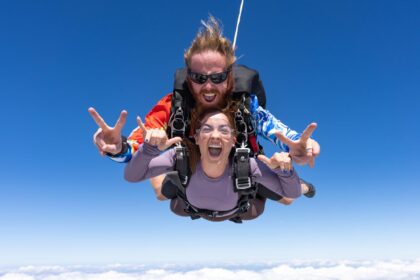
Interestingly, many first-time skydivers report that the anticipation before the jump is often scarier than the actual experience. Once they leave the aircraft, the fear usually turns into excitement.
In this guide, we will explore the psychology behind skydiving fear, what happens in the brain during extreme experiences, and practical ways to overcome skydiving anxiety.
Why Do People Fear Skydiving?
Fear of skydiving is primarily linked to the brain’s natural survival instincts.
Humans are biologically programmed to avoid situations that appear dangerous, especially activities involving heights or falling.
Psychologists often refer to this as a “perceived risk response.”
Even though skydiving is statistically very safe, the brain interprets the act of jumping from an airplane as a threat.
According to research published by the American Psychological Association, the human brain reacts strongly to situations involving heights because they trigger survival instincts.
The Science Behind Skydiving Fear
When someone prepares to jump from an aircraft, the body activates the fight-or-flight response.
This response triggers several physical reactions:
- Increased heart rate
- Adrenaline release
- Faster breathing
- Heightened alertness
These reactions are completely normal and are designed to prepare the body for potentially dangerous situations.
However, in the context of skydiving, these reactions simply reflect anticipation rather than actual danger.
Why the Fear Disappears After the Jump
Many skydivers report that their fear disappears almost instantly after leaving the aircraft.
This happens because the brain shifts from anticipation anxiety to experience mode.
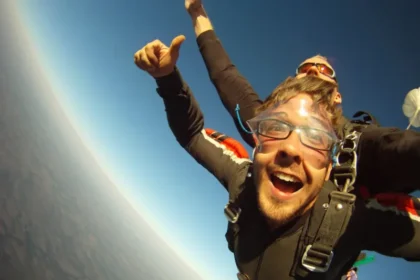
During freefall, the body releases adrenaline and endorphins, which can create feelings of excitement and euphoria.
This is why many people describe skydiving as an addictive experience.
Understanding the actual safety of the sport can also help reduce fear. This guide explains why modern skydiving is considered safe for beginners:
is skydiving safe for beginners
Common Psychological Fears About Skydiving
Several specific fears often contribute to skydiving anxiety.
Fear of Falling
Humans naturally fear falling from great heights. The brain associates this with danger even when safety systems are in place.
Fear of Equipment Failure
Some people worry that the parachute might fail.
However, modern skydiving equipment includes multiple backup systems, which significantly reduce risk.
Fear of Losing Control
Beginners may feel uncomfortable because they are entering an unfamiliar environment.
Fortunately, tandem skydiving allows an experienced instructor to control the entire jump.
Fear of the Unknown
For many people, the fear is simply related to not knowing what the experience will feel like.
Learning about the skydiving process can help reduce this uncertainty.
For example, this guide explains the complete skydiving experience timeline from aircraft takeoff to landing:
how long does a skydiving experience last
How to Overcome Skydiving Fear
Many people successfully overcome skydiving anxiety with the right preparation.
Here are some proven strategies.
Learn About the Safety Systems
Understanding how parachutes, backup systems, and instructor procedures work can help reduce fear.
Modern skydiving equipment is designed with multiple safety layers.
Weight limits and safety checks also help ensure a safe experience.
skydiving weight limit
Choose Tandem Skydiving
Tandem skydiving is designed specifically for beginners.
A trained instructor handles the jump, parachute deployment, and landing.
This allows first-time skydivers to simply enjoy the experience.
Focus on the Excitement
Instead of focusing on fear, many skydivers focus on the excitement and sense of achievement after completing a jump.
The adrenaline rush during freefall often turns fear into excitement.
Watch Skydiving Videos
Watching skydiving videos can help people visualize the experience and become more comfortable with the idea of jumping.
Seeing others enjoy the experience can reduce anxiety.
Why Skydiving Can Improve Confidence
Many people say skydiving becomes a life-changing experience.
Overcoming a major fear can significantly boost personal confidence.
Psychologists often refer to this as “fear exposure therapy.”
Facing a fear in a controlled and safe environment can help individuals develop stronger confidence and resilience.
Conclusion
Understanding skydiving fear psychology helps explain why the idea of jumping from an airplane can feel intimidating. The fear is largely driven by the brain’s natural survival instincts rather than actual danger.
Once people learn about the safety systems, training procedures, and instructor guidance involved in skydiving, the fear often becomes manageable.
For many first-time skydivers, the experience transforms anxiety into excitement and becomes one of the most memorable adventures of their lives.
If you’re interested in the broader industry numbers, this guide explains skydiving statistics worldwide in detail
Understanding the safety of the sport can significantly reduce anxiety for first-time jumpers. Our guide explaining is skydiving safe for beginners explores the safety systems used in modern skydiving.
It can also help to know what actually happens during the jump. Our detailed skydiving experience timeline walks through every stage of a skydive, from boarding the aircraft to landing.
You can also review the latest skydiving statistics worldwide to see how safe the sport is compared with other adventure activities.
FAQs About Skydiving Fear
Is it normal to feel scared before skydiving?
Yes. Most first-time skydivers feel nervous before their jump. This is a normal psychological response.
Does fear disappear during the jump?
For many people, the fear disappears quickly once they leave the aircraft and experience freefall.
Is skydiving safe despite the fear?
Yes. Modern skydiving has very strict safety procedures and advanced equipment that make the sport much safer than many people think.
What is the biggest fear people have about skydiving?
The most common fears include falling, parachute failure, and losing control during the jump.
Can skydiving help overcome fear?
Yes. Many people find that completing a skydive helps them overcome personal fears and build confidence.