
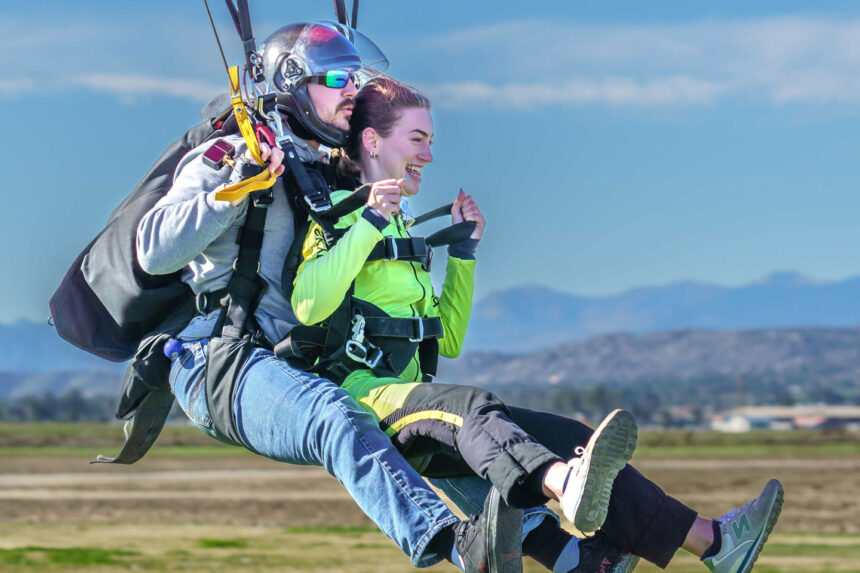
If you are new to skydiving, one of the most common questions you will have is about equipment. What gear do you actually need for skydiving, and what is provided by the drop zone?
- Do Beginners Need to Buy Skydiving Gear?
- Essential Skydiving Gear Explained
- Skydiving Gear Provided by the Drop Zone
- Skydiving Gear You Might Need Later
- When Should You Buy Your Own Skydiving Gear?
- How Much Does Skydiving Gear Cost?
- New vs Used Skydiving Gear
- Skydiving Gear Safety Standards
- Common Beginner Gear Mistakes
- Skydiving Gear and Comfort Tips
- Comparing Skydiving Gear to Other Adventure Sports
- Fitness and Body Preparation for Gear Use
- Frequently Asked Questions About Skydiving Gear for Beginners
- Final Thoughts
This guide explains skydiving gear for beginners in simple language. You will learn what equipment is used, how it works, what beginners need, and when it makes sense to buy your own gear.
Do Beginners Need to Buy Skydiving Gear?
The short answer is no.
If you are doing your first skydive, especially a tandem jump, all equipment is provided by the drop zone. You do not need to buy anything expensive before your first jump.
Buying gear only makes sense if you plan to pursue solo skydiving or certification.
To understand the beginner process fully, read what to expect on your first skydive on SkydiveGuides.com.
Essential Skydiving Gear Explained
Parachute System (Main and Reserve)
Every skydiver uses a parachute system that includes:
- Main parachute
- Reserve parachute
- Container and harness system
The reserve parachute is packed by a certified rigger and is only used in rare situations.
Automatic Activation Device (AAD)
An AAD is a small electronic device that automatically deploys the reserve parachute if a skydiver is falling too fast at a low altitude.
This device has saved thousands of lives and is a standard safety requirement at most professional drop zones.
Harness System
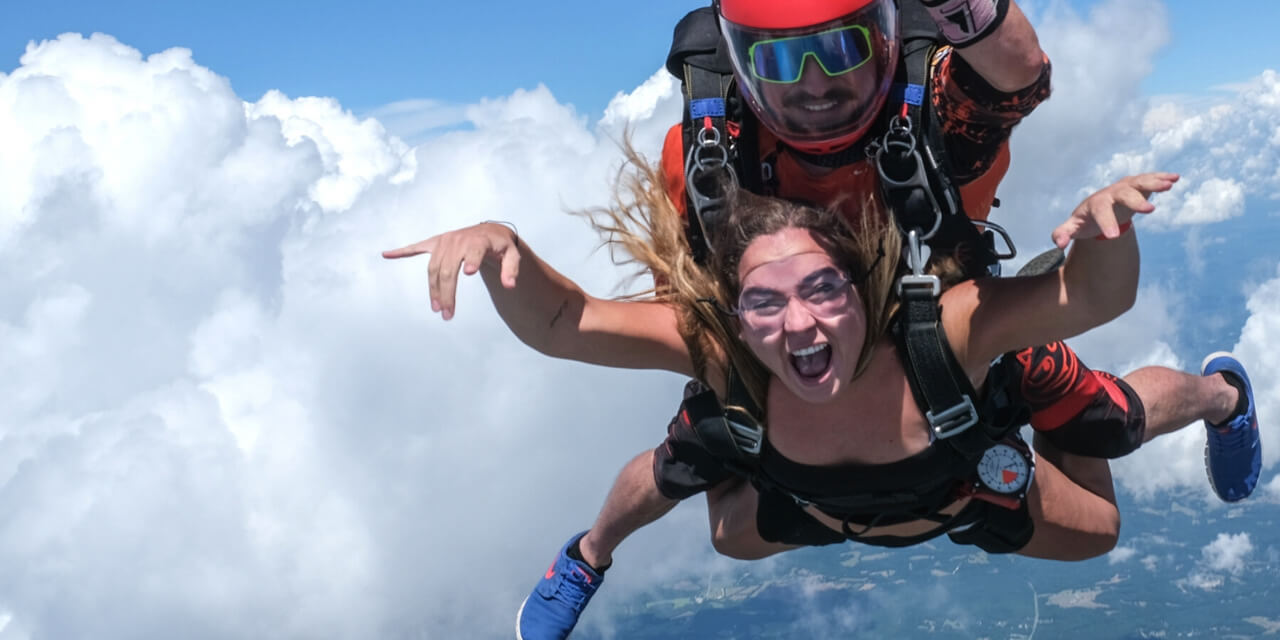
The harness secures the skydiver to the parachute container and, in tandem jumps, to the instructor.
Harness systems are:
- Extremely strong
- Regularly inspected
- Designed for comfort and safety
Skydiving Jumpsuit
Jumpsuits help control body position and stability during freefall.
Beginner jumpsuits are:
- Durable
- Designed for comfort
- Provided by the drop zone
You do not need to purchase one for your first jump.
Goggles and Helmet
For tandem jumps:
- Goggles are mandatory
- Helmets are optional for students
Goggles protect your eyes from wind pressure during freefall.
Skydiving Gear Provided by the Drop Zone
For beginners, drop zones provide:
- Parachute system
- Harness
- Jumpsuit
- Goggles
- Helmet (if required)
You only need to bring:
- Comfortable clothing
- Athletic shoes
- A positive mindset
Skydiving Gear You Might Need Later
If you plan to continue skydiving beyond a tandem jump, gear becomes more relevant.
Altimeter
An altimeter shows altitude during freefall and canopy flight.
It helps skydivers:
- Track deployment height
- Maintain awareness
- Improve safety
Altimeters can be wrist-mounted or helmet-mounted.
Helmet
Solo skydivers usually wear helmets for:
- Head protection
- Mounting cameras
- Communication equipment
Audible Altimeter
This device provides audible alerts at preset altitudes.
It is especially useful for beginners transitioning to solo jumps.
Gloves
Gloves protect hands from cold air, especially during high-altitude jumps.
When Should You Buy Your Own Skydiving Gear?
Buying gear is a big investment.
Most instructors recommend:
- Renting gear during training
- Buying only after certification
- Consulting experienced skydivers before purchasing
Buying too early often leads to expensive mistakes.
How Much Does Skydiving Gear Cost?
Skydiving gear prices vary widely.
Approximate costs:
- Parachute system: $4,000–$8,000
- Altimeter: $150–$400
- Helmet: $200–$600
- Audible altimeter: $100–$300
For cost planning, refer to our full guide on skydiving cost worldwide.
New vs Used Skydiving Gear
Many beginners consider used gear to save money.
Used gear can be safe if:
- Inspected by a certified rigger
- Within service life limits
- Properly maintained
Never buy used gear without expert advice.
Skydiving Gear Safety Standards
Professional drop zones follow strict safety rules:
- Equipment inspections
- Mandatory reserve repacking
- Service life tracking
Equipment failure is extremely rare due to these standards.
For deeper safety insights, read how safe skydiving really is on SkydiveGuides.com.
Common Beginner Gear Mistakes
Beginners often make these mistakes:
- Buying gear too early
- Choosing gear based on price only
- Ignoring instructor recommendations
- Skipping safety checks
Avoiding these mistakes saves money and improves safety.
Skydiving Gear and Comfort Tips
Comfort matters during a skydive.
Tips include:
- Wear snug but flexible clothing
- Avoid loose shoes
- Remove jewelry
- Follow instructor advice
Being relaxed improves stability and enjoyment.
Comparing Skydiving Gear to Other Adventure Sports
Skydiving gear is highly specialized.
Compared to scuba diving equipment, skydiving gear:
- Is used for shorter durations
- Has stricter maintenance schedules
- Requires less personal ownership for beginners
If you are curious about underwater gear and training, scoobadiveguide offers helpful beginner guides for scuba diving.
Fitness and Body Preparation for Gear Use
Skydiving does not require extreme strength, but basic fitness helps.
Maintaining flexibility and core strength improves comfort in harness systems. General fitness and wellness tips can be found at healthguiders.com.
Frequently Asked Questions About Skydiving Gear for Beginners
Do beginners need to buy skydiving gear?
No. All equipment is provided for first-time jumpers.
Is skydiving gear reused?
Yes. Gear is reused after inspection and maintenance.
Can gear fail during a jump?
Failure is extremely rare due to backup systems.
Is used gear safe?
Yes, if properly inspected and maintained.
What is the most important piece of gear?
The parachute system and AAD.
Final Thoughts
Skydiving gear is designed with safety as the top priority. Beginners do not need to worry about buying equipment before their first jump.
Focus on learning, enjoying the experience, and trusting professionals. Gear decisions can come later if you decide to continue skydiving.