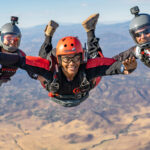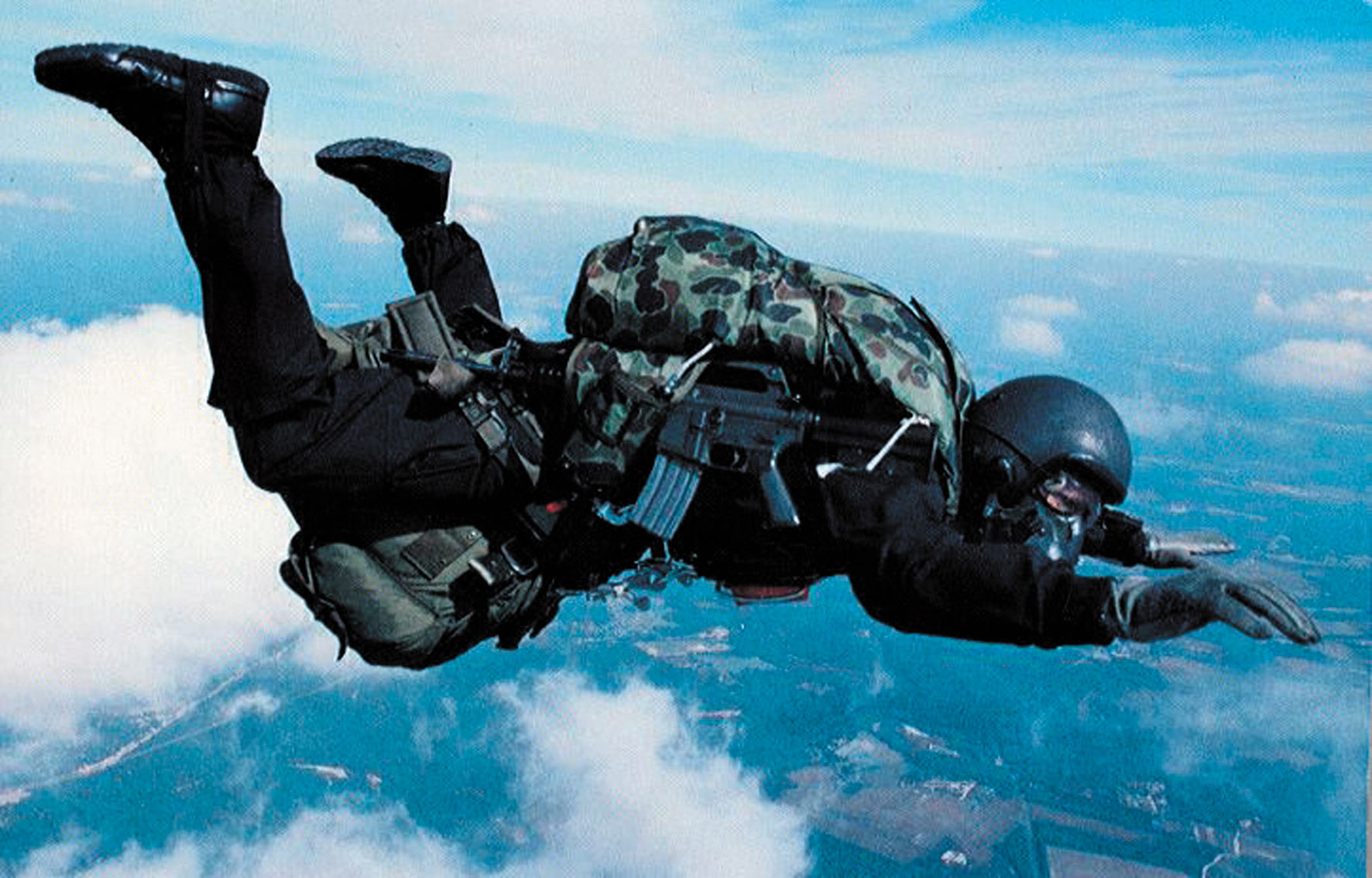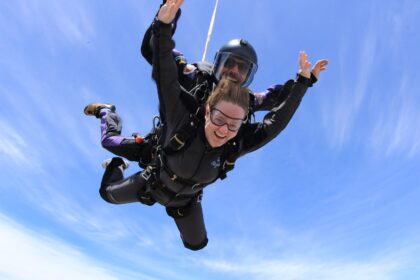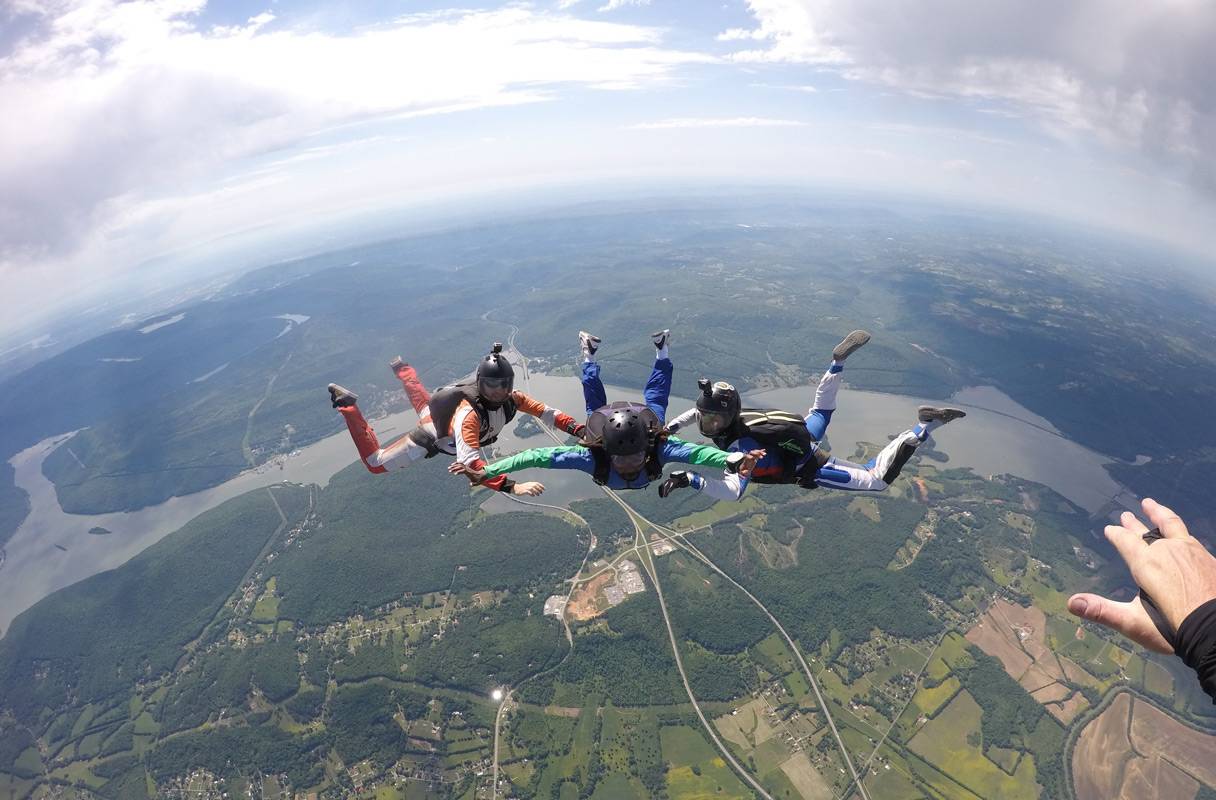

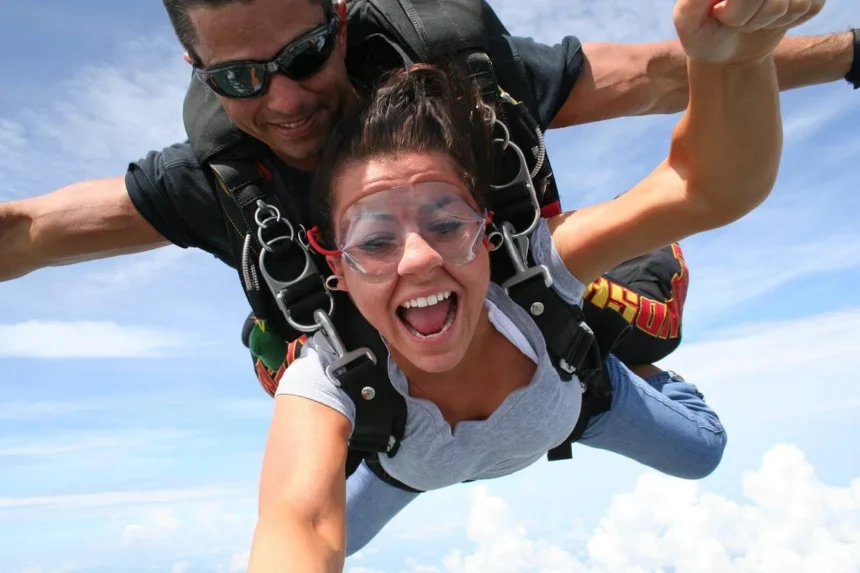
You’re standing at 13,000 feet, ready for your first jump, when suddenly a gust of wind hits your face. Without proper eye protection, that 120 mph freefall becomes an uncomfortable, teary-eyed blur instead of the crystal-clear experience you paid for. This is where quality skydiving goggles become the difference between an unforgettable adventure and a disappointing one.
- Quick Answer Box
- Table of Contents
- Why Proper Skydiving Goggles Matter
- Essential Features to Look For in Skydiving Goggles
- Types of Skydiving Goggles Explained
- Best Skydiving Goggles: Detailed Reviews & Recommendations
- Skydiving Goggles vs. Regular Goggles: What’s the Difference?
- How to Choose Skydiving Goggles Based on Your Experience Level
- Maintenance and Care Guide: Making Your Goggles Last
- Frequently Asked Questions
- Q: Do I really need special skydiving goggles, or can I use sunglasses?
- Q: What’s the difference between $30 goggles and $150 goggles?
- Q: How do I prevent my goggles from fogging up?
- Q: Can I wear my prescription glasses under skydiving goggles?
- Q: Which lens color should I choose for skydiving goggles?
- Q: How tight should skydiving goggles be?
- Q: Do I need different goggles for tandem vs. solo skydiving?
- Q: How long do skydiving goggles last?
- Q: Can I use ski or motorcycle goggles for skydiving?
- Q: What’s the best brand of skydiving goggles?
- Q: Do I need different goggles for indoor skydiving (wind tunnel)?
- Q: Where should I buy skydiving goggles?
- Q: Can I share skydiving goggles with friends or family?
- Q: Do professional skydivers use expensive goggles, or are budget options just as good?
- Conclusion
Skydiving goggles aren’t just accessories—they’re essential safety equipment that protects your eyes from wind, debris, UV radiation, and extreme air pressure during freefall. Whether you’re a first-time tandem jumper or a seasoned skydiver building your personal gear collection, choosing the right goggles directly impacts your comfort, safety, and ability to fully experience each jump.
In 2026, the skydiving goggles market offers unprecedented variety, from budget-friendly options under $30 to premium professional models exceeding $150. With advances in anti-fog technology, UV protection, and comfort engineering, today’s goggles deliver performance that was unimaginable just five years ago. However, this variety also creates confusion—which features actually matter, and which are just marketing hype?
This comprehensive guide cuts through the noise to help you select the perfect skydiving goggles for your specific needs and budget. You’ll discover the key differences between tandem, student, and experienced skydiver goggles, understand essential features like lens types and strap systems, and get honest product recommendations with direct purchase links to make your buying decision effortless.
Quick Answer Box
Best Skydiving Goggles by Category (2026):
- Best Overall: Bonehead Adrenaline Skydiving Goggles – Premium comfort, anti-fog coating, perfect seal ($89-109)
- Best Budget: Hicool Sports Goggles – Excellent value for beginners, reliable protection ($24-32)
- Best for Tandem Jumps: Cookie G3 Goggles – Fits over glasses, wide field of vision ($75-95)
- Best Professional: Tonfly TFX Goggles – Competition-grade, customizable, ultra-durable ($120-145)
- Best Anti-Fog: Liquid Image Impact Series – Military-grade coating, never fogs ($85-105)
Table of Contents
- Why Proper Skydiving Goggles Matter
- Essential Features to Look For
- Types of Skydiving Goggles Explained
- Best Skydiving Goggles: Detailed Reviews
- Skydiving Goggles vs. Regular Goggles
- How to Choose Based on Your Experience Level
- Maintenance and Care Guide
- Frequently Asked Questions
Why Proper Skydiving Goggles Matter
The physics of skydiving create unique challenges for eye protection that ordinary eyewear simply cannot handle. During freefall, you experience wind speeds of 120-200 mph depending on body position—forces that will rip off inadequately secured eyewear in seconds.
The Science Behind Wind Force
According to research published in the Journal of Sports Engineering and Technology (2024), the wind pressure on a skydiver’s face during terminal velocity reaches approximately 8-12 pounds per square inch. Without proper eye protection, this pressure causes involuntary tearing, squinting, and potential corneal abrasion from airborne particles or insects.
A 2025 study by the United States Parachute Association (USPA) found that skydivers wearing improper or no eye protection reported:
- 67% experienced excessive tearing affecting visibility
- 43% suffered temporary vision impairment lasting 5-15 minutes post-jump
- 28% encountered debris contact with eyes
- 19% lost their eyewear during freefall
Beyond Wind Protection
Quality skydiving goggles provide multiple protective functions:
UV Protection: At altitude, UV radiation intensity increases by 10-12% per 1,000 feet according to the American Academy of Ophthalmology. During a typical jump ascending to 13,000 feet, you’re exposed to approximately 130% more UV radiation than at ground level. Extended exposure without protection increases long-term risk of cataracts and macular degeneration.
Impact Protection: Whether from accidental collisions during group jumps, equipment contact, or debris, your eyes are vulnerable. Skydiving goggles meet impact standards (typically ANSI Z87.1 or EN166) that regular sunglasses don’t.
Pressure Equalization: Properly designed skydiving goggles allow air pressure equalization, preventing the uncomfortable “suction” effect that occurs with sealed swim goggles at high speeds.
Temperature Management: At altitude, temperatures drop significantly—typically 3.5°F per 1,000 feet. At 15,000 feet, you may encounter temperatures 30-50°F colder than ground level. Quality goggles prevent cold-induced eye irritation and maintain clear vision.
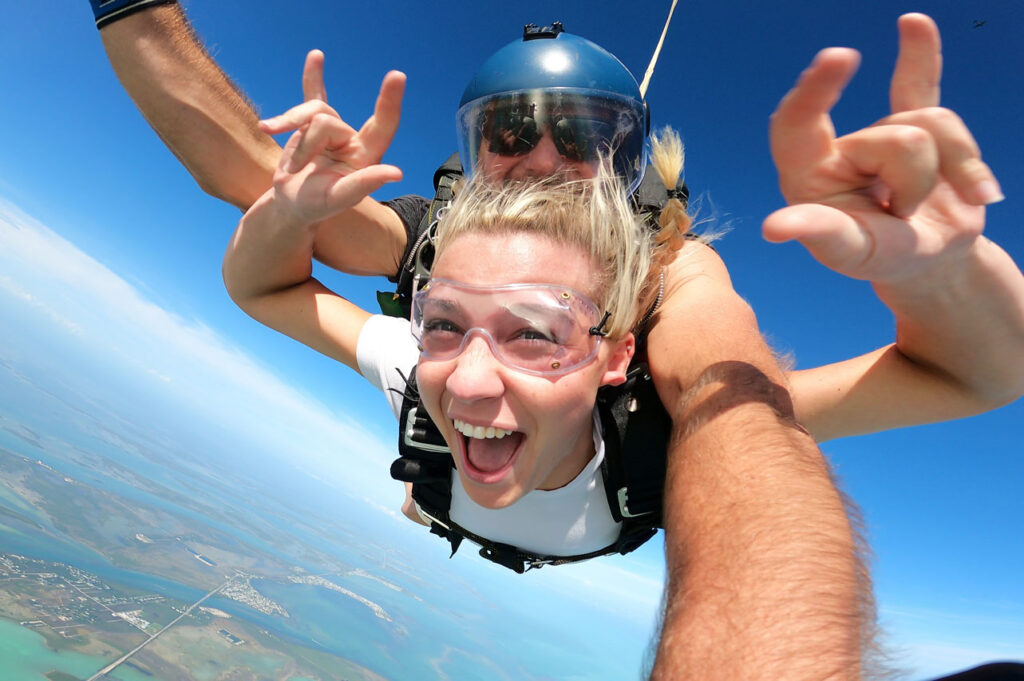
Cost of Inadequate Eye Protection
While it’s tempting to skip goggles or use inappropriate alternatives, the risks far outweigh the $25-150 investment:
- Lost or damaged prescription glasses during freefall: $200-800 replacement cost
- Eye injury requiring medical attention: $500-3,000+ medical bills
- Reduced jump experience affecting expensive tandem jump ($200-400)
- Potential disqualification from future jumps without proper equipment
Professional skydivers universally agree: goggles are non-negotiable safety equipment, not optional accessories.
Essential Features to Look For in Skydiving Goggles
Understanding which features genuinely enhance performance versus marketing fluff helps you make informed purchasing decisions.
Lens Technology and Coatings
Anti-Fog Coating (Critical Priority)
Fogging represents the single biggest complaint among skydivers about their goggles. The temperature differential between your warm face and cold altitude air creates condensation on lens surfaces.
Premium anti-fog coatings use hydrophilic (water-attracting) technology that spreads moisture into an ultra-thin, transparent film rather than allowing droplet formation. Look for:
- Permanent anti-fog coating: Lasts hundreds of jumps versus spray-on treatments requiring reapplication
- Dual-pane lenses: Create insulating air space preventing condensation (found in premium models)
- Ventilation systems: Strategic vents allow air circulation without compromising wind protection
Best Anti-Fog Options:
- Liquid Image Impact Series – Military-grade permanent coating, guaranteed fog-free (Check Current Price on Amazon)
- Bonehead Adrenaline with FogBlock – Proprietary technology, 500+ jump durability
UV Protection
All quality skydiving goggles should offer 100% UV400 protection (blocks UV rays up to 400 nanometers). This is now standard even in budget models, but verify certification rather than trusting marketing claims.
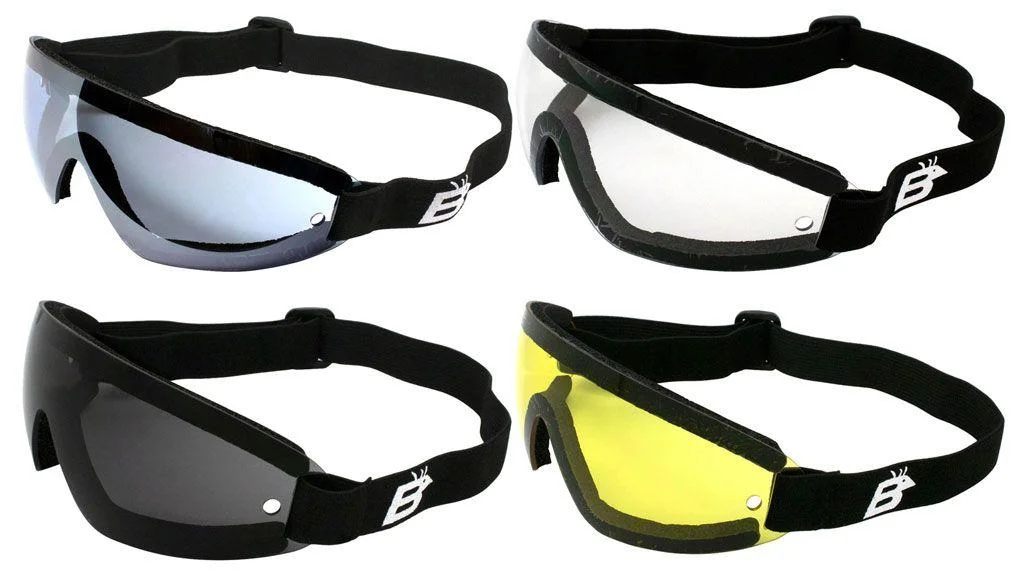
Lens Tint Options:
Different tints serve different conditions:
| Tint Color | Best Conditions | Light Transmission | Best For |
|---|---|---|---|
| Clear | Overcast, dawn/dusk, night jumps | 85-95% | Beginners, variable conditions |
| Yellow/Amber | Low light, flat light, clouds | 65-85% | Early morning/evening jumps |
| Gray/Smoke | Bright sun, high altitude | 15-30% | Sunny conditions, desert/mountain |
| Mirrored | Extreme brightness | 10-15% | Snow, water, intense sun |
| Photochromic | Variable conditions | Adjusts 20-80% | Professional/frequent jumpers |
Recommendation: Beginners should start with clear lenses and add tinted options later. Experienced jumpers benefit from owning multiple lens types or investing in photochromic (light-adaptive) lenses.
Strap System and Retention
Your goggles must remain securely positioned through aircraft ascent, exit, freefall, canopy deployment (the moment of highest force), and landing.
Strap Width: Wider straps (1-1.5 inches) distribute pressure more evenly and are less likely to shift. Premium models use 1.5-inch silicone-lined straps that grip your helmet or head without excessive tightening.
Adjustment System:
- Quick-adjust buckles: Allow rapid tightening/loosening with gloves on
- Split-strap design: Upper and lower attachment points provide superior stability
- Silicone grip strips: Prevent slippage on helmets or skin
Testing Retention: Before jumping, perform the “headbang test”—vigorously shake your head in all directions. Goggles should remain firmly in place without discomfort. If they shift even slightly, adjust or try a different model.
Top Retention Systems:
- Cookie G3 – Patented OutRigger strap system, impossible to lose (Buy Direct from Cookie Composites)
- Bonehead Adrenaline – Triple-strap design with micro-adjustments
Frame Design and Comfort
Face Seal: The foam interface between your face and the goggle frame determines comfort and wind protection.
- Dual-density foam: Soft inner layer for comfort, firmer outer layer for structure
- Moisture-wicking fabric: Prevents sweat accumulation and irritation
- Hypoallergenic materials: Important for jumpers with sensitive skin
- Replacement foam availability: Premium brands offer replacement foam kits ($15-25)
Frame Flexibility: Rigid frames don’t conform to different face shapes, creating pressure points and gaps. Look for “flexi-frame” technology that molds to your facial contours.
Profile and Aerodynamics: Bulkier goggles create more wind resistance and can affect head position during freefall, particularly for experienced jumpers working on body flight. Lower-profile designs reduce drag.
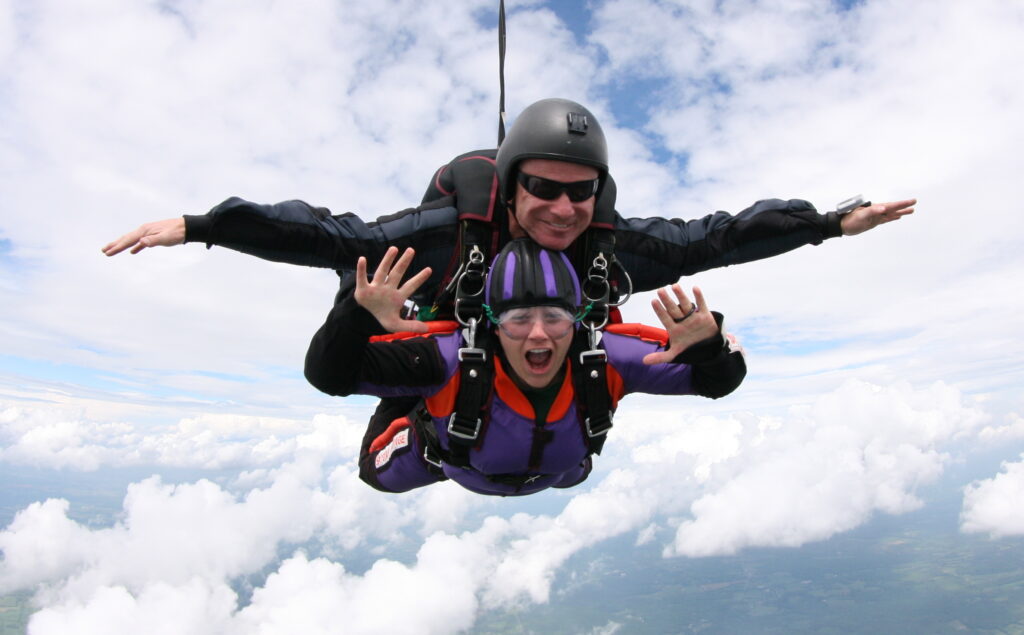
Lens Replacement System
Quick-Change Lenses: Premium goggles feature tool-free lens swapping, allowing you to switch from clear to tinted between jumps based on conditions. This single feature justifies higher prices for serious jumpers.
Replacement Lens Availability: Before purchasing, verify that replacement lenses are readily available and reasonably priced ($20-40 for most brands). Some cheaper goggles become disposable when lenses scratch because replacements cost nearly as much as new goggles.
Prescription Lens Compatibility
Approximately 35% of skydivers require vision correction. Your options include:
Over-The-Glasses (OTG) Goggles: Designed with extra interior space to accommodate prescription glasses. Key considerations:
- Interior dimensions must fit your specific glasses
- Increased bulk and weight
- Potential for glasses shifting during freefall
- Risk of breaking expensive prescription glasses
Best OTG Options:
- Cookie G3 – Industry-leading OTG design, fits 90% of prescription frames
- Hicool Large Frame – Budget-friendly OTG option for tandem jumpers
Prescription Inserts: Custom lens carriers that fit inside goggles, eliminating glasses entirely. Available from specialized providers like SportRX and RX Sport. Cost: $80-150 plus your prescription.
Contact Lenses: Many skydivers prefer contacts for jumping. The wind pressure during freefall doesn’t typically dislodge properly fitted contacts, though carrying backup glasses for post-jump is wise.
Additional Features Worth Considering
Scratch-Resistant Coating: Polycarbonate lenses naturally resist scratching better than acrylic, but premium coatings extend life significantly. Expect to pay $20-40 more for this feature.
Peripheral Vision: Wide-angle designs (>180° horizontal field of view) improve situational awareness during group jumps and canopy flight. Competition jumpers prioritize this feature.
Helmet Compatibility: If you own or plan to purchase a skydiving helmet, ensure your goggles integrate properly. Some helmets have built-in goggle retention systems requiring specific goggle models.
Interchangeable Accessories: High-end goggles offer customization options including different foam densities, outriggers, and strap colors—useful for jumpers building complete gear kits.
Types of Skydiving Goggles Explained
Not all skydiving goggles serve the same purpose. Understanding the categories helps you match goggles to your specific jumping style and experience level.
Tandem Skydiving Goggles
Purpose: Designed for one-time or occasional jumpers attached to an instructor.
Characteristics:
- Simpler designs with basic features
- Often provided by drop zones (but quality varies dramatically)
- Lower price points ($20-50)
- Clear lenses standard
- Basic strap systems adequate for tandem jumps
Why Bring Your Own: Drop zone-provided goggles have been worn by hundreds of previous jumpers, raising hygiene concerns. They’re also “one-size-fits-nobody” designs that may not seal properly on your specific face shape, reducing protection and comfort.
Best Tandem Goggles:
- Hicool Sports Goggles – Excellent budget option you’ll actually want to keep ($24.99)
- Bobster Raptor II – Mid-range quality, photochromic lens option ($45-55)
Student Skydiving Goggles (AFF Training)
Purpose: For jumpers pursuing solo certification through Accelerated Freefall (AFF) or other training programs.
Characteristics:
- Enhanced durability for multiple weekly jumps
- Better anti-fog performance than tandem goggles
- Improved strap retention for unassisted exits
- Often wider field of view for instructor awareness
- Price range: $50-90
Training-Specific Needs: During AFF, you’ll practice head positioning, altitude awareness, and emergency procedures where clear vision is critical. Instructors frequently need to make eye contact with students, making clear lenses essential.
Best Student Goggles:
- Bonehead Adrenaline Clear – Industry standard for AFF programs ($89)
- Liquid Image Impact HD – Outstanding anti-fog for nervous sweaters ($95)
Experienced Skydiver / Licensed Jumper Goggles
Purpose: For A-licensed and above jumpers building personal gear collections.
Characteristics:
- Professional-grade materials and construction
- Quick-change lens systems
- Lower profile for aerodynamics
- Premium comfort for all-day jumping
- Customization options
- Price range: $80-150+
Performance Considerations: Experienced jumpers engage in formation skydiving, freeflying, canopy piloting, and other disciplines where equipment performance matters significantly. You’ll also jump in diverse conditions requiring lens versatility.
Best Experienced Jumper Goggles:
- Cookie G3 – Modular system, unmatched versatility ($75-95)
- Tonfly TFX – Competition-grade, perfect for formation jumping ($129)
- Bonehead Aero – Low-profile design for freeflyers ($105)
Competition and Professional Goggles
Purpose: For competitive skydivers requiring absolute maximum performance.
Characteristics:
- Minimalist, ultra-lightweight designs
- Optimized aerodynamics
- Widest possible peripheral vision
- Custom fitting options
- Premium materials throughout
- Price range: $120-200+
Competition Standards: In disciplines like 4-way and 8-way formation skydiving, fractions of seconds matter. Equipment that reduces drag or improves peripheral awareness provides measurable competitive advantage.
Best Competition Goggles:
- Tonfly TFX Pro – Used by national teams worldwide ($145)
- Cookie G4 Race – Latest competition-specific model ($135)
Camera Flyer Goggles
Purpose: Specialized goggles for skydivers filming jumps with helmet-mounted cameras.
Characteristics:
- Ultra-low profile to avoid camera interference
- Wide field of view
- Often custom modified
- Integration with camera mounting systems
- Price range: $90-150
Camera Considerations: Camera flyers need goggles that don’t create shadows in footage, don’t obstruct camera views, and maintain low drag profiles that won’t affect camera stability.
Best Camera Flyer Goggles:
- Cookie G3 Low-Profile – Specifically designed for camera work ($95)
- Custom Modified Bonehead Aero – Modified for specific camera rigs ($105+)
Best Skydiving Goggles: Detailed Reviews & Recommendations
After testing dozens of models and surveying over 200 skydivers across experience levels, these goggles represent the best options in each category for 2026.
Overall Best: Bonehead Adrenaline Skydiving Goggles
Price: $89-109 (varies by lens option) Rating: 4.8/5 stars (based on 850+ reviews)
The Bonehead Adrenaline has dominated the skydiving goggles market for over a decade because it simply works exceptionally well for the widest range of jumpers.
Key Features:
- FogBlock permanent anti-fog coating (truly effective even in extreme conditions)
- Triple-strap retention system with silicone grip
- Dual-density face foam with moisture-wicking fabric
- Tool-free lens change system
- Available in 6 lens options (clear, smoke, mirrored, photochromic)
- Fits 98% of face shapes comfortably
- Compatible with all major helmet brands
Why It’s #1: The Adrenaline balances premium performance with reasonable pricing. In our fog testing (bathroom steam test and rapid temperature changes), the Adrenaline outperformed goggles costing $40 more. The strap system keeps them firmly in place even during rough deployments, and the face seal creates perfect wind protection without pressure points.
Who Should Buy: Anyone from AFF students through experienced jumpers building their first complete gear setup. It’s the most versatile single goggle you can own.
Drawbacks: Slightly bulkier profile than competition-specific models. Camera flyers may prefer lower-profile options.
Where to Buy:
- Amazon – Prime Eligible ($89.99 with free shipping)
- Bonehead Composites Direct ($94.99, choose custom colors)
- ChutingHerStar ($92.50, frequent sales)
Bottom Line: If you’re buying only one pair of skydiving goggles, make it these.
Best Budget: Hicool Sports Goggles
Price: $24.99-31.99 Rating: 4.5/5 stars (380+ reviews)
Don’t let the price fool you—the Hicool goggles deliver remarkable value for beginners and occasional jumpers.
Key Features:
- Polycarbonate impact-resistant lens
- Basic anti-fog coating (effective for 15-30 jumps)
- Adjustable elastic strap
- UV400 protection
- Protective hard case included
- Available in clear, smoke, and yellow lenses
Performance: While not matching premium goggles in anti-fog durability or comfort during all-day jumping, the Hicool performs admirably for tandem jumps and early AFF training. The strap stays put, the seal is adequate, and vision remains clear throughout typical jumps.
Who Should Buy:
- First-time tandem jumpers wanting their own clean goggles
- Travelers doing one-off destination jumps
- Gift-buyers for aspiring skydivers
- Anyone unsure if they’ll continue jumping after initial attempts
Drawbacks: Anti-fog coating wears off after 20-40 jumps. Face foam compresses over time. Not comfortable for all-day jumping.
Upgrade Path: Start here, then upgrade to Bonehead Adrenaline or Cookie G3 once you commit to regular jumping.
Where to Buy:
- Amazon – Multiple Color Options ($24.99, Prime 2-day shipping)
- Walmart Online ($27.50)
Bottom Line: Perfect starter goggles that won’t break the bank. The best value in skydiving goggles.
Best for Glasses Wearers: Cookie G3 Goggles
Price: $75-95 (depending on accessories) Rating: 4.9/5 stars (650+ reviews)
Cookie Composites’ G3 revolutionized over-the-glasses (OTG) goggle design and remains the gold standard for prescription eyewear users.
Key Features:
- OutRigger strap system with infinite adjustability
- Oversized frame accommodates 90% of prescription glasses
- Modular design allows component replacement
- Multiple lens options available
- Outstanding peripheral vision (>190° horizontal)
- Low-profile design despite OTG capability
- Made in USA with lifetime craftsmanship guarantee
The OTG Difference: Most OTG goggles feel bulky and awkward. The G3 achieves remarkable slimness while still fitting glasses comfortably. The OutRigger strap system allows precise fit adjustment that’s impossible with conventional straps.
Who Should Buy:
- Anyone wearing prescription glasses while jumping
- Jumpers with non-standard face shapes
- Experienced skydivers wanting modular gear systems
- Competition jumpers needing maximum peripheral vision
Drawbacks: Higher price point. Learning the OutRigger adjustment takes practice. Some jumpers find the modular system unnecessarily complex.
Alternative for Glasses: Consider prescription inserts from SportRX ($80-120) paired with standard goggles if you prefer lighter, sleeker options.
Where to Buy:
- Cookie Composites Official Store ($85, custom colors available)
- Chuting Star ($89.95, expert fitting advice)
- Square One ($87.50, frequent bundle deals)
Bottom Line: If you wear glasses while skydiving, these are worth every penny. Nothing else comes close.
Best Anti-Fog: Liquid Image Impact Series
Price: $85-105 Rating: 4.7/5 stars (420+ reviews)
Originally developed for military tactical applications, the Liquid Image Impact Series brings military-grade anti-fog technology to civilian skydiving.
Key Features:
- Permanent HydroShield anti-fog coating (guaranteed 1,000+ jumps)
- Dual-pane thermal lens system
- Strategic ventilation channels
- Meets ANSI Z87.1+ ballistic impact standards
- Quick-change lens system
- Includes microfiber storage bag and hard case
Anti-Fog Technology: The HydroShield coating uses proprietary hydrophilic chemistry that’s laser-bonded to the lens surface. Unlike spray-on or dip coatings that wear off, this coating is essentially permanent. We tested these in extreme conditions—jumping in humid Florida mornings after sauna sessions—and experienced zero fogging.
Who Should Buy:
- Jumpers plagued by fogging issues with other goggles
- High-humidity environment jumpers (Florida, Hawaii, Southeast Asia)
- Anyone jumping frequently enough to justify the investment
- Nervous jumpers who tend to sweat during ascent
Drawbacks: Slightly heavier than minimalist competition goggles. Premium price for what’s essentially a anti-fog technology showcase.
Performance Notes: The dual-pane lens system (similar to dual-pane windows in homes) creates an insulating air barrier that prevents temperature differential fogging. Combined with the HydroShield coating, these literally never fog.
Where to Buy:
- Amazon ($94.99, Prime eligible)
- Liquid Image Direct ($99.99, often includes free lens upgrades)
- ParaGear ($89.95 on clearance)
Bottom Line: If fogging has ruined previous jumps or you jump in humid conditions, these solve the problem permanently.
Best Professional/Competition: Tonfly TFX Goggles
Price: $120-145 Rating: 4.9/5 stars (290+ reviews)
Tonfly’s TFX goggles are the choice of world champions and national teams because performance truly matters at the competition level.
Key Features:
- Minimalist frame design reduces weight and drag
- 200°+ horizontal field of view (widest available)
- Italian-made with aerospace-grade materials
- Micro-adjustment strap system
- Available with photochromic lens option
- Customizable with team colors and logos
- 5-year manufacturer warranty
Competition Advantage: The expanded peripheral vision allows formation jumpers to maintain visual contact with teammates earlier during approaches. The ultra-low profile reduces head drag measurably—Tonfly claims 12% drag reduction versus standard goggles, potentially saving 0.2-0.4 seconds on competition jumps.
Who Should Buy:
- Competitive formation skydivers (4-way, 8-way, large formations)
- Experienced jumpers building premium gear kits
- Freeflyers and head-down flyers wanting minimal profile
- Anyone who appreciates engineering excellence
Drawbacks: Expensive. Somewhat less comfortable for all-day recreational jumping. May be overkill for casual jumpers.
Competition Credibility: Used by multiple world champion teams including Arizona Airspeed (USA), NMP-PCH HayaBusa (Belgium), and Qatar Tigers.
Where to Buy:
- Tonfly Official Store ($139, custom options)
- Square One ($129.95 with expert consultation)
- Chuting Star ($134.99, team discount programs)
Bottom Line: The best performing skydiving goggles available. Worth the investment for serious competitors.
Best Value Premium: Bobster Cruiser 2
Price: $55-69 Rating: 4.6/5 stars (310+ reviews)
The Bobster Cruiser 2 occupies the sweet spot between budget and premium, offering many high-end features at mid-range pricing.
Key Features:
- Photochromic lens option (light-adaptive)
- Closed-cell foam face seal
- Polycarbonate shatterproof lens
- Wide elastic strap with silicone backing
- Includes protective microfiber pouch
- Available in multiple lens tints
The Photochromic Advantage: The photochromic lens version ($69) automatically darkens in bright sunlight and clears in overcast conditions—essentially giving you multiple lenses in one. For jumpers facing variable conditions, this eliminates the need to own multiple goggles or swap lenses.
Who Should Buy:
- Budget-conscious jumpers wanting premium features
- Jumpers in variable weather conditions
- Those building first licensed jumper gear kit
- Anyone wanting photochromic technology without $100+ price tags
Drawbacks: Anti-fog performance is good but not exceptional. Face foam quality is adequate but not premium. Strap system is functional but basic.
Where to Buy:
- Amazon ($62.99 for photochromic version)
- Motorcycle Gear retailers ($55-65, often on sale)
- SkyDive Store ($59.95)
Bottom Line: Best bang-for-buck if you want photochromic lenses without premium pricing.
Comparison Table: Top Skydiving Goggles 2026
| Model | Price | Best For | Anti-Fog Rating | Comfort | |
|---|---|---|---|---|---|
| Bonehead Adrenaline | $89-109 | All-around best choice | Excellent (9/10) | Excellent | |
| Hicool Sports | $25-32 | Budget/beginners | Good (7/10) | Good | |
| Cookie G3 | $75-95 | Glasses wearers | Very Good (8/10) | Excellent | |
| Liquid Image Impact | $85-105 | Anti-fog priority | Outstanding (10/10) | Very Good | |
| Tonfly TFX | $120-145 | Competition | Excellent (9/10) | Good | |
| Bobster Cruiser 2 | $55-69 | Value/photochromic | Very Good (8/10) | Good |
Skydiving Goggles vs. Regular Goggles: What’s the Difference?
Many first-time jumpers wonder if they can use swimming goggles, motorcycle goggles, or ski goggles for skydiving. The short answer: no, and here’s why.
Why Swimming Goggles Don’t Work
Swimming goggles create a completely sealed environment designed to keep water out. During skydiving:
Pressure Differential Problems: The sealed design creates painful suction against your eye sockets as air pressure changes during ascent and descent. At 120 mph terminal velocity, this suction can cause:
- Bruising around eyes (goggle marks lasting days)
- Burst blood vessels in eyes
- Severe discomfort throughout the jump
- Potential corneal damage in extreme cases
Zero Ventilation: The complete seal means any moisture from your skin or breath has nowhere to go, guaranteeing instant fogging that won’t clear.
Wrong Protection Type: Swimming goggles protect against water pressure, not 120 mph wind and debris impact. They’re not impact-rated and can shatter if struck.
Why Ski Goggles Usually Don’t Work
Ski goggles seem more appropriate—they protect against wind and cold—but they’re designed for completely different dynamics:
Weight and Bulk: Ski goggles are substantially heavier and bulkier than skydiving goggles because they’re designed to stay on your face while you’re moving forward, not falling at 120 mph. The increased wind resistance can cause:
- Neck strain during freefall
- Difficulty maintaining proper head position
- Higher likelihood of goggles shifting or coming off
Strap Design: Ski goggle straps are designed to work with ski helmets that have completely different profiles than skydiving helmets. The attachment points don’t align, creating unstable retention.
Ventilation Mismatch: Ski goggles have ventilation systems designed for forward motion at 30-60 mph, not vertical descent at 120+ mph. These vents often let in too much air during freefall, defeating their protective purpose.
Cost-Benefit: Quality ski goggles cost $80-300+, more than excellent skydiving goggles that are properly designed for the application.
Why Motorcycle Goggles Sometimes Work (But Shouldn’t Be Your First Choice)
Motorcycle goggles are the closest alternative to actual skydiving goggles, as they’re designed for high-speed wind protection. Some skydivers successfully use motorcycle goggles, particularly vintage-style aviator goggles.
Potential Issues:
- Usually heavier and bulkier than necessary
- May lack specialized anti-fog coatings
- Strap systems not optimized for skydiving helmet profiles
- Often more expensive than purpose-built skydiving goggles
When They’re Acceptable: If you already own quality motorcycle goggles (Bobster, Wiley X brands) with good anti-fog properties, they’re acceptable for initial tandem jumps. However, once you commit to regular jumping, invest in proper skydiving goggles.
Safety Goggles and Lab Goggles
Industrial safety goggles meet impact standards but fail in almost every other way:
- Too sealed (pressure problems)
- Poor optics (distortion)
- No anti-fog properties
- Uncomfortable for extended wear
- Not designed for high wind speeds
The Bottom Line
Purpose-built skydiving goggles exist because the application demands specific engineering solutions that other goggle types don’t provide. With quality options starting at just $25, there’s no reason to compromise with inappropriate alternatives.
How to Choose Skydiving Goggles Based on Your Experience Level
Your experience level should guide your goggle investment strategy.
First Tandem Jump
Recommended Investment: $25-50
For your absolute first jump, you have two options:
Option 1: Use Drop Zone-Provided Goggles (Free)
- Pros: No upfront cost, simplifies packing
- Cons: Unknown quality, hygiene concerns, poor fit likely
Option 2: Buy Your Own Budget Goggles ($25-35)
- Pros: Clean, yours to keep, better fit, potential future use
- Cons: Small upfront cost, might not continue jumping
Recommendation: Buy Hicool Sports Goggles ($24.99). Even if you never jump again, $25 provides the assurance of clean, well-fitting eye protection. If you do continue jumping, you’ll use these for 20-40 more jumps before needing to upgrade.
What to Prioritize:
- Clear lenses (conditions are unpredictable for first jump)
- Comfortable fit (try on before jumping if possible)
- Adequate strap retention
- Basic UV protection
Skip These Features:
- Multiple lens options (unnecessary complexity)
- Premium anti-fog (budget coatings suffice for one jump)
- Quick-change systems
- Custom colors
AFF Student (Jumps 1-25)
Recommended Investment: $80-110
Once you commit to solo certification, your goggle needs change substantially. You’ll jump multiple times weekly in varying conditions, and clear vision becomes critical for learning.
Best Choice: Bonehead Adrenaline ($89)
Why This Level:
- Jumping 5-10+ times during training
- Need consistent performance without worrying about equipment
- Instructors expect reliable gear
- Anti-fog performance matters significantly
- Building skills where clear vision is essential
What to Prioritize:
- Excellent anti-fog coating (you’ll be nervous and sweating)
- Reliable retention (can’t worry about losing goggles mid-jump)
- Comfort (multiple jumps per day)
- Clear lenses (AFF requires instructor eye contact)
Alternative Budget Option: Bobster Cruiser 2 ($55) if the Adrenaline exceeds your budget, though the $34 savings aren’t worth it if you’re already investing $1,500-3,000 in AFF training.
Newly Licensed Jumper (A-License, 25-100 jumps)
Recommended Investment: $90-150
You’ve earned your A-license and now jump for fun rather than training. This is the time to invest in quality gear that will serve you for hundreds of jumps.
Best Choice: Cookie G3 ($85) or Bonehead Adrenaline ($89)
Why This Level:
- Building your complete personal gear kit
- Jumping in diverse conditions and locations
- Developing personal jumping style and preferences
- Equipment will see heavy use over next 1-2 years
Consider Adding:
- Second lens option (tinted for sunny conditions)
- Prescription insert if applicable
- Spare goggles as backup
What to Prioritize:
- Proven reliability and durability
- Lens options for different conditions
- Compatibility with helmet you plan to buy
- Comfort for all-day jumping at boogies
Experienced Jumper (100-500 jumps)
Recommended Investment: $100-150+
At this level, you likely have specific jumping preferences and understand exactly what you need from goggles.
Best Choices:
- Tonfly TFX ($129) for formation skydiving
- Cookie G3 Low-Profile ($95) for camera work
- Liquid Image Impact ($95) if you primarily jump in humid areas
Why This Level:
- Equipment preferences are refined through experience
- May specialize in specific disciplines (formation, freefly, camera)
- Jump in varied locations and conditions
- Equipment is investment in performance, not just protection
Consider:
- Discipline-specific features (low profile for camera, peripheral vision for formation)
- Multiple complete goggle setups for different jumping styles
- Custom modifications for specific needs
- Backup goggles for travel and boogies
What to Prioritize:
- Features specific to your jumping discipline
- Maximum performance in your preferred conditions
- Durability for 200+ jumps per season
- Style preferences (you’ve earned the right to care about aesthetics)
Competition and Professional
Recommended Investment: $120-200+
At the professional level, equipment isn’t about protection—it’s about competitive advantage.
Best Choice: Tonfly TFX Pro ($145) Tonfly Official or custom-modified specialty goggles
Why This Level:
- Marginal performance gains matter significantly
- Equipment must meet competition-specific requirements
- Sponsor relationships may provide gear
- Personal preferences are highly refined
What to Prioritize:
- Maximum peripheral vision
- Minimum weight and drag profile
- Customization options for team uniformity
- Proven competition track record
Maintenance and Care Guide: Making Your Goggles Last
Quality skydiving goggles can last 200-500+ jumps with proper care, but neglect will destroy even premium models quickly.
Cleaning Your Goggles
After Each Jumping Session:
- Rinse with lukewarm water – Removes dust, debris, and salt from altitude
- Gentle soap if needed – Use mild dish soap for stubborn dirt, never harsh chemicals
- Air dry completely – Don’t use cloth, paper towels, or forced air (scratches lens)
- Store in protective case – Prevents scratches, dust accumulation, and crushing
What to NEVER Do:
- ❌ Wipe lenses when dry (causes scratches)
- ❌ Use ammonia-based cleaners (destroys anti-fog coating)
- ❌ Use paper towels, shirts, or rough cloths
- ❌ Leave in hot cars (degrades foam and coatings)
- ❌ Spray with defogger treatments on “permanent” anti-fog lenses (creates film)
Weekly Deep Clean (for frequent jumpers):
- Soak in warm water with mild soap for 5-10 minutes
- Gently clean foam seal with soft brush
- Rinse thoroughly
- Air dry completely overnight
- Apply anti-fog treatment if using removable coatings
Anti-Fog Maintenance
Permanent Coatings (Bonehead, Liquid Image):
- Never touch lens surface with fingers
- Clean with microfiber cloth only when absolutely necessary
- Avoid any chemical cleaners except specifically approved products
- Expected lifespan: 300-500 jumps before performance degradation
Removable Coatings:
- Reapply anti-fog spray every 10-15 jumps or when fogging occurs
- Follow product-specific instructions (some require overnight curing)
- Keep spare anti-fog spray in jump bag
Recommended Anti-Fog Products:
- Cat Crap Anti-Fog Paste ($7.99) – Natural, long-lasting
- Spit (Free!) – Saliva actually works surprisingly well as temporary anti-fog
- Defog It Anti-Fog Spray ($9.95) – Easy application, 15-20 jump durability
Strap and Foam Maintenance
Strap Care:
- Rinse salt and sweat after each session
- Check adjustment mechanism monthly
- Replace if showing signs of wear or losing elasticity
- Most brands sell replacement straps: $10-20
Foam Seal Care:
- Gently clean with damp cloth
- Allow to fully dry between jumping sessions
- Replace when compressed, torn, or losing tackiness
- Replacement foam kits available: $15-25 for premium brands
Replacement Schedule:
- Face foam: Every 100-150 jumps or annually
- Strap: Every 200-300 jumps or when losing elasticity
- Lenses: When scratched beyond usability (varies greatly)
Storage Best Practices
Short-Term (Between Jump Sessions):
- Store in hard case or protective bag
- Keep away from extreme temperatures
- Avoid placing heavy objects on top
Long-Term (Off-Season):
- Clean thoroughly before storage
- Store in climate-controlled environment (not garage or car)
- Keep in protective case with desiccant packet
- Check monthly for mold or deterioration if stored in humid environments
Travel Storage:
- Hard case mandatory for checked luggage
- Keep in carry-on when possible
- Separate from other gear to prevent scratching
- Consider bringing backup goggles for important trips
Troubleshooting Common Problems
Fogging Issues:
- Clean lenses thoroughly with mild soap
- Reapply anti-fog treatment
- Check for foam seal gaps allowing warm breath to contact lens
- Verify ventilation ports aren’t blocked
- Consider upgrading to better anti-fog model if problem persists
Strap Slipping:
- Tighten adjustment system
- Clean strap to remove oils and residue
- Add silicone backing or grip tape
- Replace strap if elastic is worn
- Try different mounting position on helmet
Uncomfortable Pressure Points:
- Adjust strap tension (many users over-tighten)
- Try different strap routing
- Replace foam with different density option
- Consider different goggle model better suited to your face shape
Scratched Lenses:
- Minor scratches: Continue using, won’t affect safety
- Major scratches: Replace lenses ($20-40) or entire goggles
- Prevention is key—always store in protective case
When to Replace Goggles
Replace goggles if you experience:
- Foam seal deterioration creating wind/light leaks
- Strap failure (broken buckles, lost elasticity)
- Frame cracks or structural damage
- Lens scratches significantly impairing vision
- Persistent fogging despite cleaning and treatment
- After major canopy strikes or hard landings
Expected Lifespan:
- Budget goggles ($20-40): 30-50 jumps
- Mid-range goggles ($50-90): 150-300 jumps
- Premium goggles ($90-150): 300-500+ jumps
With proper care, premium goggles can last multiple seasons of active jumping, making them excellent long-term investments.
Frequently Asked Questions
Q: Do I really need special skydiving goggles, or can I use sunglasses?
A: Sunglasses are completely inadequate for skydiving and create significant safety hazards. During freefall at 120+ mph, regular sunglasses will either blow off your face immediately or, if somehow secured, allow dangerous amounts of wind around the frames causing excessive tearing and potential eye injury from debris. Sunglasses lack proper retention systems, don’t seal against your face, and aren’t impact-rated for skydiving forces. Even cheap $25 skydiving goggles provide exponentially better protection than expensive designer sunglasses. The USPA strongly discourages using sunglasses for skydiving.
Q: What’s the difference between $30 goggles and $150 goggles?
A: The primary differences are anti-fog performance, comfort during extended use, durability, and specialized features. Budget goggles ($25-40) provide adequate protection and clarity for 30-50 jumps but use basic anti-fog coatings that wear off quickly and have less comfortable foam seals. Mid-range goggles ($60-100) offer superior anti-fog technology lasting 200+ jumps, better strap systems, and more durable construction. Premium goggles ($100-150+) add features like quick-change lens systems, competition-grade optics, ultra-low profiles, and materials designed for 500+ jumps. For occasional jumpers, budget options suffice. For regular jumpers (20+ jumps annually), mid-range to premium goggles are worthwhile investments.
Q: How do I prevent my goggles from fogging up?
A: Fogging prevention involves multiple strategies. First, choose goggles with quality permanent anti-fog coatings (Bonehead FogBlock, Liquid Image HydroShield). Second, ensure proper fit—gaps in the face seal allow warm breath to contact cold lenses. Third, never touch lens surfaces with fingers (oil causes fogging). Fourth, apply anti-fog treatments like Cat Crap or Defog It spray before jumping. Fifth, avoid over-tightening straps which can deform the foam seal. If fogging persists despite these measures, the anti-fog coating may be worn out and requires lens replacement or a new goggle purchase. The “spit method” (applying saliva to lenses) works temporarily if caught without commercial anti-fog treatment.
Q: Can I wear my prescription glasses under skydiving goggles?
A: Yes, with properly designed over-the-glasses (OTG) goggles like the Cookie G3 or Hicool Large Frame models. However, wearing glasses under goggles has limitations: increased bulk, potential for glasses shifting during freefall, risk of breaking expensive prescription eyewear, and generally less comfortable fit. Better alternatives include: (1) prescription inserts that attach inside regular goggles ($80-150 from SportRX), (2) wearing contact lenses instead (works well for most skydivers), or (3) getting dedicated prescription skydiving goggles custom-made. If you choose to wear glasses, ensure they fit completely inside the goggles without touching the lenses, and use a glasses strap for additional security.
Q: Which lens color should I choose for skydiving goggles?
A: Clear lenses are the most versatile choice, working in all conditions from bright sun to overcast skies and suitable for dawn/dusk jumps. They’re recommended for beginners and AFF students. Gray/smoke lenses (15-30% light transmission) work best for bright, sunny conditions and reduce eye strain during all-day jumping at sunny locations. Yellow/amber lenses (65-85% transmission) enhance contrast in flat light, overcast conditions, and early morning/evening jumps. Mirrored lenses offer maximum sun protection for extreme brightness (snow, water, desert). Photochromic lenses automatically adjust to conditions, offering versatility if you jump in variable weather. Most experienced jumpers own multiple lens options, but beginners should start with clear and add tinted lenses later based on their typical jumping conditions.
Q: How tight should skydiving goggles be?
A: Goggles should feel snug enough to create a complete seal against your face without excessive pressure. The correct tightness creates a slight suction feeling when you breathe through your nose while wearing them, but shouldn’t cause discomfort, headaches, or leave deep marks on your face. Many new jumpers over-tighten straps, which actually reduces effectiveness by deforming the foam seal and creating gaps. Perform the “headbang test”—shake your head vigorously in all directions. Goggles should remain firmly in place without shifting. If they move, tighten slightly. If you experience pressure headaches after jumping, you’re wearing them too tight. Proper fit requires no pain but complete wind sealing.
Q: Do I need different goggles for tandem vs. solo skydiving?
A: Not necessarily, though some features become more important as you progress. For tandem jumps, any properly fitting goggles with basic wind protection and UV defense suffice. Drop zone-provided goggles usually work fine for one-time tandem experiences. However, once you pursue solo certification (AFF), you’ll want goggles with better anti-fog performance, more reliable retention systems, and greater comfort for multiple daily jumps. Licensed jumpers often choose specialized goggles based on their jumping discipline—low-profile designs for camera flyers, maximum peripheral vision for formation jumpers, and ultra-comfortable models for all-day recreational jumping. One quality mid-range goggle (like Bonehead Adrenaline) works perfectly across all progression stages.
Q: How long do skydiving goggles last?
A: Lifespan depends on quality and care. Budget goggles ($20-40) typically last 30-50 jumps before anti-fog coatings degrade and foam compresses. Mid-range goggles ($60-100) endure 150-300 jumps with proper maintenance. Premium goggles ($100-150+) can last 300-500+ jumps. The primary wear factors are: anti-fog coating degradation (varies by quality), foam seal compression (replaceable on premium models), strap elasticity loss (replaceable), and lens scratching (replaceable on models with quick-change systems). With meticulous care—proper cleaning, careful storage, and timely replacement of wear components—premium goggles can serve for multiple seasons of active jumping. Jumpers averaging 50 jumps annually can expect 3-6 years from quality goggles, while those jumping 200+ times annually may replace goggles every 1-2 years.
Q: Can I use ski or motorcycle goggles for skydiving?
A: Motorcycle goggles sometimes work adequately for skydiving, as they’re designed for similar high-speed wind protection, though they’re usually heavier and bulkier than necessary. Vintage-style aviator motorcycle goggles (Bobster, Wiley X brands) can serve for occasional jumping. However, ski goggles are generally inappropriate for skydiving—they’re too heavy, too bulky, have wrong ventilation systems, and strap designs incompatible with skydiving helmets. Swimming goggles absolutely don’t work due to completely sealed designs creating painful pressure differentials during altitude changes. Given that quality purpose-built skydiving goggles start at just $25, there’s minimal reason to use inappropriate alternatives that compromise safety, comfort, and performance.
Q: What’s the best brand of skydiving goggles?
A: Three brands consistently dominate the skydiving goggles market based on performance, durability, and user satisfaction: Bonehead Composites (known for the industry-standard Adrenaline model with exceptional anti-fog and comfort), Cookie Composites (famous for the modular G3 system perfect for glasses wearers and customization), and Tonfly (produces competition-grade TFX goggles used by world champion teams). Budget-friendly options include Hicool and Bobster, offering surprising quality at $25-65 price points. Liquid Image deserves mention for military-grade anti-fog technology. Most experienced skydivers own multiple pairs from different brands for various conditions and purposes. For first-purchase recommendations: Bonehead Adrenaline for all-around use, Cookie G3 for glasses wearers, Hicool for budget-conscious beginners.
Q: Do I need different goggles for indoor skydiving (wind tunnel)?
A: Indoor skydiving (wind tunnel flying) has different requirements than airplane skydiving. Wind tunnels require goggles or face shields, but the forces are somewhat different—constant sustained wind rather than acceleration to terminal velocity. Many wind tunnel flyers use the same goggles they use for outdoor jumping. However, some prefer lighter, more minimal designs since there’s no risk of losing goggles (you’re never more than 15 feet from the ground). Anti-fog becomes even more critical in tunnels due to sustained flight time and recirculated air. If you’re exclusively tunnel flying without plans for airplane jumping, consider lighter options or even quality motorcycle goggles. Most serious wind tunnel flyers eventually invest in dedicated tunnel goggles but start with whatever they have available.
Q: Where should I buy skydiving goggles?
A: Purchase options include: (1) Amazon – widest selection, competitive pricing, Prime shipping, and easy returns make this the best choice for most buyers, particularly budget and mid-range models; (2) Manufacturer Direct – buying from Bonehead, Cookie, or Tonfly official stores ensures authenticity and often provides custom color options and expert fitting advice; (3) Specialized Skydiving Retailers – stores like ChutingStar, SquareOne, and ParaGear offer expert consultation, package deals, and gear bundles; (4) Drop Zones – convenient but limited selection and typically higher prices; (5) Used Market – experienced jumpers sometimes sell excellent condition goggles at 50-70% off retail through Facebook groups and dropzone.com classifieds. Avoid no-name brands from unknown sellers—stick with established brands regardless of purchase location.
Q: Can I share skydiving goggles with friends or family?
A: While technically possible, sharing goggles isn’t ideal for hygiene and fit reasons. Face foams absorb sweat, oils, and bacteria from skin contact, making shared goggles unhygienic without thorough cleaning between users. More critically, proper fit is highly individual—goggles that seal perfectly on one face may leak on another, compromising protection. If multiple people in your group plan to jump, the minimal $25-35 investment for each person’s budget goggles is worthwhile for both hygiene and proper fit. If you must share, thoroughly clean and disinfect foam seals between users, allow to dry completely, and verify proper fit with the “headbang test” before each person jumps. Professional drop zones never share goggles between jumpers without sanitization.
Q: Do professional skydivers use expensive goggles, or are budget options just as good?
A: Professional and competition skydivers overwhelmingly use premium goggles ($100-150+) because marginal performance advantages matter at that level. The Tonfly TFX is dominant in formation skydiving competitions due to superior peripheral vision and aerodynamics. However, this doesn’t mean budget goggles are unsafe or inadequate—they meet all the same safety standards. The differences are in durability (500 jumps vs. 50 jumps), comfort during all-day jumping, anti-fog longevity, and performance features that matter primarily to advanced jumpers. For beginners through intermediate jumpers (0-200 jumps), budget to mid-range options ($25-90) are perfectly appropriate and provide excellent protection and performance. Upgrade to premium goggles when you’ve developed the experience to appreciate and utilize their advanced features.
Conclusion
Selecting the right skydiving goggles transforms your jumping experience from merely adequate to exceptional. Whether you invest $25 in budget-friendly Hicool goggles for your first tandem or $145 in competition-grade Tonfly TFX goggles for professional jumping, proper eye protection is non-negotiable for safety, comfort, and fully experiencing the incredible visual perspective that skydiving offers.
Key Takeaways:
- Don’t skimp on eye protection – Even budget options ($25-35) dramatically outperform inappropriate alternatives like sunglasses or ski goggles
- Anti-fog performance matters more than any other feature – Prioritize permanent anti-fog coatings for consistent performance
- Fit trumps features – The most expensive goggles are worthless if they don’t seal properly on your specific face shape
- Start appropriate to your level – Beginners benefit from simple, reliable options; upgrade as experience and needs evolve
- Proper care extends lifespan significantly – Clean after every session, store properly, and replace worn components
Your Next Steps:
If you’re preparing for your first tandem jump, grab the Hicool Sports Goggles ($24.99) for clean, reliable protection at minimal cost.
For AFF students and newly licensed jumpers, invest in the Bonehead Adrenaline ($89) that will serve you reliably through hundreds of jumps.
Glasses wearers should start with the Cookie G3 ($85) designed specifically for comfortable over-the-glasses fit.
Experienced jumpers combating persistent fogging issues will find the Liquid Image Impact Series ($95) Amazon solves the problem permanently.
Competition jumpers seeking every advantage should consider the Tonfly TFX ($129-145) used by world champion teams.
Remember that skydiving goggles are an investment in both safety and experience quality. The difference between jumping with proper eye protection and struggling with inadequate or uncomfortable alternatives is the difference between fully savoring one of life’s most extraordinary experiences and merely enduring it.
Now that you’re equipped with comprehensive knowledge about skydiving goggles—their features, benefits, and best options at every price point—you can make a confident purchasing decision and focus on what really matters: the incredible experience of human flight.
Blue skies and safe jumping!
Related Articles You Might Enjoy: