
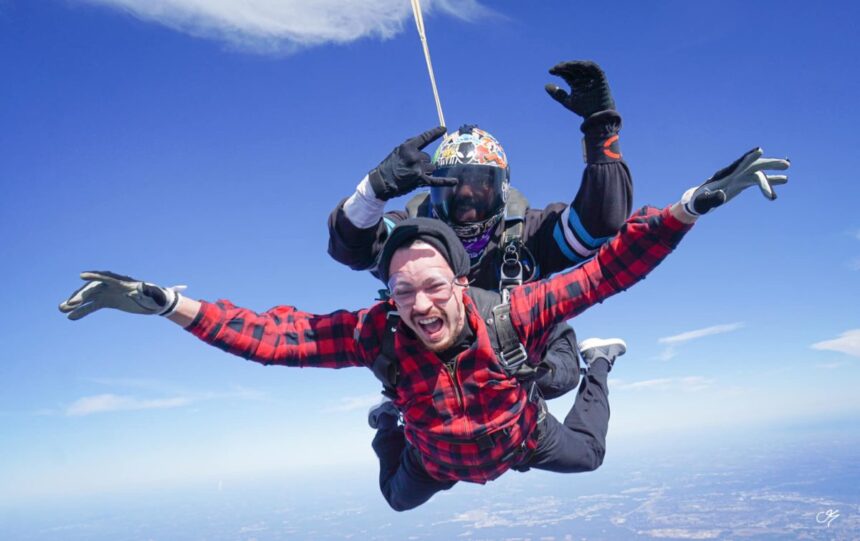
Skydiving has evolved from a niche extreme sport into a global adventure tourism industry. Over the past few decades, technological advancements, improved safety standards, and the growth of adventure travel have significantly increased the popularity of skydiving worldwide.
- Quick Answer: Skydiving Industry Statistics
- Global Skydiving Participation
- Number of Skydivers Worldwide
- Growth of Adventure Tourism
- Economic Impact of the Skydiving Industry
- Safety Improvements in the Industry
- Skydiving Equipment and Technology
- Popular Skydiving Destinations
- Future Trends in the Skydiving Industry
- Conclusion
- FAQs
Understanding skydiving industry statistics helps reveal how large the industry has become, how many people participate each year, and why the sport continues to grow across different countries.
Millions of skydives are performed every year, and the industry now supports thousands of drop zones, instructors, pilots, and aviation professionals around the world.
In this guide, we explore global skydiving participation numbers, industry growth trends, and the factors driving the expansion of the skydiving market.
Quick Answer: Skydiving Industry Statistics
Modern estimates suggest that the global skydiving industry performs 6–7 million skydives every year.
Key industry statistics include:
| Statistic | Estimated Data |
|---|---|
| Annual skydives worldwide | 6–7 million |
| Active skydivers globally | 500,000+ |
| Commercial drop zones worldwide | 1,000+ |
| Average skydiving cost | $200–$500 |
These numbers show that skydiving has become a significant part of the global adventure tourism market.
For a broader overview of safety statistics, see our guide on skydiving statistics worldwide.
Global Skydiving Participation
Skydiving participation has grown steadily over the past several decades.
Estimated participation by region:
| Region | Estimated Annual Skydives |
|---|---|
| United States | 3 million+ |
| Europe | 1.5 million+ |
| Australia & New Zealand | 800,000+ |
| Asia | 500,000+ |
| Other regions | 500,000+ |
The United States remains the largest skydiving market due to its extensive aviation infrastructure and large number of drop zones.
Number of Skydivers Worldwide
Although exact numbers vary, industry estimates suggest that more than 500,000 people actively participate in skydiving worldwide.
Participants include:
- recreational skydivers
- tandem skydiving customers
- professional instructors
- competitive skydivers
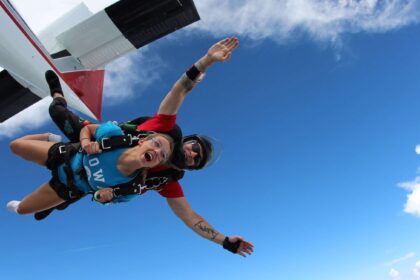
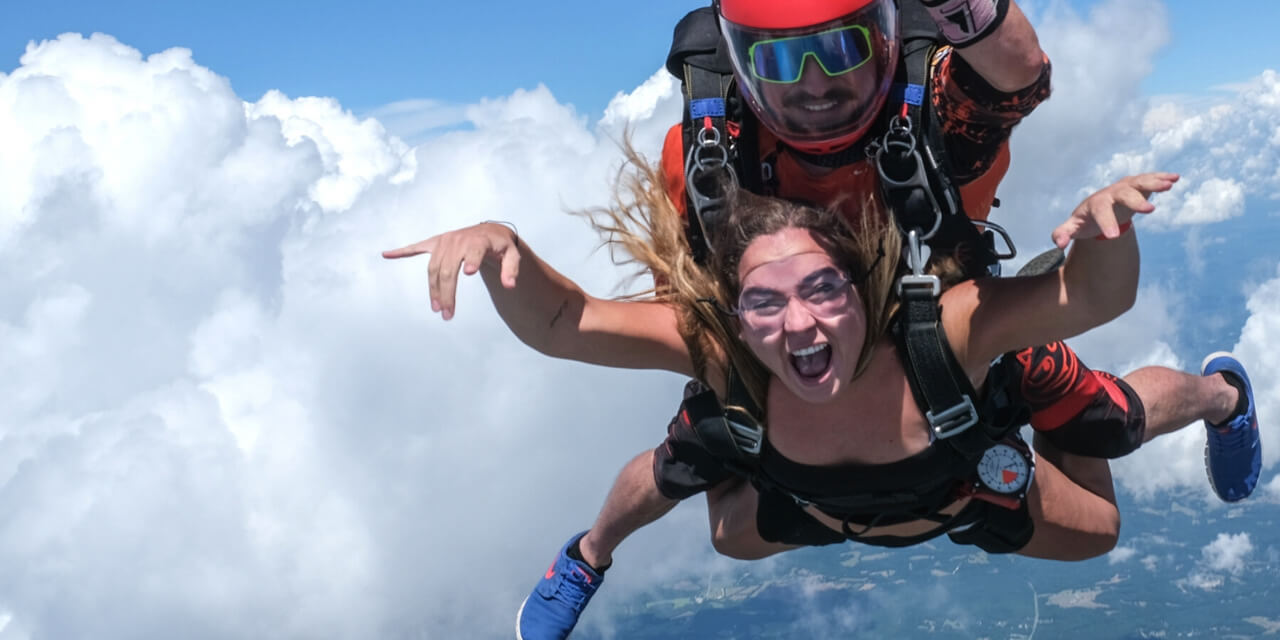
Many first-time participants experience skydiving through tandem jumps, which are designed specifically for beginners.
Our guide on skydiving experience timeline explains what happens during a typical skydive.
Growth of Adventure Tourism
One of the biggest drivers of the skydiving industry is the growth of adventure tourism.
Travelers increasingly seek unique experiences such as:
- skydiving
- bungee jumping
- scuba diving
- mountain climbing
Skydiving offers a combination of adrenaline, scenic views, and personal achievement, making it a popular choice for thrill-seeking travelers.
Our guide on skydiving adventure travel guide explores popular destinations for skydiving tourism.
Economic Impact of the Skydiving Industry
The skydiving industry contributes significantly to local economies.
Skydiving operations support jobs such as:
- skydiving instructors
- aircraft pilots
- aviation mechanics
- drop zone operators
- tourism staff
In popular skydiving destinations, visitors often spend money on travel, accommodation, and local services, further boosting the tourism economy.
Safety Improvements in the Industry
One of the reasons the skydiving industry continues to grow is its strong safety record.
Modern skydiving uses advanced safety systems including:
- dual parachute systems
- automatic activation devices
- digital altitude monitoring
These innovations have significantly improved safety over time.
Our article on skydiving safety record over time explains how these improvements developed.
Skydiving Equipment and Technology
Advances in technology have helped modernize the skydiving industry.
Important innovations include:
- high-performance parachutes
- improved harness systems
- altitude monitoring devices
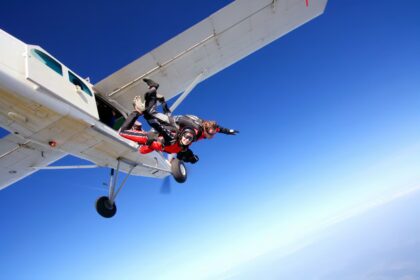
- advanced aircraft used for skydiving operations
You can learn more about these systems in our guide on skydiving gear technology.
Popular Skydiving Destinations
Some locations have become world-famous skydiving destinations due to their scenic landscapes and established drop zones.
Popular skydiving regions include:
- United States
- New Zealand
- Switzerland
- Australia
- United Arab Emirates
These destinations attract skydivers from around the world seeking unique aerial experiences.
Future Trends in the Skydiving Industry
The skydiving industry continues to evolve as technology and tourism trends develop.
Key future trends include:
- improved parachute technology
- increased adventure tourism demand
- new skydiving training methods
- expansion of skydiving centers in emerging markets
These trends suggest that the global skydiving industry will continue to grow in the coming years.
Conclusion
The latest skydiving industry statistics show that skydiving has become a major part of the global adventure tourism market. With millions of jumps performed every year and a growing number of participants worldwide, the sport continues to expand across different regions.
Advances in safety technology, improved training programs, and increasing interest in adventure travel have all contributed to the steady growth of the skydiving industry. As innovation continues to improve equipment and safety procedures, skydiving is likely to remain one of the most exciting and accessible extreme sports in the world.
FAQs
How big is the skydiving industry?
The global skydiving industry performs around 6–7 million jumps every year.
How many skydivers are there worldwide?
Industry estimates suggest that over 500,000 people actively participate in skydiving worldwide.
What is the average cost of skydiving?
Most tandem skydiving experiences cost between $200 and $500, depending on location and altitude.
Which country has the most skydivers?
The United States has the largest skydiving market due to its large number of drop zones and participants.
Is the skydiving industry growing?
Yes. Adventure tourism and improved safety technology continue to drive growth in the skydiving industry.