
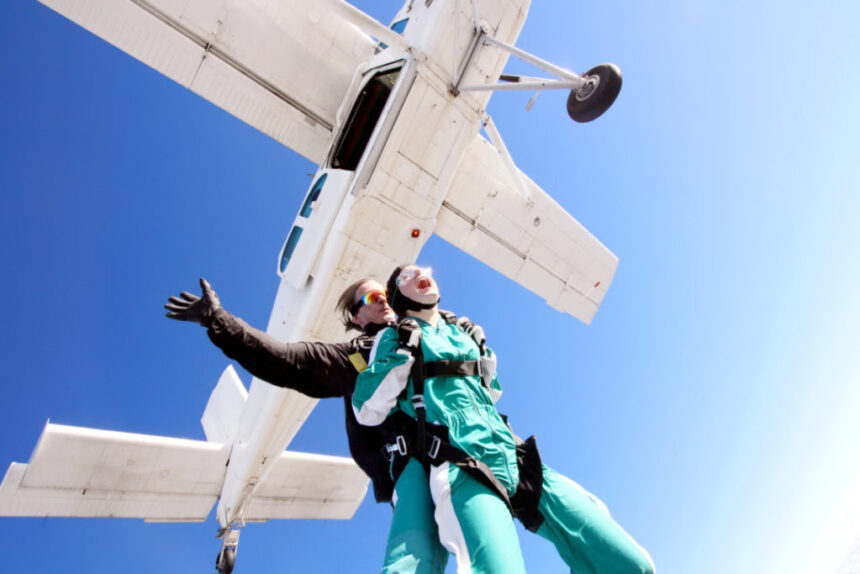
Skydiving is often described as one of the most thrilling adventure sports in the world. Before you ever step onto a plane or strap on a parachute, however, you are required to sign a skydiving liability waiver. Many first-time jumpers sign this document quickly without fully understanding what it means or how it affects their legal rights.
- What You Sign Before Jumping: Understanding a Skydiving Liability Waiver
- Can You Sue After a Skydiving Accident?
- Skydiving Waiver vs Real Legal Rights
- US State-Wise Differences in Skydiving Liability Waivers
- A Lawyer’s Perspective on Skydiving Liability Waivers
- How Skydiving Waivers Affect Medical and Financial Responsibility
- Frequently Asked Questions About Skydiving Liability Waivers
- Final Thoughts: Should You Be Concerned About Skydiving Liability Waivers?
This guide explains skydiving liability waivers in the United States, what you are agreeing to when you sign, whether you can sue after an accident, how waivers differ by state, and how lawyers view these documents. If you are planning your first jump or simply want to understand your rights, this article will help you make an informed decision.
What You Sign Before Jumping: Understanding a Skydiving Liability Waiver
A skydiving liability waiver is a legal agreement between you and the drop zone or skydiving operator. By signing it, you acknowledge that skydiving is an inherently dangerous activity and that you accept those risks voluntarily.
Most skydiving waivers in the US include several standard sections. They clearly state that injuries, disability, or even death can occur due to equipment failure, instructor error, weather conditions, or human mistake. When you sign, you are confirming that you understand these risks and agree not to hold the skydiving company responsible if something goes wrong.
Another important part of the waiver is the assumption of risk clause. This section explains that skydiving is considered an extreme sport and that participants willingly take part despite known dangers. Many waivers also include a clause releasing the company, instructors, aircraft owners, and affiliated staff from liability.
Some waivers go even further by including arbitration agreements, limits on lawsuits, and requirements that disputes be handled outside of court. This is why understanding what you sign before jumping is so important, especially for beginners.
If you want a deeper understanding of how risk is evaluated in this sport, our detailed guide on how safe skydiving really is in the United States explains accident data, safety systems, and risk management in detail.
Can You Sue After a Skydiving Accident?
A common question many jumpers ask is whether signing a waiver means you can never sue after a skydiving accident. The answer is more complex than a simple yes or no.
In many cases, liability waivers are legally enforceable in US courts. This means that if you are injured due to a risk that is clearly outlined in the waiver, your ability to sue may be limited. For example, injuries caused by turbulence, hard landings, or normal parachute deployment risks are often covered by the waiver.
However, waivers do not protect skydiving operators in every situation. You may still be able to sue if the accident occurred due to gross negligence, reckless behavior, or intentional misconduct. Examples include knowingly using faulty equipment, violating safety regulations, or allowing an unqualified instructor to supervise a jump.
Courts often examine whether the waiver language was clear, whether you had adequate time to read it, and whether the risks were reasonably explained. If a waiver is vague, misleading, or overly broad, it may not hold up in court.
For readers researching accident responsibility and medical expenses, this related resource on who pays medical bills after a skydiving accident provides helpful insight into real-world scenarios.
Skydiving Waiver vs Real Legal Rights
Many people believe that signing a waiver means they have no legal rights at all. In reality, a waiver limits certain claims but does not remove your rights entirely.
Your legal rights still include protection against unsafe business practices, violations of federal or state aviation rules, and negligence that goes beyond normal skydiving risks. If a drop zone fails to maintain equipment properly or ignores established safety standards, a waiver may not shield them from legal consequences.
Courts also consider whether the participant understood what they were signing. If a waiver is rushed, poorly explained, or written in overly complex language, its enforceability may be challenged. In some cases, judges have ruled that participants were not adequately informed of the risks.
Understanding this balance between waivers and legal rights is critical, especially in a country like the United States where personal injury law varies by jurisdiction. To better understand risk exposure before your jump, you may also want to review skydiving insurance options for US jumpers, which can provide financial protection beyond a waiver.
US State-Wise Differences in Skydiving Liability Waivers
Skydiving liability waivers are not treated the same way in every US state. State law plays a major role in determining whether a waiver is enforceable and how much protection it offers to skydiving operators.
Some states, such as California, closely examine waivers and may refuse to enforce them if they conflict with public policy or consumer protection laws. Other states are more favorable to businesses and are more likely to uphold well-written waivers.
In states with strong recreational use statutes, courts may place greater responsibility on participants to understand the risks involved. However, even in these states, waivers generally do not protect against gross negligence or intentional harm.
Because of these differences, outcomes can vary significantly depending on where the accident occurs. This is one reason why legal cases involving skydiving accidents often depend heavily on location. If you are researching accident statistics and regional risk, our breakdown of skydiving accident trends by state may help you understand broader safety patterns.
A Lawyer’s Perspective on Skydiving Liability Waivers
From a legal standpoint, lawyers view skydiving waivers as risk-management tools rather than absolute shields. Attorneys often advise clients that waivers are enforceable only when they are clear, specific, and properly presented.
Personal injury lawyers typically look for evidence of negligence, safety violations, or equipment defects when evaluating a case. They also examine whether the waiver complies with state law and whether the skydiving company followed industry best practices.
Defense attorneys, on the other hand, rely on waivers to show that the participant knowingly accepted the risks involved. In many cases, the outcome depends on the facts surrounding the accident rather than the waiver alone.
Most legal professionals agree on one point: signing a waiver does not automatically mean you have no case. Each situation is unique, and courts carefully review the circumstances of the accident, the wording of the waiver, and applicable state laws.
How Skydiving Waivers Affect Medical and Financial Responsibility
One overlooked aspect of liability waivers is how they relate to medical expenses. A waiver does not pay your hospital bills or cover emergency treatment costs. Medical responsibility usually falls on the jumper unless insurance coverage applies.
This is why many experienced skydivers carry specialized adventure or extreme sports insurance. Without coverage, even a minor injury can lead to significant medical expenses in the US healthcare system.
If you are planning a jump and want to reduce financial risk, it is worth understanding both waivers and insurance options together. Our guide on skydiving insurance costs in the USA explains pricing, coverage limits, and common exclusions.
Frequently Asked Questions About Skydiving Liability Waivers
Is a skydiving liability waiver legally binding in the USA?
In most cases, yes. However, enforceability depends on state law, waiver clarity, and whether negligence or misconduct was involved.
Can you sue a skydiving company after signing a waiver?
You may still be able to sue if the injury resulted from gross negligence, unsafe practices, or violations of safety regulations.
Do skydiving waivers cover instructor mistakes?
Waivers often attempt to cover instructor error, but serious negligence or reckless behavior may not be protected.
Are skydiving waivers the same in every US state?
No. Each state applies different legal standards, and some states are more likely to limit or reject certain waiver clauses.
Does a liability waiver cover medical bills after an accident?
No. Waivers do not pay medical costs. Responsibility typically falls on the jumper unless insurance applies.
Final Thoughts: Should You Be Concerned About Skydiving Liability Waivers?
A skydiving liability waiver is an important legal document, not just a formality. While it does limit certain legal claims, it does not remove all of your rights or protect operators from every type of misconduct.
Understanding what you sign, knowing your legal position, and preparing with proper insurance can significantly reduce both legal and financial risks. Informed jumpers are safer jumpers, and taking time to understand a waiver is just as important as choosing a reputable drop zone.
For more US-focused guides on skydiving safety, legal risks, and insurance, explore the in-depth resources available on SkydiveGuides.com, where we break down complex topics into clear, practical information for jumpers at every level.