
Key Takeaways
- The skydiving rate of death is extremely low, especially for tandem skydives.
- Modern equipment, training, and strict aviation regulations have improved safety dramatically.
- According to recent industry data, the fatality rate is roughly 0.28 deaths per 100,000 jumps.
- Tandem skydiving (the type most beginners do) has even lower risk than solo skydiving.
- Proper training, certified instructors, and weather checks are the biggest factors in maintaining strong safety records.
Understanding the Skydiving Rate of Death
Skydiving often looks dangerous in videos or movies, but the actual statistics tell a very different story.
- Key Takeaways
- Understanding the Skydiving Rate of Death
- Latest Skydiving Fatality Statistics (2026)
- Why the Skydiving Death Rate Is So Low Today
- Tandem Skydiving vs Solo Skydiving Risk
- What Causes Skydiving Accidents
- How Safe Is Skydiving Compared to Other Activities
- Safety Procedures Before Every Skydive
- Beginner Guide: How to Stay Safe During Your First Jump
- The Psychological Fear of Skydiving
- Why Millions of People Skydive Every Year
- Frequently Asked Questions
- Final Thoughts
The modern skydiving industry has evolved with:
- Advanced parachute technology
- Mandatory instructor certification
- Strict aircraft and equipment inspections
- Global safety standards
Because of these improvements, the skydiving rate of death is considered very low compared with many common activities.
For example, millions of jumps happen every year worldwide, and only a tiny fraction result in serious incidents.
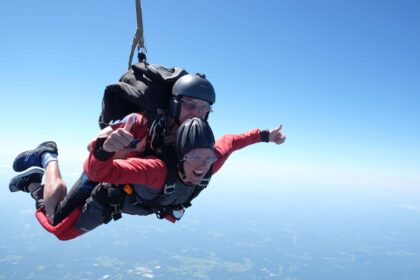
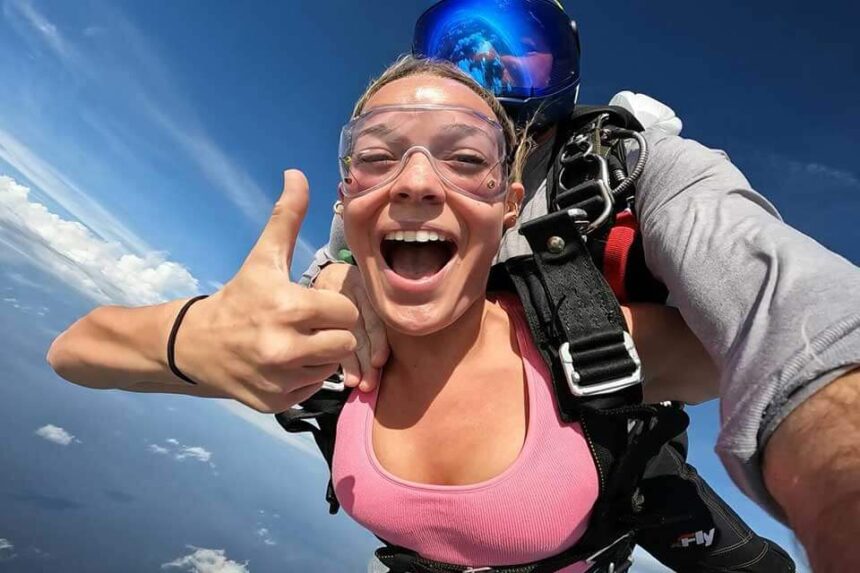
Most people who skydive do tandem jumps, meaning they are securely attached to a trained instructor. This drastically reduces risk because the instructor handles navigation, parachute deployment, and landing.
Latest Skydiving Fatality Statistics (2026)
Reliable skydiving statistics are collected by professional parachuting organizations and aviation regulators. These statistics track millions of jumps to calculate safety trends.
Global Skydiving Safety Data
Recent data shows:
| Statistic | Average Value |
|---|---|
| Annual jumps worldwide | 3–4 million |
| Fatalities per year | 10–15 |
| Fatality rate | ~0.28 per 100,000 jumps |
| Tandem fatality rate | ~1 per 500,000 jumps |
These numbers show that skydiving is statistically safer than many people assume.
To put this into perspective:
- The chance of dying in a skydiving accident is extremely small.
- The majority of jumps occur without any incidents.
The safety record has improved steadily over the last two decades due to better equipment and training.
Why the Skydiving Death Rate Is So Low Today
Several technological and procedural improvements have dramatically reduced skydiving risk.
Modern Parachute Systems
Today’s parachute rigs include two parachutes:
- A main parachute
- A reserve parachute
If the main parachute fails, the reserve can be deployed immediately.
Modern reserve parachutes are carefully packed by certified riggers and inspected regularly.
Automatic Activation Devices (AAD)
One of the biggest safety improvements is the Automatic Activation Device (AAD).
This device monitors:
- Altitude
- Falling speed
If the parachutist does not deploy the parachute in time, the AAD automatically releases the reserve parachute.
This technology alone has prevented many potential fatalities.
Strict Instructor Training
Tandem instructors go through rigorous training that includes:
- Hundreds or thousands of jumps
- Emergency procedure drills
- Equipment certification
This ensures beginners are always jumping with highly experienced professionals.
Tandem Skydiving vs Solo Skydiving Risk
The majority of people researching the skydiving rate of death are beginners planning their first jump.
For first-timers, the experience is usually tandem skydiving, which has a much lower risk profile.
Tandem Skydiving Safety
Tandem skydiving includes:
- Dual harness system
- Instructor-controlled parachute
- Automatic safety devices
- Pre-jump training briefing
Because of these protections, tandem skydiving is considered the safest way to experience the sport.
Solo Skydiving Risk
Solo skydivers carry more responsibility because they must manage:
- Parachute deployment
- Body positioning
- Navigation
- Landing
Most accidents historically occur with experienced solo jumpers pushing limits, not with beginners.
What Causes Skydiving Accidents
Although the overall skydiving rate of death is extremely low, accidents can still occur.
Understanding the causes helps explain why safety rules are so strict.
Human Error
Many incidents are linked to:
- Incorrect landing decisions
- Aggressive maneuvers close to the ground
- Poor judgment in changing wind conditions
Training programs focus heavily on preventing these mistakes.
Weather Conditions
Wind speed and turbulence play an important role in safe landings.
Responsible drop zones will cancel jumps if conditions are unsafe, even if customers are waiting.
Equipment Misuse
Modern skydiving equipment is extremely reliable.
However, incorrect setup or improper packing can create risks. That is why certified riggers inspect parachutes regularly.
How Safe Is Skydiving Compared to Other Activities
When comparing the skydiving rate of death with other activities, the numbers often surprise people.
Risk Comparison
| Activity | Estimated Fatality Risk |
|---|---|
| Skydiving | ~0.28 per 100,000 jumps |
| Scuba diving | Higher than skydiving |
| Mountaineering | Significantly higher |
| Motorcycling | Much higher |
| Driving a car | Comparable in lifetime risk |
This comparison shows that skydiving is not among the most dangerous adventure sports.
Strict training and technology help keep incidents rare.
Safety Procedures Before Every Skydive
Before any jump, several safety checks take place.
Pre-Jump Equipment Check
Instructors verify:
- Harness connections
- Parachute pins
- Altimeter function
- Helmet and goggles
These checks are repeated multiple times.
Aircraft Safety Briefing
Before boarding the plane, jumpers learn:
- Exit procedures
- Body positioning
- Landing instructions
- Emergency signals
Even tandem passengers receive a short briefing to ensure they understand the process.
Final Weather Check
Pilots and instructors monitor wind and visibility before every flight.
If conditions change suddenly, the jump can be delayed or cancelled.
Safety always comes first.
Beginner Guide: How to Stay Safe During Your First Jump
Most people considering skydiving want reassurance that the experience is safe.
Following a few simple steps helps maintain the strong safety records of the sport.
Choose a Certified Drop Zone
Look for:
- Licensed instructors
- Modern aircraft
- Well-maintained equipment
- Positive safety history
Professional facilities follow strict aviation standards.
Listen Carefully During Training
Even though tandem skydiving requires minimal effort from the passenger, listening to instructions helps ensure a smooth experience.
Avoid Risky Behavior
Never attempt:
- Stunts
- Unapproved camera use
- Sudden movements during landing
Let the instructor guide the entire process.
The Psychological Fear of Skydiving
Many people worry about the skydiving rate of death because of natural fear.
This fear usually comes from:
- Height anxiety
- Lack of knowledge about equipment
- Media portrayals of danger
However, once people understand the safety procedures and statistics, most feel much more confident.
In fact, many first-time jumpers describe the experience as less scary than expected.
Why Millions of People Skydive Every Year
Despite the perceived risk, skydiving continues to grow in popularity worldwide.
People choose to skydive for several reasons:
- Personal challenge
- Adventure travel
- Bucket-list experiences
- Celebrations such as birthdays or graduations
The combination of strong safety records and professional training allows millions of people to enjoy the sport safely every year.
Frequently Asked Questions
What is the skydiving rate of death?
The skydiving fatality rate is approximately 0.28 deaths per 100,000 jumps, making it a very low-risk adventure activity.
Is tandem skydiving safe for beginners?
Yes. Tandem skydiving is specifically designed for beginners and includes an experienced instructor, dual parachutes, and automatic safety devices.
How many skydiving accidents happen each year?
Worldwide, only about 10–15 fatalities occur annually, despite millions of jumps.
What is the safest type of skydive?
Tandem skydiving is considered the safest option because the instructor controls the jump and parachute.
Do parachutes ever fail?
Parachute failures are extremely rare. Even if the main parachute malfunctions, a reserve parachute and automatic safety devices provide backup protection.
Final Thoughts
The phrase skydiving rate of death can sound alarming, but real statistics show a much more reassuring reality.
Modern skydiving is supported by:
- Advanced parachute technology
- Automatic safety systems
- Professional instructor training
- Strict aviation regulations
Because of these safeguards, skydiving today has one of the strongest safety records among adventure sports.
While global statistics show that skydiving is extremely safe, many travelers specifically wonder about safety in famous destinations. If you’re curious about current statistics and incident reports, you can explore the latest skydive dubai death rate today data and safety analysis here
This detailed breakdown explains real numbers, safety measures, and how Dubai compares with other skydiving destinations worldwide.
For most beginners, the biggest challenge is not safety—it is simply finding the courage to step out of the plane and experience the unforgettable thrill of freefall.