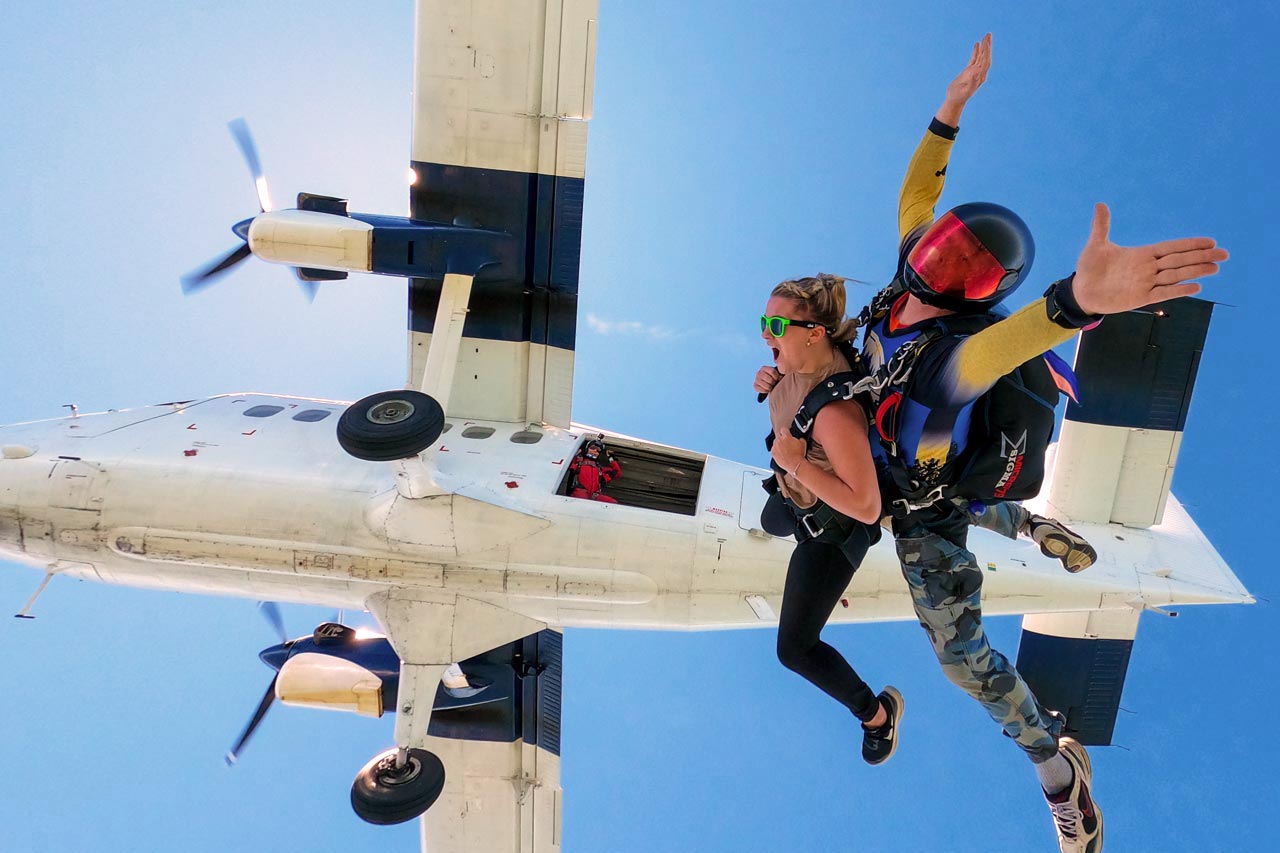


Skydiving is often seen as an extremely dangerous activity because it involves jumping from an aircraft thousands of feet above the ground. However, the reality is very different from the perception. Modern data shows that the skydiving survival rate is extremely high, thanks to advanced equipment, strict training standards, and professional instructors.
- Skydiving Survival Rate (Quick Answer)
- How Safe Is Skydiving Compared to Other Activities?
- Why the Skydiving Survival Rate Is So High
- Dual Parachute Systems
- Automatic Activation Devices (AAD)
- Professional Instructor Training
- How Often Do Fatal Skydiving Accidents Happen?
- Most Common Causes of Skydiving Accidents
- What Happens During a Skydive?
- Is Skydiving Safe for Beginners?
- Future Improvements in Skydiving Safety
- Conclusion
- FAQs About Skydiving Survival Rate
Millions of skydives take place around the world every year, and the vast majority of jumps end safely without any incidents. Understanding the actual survival rate helps people see how safe skydiving has become compared to other adventure sports.
In this guide, we will explore the latest skydiving survival statistics, accident rates, and the factors that make modern skydiving much safer than in the past.
Skydiving Survival Rate (Quick Answer)
The skydiving survival rate is estimated to be over 99.99% per jump.
This means that the chance of surviving a single skydive is extremely high when proper safety procedures are followed.
Key global estimates include:
| Statistic | Estimated Data |
|---|---|
| Annual skydives worldwide | 6–7 million |
| Average fatality rate | ~1 per 200,000 jumps |
| Survival rate per jump | 99.999%+ |
| Tandem skydiving survival rate | Nearly 100% |
These numbers show that skydiving is statistically much safer than many people believe.
For a broader overview of global participation and safety data, you can also explore our guide on skydiving statistics worldwide.
How Safe Is Skydiving Compared to Other Activities?
Many people assume skydiving is extremely risky, but statistical comparisons often show otherwise.
| Activity | Risk Level |
|---|---|
| Skydiving | Very low per jump |
| Scuba diving | Moderate risk |
| Mountain climbing | Higher risk |
| Motorcycling | Much higher accident rate |
Because skydiving is heavily regulated and involves professional supervision, serious accidents are relatively rare.
Organizations such as the United States Parachute Association (USPA) track skydiving safety statistics and training standards across the industry.
Why the Skydiving Survival Rate Is So High
Several factors contribute to the high survival rate in modern skydiving.
Dual Parachute Systems
Every skydiver carries two parachutes:
- Main parachute
- Reserve parachute
If the main parachute fails, the reserve parachute can be deployed as a backup.
Automatic Activation Devices (AAD)
AAD systems automatically deploy the reserve parachute if the skydiver fails to deploy one at a safe altitude.
These devices have saved many lives over the years.
You can learn more about these innovations in our guide on skydiving gear technology.
Professional Instructor Training
First-time skydivers usually perform tandem jumps with certified instructors.
Instructors control:
- parachute deployment
- freefall stability
- landing procedures
If you’re curious about instructor training, our guide on skydiving instructor training explains how professionals are certified.
How Often Do Fatal Skydiving Accidents Happen?
Although extremely rare, fatal accidents can still occur.
Current estimates suggest:
- Around 1 fatal accident per 200,000 jumps
- Most accidents involve experienced solo skydivers
- Tandem skydiving has an extremely low fatality rate
For more detailed safety analysis, our guide on skydiving injuries statistics explains how often injuries occur during skydiving.
Most Common Causes of Skydiving Accidents
Most skydiving accidents are not caused by equipment failure.
Common factors include:
- Human error
- Risky low-altitude maneuvers
- Poor weather conditions
- Inexperienced solo jumpers
Modern training programs help reduce these risks.
What Happens During a Skydive?
Understanding the full skydiving process can help people feel more confident about the sport.
A typical skydive includes:
- Safety briefing and preparation
- Aircraft ascent to jump altitude
- Exit from the aircraft
- Freefall (30–60 seconds)
- Parachute deployment
- Controlled landing
Our detailed skydiving experience timeline explains every stage of a skydive from takeoff to landing.
Is Skydiving Safe for Beginners?
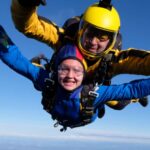
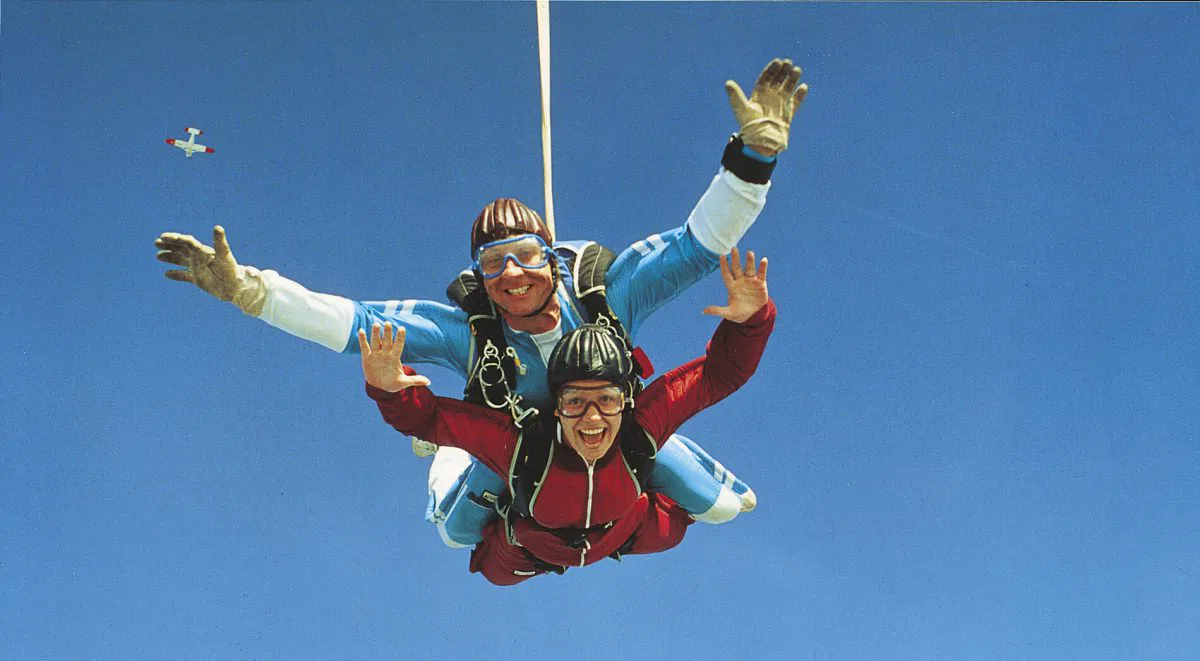
Yes. Tandem skydiving is designed specifically for beginners.
During a tandem jump:
- A certified instructor manages the jump
- The instructor deploys the parachute
- The instructor controls the landing
Because of this structure, beginner skydiving experiences have extremely high survival rates.
Understanding the psychology of fear can also help beginners feel more comfortable before jumping. Our guide on skydiving fear psychology explains why many people feel nervous before their first skydive.
Future Improvements in Skydiving Safety
Skydiving safety continues to improve with new technology.
Emerging innovations include:
- AI-assisted weather forecasting
- Smart parachute systems
- Improved training simulations
- Advanced safety sensors
These innovations are expected to further increase the survival rate in the coming years.
Conclusion
The skydiving survival rate shows that modern skydiving is far safer than many people assume. With survival rates exceeding 99.99% per jump, the sport benefits from strict safety procedures, professional training, and advanced equipment technology.
For many thrill seekers, skydiving offers an exciting yet well-regulated adventure that combines adrenaline with high levels of safety.
Understanding the statistics behind the sport helps replace fear with confidence and allows more people to experience the thrill of skydiving safely.
FAQs About Skydiving Survival Rate
What is the survival rate of skydiving?
The survival rate is estimated to be over 99.99% per jump, making skydiving statistically very safe.
How many skydiving accidents happen per year?
Fatal accidents are extremely rare and occur roughly 1 in every 200,000 jumps.
Is tandem skydiving safer than solo skydiving?
Yes. Tandem skydiving is significantly safer because a trained instructor controls the jump.
What causes most skydiving accidents?
Most accidents are caused by human error, poor weather, or risky maneuvers, not equipment failure.
Is skydiving becoming safer?
Yes. Advances in equipment technology and training standards continue to improve skydiving safety worldwide.