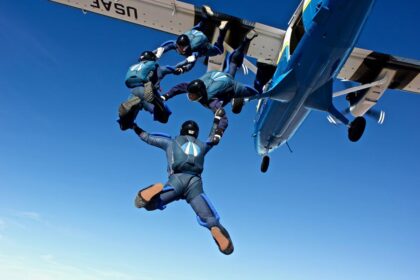

Extreme aerial sports continue to attract thrill seekers from around the world. Among the most popular are traditional skydiving and wingsuit flying. While both activities involve jumping from aircraft or cliffs, the level of risk between the two sports is dramatically different.
When comparing skydiving vs wingsuit death rate, statistics clearly show that wingsuit flying is significantly more dangerous than regular skydiving. This is mainly due to the higher speeds, lower margin for error, and complex flight control involved in wingsuit flying.
In this guide, we will explore the real statistics behind both sports, examine the major risk factors, and explain why wingsuit flying has a much higher fatality rate.
Quick Answer: Skydiving vs Wingsuit Death Rate
Wingsuit flying has a much higher fatality rate compared with traditional skydiving.
Estimated comparison:
| Activity | Estimated Fatality Rate |
|---|---|
| Skydiving | ~1 death per 200,000 jumps |
| Wingsuit Flying | ~1 death per 500–1,000 jumps |
This means wingsuit flying can be hundreds of times more dangerous than skydiving.
For a deeper understanding of skydiving fatality risk, see our article on odds of dying while skydiving.
What Is Skydiving?
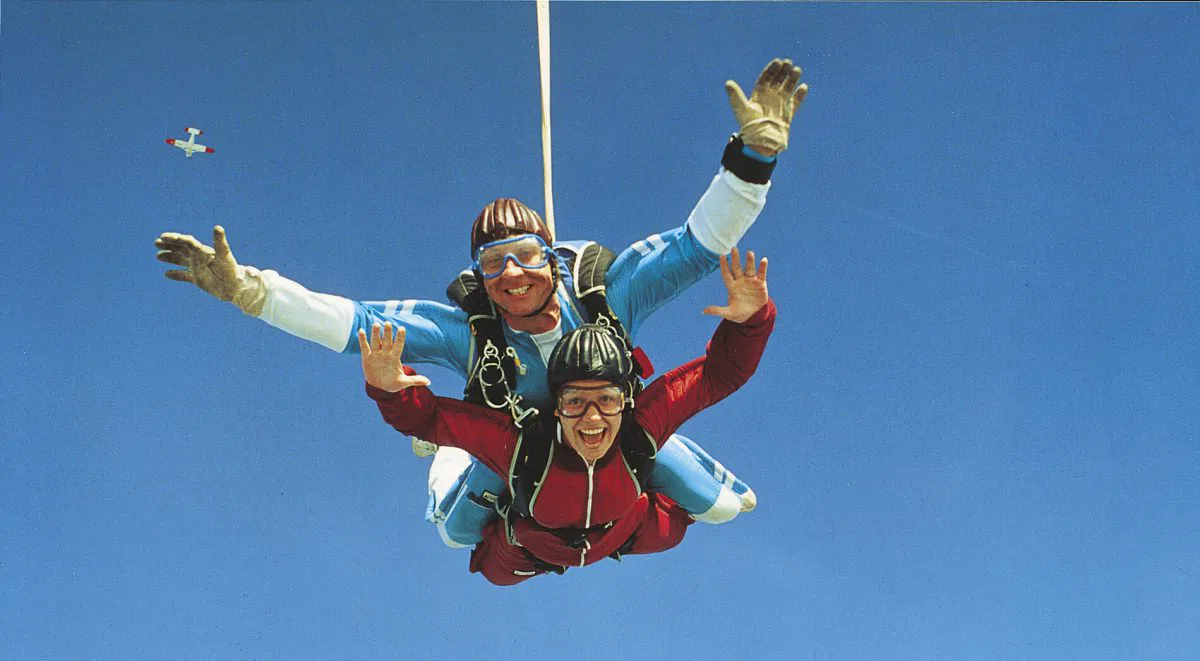
Skydiving involves jumping from an aircraft at high altitude and descending using a parachute system.
A typical skydive includes:
- aircraft ascent
- freefall
- parachute deployment
- controlled landing
Because modern skydiving includes backup parachutes and automatic safety systems, the sport has become much safer over the years.
Our guide on probability of skydiving accident explains how rare serious incidents actually are.
What Is Wingsuit Flying?
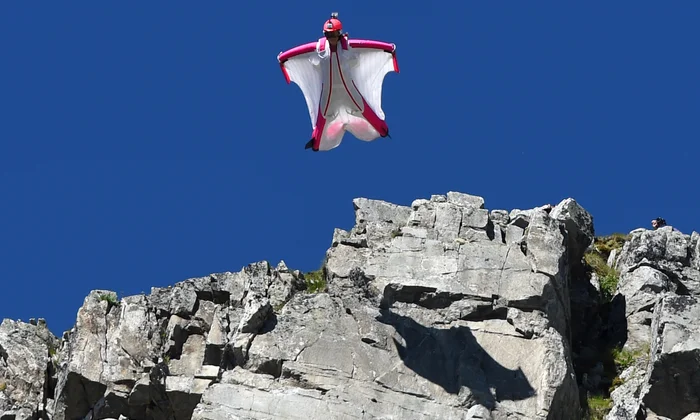
Wingsuit flying is an advanced form of skydiving where the jumper wears a special suit with fabric wings between the arms and legs.
The wingsuit allows the flyer to glide horizontally at high speeds before deploying a parachute.
Key characteristics of wingsuit flying include:
- horizontal flight capability
- very high airspeed
- close proximity flying near terrain
Because of these factors, wingsuit flying requires extremely advanced skydiving skills.
Why Wingsuit Flying Is More Dangerous
Several factors explain the higher death rate associated with wingsuit flying.
Higher Speeds
Wingsuit flyers can reach speeds of 150–200 km/h, which leaves little room for error during flight.
Terrain Proximity
Many wingsuit flights occur near cliffs or mountains, increasing the risk of collision.
Limited Reaction Time
Wingsuit flyers must maintain precise body control throughout the flight. Small mistakes can lead to serious consequences.
Skydiving Safety Systems
Traditional skydiving includes several built-in safety features that reduce accident risk.
These systems include:
- main parachute
- reserve parachute
- automatic activation devices
Our article on skydiving equipment explained explores these safety systems in detail.
These features are one of the main reasons skydiving maintains a strong safety record.
Wingsuit Flying Requirements
Wingsuit flying is not recommended for beginners.
Most skydiving organizations require:
- hundreds of skydives
- advanced parachute control skills
- specialized wingsuit training
This requirement exists because wingsuit flying introduces many additional risks compared with traditional skydiving.
Skydiving Safety Improvements Over Time
Modern skydiving has become much safer due to technological advancements.
Important safety improvements include:
- advanced parachute materials
- automatic activation devices
- improved instructor training
Our guide on skydiving safety record over time explains how these innovations reduced accident rates.
Which Sport Is Safer?
When comparing skydiving vs wingsuit death rate, the difference is clear. Traditional skydiving is significantly safer because it occurs in controlled environments and includes multiple safety systems.
Wingsuit flying, while exciting and visually impressive, introduces higher speeds and additional risk factors that increase the likelihood of accidents.
For beginners interested in aerial sports, traditional skydiving remains the safest and most accessible option.
Conclusion
The comparison of skydiving vs wingsuit death rate shows that wingsuit flying is considerably more dangerous than regular skydiving. While both activities involve parachutes and aerial descent, wingsuit flying introduces additional complexity and higher speeds that increase risk levels.
Thanks to modern safety equipment, strict training standards, and regulated drop zones, skydiving maintains one of the best safety records among extreme sports. Understanding the statistics behind these activities helps participants make informed decisions and appreciate the safety improvements that continue to shape modern skydiving.
FAQs
Is wingsuit flying more dangerous than skydiving?
Yes. Wingsuit flying has a significantly higher fatality rate due to higher speeds and more complex flight control.
What is the fatality rate for skydiving?
Skydiving has an estimated fatality rate of about 1 death per 200,000 jumps.
Can beginners try wingsuit flying?
No. Wingsuit flying usually requires hundreds of previous skydives and advanced training.
Why do wingsuit accidents happen?
Common causes include terrain collisions, high speeds, and small flight control errors.
Is traditional skydiving safe?
Yes. With proper training and modern safety equipment, skydiving is considered one of the safest extreme sports.