
Skydiving often looks extreme from the outside, especially for first-time jumpers. One of the most searched questions before booking a jump is about tandem skydiving deaths per year.
- Tandem Skydiving Deaths Per Year (Latest Statistics)
- Understanding the Tandem Skydiving Fatality Rate
- Why Tandem Skydiving Is Safer Than Solo Skydiving
- Equipment That Reduces Tandem Skydiving Risk
- The Most Common Causes of Skydiving Fatalities
- How Skydiving Safety Has Improved Over the Years
- What Beginners Should Know Before a Tandem Jump
- Safety Checks Performed Before Every Jump
- How Drop Zones Maintain Safety Records
- Psychological Fear vs Real Risk
- Tips for Choosing a Safe Skydiving Center
- How Instructors Are Trained for Tandem Skydiving
- Why Millions of People Try Tandem Skydiving Every Year
- Frequently Asked Questions
- Final Thoughts
People want to know the real risk before they decide to jump from an aircraft thousands of feet above the ground.
The truth is that modern tandem skydiving is one of the most regulated and statistically safe adventure sports. Thanks to improved equipment, better instructor training, and strict safety procedures, the fatality rate has dropped significantly over the past decades.
This guide breaks down the actual statistics, safety records, causes of accidents, and what beginners should realistically expect.
Tandem Skydiving Deaths Per Year (Latest Statistics)
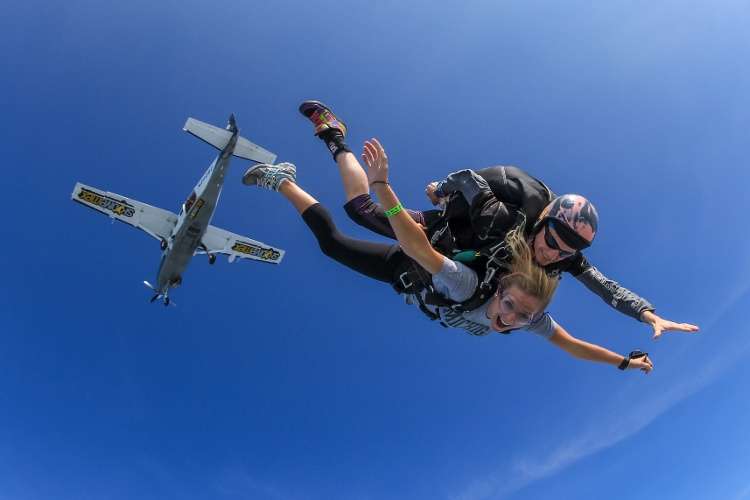
According to skydiving safety reports and industry statistics, the number of fatalities in skydiving has steadily decreased over the years despite millions of jumps being performed annually.
Most skydiving accidents occur during solo or advanced jumps, not tandem jumps with instructors.
Average Tandem Skydiving Deaths Per Year
| Year | Estimated Total Skydiving Jumps | Fatalities | Tandem Fatalities |
|---|---|---|---|
| 2019 | ~3.3 million | 15 | 1 |
| 2020 | ~2.8 million | 11 | 0 |
| 2021 | ~3.6 million | 10 | 1 |
| 2022 | ~3.9 million | 9 | 0 |
| 2023 | ~4 million | 10 | 1 |
Across millions of jumps each year, tandem skydiving deaths per year usually range between 0 and 1 globally in many reporting regions.
This means tandem skydiving has an extremely low fatality rate compared with other adventure sports.
Understanding the Tandem Skydiving Fatality Rate
When discussing safety, it’s important to understand the probability rather than isolated incidents.
Estimated Risk
- Roughly 1 fatality per 500,000–1,000,000 tandem jumps
- Less risky than many everyday activities
- Significantly safer than early skydiving decades
For comparison:
| Activity | Estimated Risk |
|---|---|
| Tandem Skydiving | ~1 in 500,000 |
| Scuba Diving | ~1 in 200,000 |
| Motorcycle Riding | ~1 in 1,000 |
| Driving a Car | ~1 in 5,000 |
This comparison shows why tandem skydiving is considered a controlled and professionally managed adventure activity.
Why Tandem Skydiving Is Safer Than Solo Skydiving
A tandem jump is specifically designed for beginners.
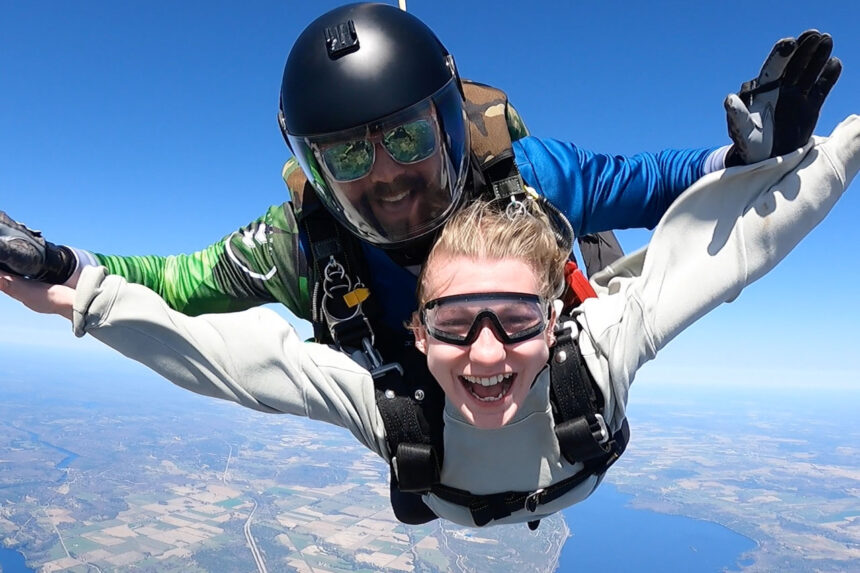
You are securely attached to an experienced instructor who controls the entire process from exit to landing.
Key Safety Advantages
- Professional instructor control
- Automatic safety backup systems
- Modern parachute technology
- Strict drop zone safety procedures
The instructor handles:
- Exit from the aircraft
- Body positioning during freefall
- Parachute deployment
- Steering and landing
For first-time jumpers, this dramatically reduces the risk.
Equipment That Reduces Tandem Skydiving Risk
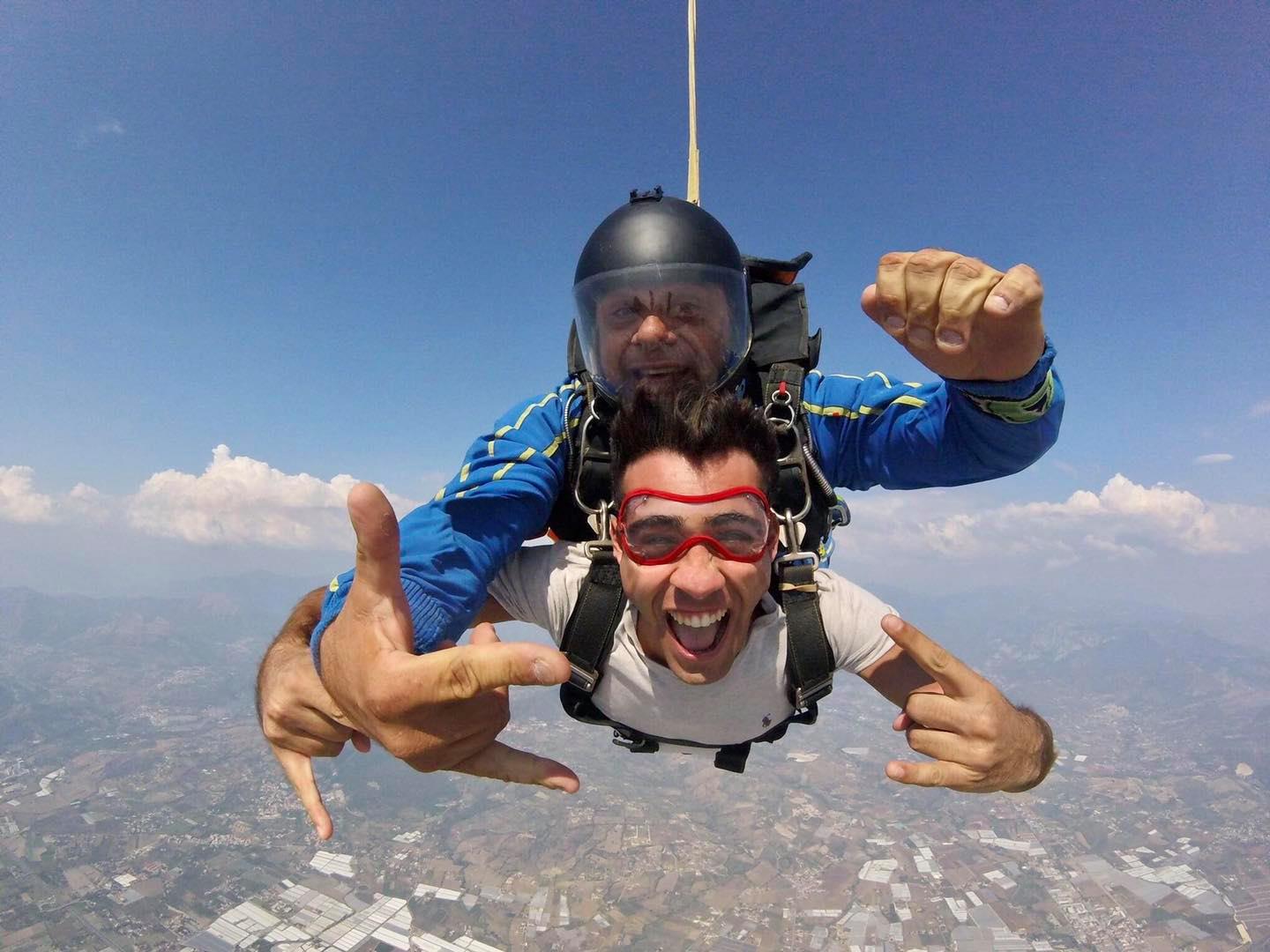
Modern skydiving equipment plays a major role in lowering fatalities.
Dual Parachute System
Every tandem rig contains:
- Main parachute
- Reserve parachute
If the main canopy fails, the reserve parachute can be deployed instantly.
Automatic Activation Device (AAD)
This device is one of the most important safety technologies.
If a parachute is not deployed by a certain altitude, the device automatically releases the reserve parachute.
Professional Harness System
The passenger is connected to the instructor using a certified tandem harness designed to support extreme loads.
The Most Common Causes of Skydiving Fatalities
Even though tandem skydiving deaths per year are extremely rare, it’s important to understand the factors involved.
Human Error
Most incidents in skydiving historically involve:
- Advanced solo jumpers
- Extreme maneuvers
- Poor decision-making
Tandem jumps avoid these risks because the instructor controls everything.
Weather Conditions
Strong winds or unstable weather can increase landing risks.
Professional drop zones will cancel jumps if conditions are unsafe, which is why weather delays are common.
Equipment Failure
Modern skydiving gear is heavily inspected and maintained.
Actual equipment failures are extremely rare due to redundant safety systems.
How Skydiving Safety Has Improved Over the Years
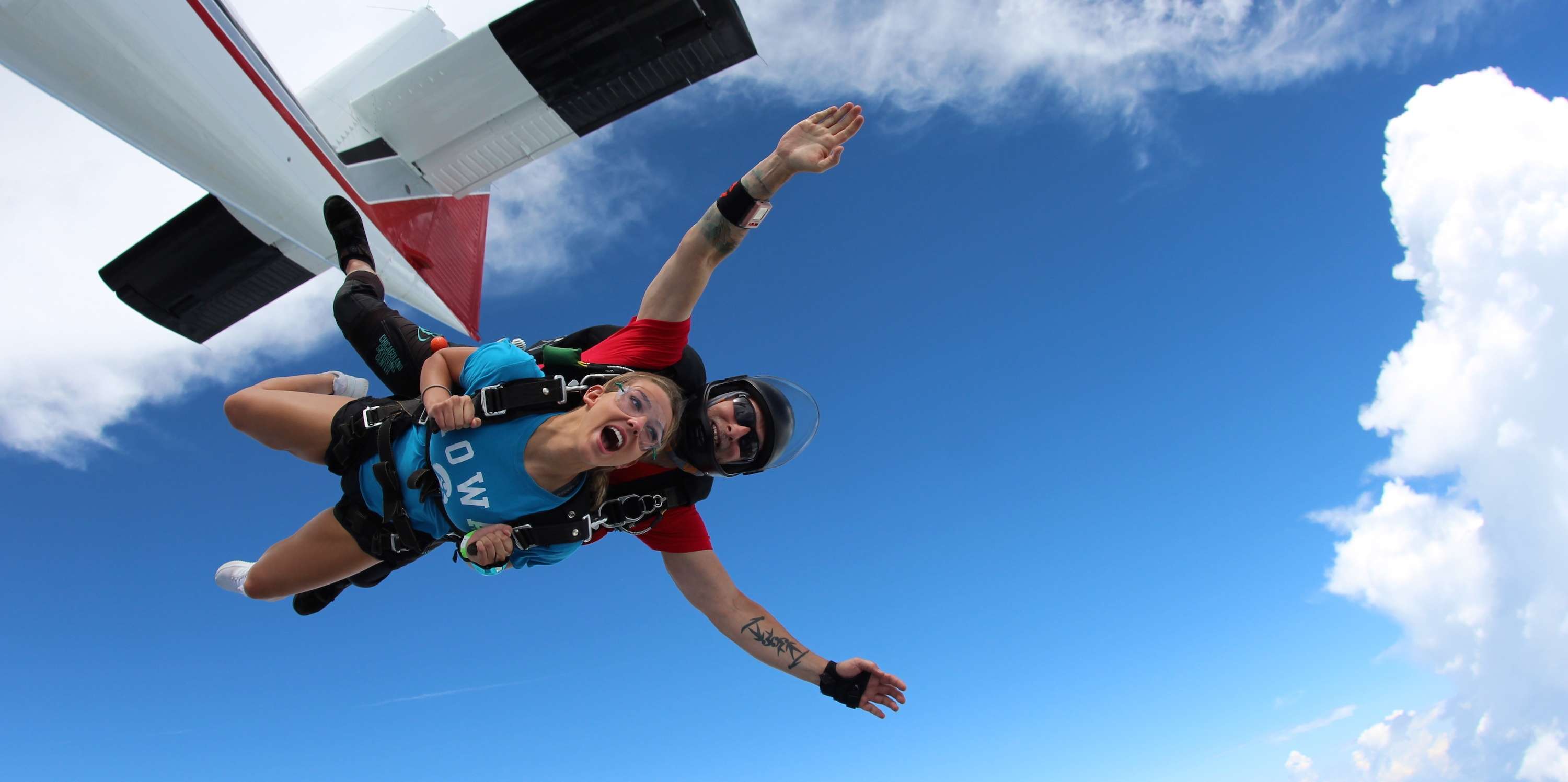
Skydiving today is dramatically safer than it was 30 years ago.
Major Improvements
Better instructor certification
Improved parachute design
Advanced altitude monitoring
Stricter drop zone regulations
These improvements have helped reduce fatalities even while total jumps per year continue to increase.
What Beginners Should Know Before a Tandem Jump
Understanding the process helps reduce fear and increases safety awareness.
Basic Tandem Jump Timeline
- Ground safety briefing
- Equipment fitting and checks
- Aircraft ascent (10–15 minutes)
- Freefall (about 45–60 seconds)
- Parachute descent (5–7 minutes)
- Controlled landing
Your instructor manages the technical aspects throughout the experience.
Safety Checks Performed Before Every Jump
Professional skydiving centers follow strict procedures before every flight.
Pre-Jump Safety Routine
Equipment inspection
Harness connection verification
Altitude and weather check
Instructor communication briefing
These procedures significantly reduce risk.
How Drop Zones Maintain Safety Records
Reputable skydiving centers maintain detailed safety records and follow international aviation guidelines.
Safety Measures Include
Regular instructor training
Aircraft maintenance inspections
Parachute repacking schedules
Emergency procedures training
These protocols ensure skydiving remains one of the safest adventure sports available.
Psychological Fear vs Real Risk
Fear of skydiving is natural.
Jumping from thousands of feet above the ground triggers a strong emotional response.
However, when people research tandem skydiving deaths per year, they often discover the statistics are much safer than expected.
This shift from fear to understanding is why millions of first-time jumpers choose tandem skydiving every year.
Tips for Choosing a Safe Skydiving Center
Selecting a professional drop zone is the most important safety decision.
What to Look For
Certified instructors
Strong safety history
Modern equipment
Clear safety briefing process
Avoid companies that skip safety explanations or rush the preparation process.
How Instructors Are Trained for Tandem Skydiving
Tandem instructors go through extensive training before they are allowed to take passengers.
Instructor Requirements Typically Include
Hundreds or thousands of personal skydives
Specialized tandem certification
Emergency procedure training
Regular performance evaluations
Because of this experience level, instructors are highly skilled at managing every part of the jump.
Why Millions of People Try Tandem Skydiving Every Year
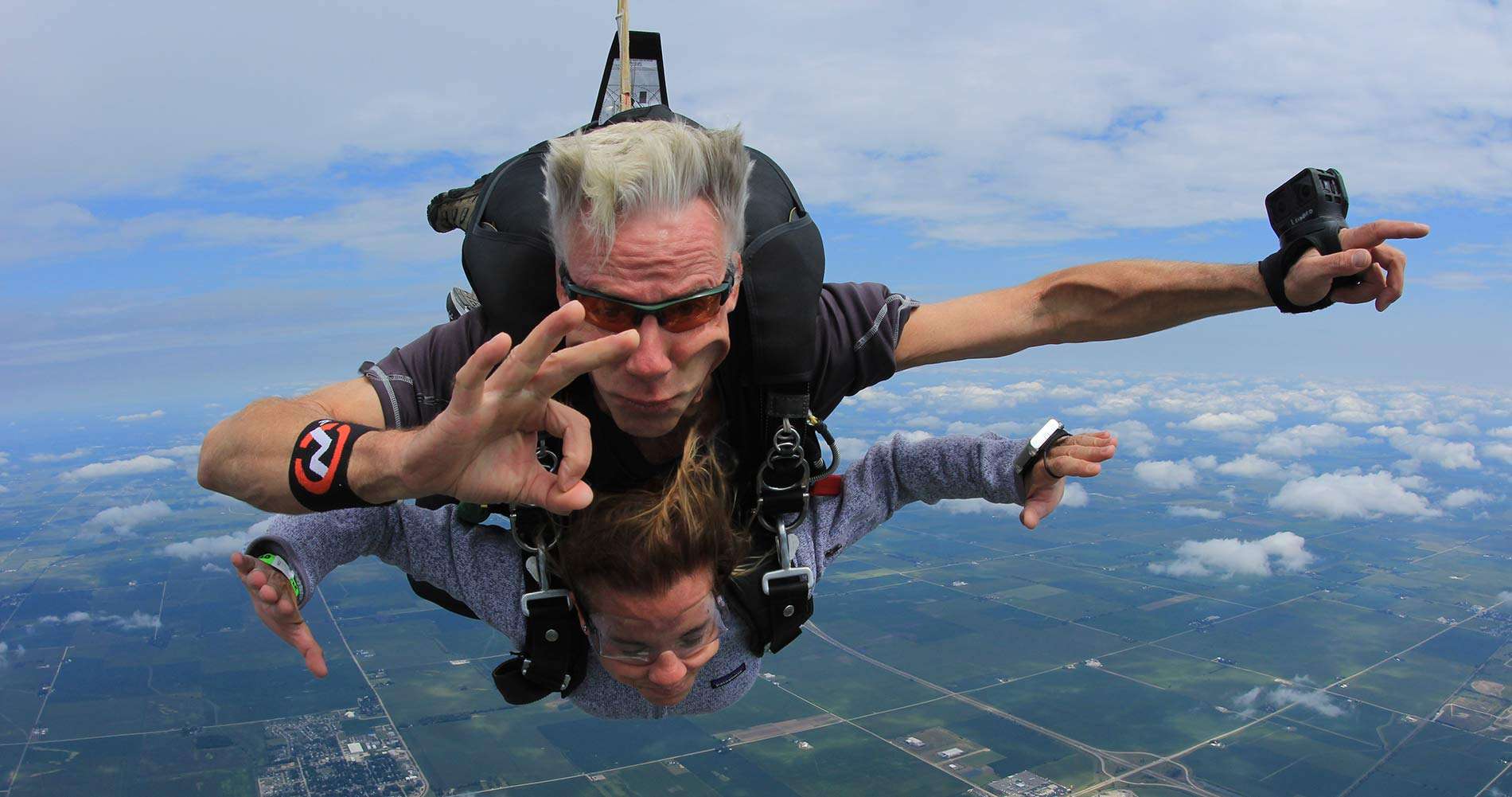
Despite the fear surrounding the sport, tandem skydiving continues to grow in popularity.
People choose skydiving for several reasons:
Bucket list experience
Personal challenge
Adrenaline adventure
Unique travel activity
The extremely low number of tandem skydiving deaths per year reassures many beginners that the experience is statistically safe.
Frequently Asked Questions
How many tandem skydiving deaths happen each year?
In most years, tandem skydiving fatalities are extremely rare, often ranging between zero and one incident across millions of jumps.
Is tandem skydiving safer than solo skydiving?
Yes. Tandem skydiving is significantly safer because a certified instructor controls the jump, equipment, and landing.
What is the fatality rate for tandem skydiving?
The estimated fatality rate is roughly 1 in 500,000 to 1 in 1,000,000 tandem jumps.
Can parachutes fail during tandem skydiving?
Parachute failures are extremely rare. Tandem systems include two parachutes and automatic activation devices as backup safety measures.
Should beginners worry about skydiving accidents?
Beginners should choose a reputable skydiving center and follow safety instructions. When done professionally, tandem skydiving is considered very safe.
Final Thoughts
Researching tandem skydiving deaths per year is a smart step before trying the experience.
The data shows that tandem skydiving has become one of the most statistically safe adventure activities in the world thanks to improved technology, training, and strict safety procedures.
If you’re researching skydiving safety before booking your first jump, it’s a good idea to look at destination-specific statistics as well. For example, this guide on skydive dubai death rate today explains how Dubai maintains strong safety standards despite handling thousands of jumps each year
Reading these safety insights can help beginners feel more confident before their first experience.
For most people, the biggest challenge is not safety—it’s overcoming the fear of stepping out of the airplane.
Once they do, many describe it as one of the most unforgettable experiences of their lives.