
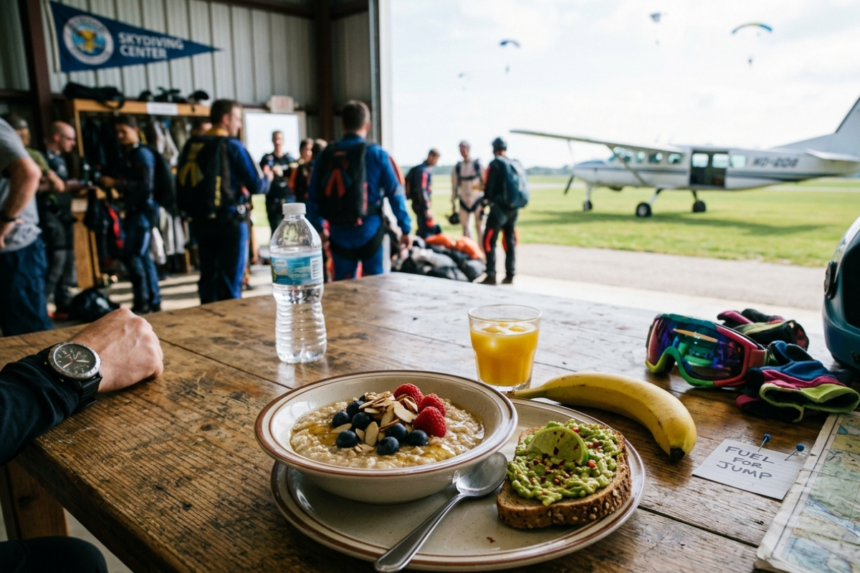
So you’ve booked your skydive. The excitement is real. But now comes a question that almost every first-timer asks — what should I actually eat before jumping out of a plane?
- What to Eat Before Skydiving
- Key Facts About Eating Before Skydiving
- Why Your Pre-Jump Meal Actually Matters
- What to Eat Before Skydiving: The Best Foods
- What NOT to Eat Before Skydiving
- Timing: When Should You Eat Before Skydiving?
- Tips for Managing Your Stomach on Jump Day
- Common Mistakes People Make Before Skydiving
- Expert Tips from Skydivers and Instructors
- Frequently Asked Questions
- Conclusion
It’s not a silly question. Eating the wrong thing before skydiving can turn the best day of your life into a very uncomfortable one. Nausea, dizziness, and an upset stomach are the last things you want at 15,000 feet.
In this guide, you’ll learn exactly what to eat before skydiving, what to avoid, the best timing for your meal, and how to keep your body feeling strong from the moment you arrive at the dropzone to the second your feet hit the ground.
What to Eat Before Skydiving
What to eat before skydiving means choosing light, easy-to-digest foods that give you steady energy without upsetting your stomach. The goal is to feel nourished and alert — not full, heavy, or bloated.
Think of it like eating before a roller coaster, but times ten. Your body will experience adrenaline, altitude changes, and physical sensation all at once. What’s sitting in your stomach matters.
The best pre-skydive meal is one that’s light on fat and spice, moderate in carbohydrates, and easy on your digestive system.
Key Facts About Eating Before Skydiving
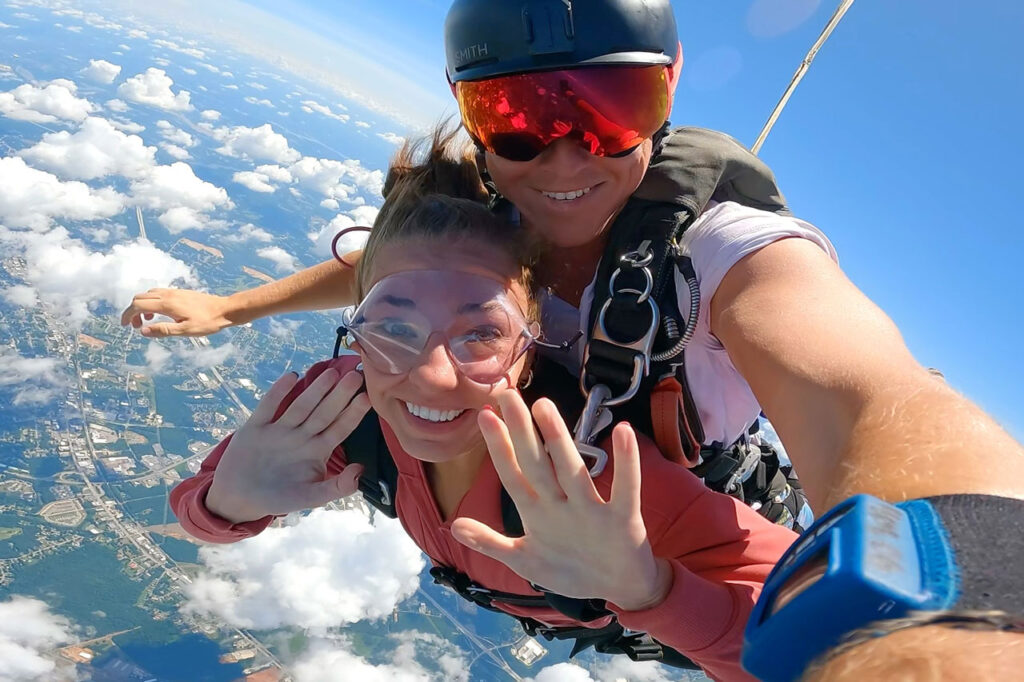
Here are the most important things to know before your jump day meal:
- Skydiving on a completely empty stomach is a bad idea. Low blood sugar can cause dizziness and fainting.
- Eating too much is just as risky. A heavy meal can cause nausea and vomiting mid-air.
- The ideal eating window is 2 to 3 hours before your jump.
- Greasy, spicy, and acidic foods are the biggest culprits for in-air sickness.
- Staying hydrated is just as important as what you eat.
- Altitude affects digestion. Gas and bloating get worse at height.
- Anxiety also affects your stomach. Keeping your meal simple reduces the chance of problems.
Why Your Pre-Jump Meal Actually Matters
Most people think skydiving sickness is just about nerves. And yes, nerves play a role. But your food choices have a huge impact too.
Here’s why it matters:
Your body is already working overtime. Adrenaline kicks in, your heart rate spikes, and your senses go into overdrive. If your digestive system is also struggling with a heavy meal, that’s one more thing your body has to deal with.
At altitude, the air pressure changes. This can cause whatever gas is in your gut to expand. If you’ve eaten a big bean burrito or had a fizzy drink before your jump, you’re going to feel it in the plane.
Also, your blood flow shifts during a skydive. Blood rushes away from your digestive system toward your muscles and vital organs. If there’s undigested food sitting there, nausea follows.
Eating right means you land with a smile, not a pale face.
What to Eat Before Skydiving: The Best Foods
Here are the foods that experienced skydivers and instructors actually recommend:
1. Oatmeal or Porridge Slow-releasing carbs keep your energy stable. Oats are gentle on the stomach and won’t cause any sudden spikes or crashes.
2. Bananas Easy to digest, packed with natural sugar and potassium. They’re gentle, filling, and don’t sit heavy. Many skydivers eat a banana an hour or two before their jump.
3. Toast or Plain Bagel Simple carbs without the fat. Easy on your gut and quick to digest. Add a thin spread of peanut butter if you need a little extra fuel.
4. Greek Yogurt Provides protein without heaviness. Go for plain or low-sugar versions. It settles well and keeps hunger at bay.
5. Eggs (Scrambled or Boiled) A light protein source that gives you sustained energy. Avoid frying them in heavy oil or butter.
6. Fresh Fruit Watermelon, grapes, apples, and berries are all great. They’re hydrating, light, and easy to digest.
7. Granola Bar or Energy Bar A practical option if you’re running on a tight schedule. Look for ones low in sugar and without artificial sweeteners.
8. Water and Electrolyte Drinks Not a food, but crucial. Stay hydrated throughout the morning. Dehydration makes nausea and dizziness much worse.
Keep your meal light, familiar, and simple. Jump day is not the day to try a new cuisine.
What NOT to Eat Before Skydiving
Avoid these foods and drinks in the hours before your jump:
- Greasy or fried foods: Burgers, fries, bacon — these sit heavy and slow digestion.
- Spicy food: Can cause acid reflux and stomach cramps, especially at altitude.
- Dairy in large quantities: Milk, cheese, and heavy cream can cause bloating.
- Carbonated drinks: Fizzy sodas and sparkling water create gas that expands at altitude.
- Alcohol: Never drink before skydiving. It affects balance, judgment, and reaction time — and most dropzones will refuse to let you jump.
- High-sugar foods: Candy, pastries, and sugary cereals cause blood sugar spikes followed by crashes.
- Beans and legumes: They cause gas. At altitude, that gas expands. Avoid them.
- Coffee in large amounts: A small cup is fine, but too much caffeine on an empty stomach increases anxiety and nausea.
Timing: When Should You Eat Before Skydiving?
Timing matters just as much as food choice. Here’s a simple guide:
3 to 4 hours before your jump — Eat a proper light meal. This gives your body enough time to digest before you’re airborne.
1 to 2 hours before your jump — A small snack is fine. Think a banana, a granola bar, or a handful of crackers.
30 minutes before your jump — Stop eating. Just sip water. You don’t want anything in active digestion when you’re in freefall.
Never jump on a completely empty stomach. You need blood sugar to be stable. Light-headedness at altitude can be dangerous.
Tips for Managing Your Stomach on Jump Day
Beyond food, here are a few things that make a real difference:
Stay hydrated all day. Start drinking water in the morning and keep going until your jump. Dehydration worsens every symptom — nausea, headache, dizziness.
Eat familiar foods. Stick to things your body knows and likes. Jump day is not the time to try street food or a new restaurant.
Don’t skip breakfast entirely. Some nervous first-timers avoid eating thinking it’ll help. It doesn’t. Low blood sugar plus adrenaline is a rough combo.
Take motion sickness medication if needed. Talk to your doctor beforehand. Some people take Dramamine or similar medication before jumping, especially if they know they’re prone to motion sickness.
Chew gum during the flight up. It helps some people manage the pressure change and keeps nausea at bay.
Focus on your breathing. Slow, deep breaths in the plane help calm your nervous system and settle your stomach.
Common Mistakes People Make Before Skydiving
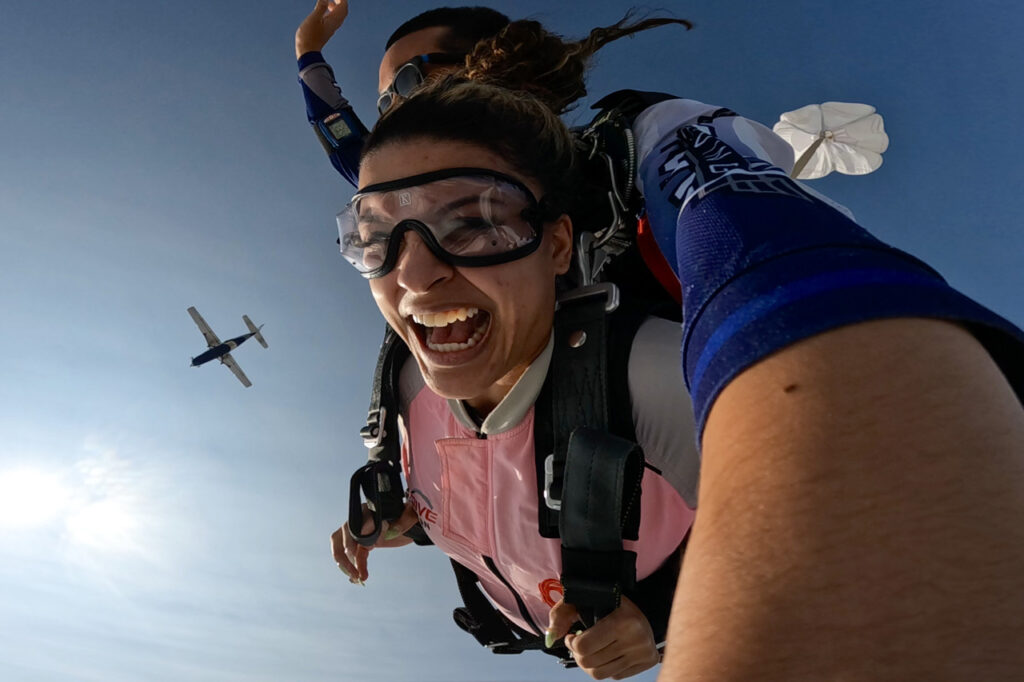
Eating a huge breakfast “for energy.” More food does not mean more energy when you’re jumping. It means more work for your digestive system at the worst possible time.
Drinking alcohol the night before or the morning of. Even a hangover can make altitude sickness and nausea significantly worse. Give yourself a clean system on jump day.
Skipping water all morning. People forget to hydrate when they’re nervous. Start drinking water as soon as you wake up.
Eating too close to the jump time. If you eat 30 to 45 minutes before your slot, that food is still digesting when you hit freefall. Give yourself at least 2 hours.
Trying new foods on jump day. New foods carry the risk of unexpected reactions. Stick with what you know works for your body.
Expert Tips from Skydivers and Instructors
Here’s what experienced jumpers and instructors consistently say:
“Eat like you’re heading to a morning workout, not a buffet. Light, clean, and familiar.”
Tandem instructors at major dropzones often tell first-timers to treat their pre-jump meal the same way athletes treat pre-competition food — fuel for performance, not comfort eating.
Some experienced skydivers swear by ginger. Ginger tea, ginger chews, or ginger candies are natural remedies for nausea and motion sickness. Many jumpers keep ginger chews in their gear bag.
Vitamin B6 has also been shown to reduce nausea in some people. If you know you have a sensitive stomach, speak with your doctor about options a day or two before.
The single most consistent advice from instructors: don’t jump hungry, and don’t jump full. Find the middle ground.
Frequently Asked Questions
Can I eat right before skydiving?
You should avoid eating within 1 to 2 hours of your jump. Your last proper meal should be 2 to 3 hours before. A very small snack like a banana is okay up to an hour before, but avoid anything heavy close to your slot time.
What if I feel sick during a skydive?
Nausea during a skydive is not uncommon, especially for first-timers. Your instructor is trained to handle it. If you feel sick in the plane, tell your instructor. Breathing slowly and focusing on the horizon can help. Vomiting during freefall or under canopy is rare but possible — which is why eating smart beforehand matters.
Is it better to jump on an empty stomach?
No. An empty stomach can cause dizziness and low blood sugar, which gets worse at altitude. You want something light and steady in your system. A small meal 2 to 3 hours before is the right approach.
Can I drink coffee before skydiving?
A small cup of coffee is generally fine. However, large amounts of caffeine on an empty stomach can increase anxiety, raise your heart rate excessively, and worsen nausea. Stick to one cup and make sure you’ve eaten something first.
What should I drink before skydiving?
Water is your best friend. Coconut water and electrolyte drinks are also great. Avoid alcohol, energy drinks, and large amounts of caffeine. Stay well-hydrated from the moment you wake up.
Can I take motion sickness medicine before skydiving?
Yes. Many people take over-the-counter motion sickness tablets like Dramamine before their jump. Check with your doctor first, especially if you’re on other medications. Take it at least an hour before your jump for best effect.
Does what I eat the night before matter?
It does. A heavy, greasy, or spicy dinner the night before can leave your digestive system sluggish the next morning. Aim for a balanced, light dinner — something like grilled chicken, rice, and vegetables.
What do experienced skydivers eat before jumping?
Most experienced jumpers keep it simple — oatmeal, eggs, toast, a banana, or yogurt. They avoid anything heavy, greasy, or unfamiliar. Many also drink ginger tea or carry ginger chews to keep nausea away.
Conclusion
Knowing what to eat before skydiving is one of the simplest ways to make sure your jump goes smoothly. It doesn’t have to be complicated. Eat light, eat familiar, eat 2 to 3 hours before your jump, and stay hydrated.
Skip the greasy fry-up. Skip the fizzy drinks. And definitely skip the alcohol.
Choose foods like oatmeal, bananas, eggs, toast, or a granola bar. Keep portions moderate. Drink water all morning. And if you’re prone to motion sickness, talk to your doctor about medication beforehand.
You’ve put in the effort to book the jump. A good pre-jump meal is the last piece of the puzzle. Get it right, and you’ll land on the ground grinning from ear to ear — not reaching for a sick bag.
Now go enjoy every second of it.
- How to prepare for your first skydive → First-time skydiving guide