
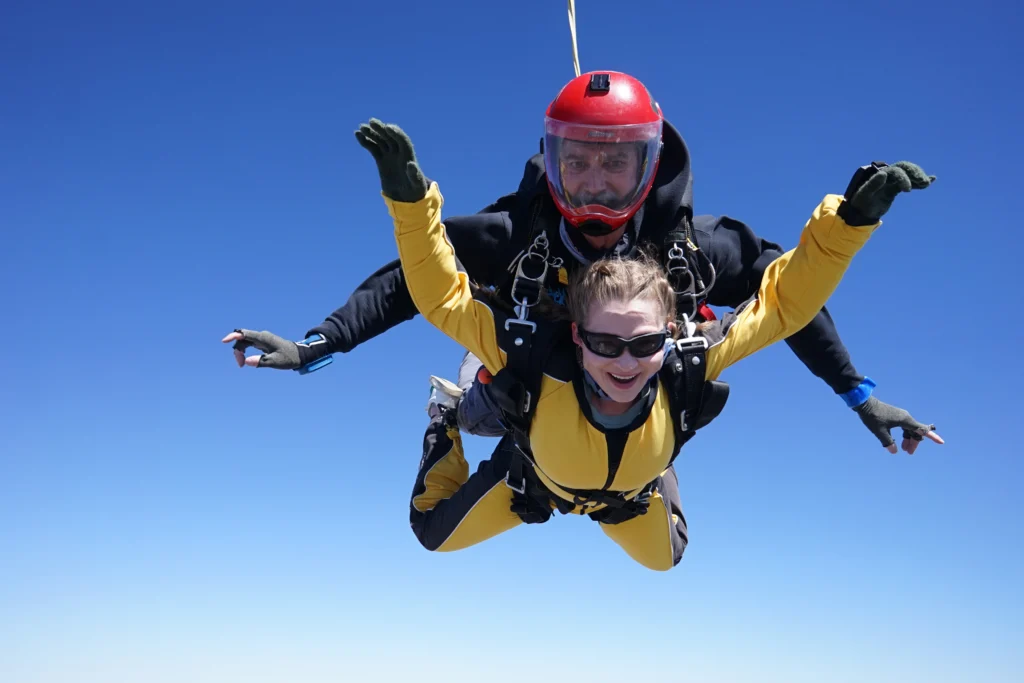
Skydiving is one of the most thrilling adventure sports in the world, but before you jump out of a plane, there’s one important thing you must understand — medical requirements.
Many first-time jumpers ask:
- Do I need a medical certificate to skydive?
- Can I skydive if I have health issues?
- What medical conditions disqualify skydiving?
- Are medical tests required in the USA?
This guide explains everything about skydiving medical requirements in the USA, including health rules, age and fitness criteria, medical conditions, and what happens if you have a pre-existing illness.
Do You Need Medical Clearance to Skydive in the USA?
In most cases, you do NOT need a medical certificate to do a tandem skydive in the United States.
However, that does not mean everyone is automatically eligible.
Most US drop zones follow guidelines set by:
- United States Parachute Association (USPA)
- Federal Aviation Administration (FAA)
- Their own safety policies
You will usually be required to:
- Fill out a medical declaration form
- Confirm that you have no serious medical conditions
- Sign a liability waiver
If you answer “yes” to certain health conditions, the drop zone may ask for doctor approval before allowing you to jump.
Basic Medical Requirements for Skydiving (USA)
While rules can vary slightly by drop zone, most follow similar health standards.
General Medical Requirements:
- Minimum age: 18 years
- Good overall physical health
- No serious heart or lung disease
- No recent surgeries
- Not under the influence of drugs or alcohol
- Ability to understand safety instructions
You do not need to be extremely fit or athletic, but you must be medically stable.
Medical Conditions That May Restrict Skydiving
Some health conditions may require doctor clearance or completely restrict skydiving.
Common Medical Conditions That Require Approval:
- Heart disease or chest pain
- High blood pressure (uncontrolled)
- Asthma or breathing disorders
- Epilepsy or seizures
- Severe back or spine problems
- Recent surgery or fractures
- History of fainting or blackouts
If you suffer from any of these, you should consult your doctor before booking a skydive.
Can You Skydive If You Have Asthma or Heart Problems?
Asthma:
- Mild, well-controlled asthma may be allowed
- Severe asthma usually requires medical clearance
- You may be asked to carry an inhaler
Heart Conditions:
- Most heart conditions require written doctor approval
- History of heart attack or surgery often disqualifies you
- High blood pressure must be controlled
Skydiving places sudden stress on the body, especially during freefall and parachute opening.
Is a Medical Test Required Before Skydiving?
In most US locations, medical tests are not mandatory for recreational tandem skydiving.
However, you may be asked for:
- Doctor’s note
- Medical fitness declaration
- Proof of recovery (if recently injured)
For professional or solo skydiving licenses, stricter medical checks may apply.
Age, Weight & Fitness Considerations
Medical requirements also depend on body condition.
Age:
- Minimum age: 18 years
- No official maximum age (if medically fit)
Weight:
- Most drop zones have limits between 200–230 lbs
- Heavier jumpers may need special approval
- Weight affects parachute performance and safety
Fitness:
You do NOT need gym-level fitness, but you must:
- Be able to lift your legs for landing
- Follow instructions quickly
- Maintain body posture during descent
What Happens If You Hide a Medical Condition?
This is extremely risky.
If you hide a medical issue:
- Insurance may deny coverage
- You may be fully responsible for medical bills
- The waiver may become invalid
- You put yourself and others in danger
If something goes wrong, you may have to pay all hospital costs yourself.
To understand how medical bills work after an accident, read:
👉 Who Pays Medical Bills After a Skydiving Accident in the USA
(Important for understanding liability and insurance responsibilities)
Does Health Insurance Cover Skydiving Injuries?
In most cases:
❌ Regular health insurance does NOT cover skydiving
❌ Many policies classify it as a “high-risk activity”
This is why many divers and skydivers opt for adventure sports insurance.
You can also read:
👉 Does Travel Insurance Cover Skydiving in the USA?
(This explains coverage limits in detail)
Final Thoughts: Is Skydiving Safe Medically?
✔ Safe for healthy individuals
✔ No medical exam required for most people
✔ Risk increases with medical conditions
✔ Always disclose health issues honestly
✔ Insurance is strongly recommended
If you’re healthy, follow instructions, and choose a certified drop zone, skydiving is generally considered safe for most people.