

When people think about high-risk activities, jumping out of a plane often tops the list. However, statistics tell a completely different story. Is skydiving really more dangerous than your daily commute?
In this guide, we break down the car vs skydiving death statistics, examining the real risks, survival rates, and why your drive to the dropzone might be the most dangerous part of your day.
The Reality of Risk: Car vs Skydiving Statistics
Most of us drive every day without a second thought, yet the fear of skydiving remains high. To understand the actual danger, we must look at the hard data.
Statistical Comparison at a Glance
| Activity | Odds of Fatality | Percentage of Safety |
| Driving a Car | 1 in 103 (Lifetime) | ~99.0% |
| Skydiving (Overall) | 1 in 220,000 (Per Jump) | 99.99% |
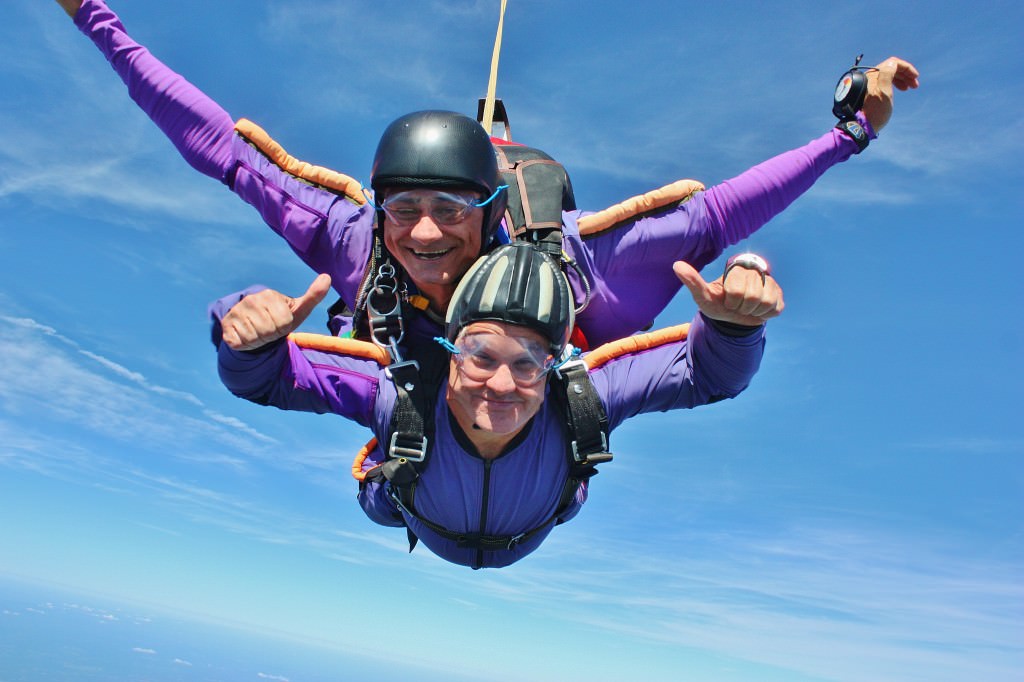
| Tandem Skydiving | 1 in 500,000 (Per Jump) | 99.999% |
The Verdict: Statistically, you are thousands of times more likely to be involved in a fatal car accident than a fatal skydiving incident. According to the National Highway Traffic Safety Administration, tens of thousands of people die on American roads annually, whereas the United States Parachute Association (USPA) reports an average of only 10–15 fatalities out of millions of jumps.
How Rare Is Dying From Skydiving?
Skydiving deaths are extremely rare in the modern era. The current fatality rate is approximately 0.39 deaths per 100,000 jumps.
To put this in perspective:
- You are more likely to be struck by lightning.
- You are more likely to be injured in your own bathroom.
- Most skydiving fatalities involve highly experienced solo jumpers attempting high-risk maneuvers; for beginners (tandem), the risk is almost negligible.
Why Skydiving is Safer Than You Think: 3 Layers of Safety
Modern technology has turned skydiving from a “daredevil” stunt into a highly regulated aviation sport.
1. Equipment Redundancy (Fail Rates)
Modern skydiving gear is built for failure—meaning, if one thing fails, there is a backup.
- Main Parachute: Opens successfully 99.9% of the time.
- Reserve Parachute: A second parachute packed by a FAA-certified rigger.
- AAD (Automatic Activation Device): A computer system that automatically deploys your reserve parachute if you reach a certain altitude at a high speed.
2. Expert Training & Certification
Tandem instructors are not just hobbyists; they are elite professionals.
- Instructors must have hundreds (often thousands) of jumps.
- They undergo rigorous written and physical examinations.
- They are trained to handle emergency scenarios that 99% of jumpers will never even encounter.
3. Strict Weather Protocols (The Risk of Rain)
Rain itself isn’t the primary danger, but it brings low clouds and unpredictable winds. Professional centers will never jump in unsafe conditions. If it’s raining or too windy, the jump is grounded—safety always comes before the thrill.
Skydiving vs Other Adventure Sports
How does it compare to other “scary” activities?
- Bungee Jumping: While safe, skydiving has more redundant safety systems (backups) than a single bungee cord.
- SCUBA Diving: Higher risks due to pressure changes and equipment misuse in deep water.
- BASE Jumping: This is not skydiving. BASE jumping is roughly 43 times more dangerous than skydiving because it lacks the altitude and backup systems of a plane jump.
Frequently Asked Questions (FAQs)
Q: Is skydiving safer than flying in a commercial plane?
A: Commercial flying is the safest form of travel. However, skydiving is statistically safer than driving to the airport to catch that flight.
Q: What percentage of people survive skydiving?
A: Over 99.99% of participants land safely. It is one of the highest survival rates in all of adventure sports.
Q: Can anyone go skydiving?
A: Most healthy adults over 18 can jump. Restrictions usually apply to pregnant women, people with certain heart conditions, or those over a specific weight limit for equipment safety.
Final Thoughts: Perception vs. Reality
The fear of skydiving is a natural human instinct, but the data is clear: The most dangerous part of skydiving is the car ride to the dropzone. If you’ve been holding back because of fear, let the statistics bring you peace of mind. With modern AAD technology and world-class instructors, there has never been a safer time to take the leap.
Ready to experience the thrill safely?
Visit Skydive Guides to find certified dropzones and expert tips for your first jump.