
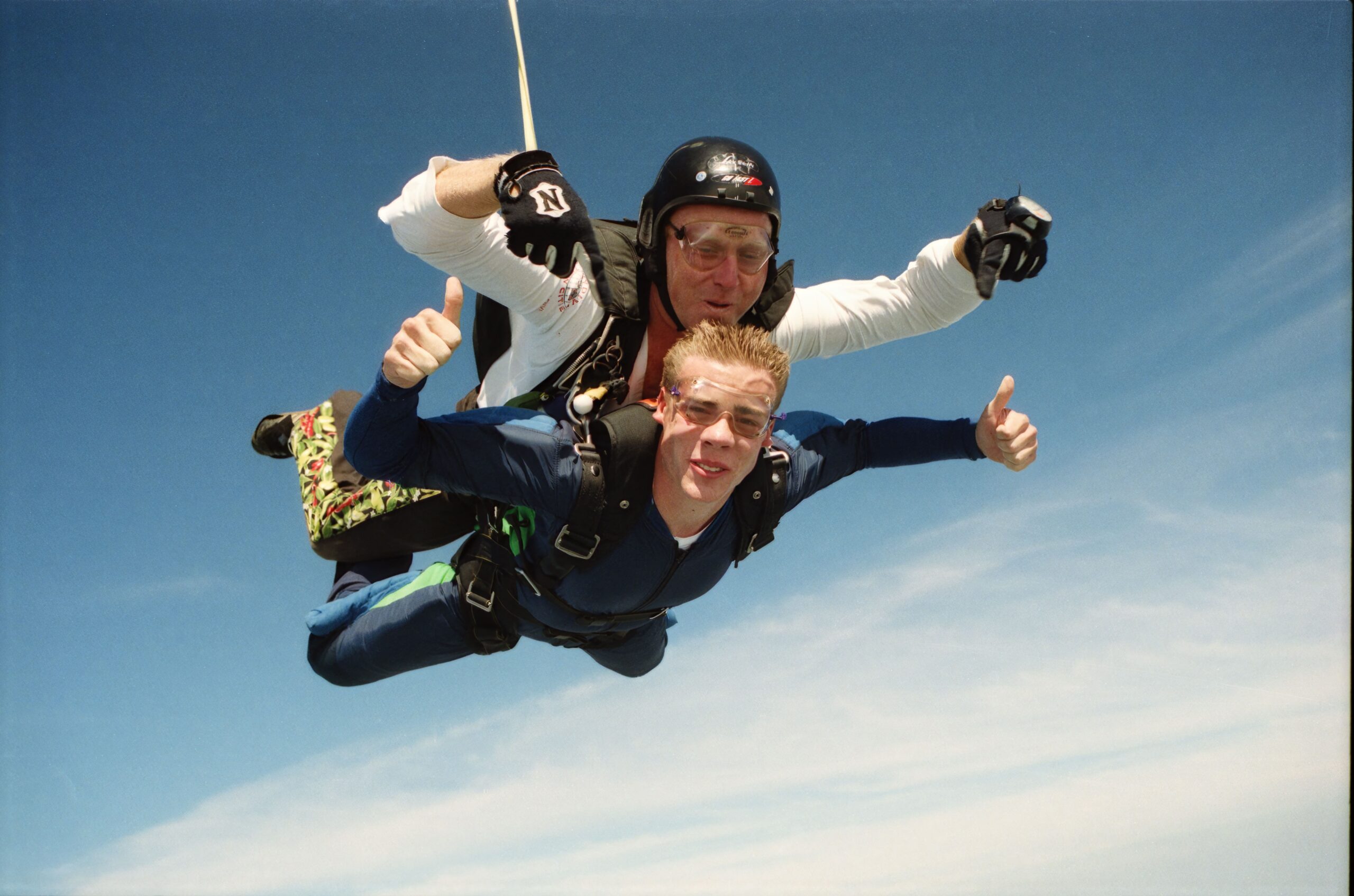
Many adventure seekers ask:
“Is skydiving riskier than other sports?”
“How does the risk of skydiving compare to things like surfing, cycling, or skiing?”
This guide breaks down skydiving vs other popular sports from a safety awareness perspective — using real risk concepts, activity differences, and context — WITHOUT promoting fear or medical claims.
We’ll look at:
✔ How risk works in different activities
✔ Why risk perception may differ from reality
✔ What safety practices exist in each sport
✔ Common misconceptions
✔ How skydiving stacks up in real-world terms
This is informational only — not legal or medical advice.
Why Risk Comparison Is Helpful
Understanding relative risk helps beginners:
- make confident decisions
- choose activities that fit their comfort levels
- understand what safety measures are in place
- separate perception vs reality
Important: Risk is not the same as fear. You can be afraid of heights and still enjoy many activities safely.
How Risk Is Measured in Sports
Risk factors in any sport are usually influenced by:
✔ frequency of participation
✔ severity of outcomes
✔ level of training
✔ gear safety
✔ environmental conditions
✔ supervision / instruction
Professional governing bodies in many sports track data and provide safety standards — this helps compare activities more fairly.
Skydiving: How It Manages Risk
Skydiving has strong safety systems and regulated protocols, including:
- certified instructors
- dual parachute systems (main + reserve)
- AAD automatic backup activation devices
- formal safety briefings
- structured landing patterns
For safety statistics, you can explore real data through our guide on:
👉 skydiving deaths per year worldwide
These numbers help compare risk more objectively than perception alone.
Cycling (Road & Mountain Biking)
Cycling — in everyday life or off-road — has risk features like:
- road traffic interactions
- speed
- surface conditions
- visibility (vehicles, obstacles)
- protective gear (helmets, pads)
Unlike skydiving, cycling happens regularly, often without professional oversight.
Many people cycle daily, so exposure frequency increases the cumulative risk, not because the activity is inherently more dangerous, but because it’s done more often.
Running & Jogging
Running seems simple, but the top risk factors include:
- overuse injuries
- joint strain
- uneven surfaces
- weather conditions
- heat exposure
Running does not require specialized safety gear or supervision, but frequent runners may face cumulative strain.
Surfing & Open-Water Sports
Surfing has its own risk ecosystem:
- waves & currents
- board impact
- hidden reefs
- other surfers nearby
Surf safety includes:
✔ lifeguard presence
✔ local knowledge
✔ board leashes
✔ wetsuits for warmth and buoyancy
Unlike skydiving, surfing is more continuous physical immersion. The risks occur over time, not in a single controlled episode.
Skiing & Snowboarding
Skiing involves hazards like:
- high speeds
- bumps and moguls
- collisions with obstacles or people
- variable snow & ice conditions
Safety tools include:
✔ helmets
✔ avalanche beacons (in backcountry)
✔ course patrols
✔ lessons for beginners
Like skydiving, skiing can be supervised and skill-based, but it occurs in varying conditions and often repeatedly (season after season).
Skydiving vs Sports Risk: Side-by-Side Awareness
| Activity | In-Event Safety Protocols | Gear Redundancy | Instruction Supervision | Exposure Frequency |
|---|---|---|---|---|
| Skydiving | Structured protocols & briefings | Main + reserve + AAD | Required certified instructor | Low (few jumps/year) |
| Cycling | Road rules + helmets | Helmet only | Optional training | High (daily/weekly) |
| Running | Surface & body control | Shoes | Optional coaching | Very high |
| Surfing | Local awareness | Wetsuit + leash | Optional lessons | Medium |
| Skiing | Patrol & slope rules | Helmets + bindings | Optional lessons | Seasonal |
Note: This chart is for general awareness and not medical or statistical claims.
Why Frequency Matters
A sport done daily is more likely to show more accidents in aggregate, but that doesn’t necessarily make it more dangerous per session.
Example:
- A runner may train 200 times/year
- A skydiver may jump 10 times/year
Both have different exposure levels.
Why Skydiving Feels Risky But Is Well-Structured
Skydiving looks scary because:
✔ you’re high above the ground
✔ the jump is dramatic
✔ freefall seems intense
But from a risk-management perspective:
✔ tandem students have instructor control
✔ dual parachute systems ensure backups
✔ AAD adds digital redundancy
✔ safety briefings reduce uncertainty
✔ certified dropzones enforce standards
In many ways, skydiving’s risk management systems are explicitly structured versus some everyday sports where safety protocols are implicit or optional.
Safety Practices Beginners Should Follow
No matter what sport you choose, good risk control includes:
✔ appropriate gear
✔ professional instruction
✔ calm awareness
✔ no skipping safety steps
✔ following rules & guidelines
This is true for skydiving, cycling, skiing, surfing, and more.
Frequently Asked Questions
Is skydiving more dangerous than cycling?
Risk depends on exposure and safety measures. Skydiving has structured safety protocols; cycling has variable traffic and road conditions.
Is skydiving riskier than running?
Skydiving involves a single controlled professional event; running exposes joints and muscles repeatedly over time.
Is snowboarding safer than skydiving?
Both have safety systems, but snowboarding risks vary with conditions and skill levels.
Does gear make skydiving safer than other sports?
Yes — redundancy in safety gear (reserve parachutes + AAD) is unique to skydiving.
Should beginners be afraid to try skydiving?
Fear is natural, but safety systems and instructor oversight help manage risk for beginners.
Final Thoughts: Risk Comparison Based on Reality, Not Assumptions
Risk isn’t a single number — it’s a combination of exposure, gear, supervision, and safety practices.
Skydiving may look dramatic, but modern practices make it much more controlled than people assume.
It’s not about fear — it’s about understanding the safety design of each activity and making informed decisions.