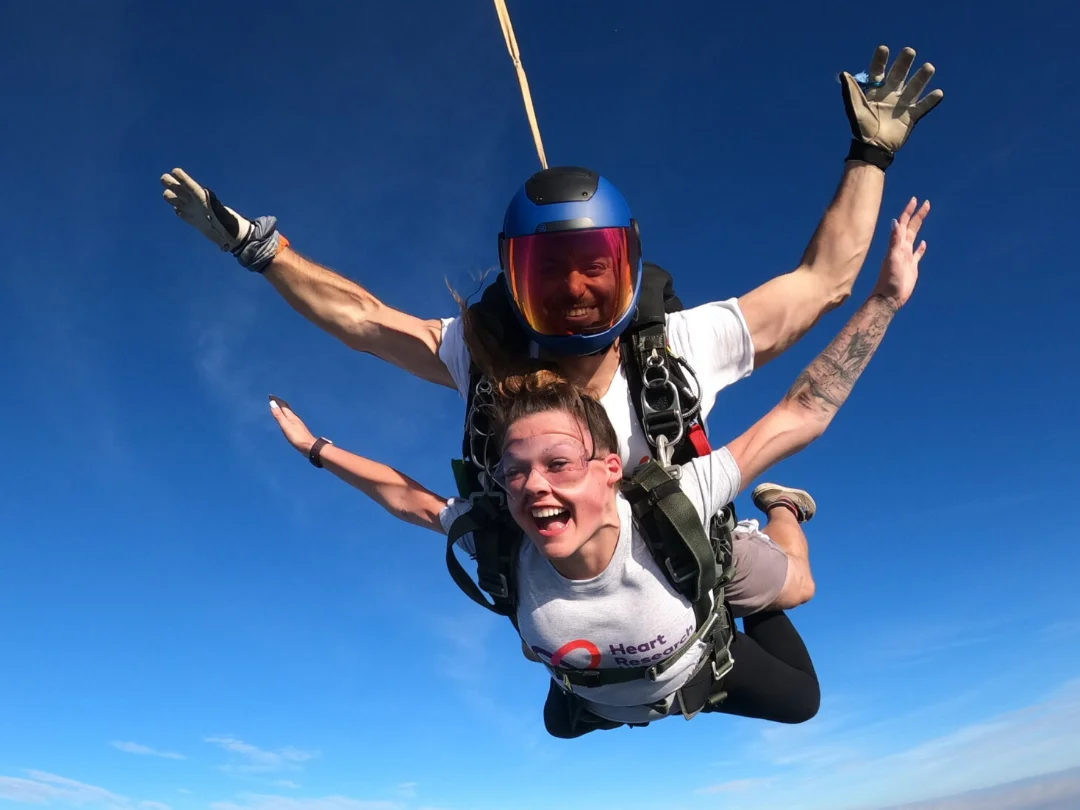


Standing at your computer screen, finger hovering over the “Book Now” button, you pause. The number staring back at you seems steep for just a few minutes of activity. Three hundred dollars to jump out of an airplane. Is it really worth it? What are you actually paying for? And more importantly, could you find it cheaper somewhere else without compromising your safety?
- What You’re Actually Paying For When You Book A Skydive
- The Average Price Range Across Different Locations
- Why Some Dropzones Cost More And It Matters
- The Add-Ons That Can Double Your Total Cost
- Smart Strategies To Save Money Without Sacrificing Safety
- What About Learning To Jump Solo
- Understanding International Price Differences
- How Video Packages Work And Whether You Need One
- The Hidden Costs First-Time Jumpers Don’t Expect
- Making Your Decision With Confidence
- Frequently Asked Questions About Skydiving Costs
- How much should I expect to pay for my first tandem skydive?
- What does the advertised price actually include?
- Is video worth the extra one hundred to two hundred dollars?
- How can I save money without compromising safety?
- Why do prices vary so much between different dropzones?
- Should I tip my tandem instructor?
- What are the hidden costs I should budget for?
- How much does it cost to become a licensed solo skydiver?
- Are cheaper dropzones less safe than expensive ones?
- What’s the best time of year to find deals on skydiving?
I’ve been exactly where you are right now. Three summers ago, I spent weeks researching skydiving prices across different states, calling dropzones, reading reviews, and trying to understand why the same activity cost two hundred dollars in one place and four hundred dollars in another. My sister thought I was overthinking it. My best friend told me to just pick the cheapest option and be done with it. But something told me there was more to the story than just finding the lowest price.
After visiting nine different dropzones, interviewing instructors, watching hundreds of jumps, and eventually completing my own tandem skydive followed by getting my skydiving license, I learned that the cost of a parachute jump tells you a story. It’s not just a number. It reflects the quality of instruction you’ll receive, the condition of equipment you’ll use, the experience level of your instructor, and the safety culture of the operation. Understanding these factors can help you make a smart choice that balances affordability with safety and quality.
What You’re Actually Paying For When You Book A Skydive
Let me break down something that most dropzones don’t explain clearly on their websites. When you pay for a tandem skydive, you’re not just buying a ticket for an airplane ride and a parachute rental. You’re investing in a complex operation that involves highly trained professionals, sophisticated equipment, and extensive safety systems.
Your tandem instructor didn’t just wake up one day and decide to start taking people skydiving. They spent years earning their basic skydiving license first, completing at least two hundred jumps on their own before they could even begin tandem instructor training. Then they went through additional specialized training that cost them thousands of dollars. They had to demonstrate perfect technique, pass written exams, and prove they could handle emergency situations calmly and correctly. The person strapped to your back has made a serious investment in becoming qualified to keep you safe.
The aircraft you’ll ride in is specifically modified for skydiving operations. It needs constant maintenance, inspections, and repairs. Aviation fuel isn’t cheap either, especially when you’re climbing to altitudes of ten thousand to fifteen thousand feet multiple times per day. The pilot is a certified professional who specializes in flying skydivers, managing the specific challenges of altitude climbs and coordinating multiple aircraft in the same airspace.
Then there’s the parachute system itself. A modern tandem parachute rig costs between twelve thousand and fifteen thousand dollars brand new. These systems require regular inspections, maintenance, and eventual replacement of components that wear out. The reserve parachute inside your rig must be inspected and professionally repacked every six to twelve months by a certified parachute rigger, which costs around one hundred fifty dollars each time.
Your jump also includes liability insurance, which is a significant expense for any skydiving operation. The dropzone maintains facilities including hangars, packing areas, training rooms, and landing zones. They employ ground crew who pack main parachutes, coordinate loads, handle paperwork, and ensure operations run smoothly. All of these elements contribute to the price you pay.
Understanding this helps explain why skydiving costs what it does. You’re not being overcharged. You’re paying for a professional operation that takes safety seriously and employs qualified people using quality equipment. When you look at it from this perspective, the cost starts to make more sense.
The Average Price Range Across Different Locations
Now let’s talk actual numbers. In the United States, most tandem skydives fall within a relatively predictable range, though there are definitely outliers on both ends. Understanding what’s typical helps you identify fair pricing versus operations that might be cutting corners or overcharging.
The national average for a basic tandem skydive from around ten thousand feet sits somewhere between two hundred forty and three hundred twenty dollars. This is the standard jump that most first-timers book. You get ground training, gear, your instructor’s services, the aircraft ride, and the jump itself. No video, no extra altitude, just the core experience.
If you want to jump from higher altitude, typically thirteen thousand to fifteen thousand feet, expect to add another forty to eighty dollars to the base price. The extra altitude gives you significantly more freefall time, usually around sixty seconds instead of thirty seconds. For many people, this extended freefall is absolutely worth the additional cost. You get twice as long to experience the sensation of flying through the air, and the views from higher altitude are even more spectacular.
Geographic location plays a massive role in pricing. Urban dropzones near major metropolitan areas typically charge more because their operating costs are higher. A dropzone near Los Angeles, New York, or Chicago might charge three hundred fifty to four hundred fifty dollars for a standard jump. They’re paying premium prices for land, dealing with higher wages to attract staff, and operating in more expensive airspace with busier air traffic.
Rural dropzones in less populated areas often offer more competitive pricing. You might find excellent operations in places like rural Pennsylvania, upstate New York, or small towns in the Midwest charging two hundred to two hundred seventy dollars for the same quality experience. The instruction is just as good, the equipment is just as safe, and the views can be even more beautiful. You’re simply jumping where real estate and operating costs are lower.
Tourist destinations represent another pricing category altogether. Dropzones near major attractions like the Grand Canyon, Hawaiian islands, or near Disney World know they’re serving a captive audience. Visitors in these areas might only have one chance to skydive, so they’re less price-sensitive. Expect to pay three hundred fifty to five hundred dollars or more in these premium locations. You’re paying for convenience and sometimes truly spectacular scenery, but you’re definitely paying a tourist premium.
Seasonal pricing exists at many dropzones too. Peak season typically runs from late spring through early fall when weather is most reliable. Some operations charge ten to fifteen percent more during these busy months. Off-season discounts might be available in late fall, winter, or early spring if you’re jumping in a climate where year-round operations are possible. Weekends also tend to cost more than weekdays because demand is higher.
Why Some Dropzones Cost More And It Matters
Here’s where I need to have a serious conversation with you about the relationship between price and safety. While I absolutely believe there are ways to find good deals without compromising safety, the cheapest option isn’t always the smartest choice when you’re literally trusting your life to an organization.
The skydiving industry as a whole maintains high safety standards, but there are still variations in how individual dropzones operate. A dropzone charging significantly below market rates should prompt you to ask questions. What are they doing differently? Are they using older equipment? Do they have less experienced instructors? Are they cutting corners on maintenance? Are they operating older aircraft that cost less but might be less reliable?
Higher prices often reflect genuine differences in quality. A dropzone investing in the newest parachute systems, maintaining multiple backup aircraft, hiring instructors with thousands of jumps instead of just the minimum qualifications, and implementing strict safety protocols beyond the basic requirements will have higher operating costs. They pass some of those costs on to customers, but you benefit from the enhanced safety and quality.
Equipment age and condition matter. Modern parachutes open more reliably, fly more predictably, and land more gently than older designs. Automatic activation devices from the last five years are more sophisticated than older models. Newer aircraft climb faster and operate more reliably. A dropzone that charges more might be reinvesting that money into keeping their equipment current.
Instructor experience varies dramatically across the industry. The minimum qualification to become a tandem instructor is about two hundred solo jumps. Some dropzones hire instructors at this minimum level because they’re less expensive. Other dropzones only employ instructors with five hundred, one thousand, or more jumps. When things go wrong, experience matters enormously. An instructor with two thousand jumps has seen and handled situations that someone with two hundred jumps hasn’t encountered yet.
Safety culture is harder to quantify but incredibly important. Some dropzones have a conservative, safety-first culture where instructors are empowered to refuse jumps in marginal weather or with customers who seem impaired or unprepared. Other operations prioritize making money and push instructors to take people up even when conditions aren’t ideal. The dropzones with stronger safety cultures might charge slightly more because they turn away some business, but that culture protects you.
This doesn’t mean expensive automatically equals safer. There are absolutely affordable dropzones that maintain excellent safety records by operating efficiently in areas with lower costs. What I’m saying is that rock-bottom pricing should make you do extra research. Check if they’re members of the United States Parachute Association. Read recent reviews carefully, paying attention to comments about equipment condition and safety procedures. Ask about instructor qualification levels and aircraft maintenance schedules. A reputable operation will answer these questions happily and transparently.
For context on how safe skydiving really is when done properly, research shows that modern tandem skydiving has excellent safety statistics, with risks comparable to many activities people do without concern. Understanding the actual safety profile helps you make informed decisions about where to jump.
The Add-Ons That Can Double Your Total Cost
Here’s where I made my biggest mistake on my first jump, and I want to help you avoid the same regret. I booked my jump focusing only on the base price, not really paying attention to the add-ons. When I arrived at the dropzone and saw all the options available, I ended up spending almost double what I had budgeted for. Some of those additions were worth it. Others, not so much.
The biggest and most popular add-on is video and photo documentation of your jump. These packages typically range from ninety dollars on the low end to two hundred fifty dollars for premium packages. The basic package might include just video or just photos. Mid-tier packages include both video and photos. Premium packages add features like professional editing, multiple camera angles, same-day delivery, and high-resolution downloads.
A dedicated videographer or photographer jumps with you specifically to capture your experience. They exit the aircraft right after you, track across the sky to film you in freefall, and sometimes even land near you to capture your reaction immediately after touchdown. The footage becomes a memento of one of the most significant experiences of your life.
Most first-time jumpers get the video package, and most of them are glad they did. When you’re in freefall, everything happens so fast that it’s genuinely hard to process and remember everything. The video lets you relive the experience, show your friends and family, and see what you actually looked like flying through the sky. Years later, that video remains valuable and meaningful.
However, video isn’t essential to having an amazing experience. If you’re on a tight budget, you can absolutely skip it and still have a fantastic jump. The memories, the adrenaline, and the sense of accomplishment don’t require a camera. Some people actually prefer experiencing the jump without worrying about cameras or performing for them. They just want to be present in the moment.
One strategy I recommend is skipping video on your first jump and saving that money toward a second jump. Many people discover they want to jump again after their first experience. If you jump twice, you might get video on your second jump when you’re less overwhelmed and can enjoy the experience more fully. This spreads the cost across two experiences instead of loading it all onto one.
Other potential add-ons include merchandise like t-shirts, hoodies, or hats, typically costing twenty to forty dollars. Some dropzones offer printed certificates or photo prints for an additional fifteen to thirty dollars. Rush processing fees might apply if you want your video delivered the same day rather than within a week. These smaller charges add up quickly if you’re not paying attention.
Weekend surcharges are common at some dropzones, adding fifteen to thirty dollars to your jump cost if you book a Saturday or Sunday slot. Peak season rates might be ten to twenty percent higher than off-season rates. Group photo packages or special formations might cost extra. Always ask for a complete breakdown of total costs including all potential add-ons before you commit to booking.
Smart Strategies To Save Money Without Sacrificing Safety
You don’t need to pay full price to get a safe, high-quality skydiving experience. There are legitimate ways to reduce your costs that don’t involve choosing questionable operations or accepting lower safety standards. These strategies come from years of watching smart consumers navigate the industry successfully.
The easiest money-saving strategy is jumping on weekdays instead of weekends. Many dropzones offer lower prices Monday through Friday because they’re trying to fill aircraft during slower periods. You might save thirty to sixty dollars simply by taking a day off work to jump on a Wednesday instead of going on Saturday. The quality of your experience will be identical, you’re just jumping when fewer other people want to.
Off-season discounts represent another opportunity if you’re jumping somewhere with year-round operations. Late fall and early spring can be great times to jump at reduced prices. The weather might be slightly cooler, but the experience is just as thrilling. Some dropzones in warm climates offer winter specials trying to attract customers during their slower months.
Group bookings almost always receive discounts. If you bring three or more people, many dropzones will reduce the per-person price by twenty to fifty dollars each. This benefits the dropzone because they can fill their aircraft more efficiently, and they share those savings with you. Jumping with friends or family also makes the experience more memorable and gives you people to process the experience with afterward.
Skipping the video package saves the most money, typically ninety to two hundred dollars. As discussed earlier, video is wonderful but not essential. If you’re budget-conscious, this is the easiest cut to make. You can always get video on a future jump if you decide to go again, and many people do jump multiple times once they’ve experienced it.
Looking for dropzones slightly further from major cities can yield significant savings. If you’re willing to drive an extra hour, you might find operations charging fifty to one hundred dollars less than urban dropzones. The extra gas money is minimal compared to the savings on the jump itself. Just make sure you’re researching safety records and customer reviews, not just choosing based on distance and price.
Email lists and social media following can alert you to special promotions. Many dropzones run occasional sales tied to holidays, birthdays, or slow periods. Black Friday specials, New Year promotions, or mid-week deals pop up regularly. Sign up for notifications from dropzones you’re interested in so you’ll know about these opportunities.
Some dropzones offer student discounts, military discounts, or birthday specials. Always ask about any special rates you might qualify for. The worst they can say is no, and you might save twenty to forty dollars just for asking. Birthday jumps sometimes come with small discounts or free add-ons like t-shirts or certificates.
Payment plans exist at some dropzones, particularly for more expensive jumps or training programs. While this doesn’t reduce the total cost, it can make skydiving more accessible if you can’t come up with the full amount at once. Ask about financing options when booking if affordability is a concern.
What About Learning To Jump Solo
If you’re thinking beyond just a one-time tandem experience and actually want to learn to skydive independently, the cost structure changes entirely. This is a much bigger financial commitment, but it opens up an incredible sport that you can pursue for years or even decades.
The most common training pathway is the Accelerated Freefall program, usually called AFF. This comprehensive course takes you from complete beginner to licensed solo skydiver through a series of progressive training jumps. The total cost typically ranges from three thousand to four thousand five hundred dollars depending on the dropzone and region.
That price includes everything you need to earn your A license, which is the basic certification that allows you to jump independently. You’ll get extensive ground school instruction covering equipment, safety, emergency procedures, weather, and regulations. The program includes seven to ten jumps with instructors who jump alongside you, providing coaching and ensuring your safety. Equipment rental is included for these training jumps. You’ll also receive all the coaching and instruction needed to pass your certification requirements.
Breaking down the per-jump cost, you’re paying three hundred to four hundred dollars per training jump, which is more than a tandem because you have two instructors jumping with you initially and one instructor on later jumps. As you progress, the per-jump cost decreases. By your final certification jumps, you’re essentially paying normal jump prices plus coaching fees.
Many dropzones offer payment plans for AFF training, allowing you to spread the cost over several months. This makes the training more accessible since coming up with four thousand dollars at once is challenging for many people. Some programs let you pay jump by jump, though the total cost is usually slightly higher than paying upfront.
Once you’re licensed, individual jumps become much more affordable. Lift tickets, which is just the cost of the airplane ride to altitude, typically run twenty-five to forty-five dollars depending on the altitude and dropzone. If you own your own equipment, that’s your only cost per jump. If you’re renting equipment, add another forty to sixty dollars per day for gear rental.
The major investment after training is buying your own equipment. A complete parachute system including main canopy, reserve canopy, container, automatic activation device, and accessories costs between five thousand and nine thousand dollars for new gear. Used equipment can reduce this to three thousand to six thousand dollars, but you need to be very careful buying used gear and should always have it inspected by a certified rigger before using it.
Despite these upfront costs, many licensed skydivers find the sport quite affordable long-term. Once you own gear, you can jump multiple times in a day for just the cost of lift tickets. Jump ten times in a weekend, and you’re paying three hundred to four hundred dollars total, which breaks down to just thirty to forty dollars per jump. Compare that to other adventure sports where every experience costs hundreds of dollars.
Ongoing costs include equipment maintenance, with reserve parachute repacks required every six to twelve months costing around one hundred to one hundred fifty dollars. Your automatic activation device needs service every few years at about one hundred fifty to two hundred dollars. Main parachute repacks, if you don’t pack your own, cost about ten to fifteen dollars each. These maintenance costs are manageable when spread across hundreds of jumps.
Understanding International Price Differences
If you’re traveling abroad or considering doing your first jump while on vacation internationally, pricing varies significantly based on the country and local economic conditions. Understanding these differences helps you make informed decisions about where to jump.
In many developing countries, skydiving costs substantially less than in the United States or Europe. Popular destinations like Thailand, Mexico, Philippines, or parts of South America might offer tandem jumps for one hundred fifty to two hundred fifty dollars. The lower cost primarily reflects lower operating expenses, lower wages, and different economic conditions rather than lower safety standards.
That said, when jumping internationally, you need to do even more homework about safety standards and regulations. Different countries have different oversight of skydiving operations. Some have robust safety regulations similar to the United States, while others have minimal oversight. Look for dropzones that follow international standards set by organizations like the International Parachuting Commission.
European skydiving tends to be priced similarly to or slightly higher than United States operations. A tandem jump in the United Kingdom, Germany, or France typically costs two hundred fifty to four hundred dollars. These countries have well-established skydiving industries with strong safety cultures and good training standards. The slightly higher prices reflect the higher cost of living and operating expenses in these regions.
Australia and New Zealand have thriving skydiving scenes with prices generally ranging from three hundred to four hundred fifty dollars for tandem jumps. These operations typically maintain excellent safety standards and offer spectacular scenery, from the Great Barrier Reef to the Southern Alps. The strong safety culture in these countries makes them excellent choices for international jumping.
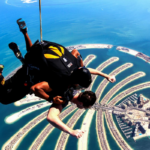
Some of the world’s most expensive jumps are in exotic or exclusive locations. Jumping over the Palm Jumeirah in Dubai can cost upwards of six hundred dollars. Skydiving in Switzerland with Alpine views might run five hundred dollars or more. These premium prices reflect both the extraordinary scenery and the exclusive nature of these locations.
When jumping internationally, research the specific dropzone thoroughly. Look for operations affiliated with recognized international skydiving organizations. Check for instructor certifications from recognized bodies like USPA, British Parachute Association, or equivalent national organizations. Read recent reviews from other international visitors. Don’t let a low price tempt you into jumping with an operation that doesn’t meet proper safety standards.
Currency exchange rates can work in your favor or against you. A strong dollar makes international jumping more affordable in many countries. A weak dollar makes it more expensive. Factor in your total trip costs, including flights and accommodation, when deciding whether to jump domestically or internationally.
How Video Packages Work And Whether You Need One
Since video represents the single biggest optional expense for most first-time jumpers, it deserves a deeper examination. Understanding what you’re getting, what the different packages include, and how to decide if it’s worth it helps you make an informed choice.
The basic video package at most dropzones includes digital video of your entire experience from boarding the aircraft through landing. A videographer or photographer jumps with your group specifically to capture footage. They film you during the climb to altitude, your exit from the aircraft, your freefall, canopy ride, and landing. You’ll receive the edited footage, usually within a few days to a week.
Mid-tier packages add still photos pulled from the video or taken with a second camera. You might get fifty to one hundred high-resolution images showing different moments of your jump. These photos are great for social media, framing, or sharing with family. The combination of video and photos gives you comprehensive documentation of your experience.
Premium packages include professional editing with music, titles, and multiple camera angles. Some dropzones use multiple videographers or cameras to capture your jump from different perspectives. Same-day or next-day delivery might be included. The highest-end packages sometimes include follow-up footage of you watching your video for the first time, creating a complete narrative of your experience.
Prices for these packages typically break down like this. Basic video-only packages start around ninety to one hundred twenty dollars. Video plus photos packages run one hundred fifty to one hundred eighty dollars. Premium professionally edited packages with multiple angles cost two hundred to two hundred fifty dollars. Some dropzones offer different tiers, while others have one standard package.
The videographer jumping with you is usually an experienced skydiver who has specialized in this type of work. They exit the aircraft shortly after you, track across the sky to position themselves in front of you, and film while maintaining their own stability and safety. It’s a skilled job that requires both technical skydiving ability and filming expertise.
Whether video is worth it depends on your personal priorities and financial situation. Arguments in favor include having a permanent record of a once-in-a-lifetime experience, being able to share it with people who matter to you, and seeing yourself from perspectives you can’t see during the actual jump. Many people say the video helped them remember and process details they missed in the overwhelming rush of the actual experience.
Arguments against include the significant cost, the fact that you’ll have vivid memories regardless of video, and the reality that the experience itself is what matters, not the documentation of it. Some people feel that worrying about cameras detracts from being fully present in the moment. Others simply can’t justify spending an extra one hundred fifty to two hundred dollars on video when they’re already stretching to afford the jump itself.
My personal recommendation, having jumped both with and without video, is this. If you can comfortably afford it without financial stress, get the video. You’ll likely treasure it for years. If spending the extra money means going into debt or significantly delaying your jump, skip it. The experience itself is valuable regardless of documentation. You can always jump again later and get video on your second jump when you’re less overwhelmed and might even appreciate the footage more.
One creative option is splitting video costs with others jumping in your group. If several of you are jumping together, you might be in each other’s videos. Sometimes one or two people getting video packages captures enough footage that everyone benefits from seeing it later. Discuss this option with your group when booking.
The Hidden Costs First-Time Jumpers Don’t Expect
Beyond the obvious costs we’ve already discussed, there are several smaller expenses that catch first-time jumpers by surprise. Being aware of these ahead of time helps you budget accurately and avoid that sinking feeling when your total comes out higher than expected.
Gratuity for your tandem instructor is customary at most dropzones, similar to tipping a guide on any adventure activity. While not technically required, most people tip their instructor twenty to fifty dollars depending on the quality of the experience and their overall satisfaction. Your instructor just kept you safe through one of the most intense experiences of your life, so showing appreciation is appropriate.
Transportation costs can add up if you’re traveling to a dropzone. Many operations are located in rural areas away from major cities. Factor in gas money or the cost of a rental car if you’re flying to a skydiving destination. Some dropzones are an hour or two drive from major metropolitan areas, making this a meaningful expense.
Accommodation costs apply if you’re traveling from far away or if weather delays your jump. Skydiving is weather-dependent, and you might book a jump for Saturday only to have it postponed to Sunday due to clouds or wind. If you’re from out of town, this means an extra night in a hotel. Build some flexibility into your travel plans and budget for potential delays.
Food and beverages at the dropzone can be more expensive than you expect. Many dropzones have cafes or snack bars, but being captive markets, they don’t always offer competitive pricing. Bring your own snacks and drinks if you want to save money, though be mindful of dropzone policies about outside food.
Additional activity fees might surprise you if you’re visiting a dropzone that offers multiple experiences. Some locations have wind tunnels, simulators, or other attractions that tempt you while you’re there. Budget accordingly if you think you might be interested in these additional experiences.
Parking fees apply at some dropzones, particularly those near tourist areas or operating on leased land where they don’t control parking arrangements. This is usually just five to ten dollars, but it’s an annoying surprise if you weren’t expecting it.
Photo prints and physical media cost extra at most dropzones. Your video package includes digital files, but if you want DVD copies, thumb drives, or printed photos, there are additional charges. These typically range from ten to thirty dollars per item.
Gear rental for subsequent jumps is a cost many people don’t think about if they decide to jump again. Your tandem jump includes all equipment, but if you come back to do another tandem or to start training, you’ll pay rental fees for jumpsuits, altimeters, helmets, and goggles. These usually run about twenty to thirty dollars per day.
Making Your Decision With Confidence
After absorbing all this information about costs, add-ons, safety considerations, and value propositions, how do you actually make your decision about whether to book a jump and where to do it? Let me offer some practical guidance based on what I’ve learned from my own experience and from talking with hundreds of other first-time jumpers.
Start by determining your realistic budget including all potential costs. Don’t just budget for the base jump price. Add video if you want it, factor in transportation costs, budget for tipping your instructor, and include money for food and unexpected expenses. Having a realistic total budget prevents unpleasant surprises and helps you choose an appropriate dropzone.
Research multiple dropzones in your area or in areas you’re willing to travel to. Don’t just compare prices. Look at their safety records, read recent reviews, check their USPA membership status, and get a feel for their operation through their website and social media. Call them with questions and pay attention to how they respond. A professional, patient, informative response is a good sign.
Prioritize safety and quality over price savings. The difference between a two hundred fifty dollar jump and a three hundred dollar jump is only fifty dollars. That fifty dollars might represent important differences in equipment quality, instructor experience, or safety culture. Don’t choose the cheapest option unless you’ve verified they maintain the same standards as more expensive alternatives.
Consider the total experience, not just the jump itself. Some dropzones have beautiful facilities, friendly atmospheres, and scenic locations that enhance the overall experience. Others are more bare-bones operations focused on getting jumpers in and out efficiently. Think about what kind of experience you want and choose accordingly.
Be honest with yourself about your priorities. If video is really important to you and you’ll regret not having it, include it in your budget from the start. If you’re genuinely okay without it, save the money. If altitude and freefall time matter more than amenities, prioritize that. There’s no wrong choice, only the choice that matches your personal preferences.
Don’t let fear of the unknown prevent you from doing something you genuinely want to do. Many people spend years thinking about skydiving but never do it because they’re worried about cost, safety, or whether it’s worth it. The people who actually make the jump almost universally say they wish they had done it sooner. If this is something calling to you, find a way to make it happen rather than putting it off indefinitely.
Trust your gut feeling about the dropzone and the people you interact with. If something feels off during your research or when you arrive at the facility, it’s okay to back out. There are plenty of reputable dropzones out there, and you should jump somewhere that feels right to you. Your intuition about safety and professionalism is valuable.
Remember that this is an investment in an experience and memory that will last your lifetime. Compare the cost to other ways you spend money on entertainment, experiences, or personal growth. A few hundred dollars spent on skydiving often provides more lasting value than the same money spent on routine purchases that quickly fade into the background of daily life.
Frequently Asked Questions About Skydiving Costs
How much should I expect to pay for my first tandem skydive?
For a basic tandem jump from ten thousand to thirteen thousand feet, expect to pay between two hundred forty and three hundred fifty dollars in most parts of the United States. Urban areas and tourist destinations typically charge more, while rural dropzones often offer lower prices. This base price includes ground training, equipment, your instructor, aircraft ride, and the jump itself but does not include video or other add-ons.
What does the advertised price actually include?
The advertised tandem skydive price typically includes your ground training session, all necessary equipment including parachute system and jumpsuit, your tandem instructor’s services, the aircraft ride to altitude, and the actual jump. It does not usually include video or photo packages, merchandise, certificates, gratuity for your instructor, or other add-ons. Always confirm exactly what’s included when booking to avoid surprises.
Is video worth the extra one hundred to two hundred dollars?
This depends on your personal priorities and budget. Many people treasure having video of their first jump to relive the experience and share with others. The video captures details and perspectives you can’t see during the jump itself. However, if budget is tight, you can absolutely have an amazing, memorable experience without video. Consider skipping video on your first jump and getting it on a second jump if you decide to go again.
How can I save money without compromising safety?
Jump on weekdays instead of weekends, look for off-season discounts, book as a group for group rates, skip the video package, and consider dropzones slightly further from major cities. Sign up for email lists to learn about special promotions. Always verify safety credentials and reviews rather than choosing solely based on lowest price. The difference between a good deal and a cheap operation lies in their safety record and standards.
Why do prices vary so much between different dropzones?
Prices reflect differences in operating costs, location, equipment quality, instructor experience, and altitude. Urban dropzones have higher overhead costs. Tourist destinations charge premium prices. Higher altitude jumps require more fuel. Newer equipment and more experienced instructors cost more to maintain and employ. Geographic location significantly impacts real estate costs, wages, and operating expenses.
Should I tip my tandem instructor?
Tipping your tandem instructor is customary at most dropzones, similar to tipping guides for adventure activities. Most people tip twenty to fifty dollars depending on their experience and satisfaction. While not technically required, your instructor just kept you safe through an intense experience and showing appreciation is appropriate. Ask at the dropzone about their tipping customs if you’re unsure.
What are the hidden costs I should budget for?
Beyond the base jump price and optional video package, budget for instructor gratuity, transportation to the dropzone, possible accommodation if weather delays your jump, food and drinks, potential parking fees, and any merchandise you might want. If jumping with a group, you might want to budget for celebratory dinner or drinks afterward. Having an extra one hundred to one hundred fifty dollars beyond your expected costs provides a comfortable buffer.
How much does it cost to become a licensed solo skydiver?
Accelerated Freefall training to earn your basic skydiving license typically costs between three thousand and four thousand five hundred dollars. This includes ground school, seven to ten training jumps with instructors, equipment rental during training, and coaching through certification. Many dropzones offer payment plans. After licensing, individual jumps cost twenty-five to forty-five dollars for the aircraft ride if you own equipment.
Are cheaper dropzones less safe than expensive ones?
Not necessarily, but rock-bottom pricing should prompt extra research. Many affordable dropzones maintain excellent safety records by operating efficiently in areas with lower costs. However, prices significantly below market rate might indicate older equipment, less experienced instructors, or cost-cutting in important areas. Always verify USPA membership, check recent reviews, and ask about instructor qualifications and equipment maintenance regardless of price.
What’s the best time of year to find deals on skydiving?
Late fall, winter, and early spring often offer the best deals at dropzones in climates with year-round operations. Weekdays are almost always cheaper than weekends. Some dropzones run special promotions around Black Friday, New Year, or during slow periods. Sign up for email lists from dropzones you’re interested in to receive notifications about special offers and discounts.