
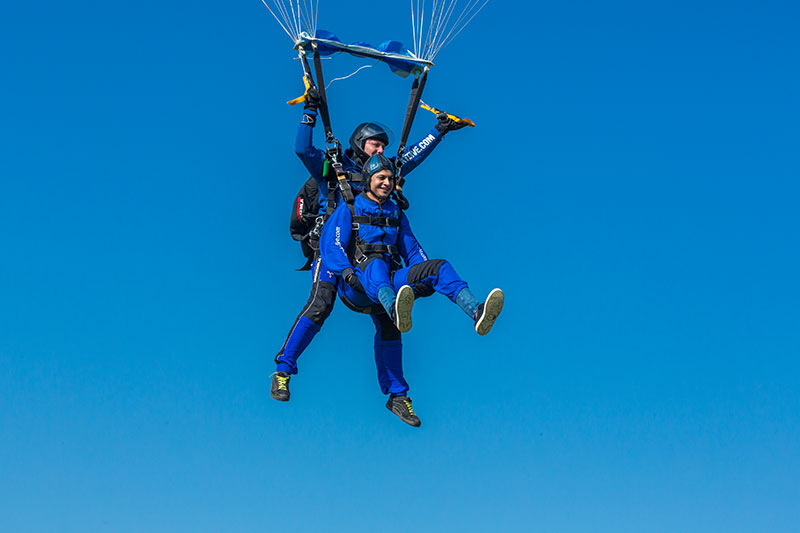
Understanding skydiving rules and regulations is essential before you book your first jump. While skydiving is considered one of the safest adventure sports when done at certified drop zones, there are strict safety laws, licensing standards, and equipment requirements that every jumper must follow.
Whether you’re planning your first tandem skydive, gifting an experience to a friend, or pursuing skydiving training, knowing the rules helps you:
- Stay safe
- Avoid legal issues
- Choose trusted operators
- Prepare properly
- Book with confidence
In this complete guide, you’ll learn the official skydiving rules, safety requirements, legal limits, and booking tips used across most countries — especially the United States, where skydiving regulations are strictly enforced.
Important Tip:
Always check availability before your preferred date and confirm that your drop zone follows national aviation safety standards.
What Are Skydiving Rules and Regulations?
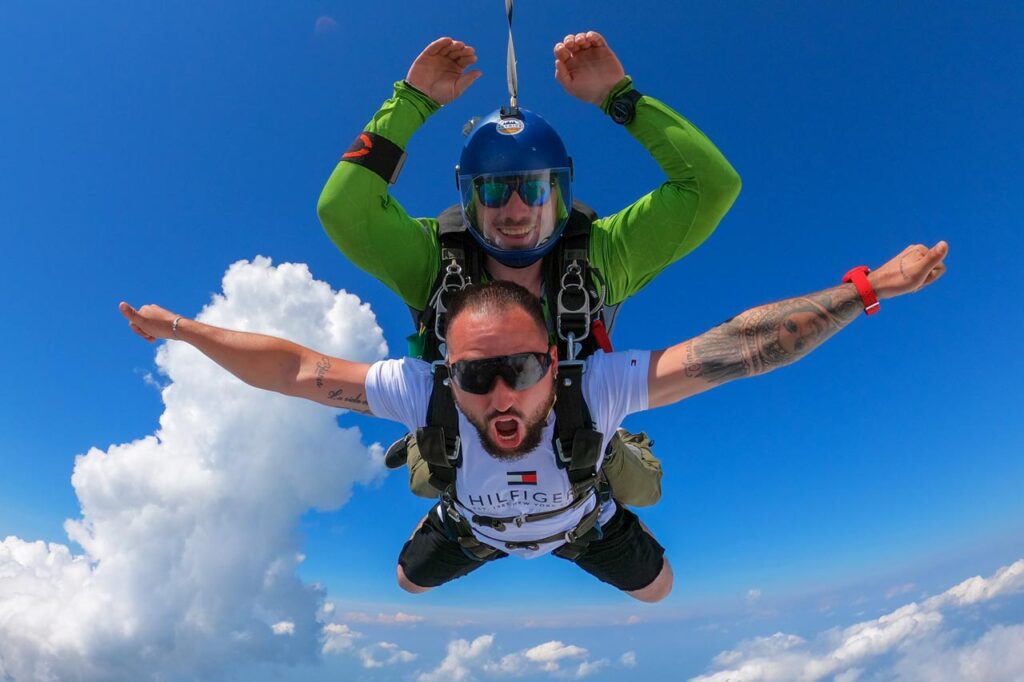
Skydiving rules and regulations are safety laws and operational guidelines that control how skydiving is conducted. These rules are designed to protect passengers, instructors, aircraft crews, and people on the ground.
They typically cover:
- Minimum age requirements
- Weight restrictions
- Equipment standards
- Weather conditions
- Instructor certification
- Aircraft safety
- Emergency procedures
Most skydiving centers follow regulations established by:
- National aviation authorities
- Skydiving safety organizations
- Insurance providers
- Training associations
For beginners, the most important rule is simple:
You must jump with a certified instructor at an approved drop zone.
How Skydiving Rules and Regulations Affect Your First Jump
If you’re planning your first skydive, these regulations directly determine:
- Whether you are eligible to jump
- What equipment will be used
- How the training is conducted
- When the jump can happen
- What safety procedures must be followed
Typical beginner process:
- Safety briefing
- Equipment inspection
- Weather check
- Aircraft boarding
- Instructor verification
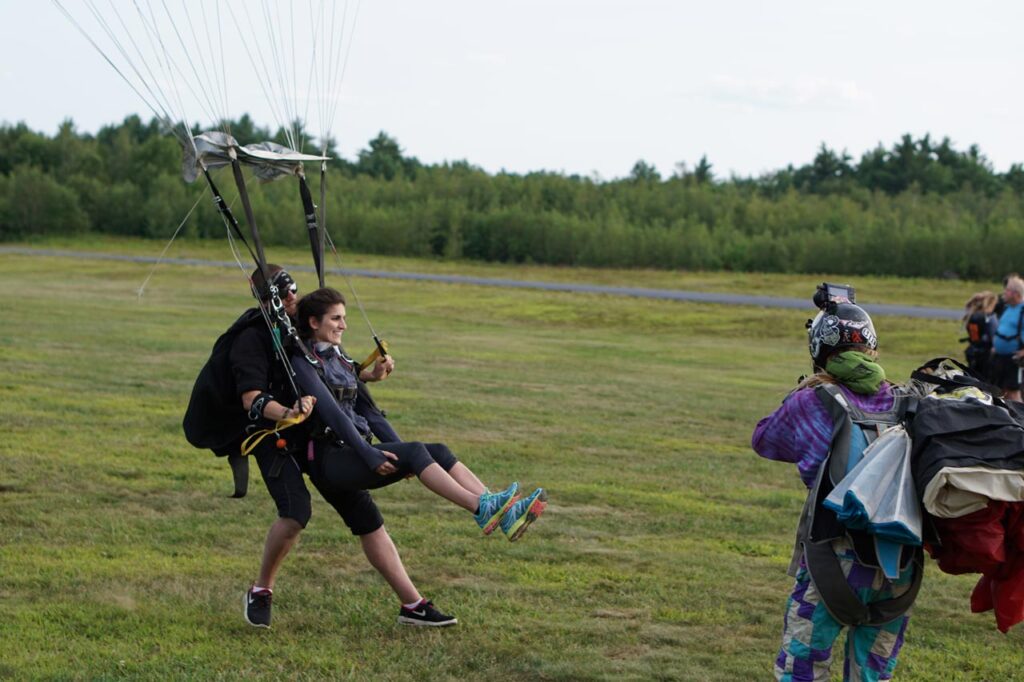
- Controlled landing
If conditions are unsafe — such as strong winds or poor visibility — your jump will be delayed.
This is normal and part of strict safety regulations.
Booking Advice:
Book flexible dates to avoid cancellations due to weather conditions.
Requirements for Skydiving Rules and Regulations
Before booking a jump, you must meet specific eligibility requirements.
Age Limit
Most skydiving centers require:
Minimum age:
18 years
You must provide:
- Government-issued photo ID
- Signed waiver
Some countries allow minors with parental consent, but this varies by location.
Weight Limit
Typical limits:
- 220 to 230 lbs standard
- Up to 260 lbs with additional fee
Weight restrictions exist because:
- Parachutes have load limits
- Aircraft balance must be maintained
- Landing safety depends on weight
For detailed guidance, see:
Skydiving Weight Limit: Rules, Restrictions & Safety Tips
This article explains weight policies, extra fees, and safety considerations in detail.
Health Requirements
You may not be eligible to skydive if you have:
- Serious heart disease
- Severe back injuries
- Epilepsy
- Pregnancy
- Recent surgery
If you have any medical condition, consult a doctor before booking.
Equipment Rules in Skydiving Regulations
Skydiving equipment must meet strict safety standards.
Required gear includes:
- Main parachute
- Reserve parachute
- Automatic activation device (AAD)
- Altimeter
- Harness and container system
- Helmet
One of the most important safety rules:
Every skydiver must use two parachutes.
This requirement significantly reduces risk and is enforced worldwide.
If you’re new to skydiving, you may also want to read:
What to Expect on Your First Skydive
This guide explains gear, procedures, and the full experience step by step.
Weather Rules in Skydiving Regulations
Weather conditions are one of the most strictly regulated aspects of skydiving.
Skydiving may be delayed or canceled due to:
- High winds
- Rain
- Lightning
- Low visibility
- Cloud cover
- Turbulence
Typical wind limits:
- 14 to 20 mph for beginners
If you’re wondering whether weather affects safety, see:
Can You Skydive in the Rain Safely
This article explains weather restrictions and safety decisions in detail.
Best Places That Follow Strict Skydiving Rules and Regulations
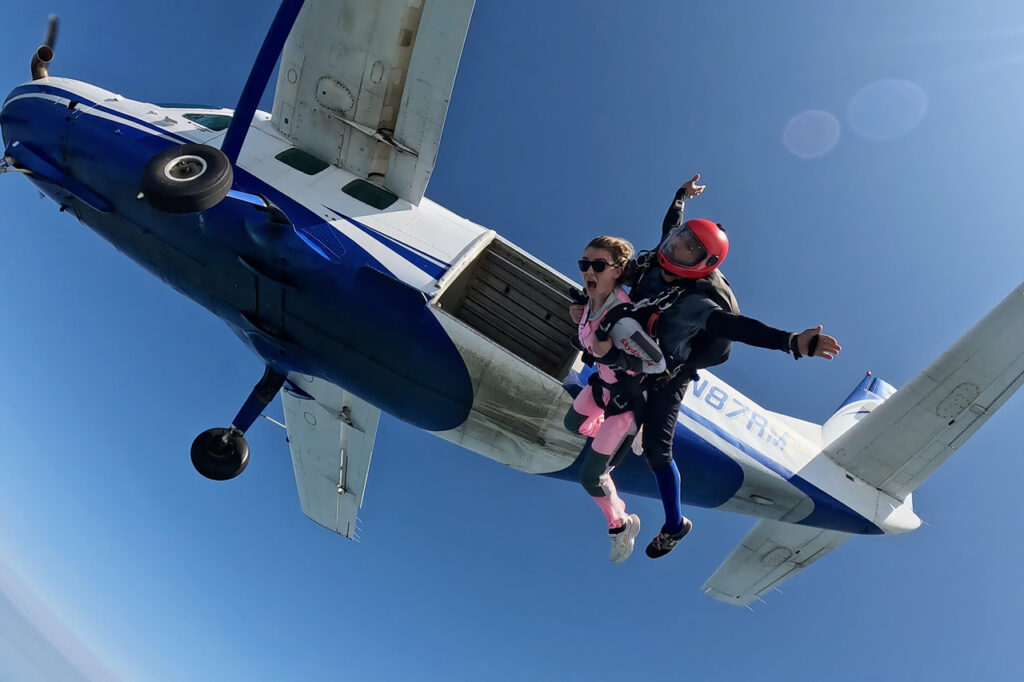
Choosing a reputable drop zone is one of the most important safety decisions.
Here are trusted locations known for strong safety compliance.
1. Skydive Chicago
Best for:
First-time jumpers and professional training
Why it’s trusted:
- Highly experienced instructors
- Large training facilities
- Modern aircraft fleet
- Excellent safety record
2. Skydive Perris
Best for:
Professional training and large operations
Highlights:
- One of the busiest drop zones in the U.S.
- Advanced safety systems
- Certified instructors
3. Skydive Arizona
Best for:
Large-scale skydiving operations
Features:
- Strict safety protocols
- Professional staff
- Reliable equipment
4. Skydive Dubai
Best for:
International travelers
Why choose it:
- World-class safety standards
- Professional instructors
- Stunning scenery
5. Skydive Sydney
Best for:
Scenic coastal jumps
Highlights:
- Certified instructors
- Strong safety regulations
- Reliable operations
Booking Tip:
Compare packages before booking and confirm that the drop zone follows national safety regulations.
Safety Tips Based on Skydiving Rules and Regulations
Skydiving has become significantly safer due to strict regulations and modern equipment.
Current safety statistics show:
Fatality rate:
About 0.28 per 100,000 jumps
That means skydiving is safer than many everyday activities when performed at certified centers.
Follow these essential safety tips.
Choose a Certified Drop Zone
Look for:
- Licensed instructors
- Safety inspections
- Modern equipment
- Verified reviews
Attend the Full Safety Briefing
Never skip training.
Your instructor will explain:
- Body position
- Landing technique
- Emergency signals
Wear Proper Clothing
Recommended:
- Sneakers
- Comfortable clothing
- Secure footwear
Avoid:
- Sandals
- Loose accessories
- Heavy jewelry
Follow Instructor Instructions
This is the most important safety rule.
Always listen carefully.
How to Book Skydiving That Meets All Regulations
Booking your skydive correctly ensures safety and compliance.
Step-by-Step Booking Process
- Choose a certified drop zone
- Select your jump date
- Review safety requirements
- Confirm weight and health eligibility
- Complete payment
- Receive confirmation
Recommended Booking Platforms
These platforms are commonly used by travelers and beginners.
They offer:
- Verified operators
- Secure payment
- Flexible cancellation
- Customer reviews
Recommended platforms:
- Klook
- GetYourGuide
- Expedia
- TripAdvisor
Travel Insurance Recommendation
Travel insurance is strongly recommended because it can cover:
- Trip cancellations
- Weather delays
- Medical emergencies
- Equipment issues
Popular providers:
- visitorscoverage
- SafetyWing
- Allianz Travel Insurance
Conversion Tip:
Book your skydive early to secure the best price and preferred time slot.
Pros and Cons of Skydiving Rules and Regulations
Pros
- Improves safety standards
- Protects beginners
- Reduces accident risk
- Ensures equipment reliability
- Builds trust in skydiving centers
Cons
- Weight restrictions apply
- Weather delays possible
- Age requirements limit participation
- Some medical conditions may prevent jumping
FAQs About Skydiving Rules and Regulations
What are the basic skydiving rules?
The most important rules include:
- Minimum age of 18
- Weight limits
- Safety training
- Certified instructors
- Weather restrictions
Is skydiving legal everywhere?
Yes, but regulations vary by country and region.
Always check local aviation laws before booking.
Do you need training before skydiving?
Yes. All first-time jumpers receive safety training before the jump.
How safe is skydiving?
Skydiving is considered very safe when performed at certified drop zones with proper equipment.
Can skydiving be canceled due to weather?
Yes. Weather conditions are strictly regulated for safety.
Do all skydivers use two parachutes?
Yes. Regulations require both a main parachute and a reserve parachute.
What happens if safety rules are not followed?
The jump will be canceled immediately to protect passengers and staff.
Final Thoughts
Understanding skydiving rules and regulations is one of the most important steps before your first jump. These rules are designed to protect you, ensure safe operations, and make the experience enjoyable from start to finish.
If you’re planning a skydive soon, remember:
- Choose certified operators
- Follow safety instructions
- Check eligibility requirements
- Book early for the best availability
With the right preparation, skydiving can be one of the safest and most unforgettable adventures you’ll ever experience.