

HALO jumping is one of the most iconic terms in parachuting. If you have heard it in a military context or seen it referenced in an action movie and wondered whether civilians can actually do it, this guide gives you the complete picture.
The short answer is yes, with important qualifications. Civilians can access high-altitude jump experiences that share characteristics with military HALO operations, though the full military HALO protocol involves classified procedures and training that remain outside the civilian skydiving world.
This guide explains what HALO actually means, what civilian high-altitude jumping looks like in 2026, which drop zones offer the highest altitude civilian experiences in the USA and globally, what you need to qualify, and what the total experience costs.
What Does HALO Actually Mean?
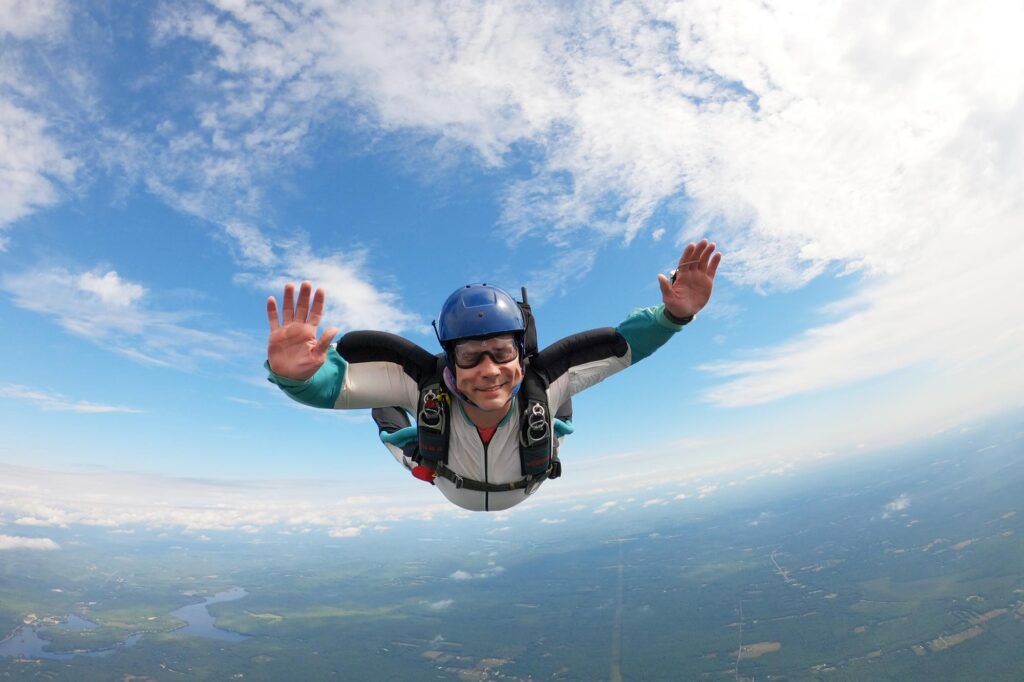
HALO stands for High Altitude Low Opening. It is a military parachuting technique where personnel exit the aircraft at extreme altitude (typically 25,000 to 35,000 feet above sea level) and freefall for a very long time before opening their parachutes at low altitude, often as low as 2,000 to 3,000 feet.
The strategic purpose of military HALO is infiltration. By exiting the aircraft at high altitude (above radar detection range) and freefalling for extended periods, military units can be inserted into a target area without the aircraft needing to descend to low altitude where it would be detectable.
HALO operations require supplemental oxygen both on the aircraft and during freefall, specialized high-altitude parachute systems, thermal protection against extreme cold (temperatures at 30,000 feet can reach negative 65 degrees Celsius), and extensive specialized training.
What Is Civilian High-Altitude Skydiving?
Civilian high-altitude skydiving refers to jumps made from altitudes significantly higher than standard tandem and sport skydiving operations. While most commercial drop zones jump from 10,000 to 15,000 feet, a small number of specialist operations offer civilian jumps from 18,000 to 30,000 feet.
These jumps require supplemental oxygen in the aircraft and sometimes during freefall, specialized aircraft capable of reaching and maintaining extreme altitude, trained staff with high-altitude certification, and in most cases a medical clearance confirming you are fit for altitude exposure.
The freefall time at extreme altitudes is dramatically longer than standard jumps. From 30,000 feet, a skydiver in normal belly-to-earth position will freefall for approximately 4 to 5 minutes before reaching standard parachute opening altitude. This compares to 60 to 75 seconds from the 15,000-foot altitude typical of premium tandem operations.
The Highest Civilian Skydiving Experiences Available in 2026
Perris Valley Skydiving: 30,000 Feet (California, USA)
Skydive Perris in Perris, California offers one of the highest civilian jump experiences available in the USA at 30,000 feet. This requires oxygen equipment from the aircraft, specific training, and medical clearance. Only licensed skydivers with significant jump experience qualify for the highest altitude options.
For tandem first-timers, Perris offers jumps from 18,000 feet (with oxygen), which remains one of the highest tandem experiences commercially available in the country.
Approximate cost for the 18,000-foot tandem: $250 to $400 depending on the package and add-ons.
Skydive Sebastian (Florida, USA): 18,000 Feet
One of the most accessible premium altitude experiences on the East Coast. The 18,000-foot option at Sebastian requires the supplemental oxygen protocol on the aircraft but is available to tandem first-timers with appropriate health.
Approximate cost: $280 to $380 for the premium altitude tandem package.
Skydive Arizona (Eloy, Arizona): Up to 19,000 Feet
Skydive Arizona operates one of the most sophisticated high-altitude programs in the USA. Their high-altitude aircraft and oxygen systems support experienced licensed skydivers on jumps well above standard altitude, and limited tandem options at elevated altitude are available seasonally.
Skydive Interlaken (Switzerland): 14,000 Feet Plus Alpine Altitude
Switzerland offers a different interpretation of extreme altitude jumping. The Interlaken drop zone sits at a significantly higher base elevation than US drop zones, and the jump altitude above the Alps provides a unique extreme environment that is genuinely unlike any US drop zone experience.
The cultural and visual experience of jumping over the Swiss Alps is unlike any other civilian jump available and justifies the travel cost for serious adventure seekers.
World’s Highest Skydive Options
The highest verified civilian tandem skydive experiences operate from approximately 29,000 to 30,000 feet above sea level, approaching the altitude of high-altitude mountaineering expeditions. These experiences are extremely limited, require extensive pre-jump planning, medical certification, and typically cost between $1,500 and $4,000 per person.
What Do You Need to Qualify for a High-Altitude Jump?
Requirements vary depending on the altitude and whether you are jumping tandem or as a licensed solo jumper.
For Tandem High-Altitude Jumps (18,000 to 20,000 feet)
Most drop zones require a basic medical declaration confirming no conditions that would be exacerbated by altitude exposure (heart conditions, respiratory conditions, recent surgery, active ear infections, or altitude sickness history). Standard tandem age and weight requirements apply. Pre-jump oxygen breathing is required on the aircraft for jumps above approximately 15,000 feet. You receive a brief training on oxygen mask use as part of the pre-jump briefing.
For Licensed Solo High-Altitude Jumps (20,000 feet and above)
A USPA license (typically B or C License minimum) with a substantial jump number (most operators require 200 or more logged jumps). Completion of a high-altitude ground training course. A physician’s sign-off on altitude medical fitness. Previous experience with oxygen equipment in jump operations.
What Is the Freefall Experience Like at Extreme Altitude?
At 18,000 feet, freefall lasts approximately 85 to 95 seconds. At 25,000 feet, freefall exceeds 2 minutes. At 30,000 feet, freefall can reach 4 to 5 minutes.
The sensory experience of extreme altitude freefall is described by experienced jumpers as categorically different from standard altitude jumping. The air is thinner, which means terminal velocity is reached at a slightly faster rate. The temperature is significantly colder, even in summer. The visual scale of the earth below is dramatically different, giving a perspective that approaches what astronauts describe as the overview effect.
At extreme altitudes, jumpers also experience a much longer transition between freefall and canopy flight, spending more time under the parachute and experiencing a longer, more gradual descent to the landing area.
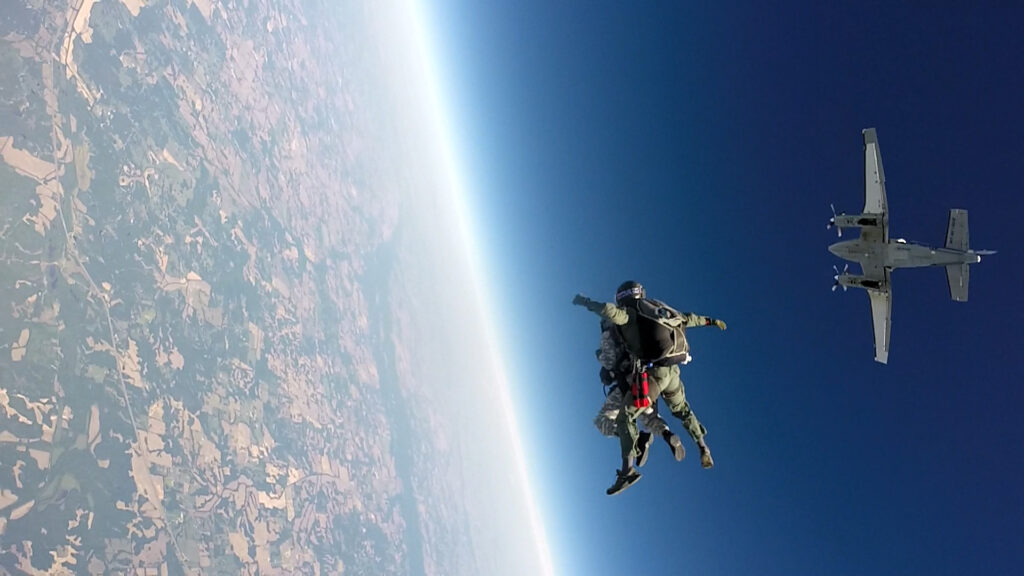
Military HALO vs Civilian High-Altitude Jumping: Key Differences
| Feature | Military HALO | Civilian High-Altitude |
|---|---|---|
| Exit altitude | 25,000 to 35,000 feet | 15,000 to 30,000 feet |
| Opening altitude | 2,000 to 3,000 feet | 4,000 to 5,500 feet (standard) |
| Oxygen | Required from aircraft, often in freefall | Required above 15,000 feet in aircraft |
| Equipment | Military-spec specialized systems | Civilian sport parachute equipment |
| Purpose | Tactical infiltration | Sport and adventure |
| Availability | Military trained personnel only | Licensed skydivers and tandem jumpers |
| Cost | N/A (military operation) | $250 to $4,000 depending on altitude |
How to Book a High-Altitude Civilian Jump in 2026
The process for booking a high-altitude civilian jump is slightly more involved than booking a standard tandem experience.
Step one is finding a qualified drop zone. Not all drop zones are equipped for high-altitude operations. Look specifically for drop zones that list 18,000-foot or higher jump options on their website and confirm their oxygen and aircraft capabilities.
Step two is completing a medical declaration. Most high-altitude operations require a basic health questionnaire. For jumps above 18,000 feet, some operations require a physician’s clearance letter.
Step three is selecting the right package. Confirm whether you are booking a tandem experience or a licensed solo jump. Confirm what altitude you are jumping from, what the oxygen protocol involves, whether video is included, and what the weather rescheduling policy is.
Step four is preparation. Arrive well-rested, well-hydrated, and without alcohol in your system from the previous 24 hours. Altitude exposure on an exhausted or dehydrated body carries meaningful discomfort risks.
Frequently Asked Questions
Can a civilian do a true military HALO jump? Not in the exact military form. Military HALO involves classified procedures, specialized military equipment, and extreme operational altitudes above 25,000 feet that are not available to civilian operators. However, civilian high-altitude jumps from 18,000 to 30,000 feet share the fundamental characteristics of the high altitude freefall experience and are genuinely accessible.
How high is a HALO jump altitude for civilians? The highest commercially available civilian tandem jumps operate from approximately 18,000 to 20,000 feet above sea level. Some specialist operators offer licensed jumper experiences from up to 30,000 feet. Standard sport jumping altitudes are 10,000 to 15,000 feet by comparison.
Do you need oxygen for a high-altitude jump? Yes. Federal Aviation Administration (FAA) regulations in the USA require supplemental oxygen for anyone at altitudes above 15,000 feet MSL (mean sea level). All reputable high-altitude drop zones comply with this requirement and provide oxygen equipment as part of the high-altitude package.
How long is freefall at 18,000 feet? Freefall from 18,000 feet above ground level lasts approximately 80 to 95 seconds, compared to 45 to 60 seconds from a standard 13,000 to 14,000 foot jump. The significantly extended freefall is the primary reason skydivers and thrill-seekers pay the premium for higher altitude options.
Is high-altitude skydiving more dangerous than standard altitude? High-altitude jumping carries additional physiological risks compared to standard jumping, primarily related to hypoxia (oxygen deprivation) at extreme altitudes. Properly managed oxygen protocols at certified drop zones mitigate these risks to acceptable levels. The skydiving mechanics (parachute deployment, canopy flight, landing) are identical to standard altitude operations.
What does a high-altitude civilian jump cost? An 18,000-foot tandem jump typically costs $250 to $400 at US drop zones that offer it. Specialist extreme altitude experiences above 25,000 feet can cost $1,500 to $4,000 depending on the operation and what is included. The premium reflects the additional aircraft capability, oxygen equipment, and specialized instructor certification involved.
Do I need special training for a high-altitude tandem jump? No specific prior training is required for a high-altitude tandem experience beyond the standard pre-jump briefing. This briefing is expanded to include oxygen mask use and the specific sensations of extreme altitude freefall. Your tandem instructor manages all equipment and procedures during the jump.