
Key Takeaways
- Best weather for skydiving means clear visibility, low wind, stable temperatures, and no storms.
- Weather impacts safety records, jump schedules, and overall experience more than price or season.
- Spring and autumn usually offer the most balanced conditions for beginners.
- Understanding weather helps you choose the right time to jump, not just the cheapest.
- Smart planning reduces cancellations and improves your first-time skydiving confidence.
When to Jump Isn’t Just About Courage
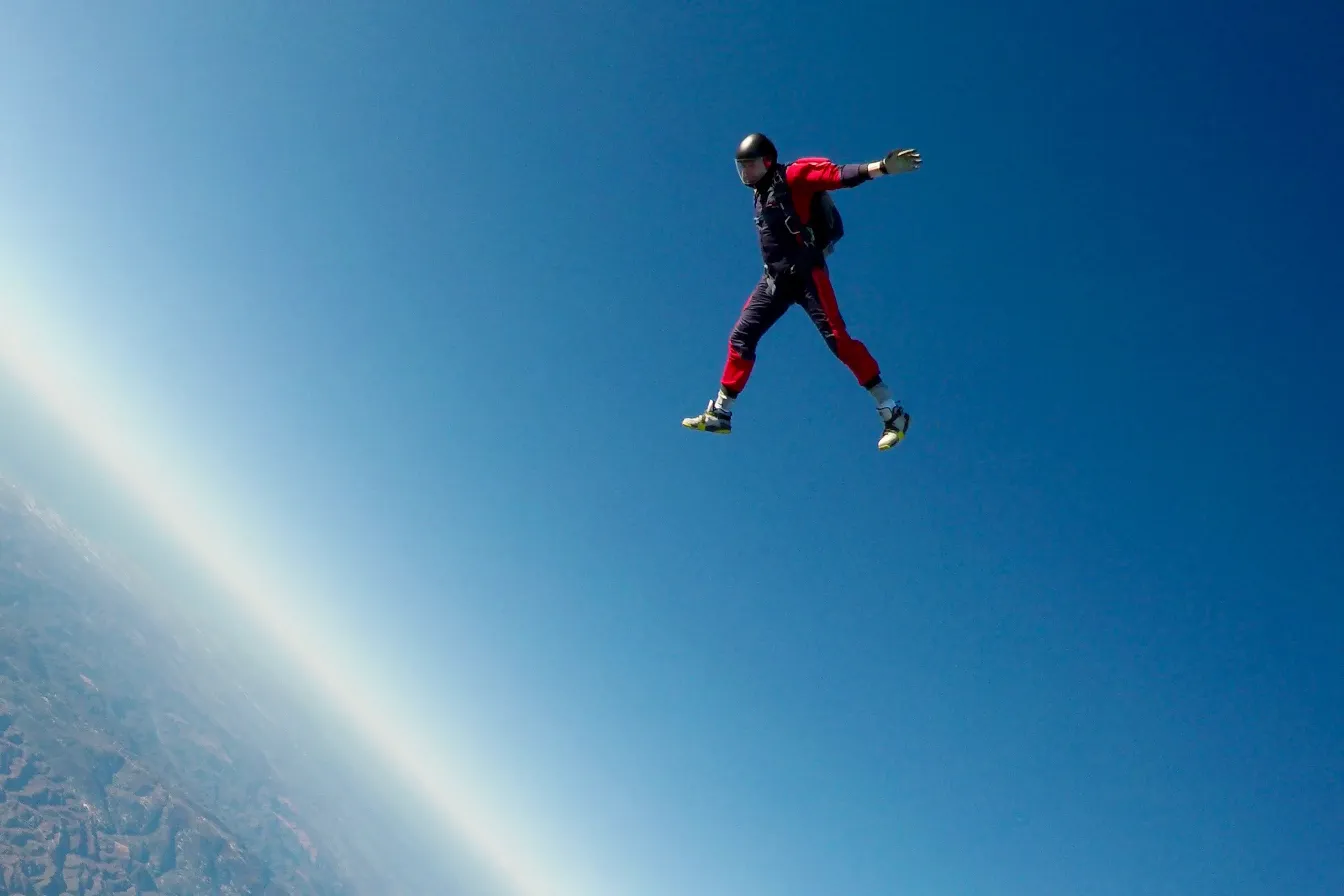
Many first-time jumpers think skydiving is all about mindset.
In reality, weather decides whether you jump, delay, or cancel.
Understanding the best weather for skydiving can turn a good jump into an unforgettable one.
- Key Takeaways
- When to Jump Isn’t Just About Courage
- Why Weather Matters More Than You Think in Skydiving
- What Is the Best Weather for Skydiving?
- Best Time of Year to Go Skydiving (Season-by-Season Guide)
- Comparison Table: Best Time to Skydive by Season
- How Weather Affects Skydiving Rates and Pricing
- Safety Records: Why Weather Is Non-Negotiable
- Beginner Guide: How to Pick the Perfect Jump Day
- Pro-Tip from Real Skydiving Experience
- Common Myths About Skydiving and Weather
- FAQs
- Final Thoughts
As an SEO writer and skydiving industry observer for 10 years, I’ve seen more jumps canceled by weather than fear.
This beginner guide explains when to jump and why timing matters more than you think.
Why Weather Matters More Than You Think in Skydiving
Skydiving is highly regulated, and weather is a non-negotiable factor.
Weather Directly Impacts Safety
Drop zones follow strict limits for:
- Wind speed at ground and altitude
- Cloud cover and visibility
- Storm activity and turbulence
These rules exist to protect jumpers and maintain strong safety records worldwide.
Weather Controls Your Experience
Bad weather can cause:
- Long delays
- Rescheduled jumps
- Less scenic views
- Increased anxiety for beginners
Good weather, on the other hand, gives you:
- Smooth exits
- Stable freefall
- Clear views
- A calmer first-time experience
What Is the Best Weather for Skydiving?
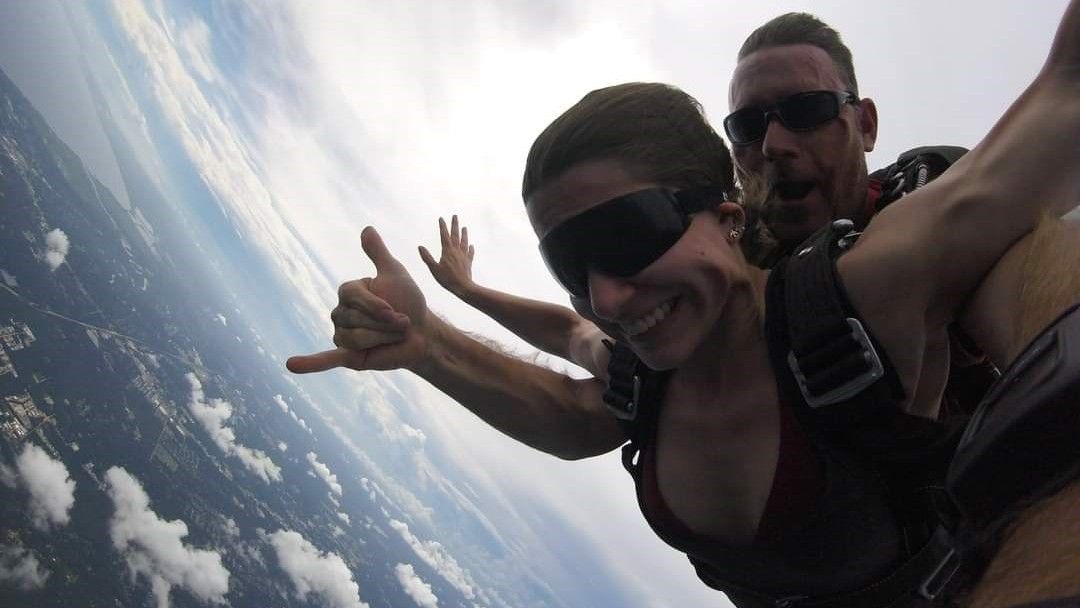
Let’s break down ideal conditions in simple terms.
Ideal Skydiving Weather Conditions
- Clear skies or minimal cloud cover
- Low wind speeds (especially at ground level)
- Dry conditions (no rain or storms)
- Moderate temperatures (not extreme heat or cold)
These conditions allow instructors to focus on your jump—not managing weather risks.
Best Time of Year to Go Skydiving (Season-by-Season Guide)
Spring (March to May): Best for Beginners
Spring offers balanced conditions and fewer extremes.
Pros
- Mild temperatures
- Stable wind patterns
- Good visibility
Cons
- Occasional rain showers
- Some schedule changes
👉 Spring is often considered the best weather for skydiving for first-timers.
Summer (June to August): Popular but Risky
Summer is peak season, but not always ideal.
Pros
- Long daylight hours
- Warm temperatures
- High jump availability
Cons
- Strong thermals causing turbulence
- Thunderstorms in many regions
- Higher cancellation rates
💡 High demand can also increase the skydiving rate during summer months.
Autumn (September to November): Expert Favorite
Many experienced jumpers prefer autumn.
Pros
- Calm winds
- Cooler, comfortable air
- Clear skies
Cons
- Shorter days
- Limited availability later in the season
Autumn consistently delivers excellent safety records due to stable weather.
Winter (December to February): For the Brave
Winter skydiving is possible—but not beginner-friendly everywhere.
Pros
- Stunning views
- Lower prices
- Fewer crowds
Cons
- Cold temperatures
- Limited operating days
- Higher wind risks
Winter jumps are best suited for experienced or highly motivated jumpers.
Comparison Table: Best Time to Skydive by Season
| Season | Weather Stability | Beginner Friendly | Cancellation Risk |
|---|---|---|---|
| Spring | High | ✅ Yes | Medium |
| Summer | Medium | ⚠️ Sometimes | High |
| Autumn | Very High | ✅ Yes | Low |
| Winter | Low | ❌ No | Very High |
How Weather Affects Skydiving Rates and Pricing
Weather doesn’t just affect safety—it affects cost.
Skydiving Rate Fluctuations
- Peak seasons (summer) = higher prices
- Off-peak seasons (winter) = discounted rates
- Weather cancellations = lost time and travel costs
Choosing the right season saves money and stress.
Safety Records: Why Weather Is Non-Negotiable
Drop zones maintain excellent safety records because they:
- Cancel jumps when conditions are unsafe
- Monitor real-time weather data
- Follow aviation-level safety standards
If a jump is delayed due to weather, it’s a sign of professionalism, not poor service.
Beginner Guide: How to Pick the Perfect Jump Day
Instead of focusing only on the month, focus on the day.
Check These Before Booking
- Wind forecast
- Cloud coverage
- Rain probability
- Temperature range
Booking flexible dates increases your chance of jumping in the best weather for skydiving.
Pro-Tip from Real Skydiving Experience
Book the first slot of the day.
Morning jumps usually have:
- Calmer winds
- Fewer thermals
- Lower cancellation risk
This single decision dramatically improves your experience—especially for first-time jumpers.
Common Myths About Skydiving and Weather
- ❌ “A little rain is fine” → False
- ❌ “Wind doesn’t matter much” → Dangerous myth
- ❌ “Summer is always best” → Not true everywhere
Understanding weather basics makes you a smarter skydiver.
What is the best weather for skydiving?
The best weather for skydiving includes clear skies, low wind speeds, no rain, and moderate temperatures, usually found in spring and autumn mornings.
FAQs
What month is best for skydiving?
September and October are often the best months due to stable weather and low wind conditions.
Is skydiving safe in windy weather?
No. High winds increase risk, which is why jumps are canceled when wind limits are exceeded.
Can beginners skydive in winter?
Yes, but it’s not ideal. Cold temperatures and wind make winter better suited for experienced jumpers.
Does weather affect skydiving safety records?
Absolutely. Strict weather rules are a major reason skydiving maintains strong global safety records.
Why are skydiving rates higher in summer?
Higher demand and better availability increase prices, even though weather cancellations are more common.
Final Thoughts
Choosing the best weather for skydiving is the smartest decision you can make.
Weather impacts safety, cost, confidence, and enjoyment far more than most people realize.
Plan wisely, stay flexible, and trust experienced drop zones—your perfect jump starts with the right conditions.