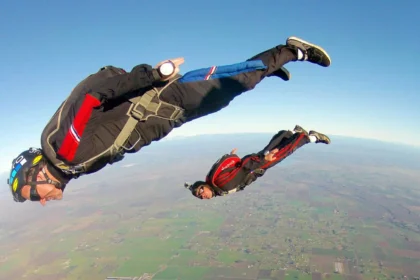

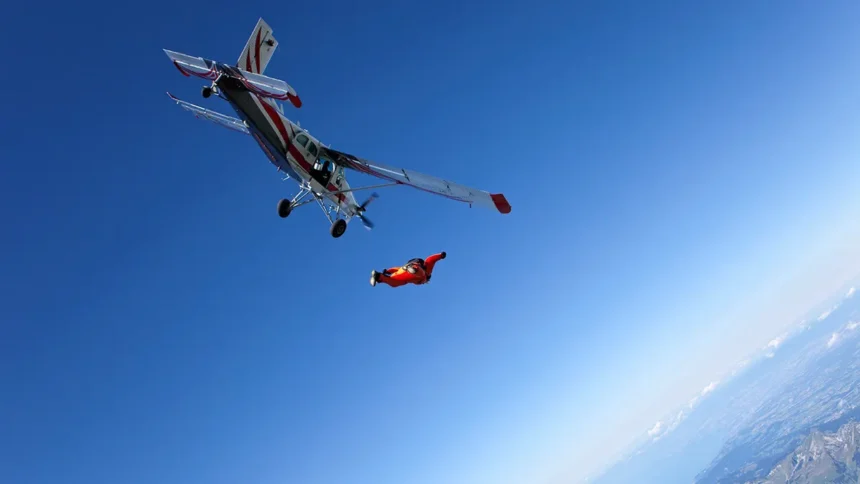
When people think about dangerous activities, skydiving often tops the list. Meanwhile, driving a car seems like an everyday, safe activity. But what if the numbers tell a different story? Many people are surprised to learn that the statistics around car vs skydiving deaths reveal unexpected truths about risk in our daily lives.
- What Are the Actual Death Rates?
- Why Do Cars Feel Safer Than Skydiving?
- Breaking Down Skydiving Safety in 2025
- Understanding Car Accident Statistics
- Comparing the Risks: A Clear Picture
- Safety Measures That Make a Difference
- What This Means for Your Choices
- The Role of Personal Responsibility
- Making Your Decision
- Frequently Asked Questions
This comprehensive guide explores the actual death rates, safety measures, and facts that might change how you view both activities. Whether you’re considering your first jump or simply curious about comparative risk, understanding these statistics helps put fear into perspective.
What Are the Actual Death Rates?
Let’s start with the numbers that matter. According to recent data, skydiving has approximately 0.39 fatalities per 100,000 jumps. This means that if 100,000 people jump from a plane, less than one person will face a fatal accident. The United States Parachute Association tracks these numbers carefully, and they show that modern skydiving has become remarkably safe.
Car accidents paint a very different picture. In the United States alone, over 40,000 people die in vehicle crashes each year. When you break this down per mile traveled, the average person faces about 1.3 deaths per 100 million miles driven. However, most Americans drive nearly every day, which dramatically increases their total exposure to this risk.
The comparison becomes even more interesting when you consider frequency. A typical person might skydive once or twice in their lifetime, spending just a few minutes in freefall. That same person will spend thousands of hours driving throughout their life. This difference in exposure time significantly affects the overall risk calculation.
Why Do Cars Feel Safer Than Skydiving?
Human psychology plays a fascinating role in how we perceive danger. We feel comfortable with familiar activities, even when they carry real risks. Driving feels routine and controllable, which makes our brains classify it as safe. Meanwhile, jumping from an airplane triggers our natural fear response because it’s unusual and involves heights.
This psychological phenomenon explains why many people worry more about a single skydive than their daily commute. Our brains are not naturally good at calculating statistical risk. We respond more strongly to dramatic, unfamiliar scenarios than to common dangers we face repeatedly.
Media coverage also shapes our perception. When a skydiving accident occurs, it often makes headlines because of its unusual nature. Car accidents happen so frequently that only the most severe ones receive significant news coverage. This creates a distorted view of actual risk levels in our minds.
The element of control also matters tremendously. When driving, people believe they have direct control over their safety. In skydiving, you must trust your instructor and equipment. This perceived loss of control makes skydiving feel more dangerous, even though the statistics suggest otherwise.
Breaking Down Skydiving Safety in 2025
Modern skydiving has evolved dramatically over the past few decades. Today’s equipment includes multiple safety systems designed to prevent accidents. Every tandem skydiving rig contains a main parachute, a reserve parachute, and an automatic activation device that deploys the reserve if needed.
Professional instructors undergo extensive training before they can take passengers. They complete hundreds of solo jumps and pass rigorous certification programs. Drop zones maintain strict safety protocols, including regular equipment inspections and weather monitoring.
The skydiving community takes safety extremely seriously. Every incident gets thoroughly investigated to identify causes and prevent future accidents. This commitment to continuous improvement has helped reduce skydiving deaths 2025 to historically low levels.
Technology continues to advance safety measures. GPS tracking systems, improved parachute designs, and better training methods all contribute to making skydiving safer year after year. The sport that once seemed incredibly dangerous now has a safety record that surprises many people.
Understanding Car Accident Statistics
Vehicle accidents remain one of the leading causes of death in developed countries. The numbers reveal sobering truths about our daily transportation habits. Distracted driving has become a major factor, with phone use contributing to thousands of fatal crashes annually.
Speed plays a critical role in accident severity. The faster a vehicle travels, the less time drivers have to react and the more forceful any impact becomes. Many fatal accidents occur on highways where high speeds are common and legal.
Alcohol and drug impairment continue to cause a significant percentage of deadly crashes. Despite decades of awareness campaigns and strict laws, impaired driving still accounts for roughly one-third of traffic fatalities. This preventable cause makes many car deaths particularly tragic.
Weather conditions and road quality also contribute to accident rates. Rain, snow, and ice reduce vehicle control and increase stopping distances. Poor road maintenance, unclear signage, and inadequate lighting create additional hazards that drivers face regularly.
Comparing the Risks: A Clear Picture
When examining car vs skydiving death statistics risk comparison, several important factors emerge. Per single event, skydiving and driving carry roughly similar risk levels. However, the frequency of exposure makes driving far more dangerous over a lifetime.
Consider this perspective: if you made a single skydive and took a single car trip of average length, your risk in each activity would be relatively similar. But since most people drive daily while skydiving rarely, the cumulative risk from driving becomes much higher.
The type of risk also differs between activities. Skydiving risks are concentrated into a brief period with professional supervision and multiple safety systems. Driving risks accumulate over long periods, often with only the driver’s attention and skills as protection.
Some experts suggest that a person’s lifetime risk of dying in a car accident is roughly 1 in 100. By comparison, the lifetime risk of dying in a skydiving accident for someone who jumps once is approximately 1 in 250,000. Even for regular skydivers who complete hundreds of jumps, the risk remains lower than common driving exposure.
Safety Measures That Make a Difference
Both activities benefit enormously from proper safety practices. In skydiving, choosing a reputable drop zone with experienced instructors significantly reduces risk. Certified operations follow strict guidelines and maintain high equipment standards that protect jumpers.
For driving, simple behaviors dramatically improve safety. Wearing seatbelts, avoiding phone use, following speed limits, and never driving impaired cut accident risk substantially. Defensive driving techniques, where you anticipate potential problems from other drivers, also help prevent crashes.
Vehicle technology has advanced significantly in recent years. Modern cars include features like automatic emergency braking, lane departure warnings, and blind spot monitoring. These systems act as additional safety nets that can prevent accidents when human attention fails.
Regular vehicle maintenance matters more than many people realize. Properly functioning brakes, good tire tread, and working lights all contribute to safe driving. Many accidents result from mechanical failures that could have been prevented with routine care.
What This Means for Your Choices
Understanding these statistics helps you make informed decisions about risk in your life. If fear of skydiving has held you back from trying it, knowing the actual numbers might change your perspective. The activity carries less risk than many people imagine.
At the same time, this comparison shouldn’t make you fearful of driving. Instead, it should highlight the importance of safe driving habits. Small changes in how you drive can significantly reduce your risk of accidents.
The goal isn’t to avoid all risk but to understand and manage it appropriately. Both skydiving and driving can be done safely with proper precautions and awareness. Knowledge empowers you to enjoy activities while minimizing unnecessary danger.
Some people find that understanding risk statistics actually reduces anxiety. When fear is based on accurate information rather than imagination, it becomes easier to face. Many first-time skydivers report that learning the safety statistics helped them feel confident enough to jump.
The Role of Personal Responsibility
Both activities require participants to take responsibility for their safety. In skydiving, this means choosing qualified instructors, following all instructions carefully, and being honest about any health conditions that might affect your jump.
For driving, personal responsibility involves constant attention and good judgment. Every time you get behind the wheel, your choices affect not only your safety but also the safety of everyone else on the road.
The statistics show that human error causes the vast majority of both skydiving and driving accidents. When people follow proper procedures and pay attention, both activities become remarkably safe. This reinforces the importance of training, certification, and ongoing vigilance.
Making Your Decision
If you’re considering skydiving, let the facts guide your choice rather than unfounded fears. The activity has become incredibly safe through decades of improvements in equipment, training, and procedures. Millions of people jump each year and return safely to the ground.
Remember that driving to the drop zone might actually represent a greater risk than the jump itself. This counterintuitive reality reflects how much progress the skydiving community has made in prioritizing safety.
Whatever you decide, approach both activities with respect and proper preparation. Understanding real risks helps you make better choices about adventure and daily life. At Skydive Guides, we believe that informed decisions lead to more enjoyable experiences.
Whether you’re ready to book your first tandem jump or simply want to understand comparative risks better, we’re here to help. Visit our website to learn more about safe skydiving practices and find reputable drop zones near you.
Frequently Asked Questions
Is skydiving safer than driving a car?
Per single activity, skydiving and driving carry similar risk levels. However, because people drive far more frequently than they skydive, driving poses a greater cumulative risk over a lifetime. Modern skydiving has a fatality rate of about 0.39 per 100,000 jumps.
How many people die from skydiving compared to car accidents?
Car accidents cause over 40,000 deaths annually in the United States alone. Skydiving accidents result in approximately 10 to 20 deaths per year in the US. The dramatic difference reflects both the frequency of each activity and the number of participants.
What makes skydiving feel more dangerous than driving?
Human psychology perceives unfamiliar activities as more dangerous. We feel in control when driving but must trust instructors and equipment when skydiving. This perceived loss of control, combined with media coverage of rare skydiving accidents, makes jumping from a plane feel riskier than it actually is.
Can you reduce your risk in both activities?
Yes, absolutely. In skydiving, choosing certified instructors and reputable drop zones significantly improves safety. For driving, wearing seatbelts, avoiding distractions, following speed limits, and never driving impaired dramatically reduce accident risk.
Should fear of danger stop me from trying skydiving?
Fear is natural, but it shouldn’t be based on exaggerated risk perception. Modern skydiving is statistically very safe with proper instruction and equipment. If you can comfortably drive a car despite its risks, you can approach skydiving with similar confidence in the safety measures that protect you.