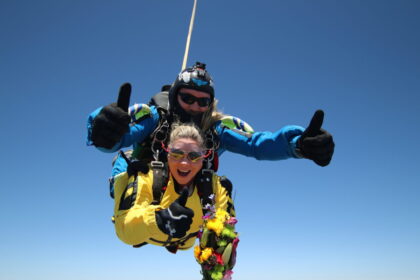

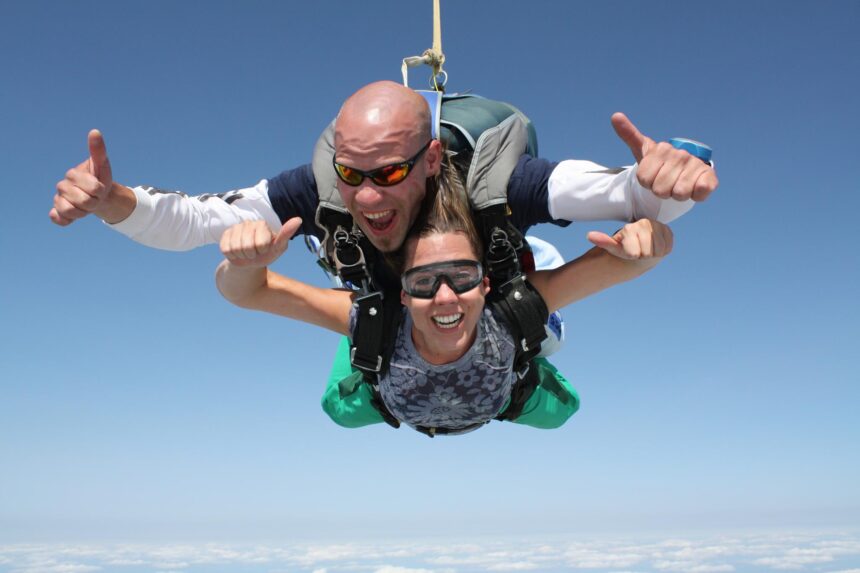
Jumping out of an airplane for the first time is one of the most exciting adventures you can experience in your lifetime. If you are planning your first skydive, you probably have dozens of questions running through your mind right now. This complete guide will walk you through everything you need to know before, during, and after your first jump.
- Why Your First Skydive Is Special
- How to Prepare Before Your First Jump
- What to Wear for Your First Skydive
- Day-Of Tips: Arrival, Training, and Briefing
- During the Flight and Jump Sequence Explained
- Common Beginner Mistakes and How to Avoid Them
- Mental Tips to Reduce Fear and Build Confidence
- Safety Tips Every First-Timer Should Know
- What Happens After Your First Skydive
- Frequently Asked Questions
Why Your First Skydive Is Special
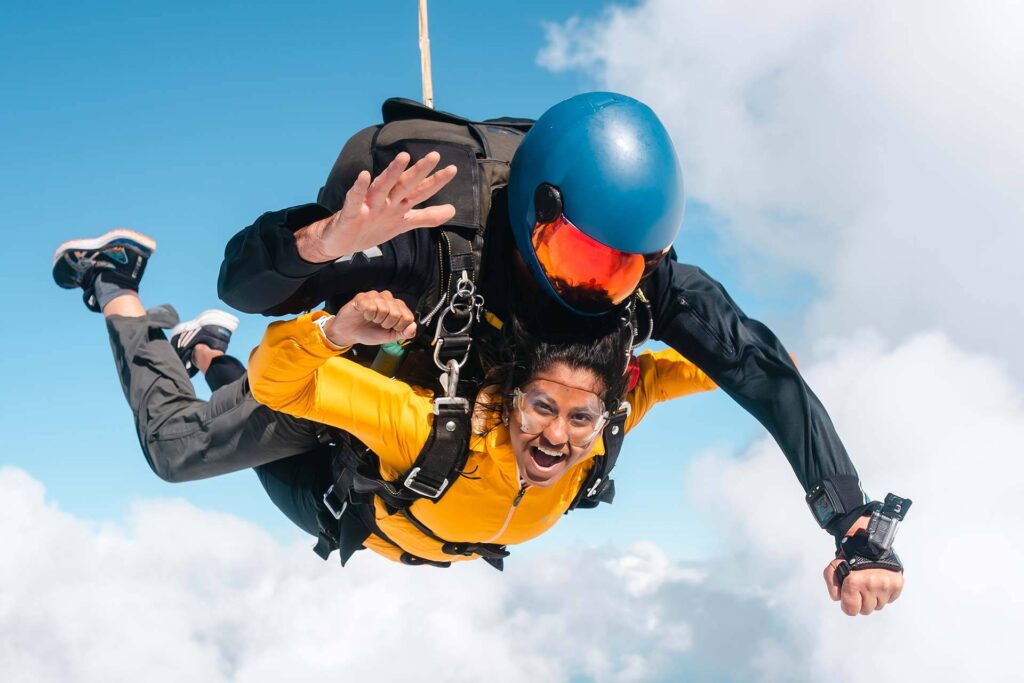
Your first skydiving experience creates memories that last forever. Unlike any other adventure sport, skydiving gives you a unique perspective of the world from thousands of feet above the ground. The moment you exit the aircraft and feel the rush of freefall, your brain releases a powerful mix of adrenaline and endorphins that create an unforgettable natural high.
Many people describe their first jump as a life-changing moment. The experience teaches you that you are capable of facing your fears and pushing beyond your comfort zone. Statistics show that over 90 percent of first-time skydivers report feeling more confident in their daily lives after completing their jump.
The community aspect makes skydiving extra special too. You will meet instructors and fellow jumpers who share your passion for adventure. These connections often turn into lasting friendships built on the shared experience of conquering fear together.
How to Prepare Before Your First Jump
Getting Your Mind Ready
Mental preparation is just as important as physical preparation when it comes to skydiving. Start by educating yourself about the sport and understanding what to expect during each phase of your jump. Watching videos of tandem skydives helps familiarize you with the process and reduces anxiety about the unknown.
Practice visualization techniques in the days leading up to your jump. Close your eyes and imagine yourself going through each step successfully, from boarding the plane to landing safely on the ground. This mental rehearsal builds confidence and helps your brain prepare for the actual experience.
Remember that feeling nervous is completely normal and expected. Even experienced skydivers feel butterflies before jumping. The key is to acknowledge your fear without letting it control you. Focus on the excitement and adventure rather than dwelling on worst-case scenarios.
Physical Preparation Tips
Skydiving does not require extreme athletic ability, but being in decent physical condition helps you enjoy the experience more. Get a good night of sleep before your jump day because being well-rested helps you stay calm and focused during training.
Eat a light, healthy meal a few hours before your appointment. Avoid heavy or greasy foods that might upset your stomach during the flight. Stay hydrated by drinking plenty of water in the days leading up to your jump, but do not drink excessive amounts right before since you will not have bathroom access once the plane takes off.
Limit or avoid alcohol for at least 24 hours before your skydive. Most dropzones will not let you jump if they suspect you have been drinking because alcohol affects your judgment and reaction time.
Breathing and Fear Control
Learning proper breathing techniques makes a huge difference in managing pre-jump anxiety. Practice deep belly breathing where you inhale slowly through your nose for four counts, hold for four counts, then exhale through your mouth for six counts. This activates your body’s relaxation response and counters the fight-or-flight reaction.
During the plane ride up, continue using these breathing exercises to stay calm. If you feel panic rising, focus on taking slow, controlled breaths rather than quick, shallow ones. Your instructor will remind you to breathe throughout the experience because many first-timers accidentally hold their breath during freefall.
What to Wear for Your First Skydive
Choosing the right outfit for your first jump affects your comfort and safety what to wear skydiving ?. Wear comfortable, athletic clothing that fits close to your body without being too tight. Loose clothing can flap around during freefall and become uncomfortable or even dangerous.
Athletic shoes or sneakers with good ankle support work best for skydiving. Avoid sandals, flip-flops, boots, or any shoes that might fall off during freefall. Your footwear needs to be securely tied and provide protection when you land.
Dress according to the weather but remember that temperatures drop as you gain altitude. Even on warm days, it can be chilly at 10,000 feet or higher. Layers work well because you can adjust them based on conditions on the ground.
Leave jewelry, watches, and other accessories at home or in your car. These items can get lost during the jump or interfere with your harness. Empty your pockets completely before getting geared up because anything loose will likely fall out during freefall.
Day-Of Tips: Arrival, Training, and Briefing
Arrive at the dropzone at least 30 minutes before your scheduled time. This gives you enough time to complete paperwork, get fitted for gear, and receive proper training without feeling rushed. Bring a valid government-issued photo ID because all dropzones require identification before allowing you to jump.
During the training session, pay close attention to every instruction your trainer provides. They will teach you the proper body position for exit, freefall, and landing. Practice the arch position on the ground until it feels natural because maintaining this position during freefall keeps you stable.
Do not hesitate to ask questions if something is unclear. Your instructors want you to understand every aspect of the jump before boarding the plane. They have heard every question imaginable, so there is no such thing as a silly question when it comes to your safety and comfort.
The briefing covers emergency procedures and what to do in various scenarios. While thinking about emergencies might increase anxiety, this knowledge actually provides comfort because you will know that backup plans exist for every situation.
During the Flight and Jump Sequence Explained
The plane ride to altitude typically takes 15 to 20 minutes depending on your jump height. Use this time to enjoy the view and chat with your instructor if that helps calm your nerves. Some people prefer to stay quiet and focus on their breathing, which is perfectly fine too.
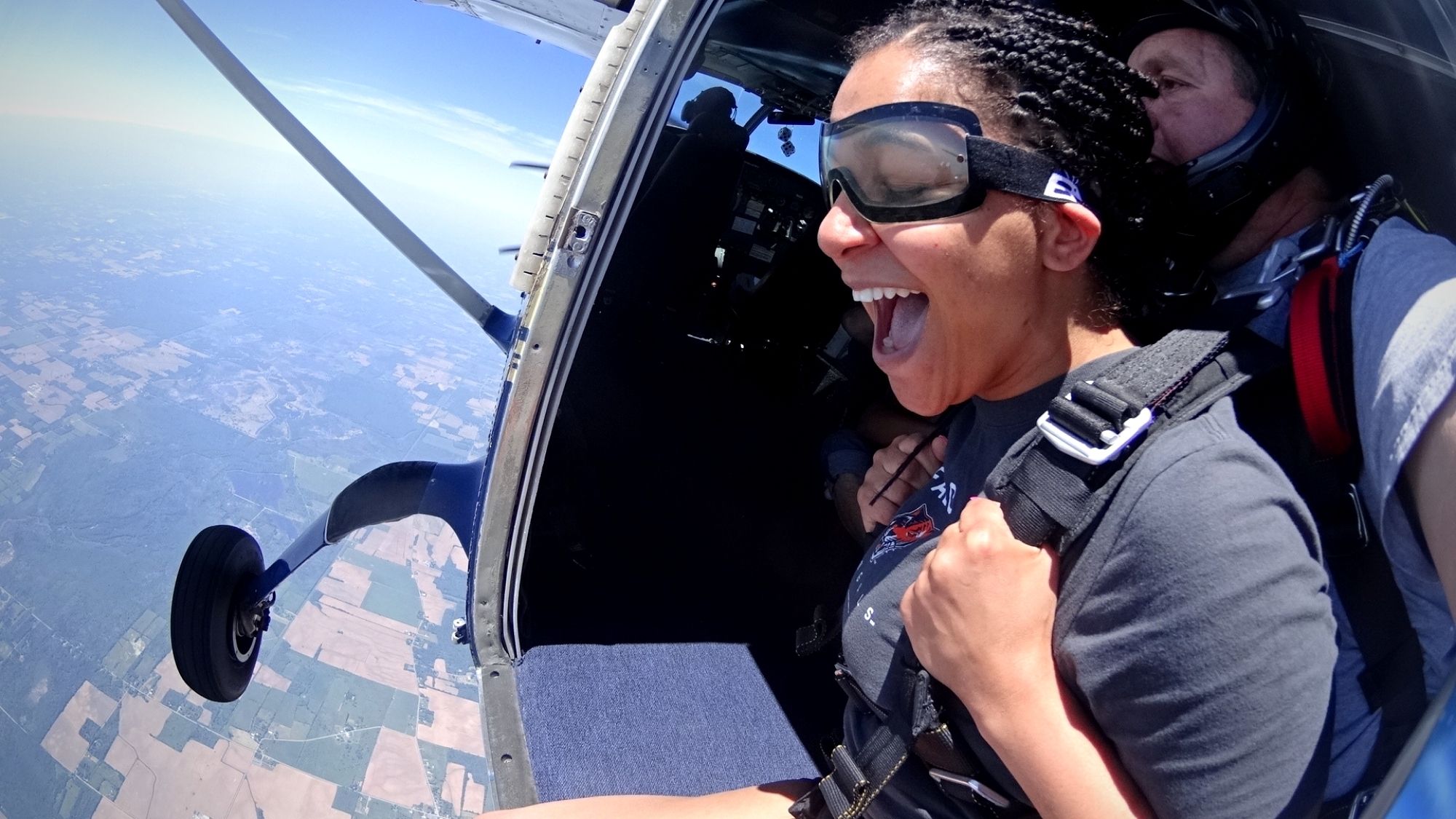
As you approach jump altitude, your instructor will perform final gear checks and review hand signals one more time. When the door opens, the rush of wind and the view below triggers a powerful adrenaline response. This moment separates those who back out from those who take the leap.
During the exit, trust your instructor completely and follow their commands. They control the jump from start to finish during a tandem skydive. Your job is simply to maintain the proper body position and enjoy the experience.
Freefall lasts about 45 to 60 seconds depending on your exit altitude. Time seems to move differently during freefall with some moments feeling like they last forever while others pass in a blink. Try to keep your eyes open and take in the incredible view because this part goes by quickly.
When the parachute deploys, you will feel a sudden but gentle deceleration. The noise of rushing wind disappears and you can finally hear your instructor speak normally. The canopy ride lasts several minutes and provides a peaceful contrast to the intense freefall experience.
Common Beginner Mistakes and How to Avoid Them
One of the most common mistakes first-timers make is forgetting to breathe during freefall. The intensity of the experience can cause you to hold your breath without realizing it. Make a conscious effort to breathe normally throughout the entire jump.
Another frequent error is tensing up during exit and freefall. Staying relaxed helps you maintain the proper body position and makes the experience more enjoyable. If you notice yourself getting stiff, take a deep breath and consciously relax your muscles.
Many beginners close their eyes during the exit or freefall because the intensity feels overwhelming. Fight this urge and keep your eyes open as much as possible. You are paying for this incredible experience, so you want to actually see and remember it.
Overthinking the landing causes problems for some first-time jumpers. Your instructor handles the landing during a tandem jump, so you just need to lift your legs when they tell you. Trust their expertise and follow their instructions without trying to help or second-guess their decisions.
Mental Tips to Reduce Fear and Build Confidence
Reframe your fear as excitement because these emotions create similar physical sensations in your body. Instead of saying you feel scared, tell yourself you feel excited and ready for adventure. This simple mental shift can significantly reduce anxiety.
Focus on the present moment rather than worrying about future steps. When you are on the ground, focus on training. During the plane ride, focus on the view and your breathing. This mindfulness approach prevents your mind from spiraling into worst-case scenarios.
Remember that skydiving is statistically very safe when conducted at reputable dropzones with certified instructors. Understanding the actual risks versus perceived risks helps many people feel more comfortable. For perspective on safety statistics, you can learn more about car vs skydiving death statistics risk comparison which shows that driving to the dropzone often presents greater risk than the jump itself.
Connect with your instructor and build trust before the jump. These professionals have completed thousands of jumps and genuinely care about your safety and experience. Seeing their calm confidence often transfers to students and helps reduce pre-jump jitters.
Safety Tips Every First-Timer Should Know
Choose a dropzone with an excellent safety record and proper certifications. In the United States, look for dropzones that are members of the United States Parachute Association. These facilities follow strict safety standards and maintain their equipment according to industry best practices.
Be completely honest on your medical waiver about any health conditions. Certain medical issues can make skydiving dangerous, and instructors need accurate information to keep you safe. Conditions like heart problems, seizures, or recent surgeries may disqualify you from jumping.
Follow every instruction exactly as your instructor provides it. They give specific commands for good reasons based on years of training and experience. Even if something feels uncomfortable or counterintuitive, trust their guidance.
Understand that weather plays a crucial role in skydiving safety. Dropzones will cancel or delay jumps when conditions are not ideal. While disappointing, these decisions protect your safety and should be respected without complaint.
The reality is that skydiving deaths per year worldwide remain extremely low compared to the millions of jumps completed annually. Modern equipment, rigorous training, and strict safety protocols make recreational skydiving one of the safest adventure sports available today.
What Happens After Your First Skydive
Most dropzones offer photo and video packages that capture your entire experience from multiple angles. These recordings provide amazing keepsakes and proof of your accomplishment. Decide before your jump whether you want this service because adding it afterward is often not possible.
The emotional aftermath of skydiving varies from person to person. Some people feel euphoric and energized for days after their jump. Others experience a temporary emotional low as they return to regular life after such an intense high. Both reactions are completely normal.
Many first-time jumpers immediately want to schedule their next jump. If skydiving captures your heart, ask about licensing programs that teach you to jump solo. The journey from first-time student to licensed skydiver takes time and commitment but offers incredible rewards.
Share your experience with friends and family who will appreciate your accomplishment. Your story might inspire others to face their own fears and try new adventures. Just be prepared for lots of questions because people are naturally curious about what skydiving feels like.
Are you ready to take the leap and experience the thrill of a lifetime? Visit Skydive Guides today to find the perfect dropzone near you and start planning your first jump. Our comprehensive resources help you prepare mentally and physically for this incredible adventure. Do not let fear hold you back from creating memories that will last forever.
Frequently Asked Questions
How scary is skydiving for first-timers?
Most first-time skydivers report that the anticipation feels scarier than the actual jump. Once you exit the plane, the experience shifts from fear to exhilaration. The freefall sensation does not feel like falling because you are moving horizontally as much as vertically. Your instructor’s calm presence and the breathtaking views help override fear with excitement.
What age do you have to be to skydive?
In most countries, you must be at least 18 years old to skydive. Some dropzones accept 16 or 17-year-olds with parental consent, but this varies by location and local regulations. There is typically no upper age limit as long as you are in reasonable health and receive medical clearance if needed.
How long does a first-time skydive take from start to finish?
Plan for about three to four hours at the dropzone for your first tandem skydive. This includes time for paperwork, training, gear fitting, waiting for your load, the flight to altitude, the jump itself, and post-jump activities. Weather delays can extend this time, so avoid scheduling other commitments immediately after your jump.
Can you breathe during freefall?
Yes, you can breathe normally during freefall. The rushing wind does not prevent breathing despite how it might look in videos. Many first-timers worry about this, but thousands of feet of air above you provides plenty of oxygen. Remember to breathe regularly throughout the experience rather than holding your breath.
What if I am afraid of heights?
Interestingly, many people with a fear of heights enjoy skydiving without problems. The altitude is so extreme that your brain does not process it the same way as standing on a ladder or tall building. The lack of immediate ground reference points makes the height feel less intimidating than expected.