
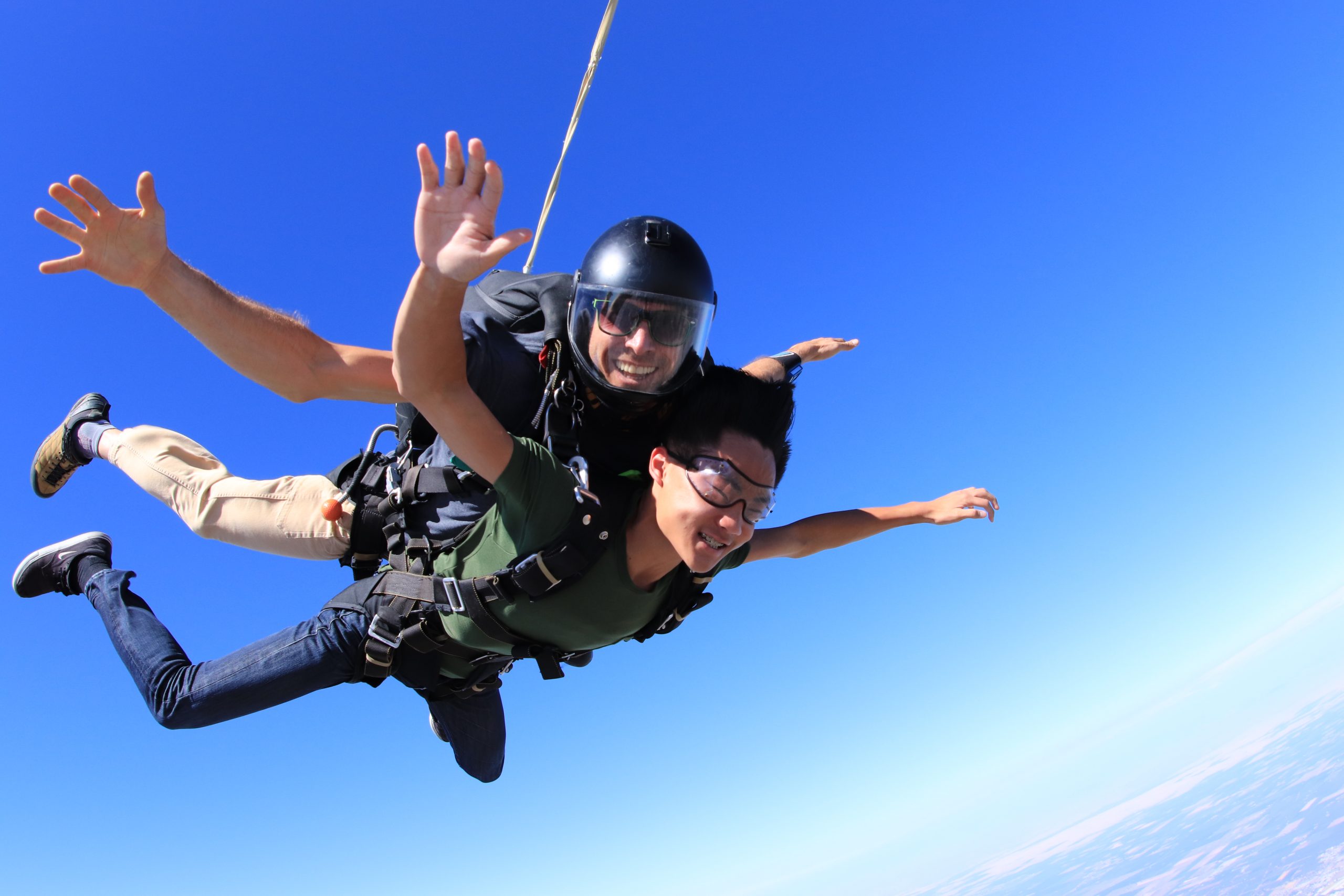
If it’s your first time booking a skydive, one of the most confusing decisions is:
“Which skydiving dropzone should I choose?”
With so many options, price differences, safety standards, and marketing claims, it’s important to understand what truly matters.
This beginner-friendly guide will walk you through the key factors to consider—so you can book your jump with confidence.
🧩 What Is a Skydiving Dropzone?
A dropzone (DZ) is the skydiving center that provides:
- aircraft for jumps
- certified instructors
- tandem experiences
- training programs
- safety briefings
- landing area
Think of it as the “home base” of the entire skydiving experience.
🛑 Don’t Pick a Dropzone Just by Price
It’s tempting to choose the cheapest option, but price alone is not a good indicator.
The right dropzone should provide:
✔ trained instructors
✔ modern gear
✔ clear safety briefings
✔ insurance compliance
✔ proper landing zones
You are paying for experience + professionalism + safety standards — not just a plane ride up.
Breath control helps calm nerves in freefall — for simple breathing awareness, check:
👉 YogaSniff.com → breathing exercises for beginners
🧠 Key Factors to Consider When Choosing a Dropzone
Here are the most important factors beginners should check:
1. Instructor & Safety Certifications
Choose dropzones affiliated with recognized skydiving bodies such as:
- USPA (United States Parachute Association) in the USA
- BPA (British Parachute Association) in the UK
- APF (Australian Parachute Federation) in Australia
- NZPIA in New Zealand
- FFP (Fédération Française de Parachutisme) in France
These associations set:
✔ instructor rating standards
✔ training protocols
✔ gear inspection rules
✔ safety reporting guidelines
Tip: If a DZ avoids mentioning certifications, that’s a red flag.
2. Tandem Instructor Experience
Ask or check online for:
- Total tandem jumps completed
- Years of experience
- Training background
More experience = smoother anxiety handling for beginners.
3. Aircraft Types & Capacity
Different dropzones use different aircraft such as:
✈ Cessna 182
✈ PAC 750XL
✈ Twin Otter
✈ Caravan
✈ Skyvan
Bigger aircraft = faster climbs + group jumps.
Small aircraft = scenic climbs + intimate experience.
Neither is “better,” just different.
4. Gear & Equipment Quality
A reputable dropzone will use modern gear such as:
✔ Automatic Activation Device (AAD)
✔ Reserve parachutes
✔ Recent container and harness models
Ask this simple question:
“Do you use AADs on student rigs?”
Good dropzones always say Yes.
5. Weather Conditions & Scenic Value
Some dropzones offer:
🌊 Coastal views
⛰ Mountain views
🌆 City skyline views
🏜 Desert views
🌲 Forest landscapes
Others are more practical for training but less scenic.
If photos & video matter → choose scenic.
If licensing/ training matters → choose practical.
6. Reviews & Reputation
Check reviews on:
- Google Maps
- TripAdvisor
- Skydiving forums
- Reddit communities
Look for patterns in reviews:
✔ safety
✔ customer service
✔ communication
✔ gear condition
✔ video/photo quality
Avoid DZs with repeated complaints about poor safety communication.
7. Video & Photo Packages
Ask if they offer:
- Hand-cam footage
- Outside camera flyer
- Both combined
Pro tip: Outside camera flyer looks best for social media because:
📸 more angles
📸 full-body shots
📸 canopy views
📸 landing views
Worth the upgrade if you want content.
8. Pricing Transparency
Be careful of hidden fees:
❌ gear rental fees
❌ fuel surcharges
❌ weekend surcharges
❌ mandatory video add-ons
Good dropzones display complete pricing upfront.
9. Age, Weight & Health Requirements
Most DZs have:
✔ age limits (usually 18+)
✔ weight limits (varies 90–120kg)
Always check their exact limits before booking.
10. Booking Flexibility & Refund Policy
Good signs:
✔ free rescheduling due to weather
✔ refund for weather cancellations
✔ clear policy pages
Avoid places with no refund policy at all.
🗺 How to Find Dropzones Near You
Use trusted directories and associations like:
✔ USPA Dropzone Finder
✔ APF Dropzone Locator
✔ BPA Dropzone Directory
These filters help narrow down:
- location
- training availability
- tandem options
- student programs
💸 Cost Comparison: What Affects Price
Skydiving prices vary depending on:
| Factor | Effect |
|---|---|
| Aircraft Type | Bigger planes cost more |
| Scenic Location | Coastal/mountain areas cost more |
| Instructor Experience | Senior instructors cost more |
| Video Packages | Adds $50–$180 |
| Weekends vs Weekdays | Weekend jumps cost more |
Price range (approximate):
$180 – $350 for tandem (varies by country)
🧩 Indoor vs Outdoor Dropzones
Indoor tunnels (wind tunnels) are:
✔ safe for kids
✔ year-round
✔ close to cities
✔ training-friendly
Outdoor skydiving is:
✔ real freefall + parachute
✔ weather dependent
✔ travel-specific
✔ scenic
Both can prepare first-timers, but they are not the same experience.
🧭 If You Want the Best Training Experience
Choose DZs that offer:
✔ AFF (Accelerated Freefall)
✔ IAD (Instructor Assisted Deployment)
✔ Tunnel + AFF bundles
✔ License programs
✔ Coaching for progression
These are serious training dropzones.
👉 what to wear skydiving
👉 first time skydiving tips
If you love ocean adventures too, check:
👉 ScoobaDiveGuide.com → beginner scuba awareness
❓ Frequently Asked Questions
Q1: Should I choose the closest dropzone?
Not always. Certifications and reviews matter more than distance.
Q2: Is a bigger dropzone always better?
Not necessarily — smaller DZs offer personalized attention.
Q3: Are all dropzones safe?
Standards vary. Choose certified DZs with trained instructors.
Q4: Should I choose scenic or cheaper?
If photos matter → scenic.
If training matters → practical.
Q5: Do I need to book in advance?
Yes, especially on weekends or peak season.
🏁 Final Thoughts
Choosing the right skydiving dropzone isn’t about scoring the cheapest deal — it’s about:
✔ trusted instructors
✔ proven safety standards
✔ transparent pricing
✔ good aircraft
✔ solid reviews
Pick a DZ you feel comfortable with, so your first skydive becomes an unforgettable experience for all the right reasons.