
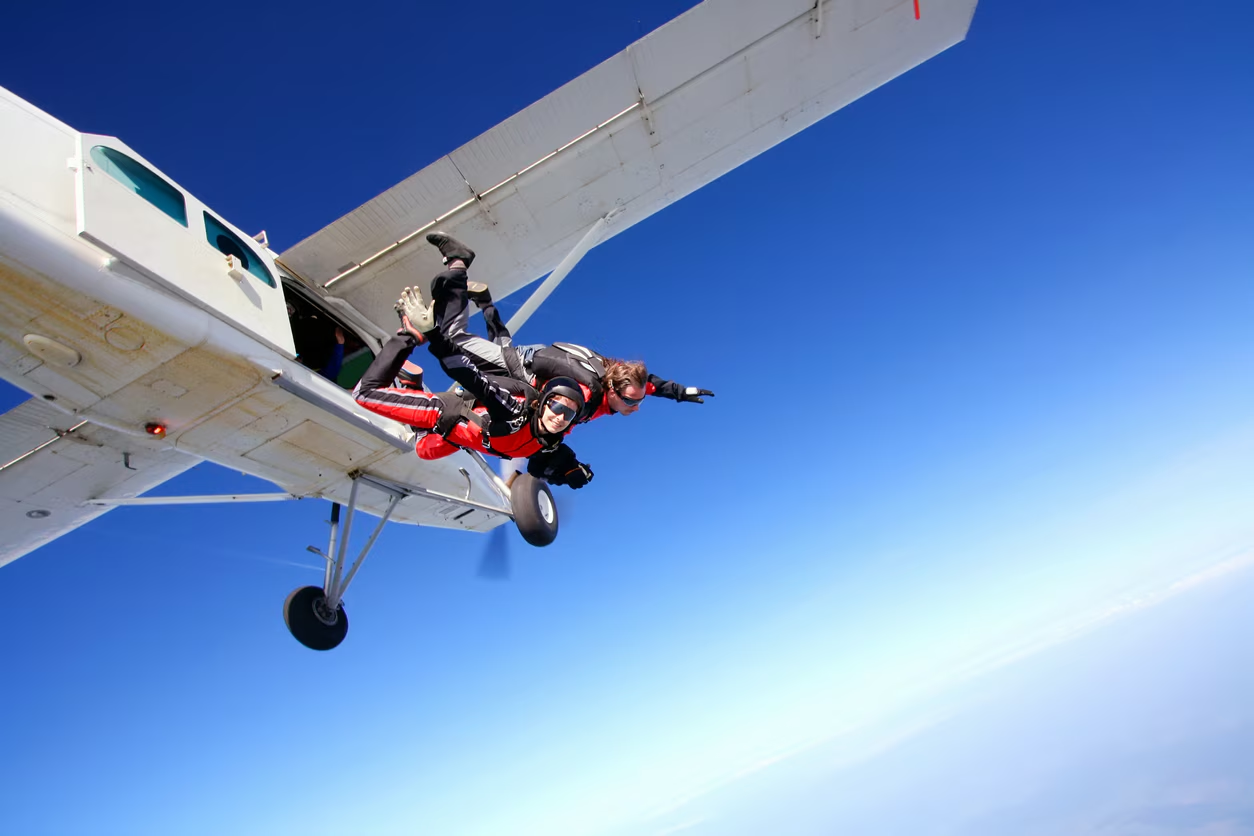
Skydiving is often seen as one of the most extreme adventure sports in the world. If you’re thinking about trying it for the first time, the biggest question on your mind is probably:
“Is skydiving safe for beginners?”
The short answer is yes — when done correctly, skydiving is considered very safe, especially for first-time jumpers. However, understanding the risks, safety systems, and real statistics is essential before taking the leap.
This guide explains everything beginners need to know about skydiving safety in the United States — without exaggeration or fear-based information.
Is Skydiving Safe for First-Time Jumpers?
Yes, skydiving is generally safe for beginners, especially when done as a tandem jump with a certified instructor.
In a tandem skydive:
- You are securely attached to a licensed instructor
- The instructor controls the parachute
- Emergency systems are built into the gear
- Strict safety checks are followed
According to US skydiving safety data, tandem skydives have one of the lowest accident rates among adventure sports.
Most beginner accidents occur due to:
- Ignoring instructions
- Poor weather conditions
- Health issues not disclosed beforehand
When rules are followed, the risk is extremely low.
How Safe Is Skydiving Compared to Other Activities?
Many people assume skydiving is more dangerous than everyday activities, but statistics tell a different story.
| Activity | Risk Level |
|---|---|
| Driving a car | Higher |
| Riding a motorcycle | Much higher |
| Scuba diving | Similar |
| Skydiving (tandem) | Very low |
| Commercial flying | Lower |
Skydiving appears risky because it feels extreme, but in reality, modern safety systems and training make it surprisingly safe.
Why Skydiving Is Safe for Beginners
1. Tandem Jump System
Beginners never jump alone. You are attached to a professional instructor who:
- Controls freefall
- Deploys the parachute
- Manages landing
2. Automatic Activation Device (AAD)
Every modern parachute system has an AAD, which:
- Detects altitude
- Automatically deploys the parachute if needed
- Acts as a backup safety system
3. Strict US Safety Regulations
In the United States:
- Drop zones must follow FAA guidelines
- Equipment must be inspected regularly
- Instructors require certification and experience
4. Weather Monitoring
Skydives are cancelled if:
- Wind speed is high
- Visibility is low
- Weather becomes unpredictable
Safety always comes before profit.
Is Skydiving Safe for Beginners With Medical Conditions?
This is an important concern.
Skydiving may not be safe if you have:
- Heart conditions
- High blood pressure
- Epilepsy
- Recent surgeries
- Severe asthma
- Back or spinal problems
Most drop zones require a medical declaration form, and some conditions need doctor approval.
If you’re unsure, it’s best to consult a physician before booking.
What Are the Actual Risks for Beginners?
While skydiving is safe, it is not risk-free.
Common (Minor) Risks:
- Temporary dizziness
- Ear pressure
- Light bruising
Rare Risks:
- Hard landing
- Parachute malfunction
- Disorientation during freefall
Extremely Rare:
- Serious injury
- Fatal accident
Statistically, the chance of a fatal accident in skydiving is less than 1 in 200,000 jumps.
Who Should Avoid Skydiving?
Skydiving may not be suitable for:
- Pregnant individuals
- People with heart problems
- Those with recent surgeries
- Individuals over weight limits set by drop zones
Most US drop zones clearly list eligibility requirements before booking.
What Makes Skydiving Safer Today Than Before?
Modern skydiving has improved due to:
- Advanced parachute technology
- Automatic deployment systems
- Better instructor training
- Digital weather tracking
- Improved landing zones
These advancements have dramatically reduced risk over the last two decades.
Related Safety Guides
For deeper safety information, you can also read:
👉 Skydiving Insurance Cost in the USA
👉 Skydiving Age Limit in the USA
Final Verdict: Is Skydiving Safe for Beginners?
✅ Yes — skydiving is safe for beginners
✅ Especially when done as a tandem jump
✅ Modern equipment makes it highly secure
✅ Most risks are controlled and predictable
⚠️ Safety depends on health, weather, and following instructions
If you choose a licensed drop zone, follow guidelines, and disclose medical conditions honestly, skydiving is one of the safest adventure sports you can try.