
Skydiving is one of those thrilling activities that many people dream about but few dare to try. The biggest question holding most people back is simple: what is the risk of dying when skydiving? If you’re reading this article, chances are you’ve wondered about the actual danger involved in jumping out of a perfectly good airplane. Let’s break down the real statistics, compare them to everyday activities, and help you understand what the numbers truly mean.
What Is the Risk of Dying When Skydiving?
The risk of dying in skydiving is much lower than most people think. According to recent data from the United States Parachute Association, the fatality rate for skydiving stands at approximately 0.39 deaths per 100,000 jumps. This means that if 100,000 people went skydiving, less than one person would die from the activity.
To put this in perspective, you have a better chance of being struck by lightning in your lifetime than dying during a tandem skydive. The sport has become remarkably safer over the past few decades thanks to improved equipment, better training standards, and stricter safety protocols across the industry.
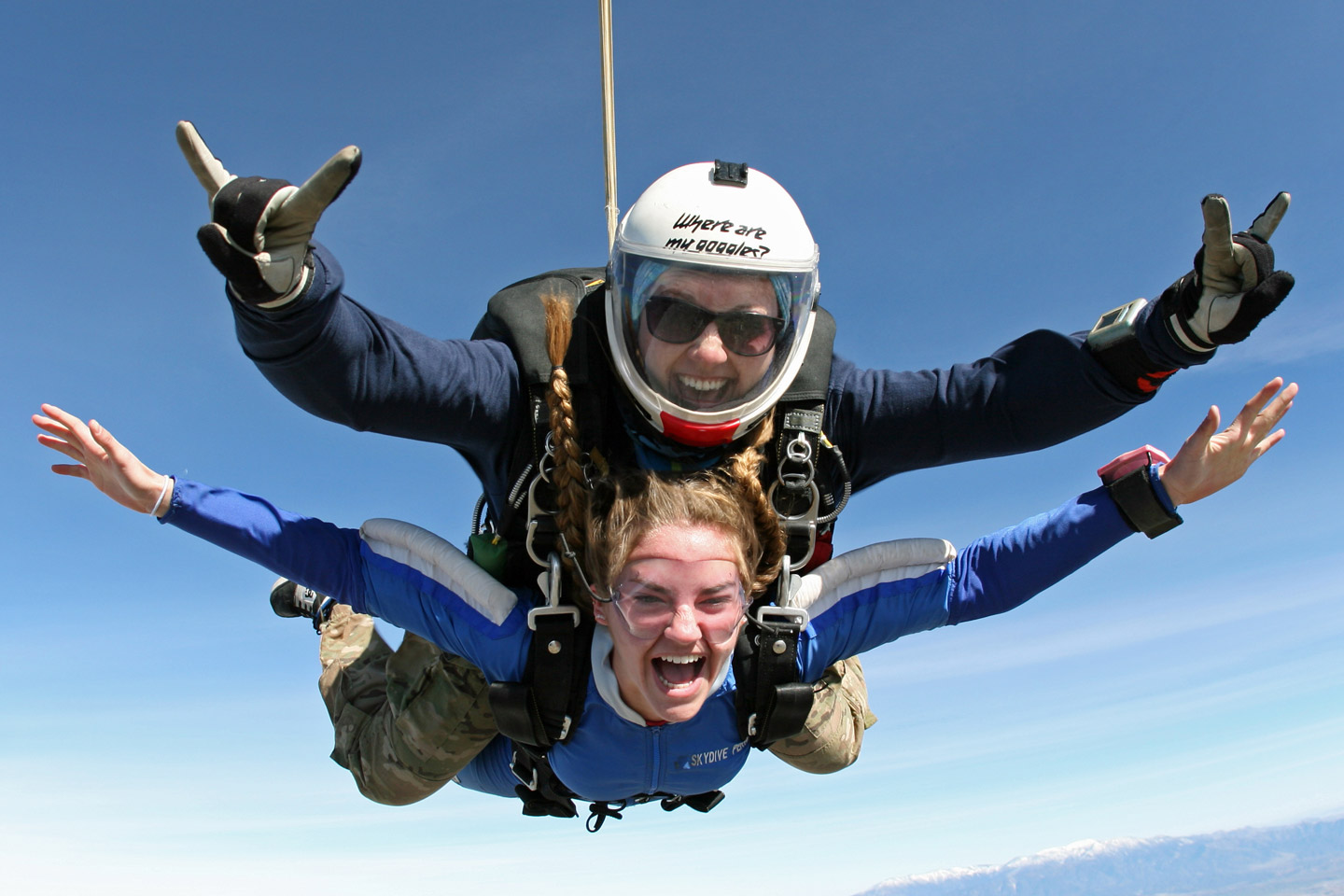
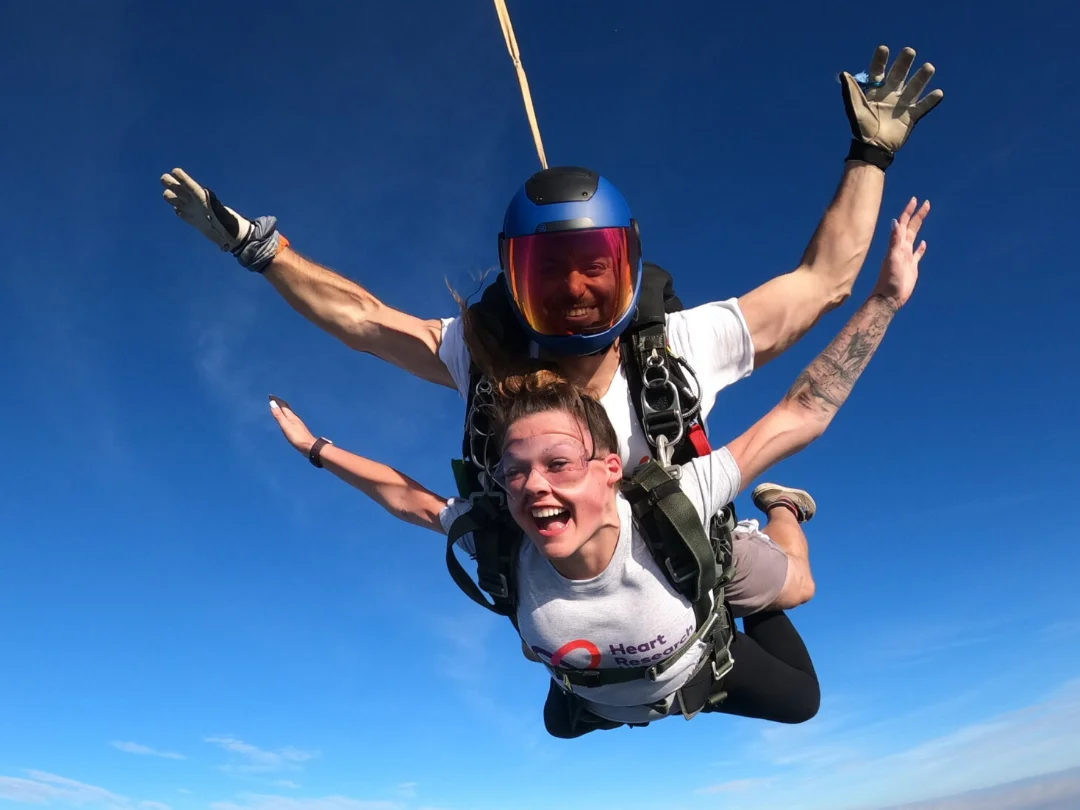
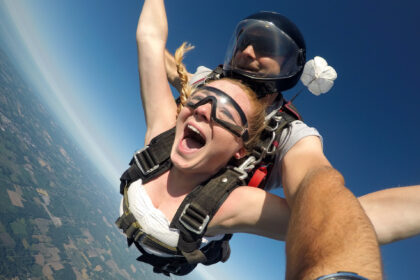
When you look at tandem skydiving specifically, which is what most first-time jumpers do, the odds of dying skydiving tandem are even lower. Tandem jumps are statistically the safest form of skydiving because you’re attached to an experienced instructor who has completed thousands of jumps and knows exactly how to handle any situation that might arise during the descent.
Chances of Dying Skydiving vs Car Accident
Here’s where things get really interesting. When we compare the risk of dying in skydiving to everyday activities, the numbers reveal some surprising truths. The chances of dying in a car accident are actually much higher than dying while skydiving.
You’re more likely to die driving to the drop zone than you are during the actual skydive itself. According to traffic safety statistics, the odds of dying in a car crash in the United States are roughly 1 in 107 over a lifetime. Compare that to the odds of dying in a single skydive, which are about 1 in 250,000, and you start to see skydiving in a different light.
This doesn’t mean driving is dangerous and you should avoid it. What it means is that our perception of risk often doesn’t match the actual statistical reality. We drive cars every day without thinking twice because it feels normal and familiar. Skydiving feels dangerous because it’s unusual and our brains aren’t wired to think jumping out of planes is safe, even when the numbers show otherwise.
The skydiving death rate comparison with other recreational activities also shows interesting patterns. You’re more likely to die while cycling, swimming, or even playing football than you are during a properly conducted tandem skydive. The difference is that we’ve normalized these other activities while skydiving remains in the category of extreme sports in most people’s minds.
Skydiving Deaths Per Year Worldwide
When we look at the global picture, the numbers continue to tell a reassuring story. While exact worldwide statistics can be difficult to compile because different countries have different reporting standards, estimates suggest that skydiving deaths per year worldwide number in the low hundreds out of millions of jumps performed annually.
In the United States alone, skydivers complete over three million jumps each year. Out of these millions of jumps, the number of fatalities typically ranges between 10 and 40 annually in recent years. When you consider the sheer volume of jumps happening, this reinforces just how rare fatal accidents actually are.
The skydiving death rate in India and other developing countries can sometimes be slightly higher due to variations in equipment standards, training requirements, and regulatory oversight. However, reputable skydiving operations around the world follow similar safety protocols regardless of location. If you’re planning to skydive anywhere, always research the drop zone thoroughly and make sure they follow international safety standards.
Regional Safety Considerations
The risk of dying in skydiving California or any other specific location in the United States is generally consistent with national averages. California, being home to many popular drop zones and a large skydiving community, maintains strict safety standards and experienced instructors at most facilities.
What matters more than location is choosing a reputable skydiving center. Look for facilities that are certified by national organizations, have experienced instructors with thousands of jumps under their belts, maintain their equipment properly, and have strong safety records. These factors make a much bigger difference than which state or country you’re jumping in.
What Online Communities Say
If you’ve spent time exploring the risk of dying in skydiving Reddit discussions, you’ll find that experienced skydivers often emphasize the same points. The community consistently highlights that modern skydiving equipment is incredibly reliable, with multiple backup systems in place. Every tandem rig has a main parachute, a reserve parachute, and an automatic activation device that will deploy the reserve if you’re falling too fast at a certain altitude.
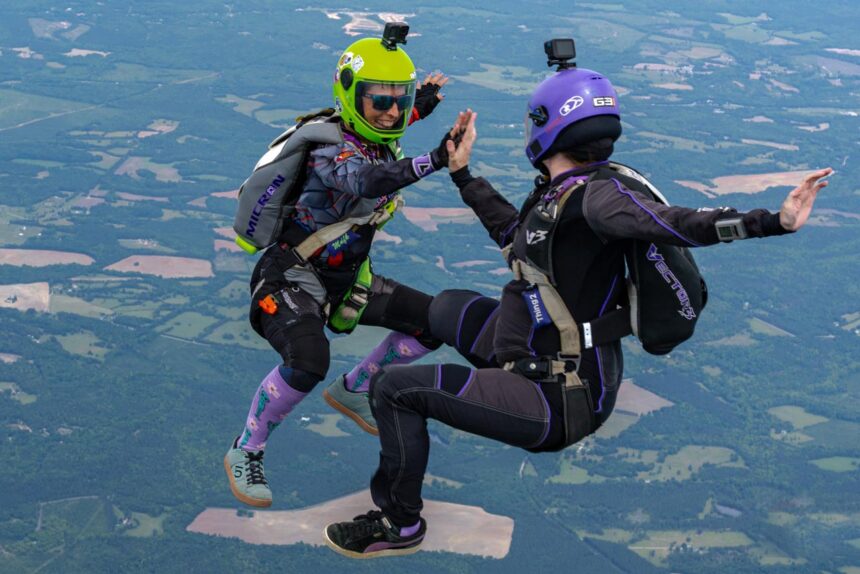
Experienced jumpers also point out that most skydiving fatalities involve experienced solo jumpers who are attempting advanced maneuvers, not tandem students attached to instructors. This is an important distinction because it means the already low risk becomes even lower for first-time jumpers doing tandem skydives.
Why Skydiving Is Safer Than Ever
The continuous improvement in skydiving safety over the past decades comes from several factors working together. Equipment technology has advanced dramatically, with modern parachutes being more reliable and easier to control than ever before. Reserve parachutes are now packed by certified riggers and inspected regularly according to strict schedules.
Training standards have also improved significantly. Instructors must complete extensive training programs and maintain their certifications through ongoing education and regular jumps. The professionalization of the sport means that the people responsible for your safety during a tandem jump are highly skilled professionals who take their responsibilities seriously.
Drop zones also follow detailed safety procedures for every aspect of the operation. From weather monitoring to aircraft maintenance to student briefings, every step of the process has protocols designed to minimize risk. This systematic approach to safety is why the fatality rate continues to decrease even as more people participate in the sport.
Making Your Decision
Understanding the actual risk of dying in skydiving helps you make an informed decision about whether to try this incredible sport. The statistics show that skydiving is far safer than most people believe. You take greater risks during your daily commute than you would during a tandem skydive at a reputable facility.
That said, skydiving is not completely risk-free. No activity is. The question isn’t whether there’s any risk at all, but whether the risk is acceptable given the proper safety measures in place. For most people, once they understand the real numbers and see how seriously the industry takes safety, the decision becomes much easier.
If you’re still nervous, that’s completely normal. Fear of heights and fear of falling are natural human instincts that helped our ancestors survive. Your brain is doing its job by making you cautious. The key is understanding that modern skydiving operations have systems in place specifically designed to overcome the risks that your instincts are warning you about.
At SkydiveGuides.com, we believe in helping people make informed decisions about skydiving. Whether you decide to take the leap or not, understanding the real statistics rather than relying on fear or assumptions is the first step. If you’re ready to experience the thrill of freefall, make sure to choose a certified drop zone with excellent safety records and experienced instructors who will guide you through every moment of your jump.
Frequently Asked Questions
What is the actual risk of dying when skydiving?
The risk of dying during a skydive is approximately 0.39 deaths per 100,000 jumps according to recent statistics. For tandem skydiving specifically, the risk is even lower since you’re jumping with an experienced instructor who manages all safety aspects of the jump.
Is skydiving safer than driving a car?
Statistically, yes. You’re more likely to die in a car accident during your lifetime than you are during a single skydive. The odds of dying in a car crash are roughly 1 in 107 over a lifetime, while the odds of dying during a skydive are about 1 in 250,000 per jump.
How many people die skydiving each year?
In the United States, skydiving fatalities typically range between 10 and 40 deaths annually out of over three million jumps performed each year. Worldwide numbers are estimated to be in the low hundreds out of millions of jumps globally.
What makes modern skydiving safer than it used to be?
Modern skydiving is safer due to improved equipment technology, better training standards for instructors, automatic activation devices on reserve parachutes, stricter regulatory oversight, and comprehensive safety protocols at professional drop zones.
Should I be worried about dying during my first tandem skydive?
While it’s natural to feel nervous, the statistics show that tandem skydiving is extremely safe. You’ll be attached to an experienced instructor with thousands of jumps who manages all technical aspects. Focus on choosing a reputable, certified drop zone with strong safety records.