
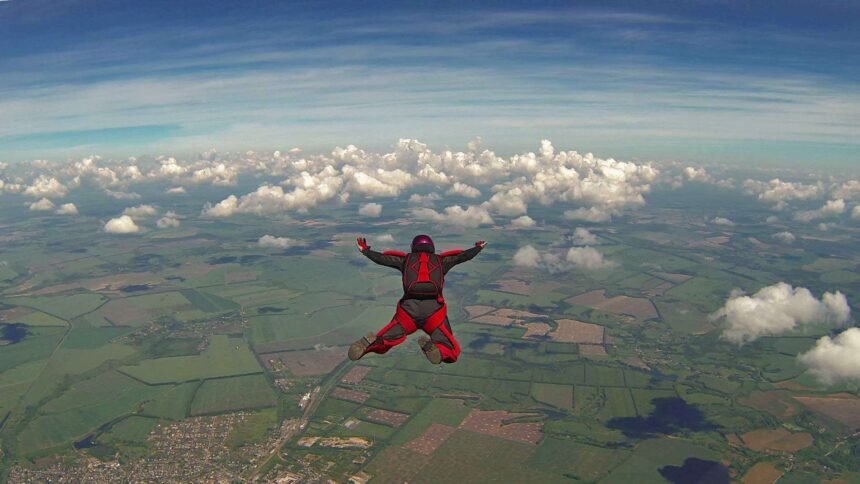
Jumping once is thrilling.
Jumping solo, legally, and safely is life-changing.
- 🔑 Key Takeaways (Quick Scan)
- What Is a Skydiving A-License?
- Who Is This Beginner Guide For?
- Skydiving A-License Requirements (2026)
- Step-by-Step: How to Get Your A-License
- A-License vs Tandem: Quick Comparison
- Cost Breakdown: What to Expect
- Safety Records: Is Solo Skydiving Safe?
- 🎯 Pro-Tip from Real Dropzone Experience
- How Long Does It Take to Get an A-License?
- FAQs – Skydiving A-License
If you’ve already done a tandem skydive and now you’re searching for Skydiving A-License requirements, this guide is written exactly for you. It’s beginner-friendly, safety-first, and based on real dropzone experience.
🔑 Key Takeaways (Quick Scan)
- An A-License lets you skydive solo without an instructor
- You need 25 jumps, training, and exams to qualify
- Safety records show licensed jumpers are significantly safer
- Cost ranges between $2,500–$4,000 USD
- Time required: 2–8 weeks depending on weather and consistency
- This guide follows 2026 updated standards
What Is a Skydiving A-License?
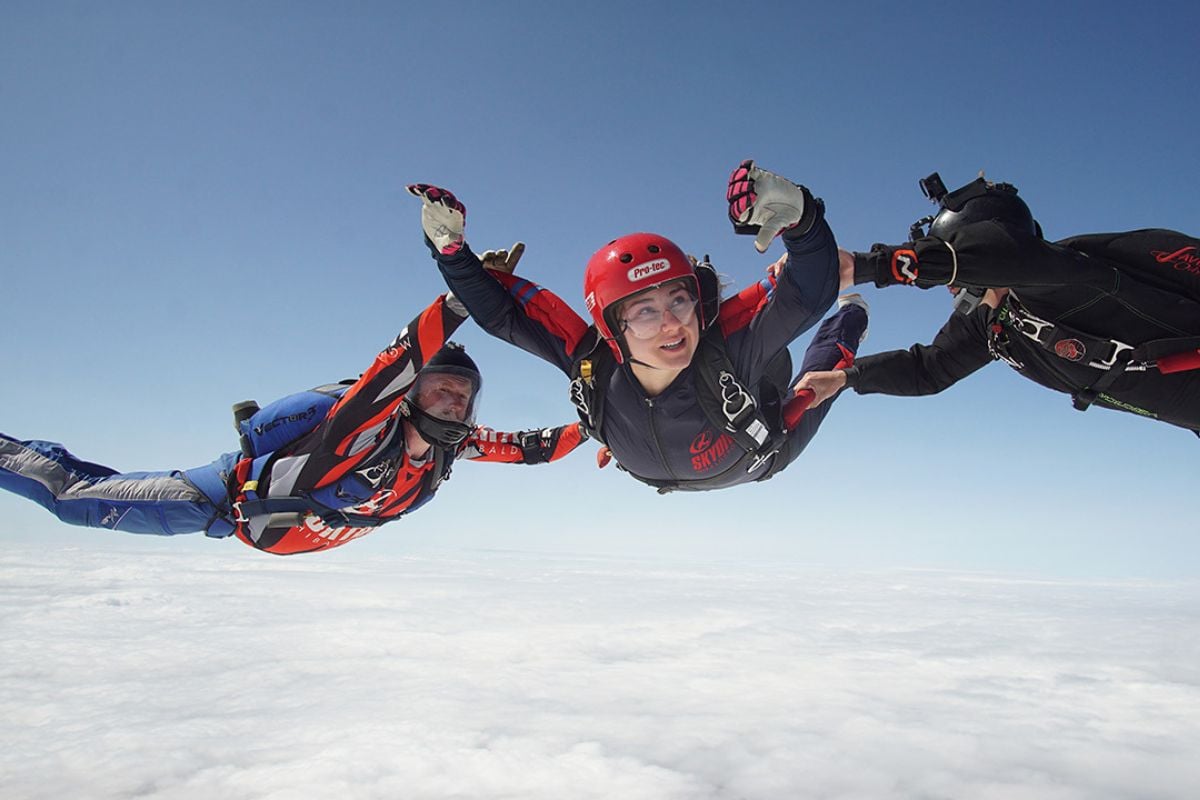
A Skydiving A-License is your official certification that proves you can jump, deploy, land, and handle emergencies on your own.
It’s the first solo license in skydiving and the gateway to:
- Fun jumps
- Group jumps
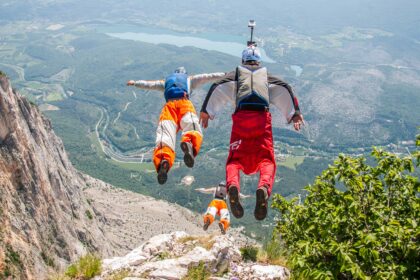
- Wingsuit progression
- International skydiving
Most dropzones follow standards set by United States Parachute Association or equivalent national bodies.
Who Is This Beginner Guide For?
This guide is perfect if:
- You’ve done 1–3 tandem jumps
- You want to skydive without an instructor
- You’re comparing skydiving rate vs safety
- You want clear steps, not confusion
Skydiving A-License Requirements (2026)
✅ Basic Eligibility
To start your A-License journey, you must:
- Be 18 years or older
- Be in reasonable physical health
- Complete a tandem skydive
- Enroll at a certified dropzone
No extreme fitness needed—mental focus matters more.
✅ Mandatory Jump Requirement
You must complete:
- 25 logged skydives
- Combination of:
- Instructor-assisted jumps
- Supervised solo jumps
Each jump builds skills, not just numbers.
Step-by-Step: How to Get Your A-License
🪂 Step 1: Do a Tandem Skydive
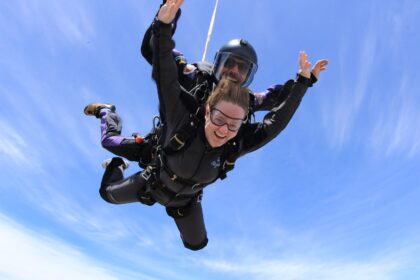
Your first tandem jump:
- Confirms you enjoy skydiving
- Introduces altitude awareness
- Builds trust in equipment
Most people decide about licensing after landing.
🪂 Step 2: Enroll in AFF Program
AFF (Accelerated Freefall) is the fastest and safest path.
You’ll learn:
- Body position
- Stable exits
- Altitude awareness
- Emergency procedures
This is where safety records really matter.
🪂 Step 3: Ground School (Non-Negotiable)
Ground school usually takes 6–8 hours.
You’ll cover:
- Equipment checks
- Canopy control
- Emergency scenarios
- Landing patterns
Pro insight: Students who rush ground school repeat jumps more often.
🪂 Step 4: Instructor-Assisted Freefall Jumps
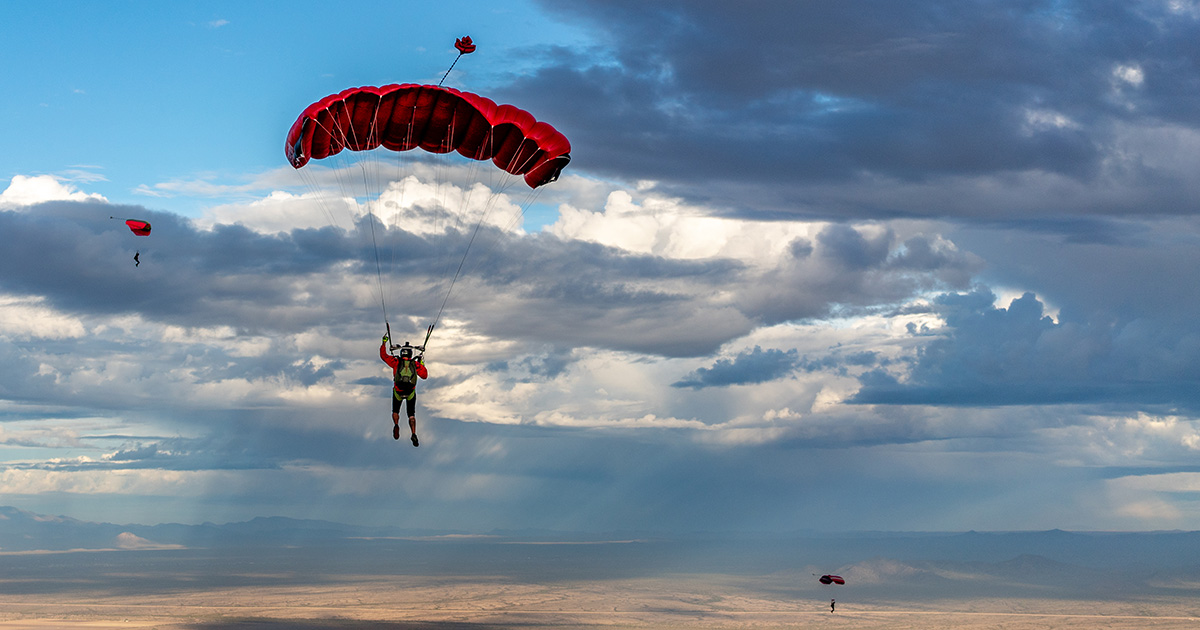
These jumps include:
- 2 instructors holding you
- Real-time corrections
- Confidence building
You’re learning muscle memory, not bravery.
🪂 Step 5: Solo Supervised Jumps
Once cleared:
- You jump alone
- Instructors observe from ground/air
- Feedback is detailed
This stage separates casual jumpers from serious ones.
🪂 Step 6: Canopy Control Training
Many accidents happen under canopy, not freefall.
You must demonstrate:
- Accurate landing
- Controlled turns
- Wind awareness
Good canopy skills = strong safety record.
🪂 Step 7: Written Exam
You’ll take a theory test covering:
- Airspace rules
- Equipment basics
- Emergency decision-making
It’s easier than it sounds if you paid attention.
🪂 Step 8: Final Check Dive
An instructor watches:
- Exit stability
- Freefall control
- Deployment altitude
- Safe landing
Pass this, and you’re almost there.
🪂 Step 9: Apply for Your A-License
Submit:
- Logbook
- Instructor signatures
- Exam proof
- Application fee
🎉 You’re now a licensed solo skydiver.
A-License vs Tandem: Quick Comparison
| Feature | Tandem Jump | A-License |
|---|---|---|
| Jump Alone | ❌ No | ✅ Yes |
| Emergency Control | ❌ Instructor | ✅ You |
| Cost per jump | Higher | Lower |
| Safety responsibility | Shared | Personal |
| Skill progression | Limited | Unlimited |
Cost Breakdown: What to Expect
Typical skydiving rate (2026):
- Tandem jump: $200–$300
- AFF program: $1,500–$2,000
- Solo jumps + fees: $800–$1,200
- License fee: $36–$75
💰 Total: $2,500–$4,000 USD
Safety Records: Is Solo Skydiving Safe?

Yes—when trained properly.
Key facts:
- Licensed jumpers have lower incident rates
- Most accidents involve:
- Poor canopy decisions
- Weather misjudgment
- Training drastically reduces risk
Safety isn’t luck. It’s preparation.
🎯 Pro-Tip from Real Dropzone Experience
Don’t chase jump numbers. Chase clean landings.
Students obsessed with finishing fast often:
- Ignore weather cues
- Force bad landings
- Repeat jumps (costly)
Slow, consistent jumpers:
- Learn faster
- Spend less overall
- Build safer habits
How Long Does It Take to Get an A-License?
- Fast-track: 2–3 weeks
- Normal pace: 4–6 weeks
- Weather-delayed: 8+ weeks
Consistency matters more than speed.
FAQs – Skydiving A-License
❓ How many jumps are required for an A-License?
You need 25 logged skydives, including instructor-assisted and solo jumps.
❓ Can I skydive anywhere with an A-License?
Yes, most dropzones worldwide accept it, subject to local rules.
❓ Is an A-License lifetime valid?
Yes, but currency rules apply if you don’t jump regularly.
❓ What happens if I fail a level?
You repeat the jump. It’s normal and part of learning safely.
❓ Is solo skydiving riskier than tandem?
No. Licensed solo skydivers have better safety records due to training and control.
Final Word
If you’ve already tasted freefall, licensing is the real journey.
Take it seriously, train smart, and respect safety.
When done right, your A-License doesn’t just unlock solo jumps—it builds confidence for life. 🪂