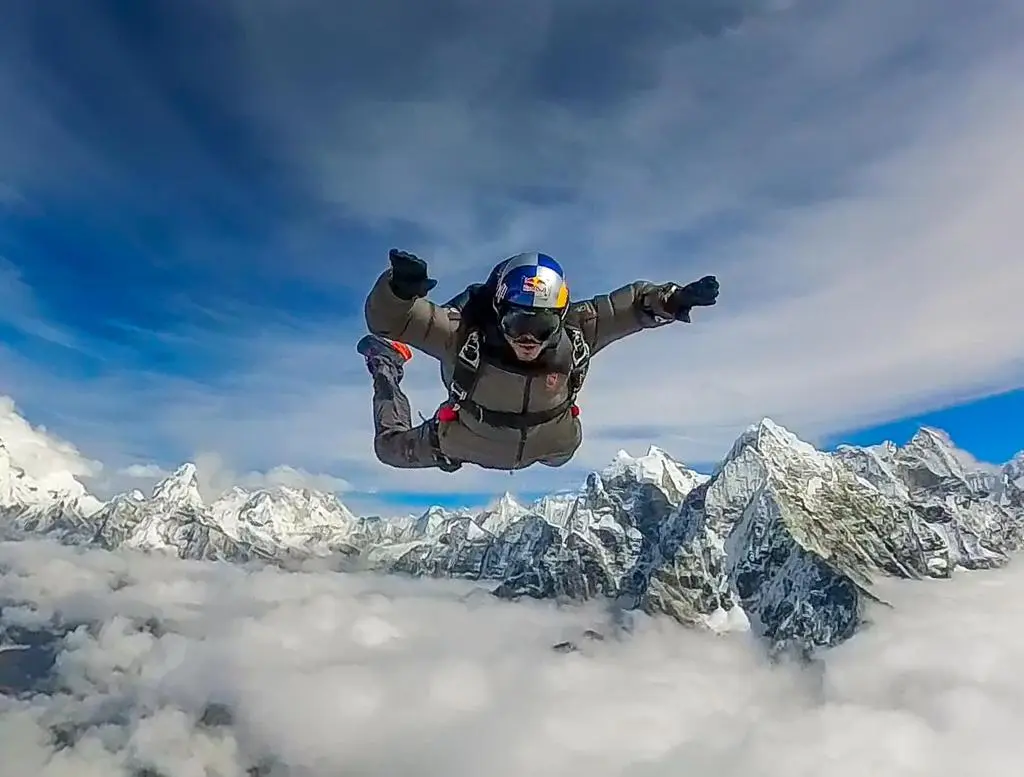


Skydiving is often perceived as an extremely dangerous activity because it involves jumping from an aircraft thousands of feet above the ground. However, modern statistics show that the sport is far safer than many people believe. Understanding the skydiving fatality rate by country helps reveal how safety standards, training procedures, and equipment technology influence accident rates around the world.
- Quick Answer: Skydiving Fatality Rate by Country
- Skydiving Fatality Rate by Country (Estimated Data)
- Why Fatality Rates Differ Between Countries
- Are Fatal Skydiving Accidents Becoming Less Common?
- How Skydiving Safety Compares to Other Activities
- How the Skydiving Process Improves Safety
- The Role of Tandem Skydiving in Safety
- Future Improvements in Skydiving Safety
- Conclusion
- FAQs About Skydiving Fatality Rate
Millions of skydives take place globally every year, and fatal accidents remain extremely rare compared with the total number of jumps performed.
In this guide, we will explore global skydiving fatality statistics, compare safety records between countries, and explain why modern skydiving continues to improve in safety.
Quick Answer: Skydiving Fatality Rate by Country
The global skydiving fatality rate is estimated to be around 1 death per 200,000 jumps.
However, the fatality rate varies slightly between countries depending on:
- number of jumps performed annually
- training standards
- aviation regulations
- weather conditions
Countries with strict skydiving regulations and certified training programs typically maintain the lowest accident rates.
Skydiving Fatality Rate by Country (Estimated Data)
Below is an estimated comparison of fatality rates in popular skydiving countries.
| Country | Annual Skydives | Estimated Fatalities |
|---|---|---|
| United States | 3,000,000+ | 10–15 |
| Australia | 500,000+ | 2–3 |
| New Zealand | 400,000+ | 1–2 |
| United Kingdom | 150,000+ | 0–1 |
| United Arab Emirates | 200,000+ | extremely rare |
Although the United States reports the highest number of fatalities in absolute numbers, this is largely due to the extremely high number of jumps performed each year.
For a broader overview of global participation and safety trends, see our guide on skydiving statistics worldwide.
Why Fatality Rates Differ Between Countries
Several factors influence skydiving safety statistics around the world.
1. Training Standards
Countries with rigorous instructor training programs often have lower fatality rates.
Professional skydiving instructors undergo extensive certification and training programs before supervising student jumps.
You can learn more about this process in our guide on skydiving instructor training.
2. Safety Regulations
Skydiving operations are regulated by aviation authorities in many countries.
Organizations such as the United States Parachute Association (USPA) establish safety guidelines and training standards for skydiving operations.
These regulations ensure:
- certified equipment
- qualified instructors
- standardized safety procedures
3. Equipment Technology
Modern skydiving equipment includes multiple safety systems designed to prevent fatal accidents.
Key innovations include:
- dual parachute systems
- automatic activation devices (AAD)
- digital altitude monitoring
These technologies have dramatically improved safety.
Our guide on skydiving gear technology explains how these systems work.
4. Weather Conditions
Weather conditions can affect skydiving safety.
Countries with stable weather conditions and predictable wind patterns tend to experience fewer skydiving accidents.
Drop zones closely monitor weather forecasts before allowing jumps.
Are Fatal Skydiving Accidents Becoming Less Common?
Yes. Over the past several decades, fatal skydiving accidents have steadily decreased.
Several factors have contributed to this trend:
- improved parachute technology
- better instructor training programs
- stricter safety regulations
- improved aircraft safety standards
These improvements have helped make skydiving significantly safer than in the past.
How Skydiving Safety Compares to Other Activities
Many people assume skydiving is extremely dangerous, but statistics often tell a different story.
| Activity | Fatality Risk |
|---|---|
| Skydiving | ~1 per 200,000 jumps |
| Scuba Diving | higher accident rate |
| Mountain Climbing | significantly higher |
| Motorcycling | much higher risk |
Despite its extreme reputation, skydiving is statistically safer than many everyday activities.
How the Skydiving Process Improves Safety
Modern skydiving operations follow strict procedures designed to minimize risk.
A typical skydive includes:
- safety briefing
- equipment inspection
- aircraft ascent to altitude
- freefall
- parachute deployment
- controlled landing
Our guide on skydiving experience timeline explains each step of this process.
The Role of Tandem Skydiving in Safety
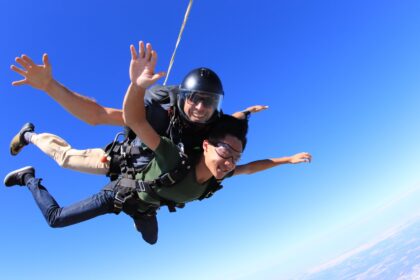
Most beginner skydives are performed as tandem jumps.
During a tandem jump:
- the instructor controls the parachute
- the instructor manages landing procedures
- the instructor monitors altitude and safety systems
Because of this structure, tandem skydiving has one of the lowest accident rates in the sport.
Future Improvements in Skydiving Safety
The skydiving industry continues to adopt new technologies designed to improve safety.
Emerging innovations include:
- smart altitude monitoring devices
- improved parachute materials
- AI-assisted weather prediction
- enhanced training simulators
These innovations will likely continue reducing accident rates worldwide.
Conclusion
The skydiving fatality rate by country shows that modern skydiving is far safer than many people assume. With millions of jumps performed each year and survival rates exceeding 99.99% per jump, skydiving benefits from strict training standards, advanced equipment technology, and highly regulated safety procedures.
Understanding these statistics helps replace fear with facts and demonstrates why skydiving remains one of the most exciting yet well-regulated adventure sports in the world.
FAQs About Skydiving Fatality Rate
What is the global fatality rate for skydiving?
The estimated fatality rate is roughly 1 death per 200,000 jumps.
Which country has the safest skydiving record?
Countries with strict aviation regulations and certified instructor programs generally maintain the lowest fatality rates.
Is tandem skydiving safer than solo skydiving?
Yes. Tandem skydiving is considered the safest option for beginners.
What causes most skydiving fatalities?
Most accidents occur due to human error, risky maneuvers, or poor weather conditions, rather than equipment failure.
Is skydiving becoming safer?
Yes. Advances in technology, training programs, and safety regulations continue to improve skydiving safety worldwide.