
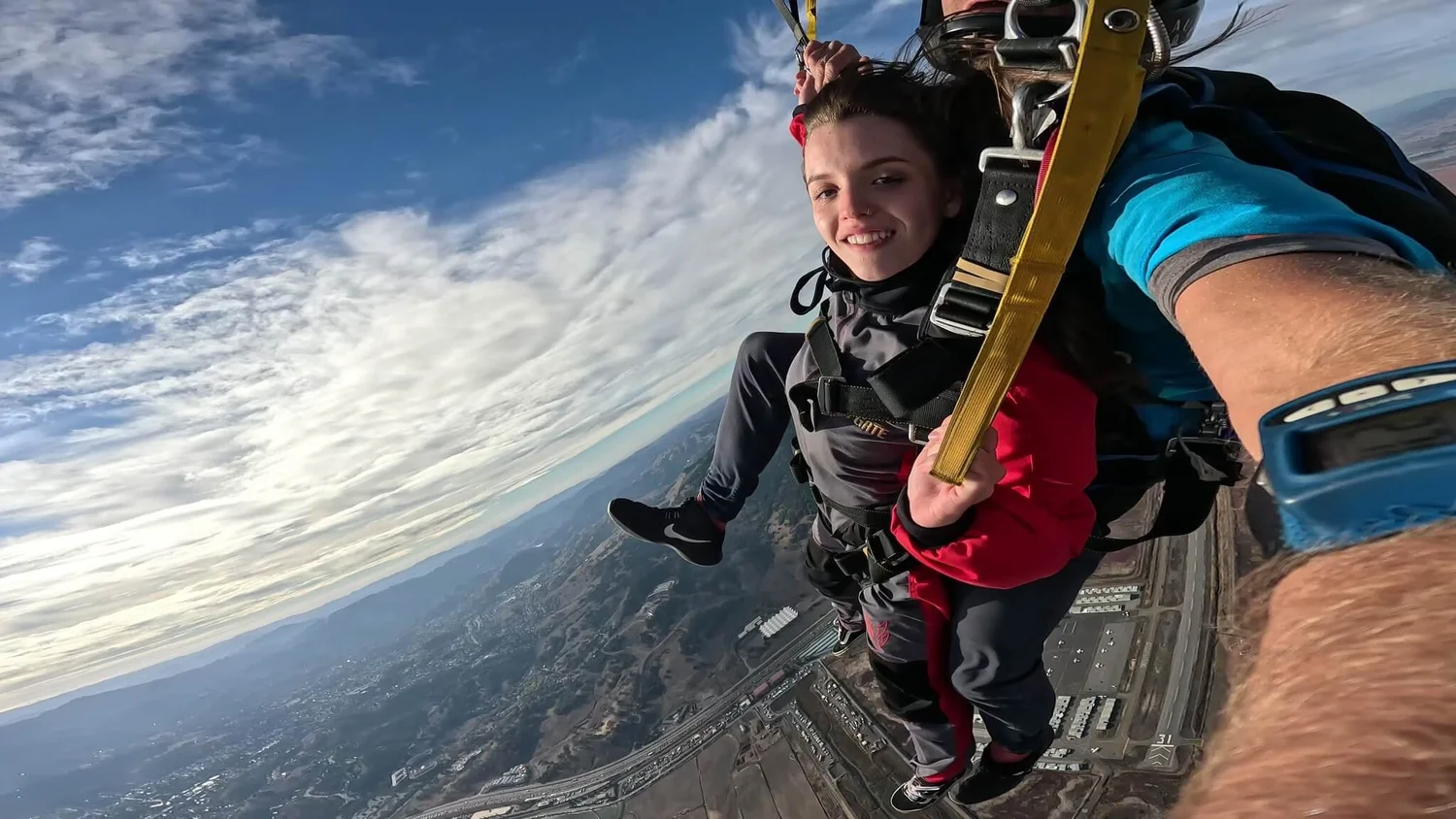
California is one of the most exciting places on earth to jump out of a plane. Where else can you freefall above the Pacific coastline, land on a beach a few miles from Los Angeles, or drop through the sky over vineyards stretching as far as your eyes can see? The state has more licensed drop zones than almost any other in the country, and the variety on offer — from desert landscapes to ocean views to mountain backdrops — makes it genuinely hard to pick just one.
Whether you are a first-timer trying to figure out where to book your tandem experience or someone who has jumped before and wants to explore what California specifically has to offer, this guide covers every major facility, real pricing for 2026, the best times of year to go, and what you need to bring with you. By the time you finish reading, you will know exactly where to jump and what to expect when you get there.
New to the Sport? Start Here
Before comparing drop zones, make sure you know what to expect on your very first jump. Our beginner walkthrough covers everything from the ground training to the landing.Read: What to Expect on Your First Jump →
Why California Is One of the Best States in America for Aerial Adventures

The geography of California is genuinely extraordinary. Within a single state, you have the Pacific Ocean running the entire length of the western edge, the Sierra Nevada mountain range to the east, the Mojave Desert in the south, fertile valleys through the centre, and thousands of miles of rolling hills and farmland in between. Every one of those environments creates a completely different backdrop for a jump — and that variety is something very few states can match.
The weather is another major advantage. Much of California enjoys more than 300 days of sunshine per year, which means drop zones can operate almost year-round. Compare that to states in the Midwest or Northeast where cold weather and heavy snow shut operations down for months at a time, and it becomes clear why California consistently attracts both visiting jumpers and those looking to log a high number of dives per year.
The state also has a high concentration of experienced, USPA-affiliated drop zones that have been running safely for decades. These are not pop-up operations — they are established facilities with long track records, well-maintained aircraft, and professional instructors. If you want to understand how safety standards work at licensed facilities, our overview of how aerial safety practices have improved over time gives useful context before you book.
The Best Drop Zones in California for 2026
California has over a dozen active, licensed drop zones spread across the state. Below are the standout locations that consistently receive strong reviews for safety, professionalism, scenery, and overall experience quality.
Skydive Perris — Perris, Southern California
Skydive Perris is widely considered one of the most prestigious facilities in the entire country, not just in California. Located about an hour east of Los Angeles in the Inland Empire region, Perris operates multiple aircraft simultaneously and can handle a very high volume of jumpers on busy weekends. It is a major hub for licensed jumpers who come from all over the world specifically to jump here, but it also runs a well-organised tandem programme for newcomers.
The facility offers jumps from up to 18,000 feet, which is significantly higher than many standard drop zones. At that altitude, you get close to 85 seconds of pure freefall — more than double what you would experience at a standard 10,000-foot exit. The landscape below is classic Southern California desert and valley terrain, with mountain ranges visible on clear days. Prices for a standard tandem experience at Perris start around $199 to $239 depending on the season, with premium altitude packages running higher.
Skydive Santa Barbara — Lompoc, Central Coast
If ocean views are what you are after, this facility near Lompoc on the Central Coast delivers one of the most scenic jumps available anywhere in the state. On clear days — which are common here — you can see the Channel Islands from altitude, with the Pacific coastline stretching in both directions below you. The approach to landing takes you over some genuinely beautiful countryside, and the drop zone itself has a relaxed, friendly atmosphere that works especially well for first-timers who are already a bit nervous.
Tandem packages at this location typically range from $185 to $240 for a standard jump, with video and photography add-ons available at additional cost. The facility is USPA-affiliated and has been operating at this site for many years.
Lodi Parachute Center — Lodi, Central Valley
Lodi holds a special place in the history of the sport in California. It is one of the longest-running drop zones in the state and has produced more licensed jumpers over the decades than almost anywhere else on the West Coast. The Central Valley setting means flat, agricultural land in every direction — not the most dramatic scenery in the state, but the facility more than makes up for it with operational efficiency, competitive pricing, and a genuinely community-focused atmosphere that keeps licensed regulars coming back week after week.
For first-time tandem visitors, pricing here tends to be slightly more accessible than at premium coastal or altitude-focused facilities, often starting around $169 to $199. If budget is a consideration and you are not specifically chasing a particular view, Lodi is one of the most reliable and cost-effective choices in Northern California.
Skydive San Diego — Jamul, San Diego County
Southern California’s other major hub sits in the hills east of San Diego. This facility offers panoramic views that can include the ocean, the mountains, the city skyline, and the desert all in a single jump — on a clear day the perspective from altitude is remarkable. San Diego County’s consistently warm, dry climate means operational cancellations due to weather are relatively rare, which is particularly helpful if you have flown in from out of state specifically for the experience.
Tandem dives here are priced similarly to other premium Southern California facilities, generally falling in the $195 to $250 range depending on package selection and timing. The team is USPA-affiliated and the facility handles both first-timers and experienced jumpers regularly.
Skydive the Bay — Byron, San Francisco Bay Area
For those based in or visiting the Bay Area, this drop zone about 60 miles east of San Francisco in the Byron area offers a solid all-round experience. On a clear day, Mount Diablo and the surrounding Delta waterways are visible from altitude, and the relatively mild Northern California climate keeps the facility operational through most of the year. It is not the most dramatic scenery in the state, but it is consistently well-reviewed for instructor quality and how the staff handle nervous first-timers.
Pricing falls in line with most mid-range California facilities, typically starting around $189 for a standard tandem package.
| Drop Zone | Location | Best For | Starting Price (2026) |
|---|---|---|---|
| Skydive Perris | Perris (SoCal) | High altitude, volume jumpers | ~$199 – $239 |
| Skydive Santa Barbara | Lompoc (Central Coast) | Ocean views, first-timers | ~$185 – $240 |
| Lodi Parachute Center | Lodi (Central Valley) | Budget-friendly, licensed jumpers | ~$169 – $199 |
| Skydive San Diego | Jamul (San Diego) | Scenic variety, year-round ops | ~$195 – $250 |
| Skydive the Bay | Byron (Bay Area) | NorCal accessibility, beginners | ~$189 – $220 |
How Much Does Jumping in California Typically Cost in 2026?
California sits on the higher end of the national price spectrum, which should not come as a surprise given the state’s general cost of living. That said, the range is wide enough that jumpers on most budgets can find something that works for them. The key variable — besides location — is whether you are adding extras like professional footage or upgraded altitude to your base booking.
A standard tandem dive in California with no add-ons typically runs between $169 and $250 depending on the facility. That range covers most first-time experiences across the state. Adding a hand-cam video package run by your instructor costs an additional $70 to $100. A separate camera flyer who exits the aircraft alongside you and films from outside adds another $100 to $150 on top of that. A full media bundle that includes both video and edited photos usually sits between $150 and $220 extra.
High-altitude options — specifically at facilities like Skydive Perris that operate aircraft capable of reaching 18,000 feet — carry a significant premium. Jumping from that altitude can add $80 to $150 on top of the standard rate, but the freefall time you gain (up to 85 seconds compared to around 30 seconds at a lower exit point) is something many jumpers feel is absolutely worth the additional spend.
Money-Saving Tip: Most California drop zones offer meaningfully cheaper rates on weekdays compared to weekends. If your schedule allows it, a mid-week booking can save you $30 to $60 per person without any compromise on the experience itself.
The Best Time of Year to Jump in California
One of the great advantages of choosing California as your destination is that the jumping season effectively never ends. Unlike much of the country, the state’s climate allows most facilities to operate twelve months of the year. That said, certain seasons are better than others depending on what matters most to you.
Spring — particularly April through early June — is widely considered the sweet spot. Temperatures are comfortable, rainfall has mostly cleared after the winter months, and the landscape is at its most green and visually striking from altitude. Visibility tends to be excellent during this period, especially at coastal facilities where marine fog can sometimes limit views in summer mornings.
Summer is busy. If you are planning a weekend jump between July and September, book well in advance. Demand peaks during school holidays and the warmer months, which means long wait times at popular facilities on Saturdays and Sundays. The upside is that summer days are long, conditions are generally stable, and weather cancellations are relatively rare.
Autumn offers excellent conditions with thinner crowds. October and November in particular can produce some of the clearest, most visually spectacular jumping days of the year as the heat haze of summer clears and visibility improves. Winter is workable at most Southern California locations but some Northern California facilities have reduced operating days in December and January due to rain and lower temperatures.
What You Need to Bring and Know Before You Arrive
Most California drop zones have a similar set of requirements and recommendations for visitors arriving for a first tandem experience. Getting these right before the day makes everything smoother and means you spend less time on paperwork and more time actually jumping.
You will need to bring valid photo identification — a driving licence or passport works at every facility. You will be required to sign a liability waiver, which is standard practice across the entire industry and something you should read properly before signing. Our article on what skydiving liability waivers actually mean explains what you are agreeing to in plain language.
Wear comfortable, close-fitting clothing and lace-up shoes — trainers or hiking boots work perfectly. Loose sandals, flip flops, and open-toed shoes are not allowed at any legitimate drop zone. Leave jewellery at home or in the car. If you wear glasses or contact lenses, let the staff know when you arrive — most facilities provide suitable goggles that work over both.
Eat something a few hours before your appointment but avoid a heavy meal right beforehand. Most people find that a light snack an hour or two before the jump is the right balance. Staying hydrated is also important, particularly if you are visiting a desert-area facility in summer where temperatures can be high on the ground.
Important: California drop zones follow the same national age and weight requirements as the rest of the country. All tandem participants must be at least 18 years old and typically under 220 lbs (though exact limits vary by facility and instructor body weight). Check our full guide on weight and eligibility requirements before you book to avoid any issues on the day.
Can You Get a Skydiving Licence in California?
Absolutely. California is actually one of the best states in the country to begin your AFF training and work toward an A-licence. The near year-round jumping season means you can progress through your training dives much faster than in states where weather interrupts the schedule for months at a time. The high concentration of experienced coaches and instructors at major California facilities also means you have access to high-quality instruction throughout the process.
Most of the facilities listed above offer full AFF programmes for students looking to qualify. The cost in California follows the national average closely — expect to invest between $1,400 and $1,900 for the full programme from first jump through to licence qualification. This includes all supervised training dives, ground instruction, and equipment rental during the course.
Once licensed, California’s drop zone community is one of the most active in the world. Facilities like Perris host regular events, competitions, and formation diving sessions that give newer licence holders a fast track into the wider jumping community. You can read a full breakdown of the licence pathway in our dedicated guide on how to earn your first skydiving qualification.
Is It Safe to Jump in California?

Yes — provided you book with a USPA-affiliated drop zone and follow their instructions properly. California’s major facilities have long operational histories and strong safety records. The state is well-served by facilities that invest in modern equipment, rigorous maintenance schedules, and ongoing instructor training.
That said, safety is always something worth taking seriously rather than assuming. Before you book any facility — in California or anywhere else — it is worth checking that they hold current USPA Group Member status, that their aircraft are properly certified, and that their tandem instructors hold valid USPA ratings. Reputable facilities will be happy to answer any of these questions directly. If a drop zone is evasive about its credentials, that is a signal to look elsewhere.
For a broader understanding of actual industry safety data and what the numbers tell us about risk in context, our breakdown of skydiving death statistics in the USA gives you the full picture without hype or sensationalism.
Thinking About a Different US Destination?
We have covered drop zones and jumping destinations across the country and around the world. Explore our full destinations section to find the right location for you.Browse All Destinations →
Frequently Asked Questions About Skydiving in California
What is the best drop zone in California for a first-time jumper?
For first-timers specifically, Skydive Santa Barbara near Lompoc and Skydive the Bay in Byron are both frequently praised for the way their teams handle nervous newcomers. Both offer excellent ground instruction, patient instructors, and stunning views without the sometimes overwhelming scale of a high-volume facility like Perris. That said, Perris is an excellent choice if you want access to higher altitude exits and a very experienced team.
How much does jumping in California cost in 2026?
For a standard tandem experience with no add-ons, budget between $169 and $250 depending on the facility and time of year. Adding a video package typically costs an extra $70 to $220 depending on the type of coverage you choose. Weekday bookings are generally cheaper than weekend slots at most California drop zones.
Do you need any experience to jump in California?
No prior experience is needed to do a tandem dive. Your instructor handles all the technical elements of the jump — you simply follow their instructions during the brief ground training session before the flight. For anyone wanting to jump independently without an instructor attached, an AFF training programme and licence are required, which takes most people between one and three months to complete.
What is the minimum age to jump in California?
All USPA-affiliated drop zones in California require tandem participants to be at least 18 years old. This is a federal guideline that applies nationally, not just in California, and there are no legal exceptions. Some facilities have age 21 policies for certain high-altitude packages. Check with your specific drop zone at the time of booking.
Can I jump near Los Angeles or San Francisco?
Yes. Skydive Perris is the closest major facility to Los Angeles, located approximately one hour east of the city. For San Francisco-area visitors, Skydive the Bay in Byron is roughly 60 miles east of the city and serves the Bay Area market. Both are well-established, properly licensed facilities with strong reputations.
What is the weather like for jumping in California year-round?
Most of California — particularly the southern half of the state — enjoys reliable jumping conditions across all twelve months. Spring and autumn offer the clearest visibility and most comfortable temperatures. Summer is busier and can produce morning coastal fog at some facilities that delays operations by a few hours. Winter is generally workable in Southern California but some Northern California facilities reduce their operating days in December and January.
Is jumping in California more expensive than other US states?
Slightly, yes. California’s facilities tend to price their packages a little higher than the US national average, which reflects the higher operating costs in the state and the premium scenery on offer at coastal locations. The difference is not dramatic — most California prices fall within $20 to $40 of comparable facilities in other states — but it is worth factoring in if you are comparing destinations on budget alone.
More from SkydiveGuides: Skydiving in Hawaii · Age Requirements in the USA · Full Eligibility Guide · How to Prepare for Your First Tandem Jump · What Does Jumping Feel Like?